
How to Stop a Door Slamming Shut on Its Own: 12 Fixes
Key takeaways
- Doors slam on their own from drafts, HVAC pressure imbalance, or hinges that are not plumb, so diagnose before buying hardware.
- A free 90-degree swing test tells you in seconds whether gravity or air pressure is the culprit.
- Cheap cushioning like felt pads and foam weatherstripping quiets most doors; a pneumatic closer or hinge adjustment fixes the stubborn ones.
A door that slams shut on its own is almost never haunted. It is pushed by physics: moving air, an imbalanced heating and cooling system, or a door that no longer hangs straight, so gravity does the pushing.
Each slam is more than a startle: repeated impacts back hinge screws out, crack the jamb and nearby drywall, chip paint, and can even break the seal on a double-pane window, according to Sensible Digs.
This article takes a closer look at why doors slam by themselves, how to run a free two-minute diagnosis, the cheapest fixes that actually work, the hardware upgrades for stubborn doors, and when the problem points to something bigger.
Why doors slam shut on their own
Most self-slamming doors trace back to one of three causes. Finding yours first saves money, because the fix for a draft is different from the fix for a worn hinge.
Drafts and pressure differences
The classic case is the door that bangs the moment someone opens a window. An open window on a breezy day puts higher air pressure on one side of the door and lower pressure on the other, and air rushing to equalize yanks the door shut, Sensible Digs explains.
Fast-moving air past the opening can also drop the pressure right at the doorway and pull the door closed behind it. Engineer Fix, an engineering education site run by founder Liam, describes the same effect: when a window is open, the air has an escape route, so the door meets no resistance and accelerates freely until it hits the frame.
HVAC airflow imbalance
A forced-air heating and cooling system can slam interior doors with no breeze at all. When a closed door blocks the return-air path, the running blower builds up pressure on one side of the room, and that imbalance pushes or pulls the door shut on its own.
A whistling, vibrating, or self-slamming door is a direct sign of that pressure gap. Trimming the usual 1 inch off the bottom of the door rarely relieves it, since the undercut would need to be 1.5 inches or more, according to energy analysts cited by Sensible Digs. If your whole home struggles with uneven airflow between rooms, a transfer grille or jumper duct that moves air between rooms fixes the slam at its source.
Hinges that are not plumb
If a door swings shut with no breeze and no HVAC running, it is probably not hanging straight. Settled framing or loose hinge screws let gravity pull the door closed, and it picks up enough speed to bang. A level held against the edge of the door reveals the lean in seconds.
Over-tightened self-closing hinges are a related cause. The garage-to-house door uses spring hinges for fire safety, and set too aggressively they snap the door shut hard enough to slam. The tension is adjustable, so you can slow the close without losing the automatic latch.
The 90-degree swing test
Before spending a cent, run this free diagnosis from Home Repair Tutor. Open the door to about a 90-degree angle and let go.
If it swings shut on its own, gravity is the driver, which means loose hinges or a frame out of plumb. Snug up every hinge screw first, and if a stripped hole will not hold, drive one longer screw per hinge deep enough to bite the wall framing, which pulls the door back to plumb.
If the door stays put at 90 degrees but slams when a window opens or the furnace kicks in, air pressure is the driver. Skip the hinge work and go straight to cushioning or pressure relief. This two-minute test keeps you from treating the wrong problem.
Cheap fixes that quiet most doors
Cushion the contact points
Felt pads are the fastest fix for the bang itself. Stick small squares at the top and bottom corners of the doorframe and on the strike plate, and the felt acts as a soft buffer that absorbs the energy of the close, per Sensible Digs.
Foam weatherstripping does double duty: it seals out drafts and cushions the door. Clean the inside edge of the frame, adhere the foam strip along the contact points, and the door compresses against foam instead of banging against the wood stop.
Self-adhesive rubber or silicone bumpers, sometimes sold as gel dots for cabinet doors, absorb the final moments of kinetic energy when stuck on the door stop of the jamb, Engineer Fix notes.
Add friction to the swing
A door sweep that lightly brushes the floor adds friction to every swing. That resistance makes it harder for a gust of wind to slam the door violently, and it blocks drafts as a bonus.
Block the latch or wedge the door
Loop a thick rubber band across both doorknobs so it holds the latch bolt open, or drape a towel over the top of the door in a pinch.
A classic rubber wedge kicked under the door jams it exactly where you put it. Magnetic door stops are the tidy version: one part mounts to the floor or wall and the other to the door, and when you open the door fully the magnet engages and holds it fast against cross-breezes.
Hardware fixes for stubborn doors
Install a pneumatic or hydraulic door closer
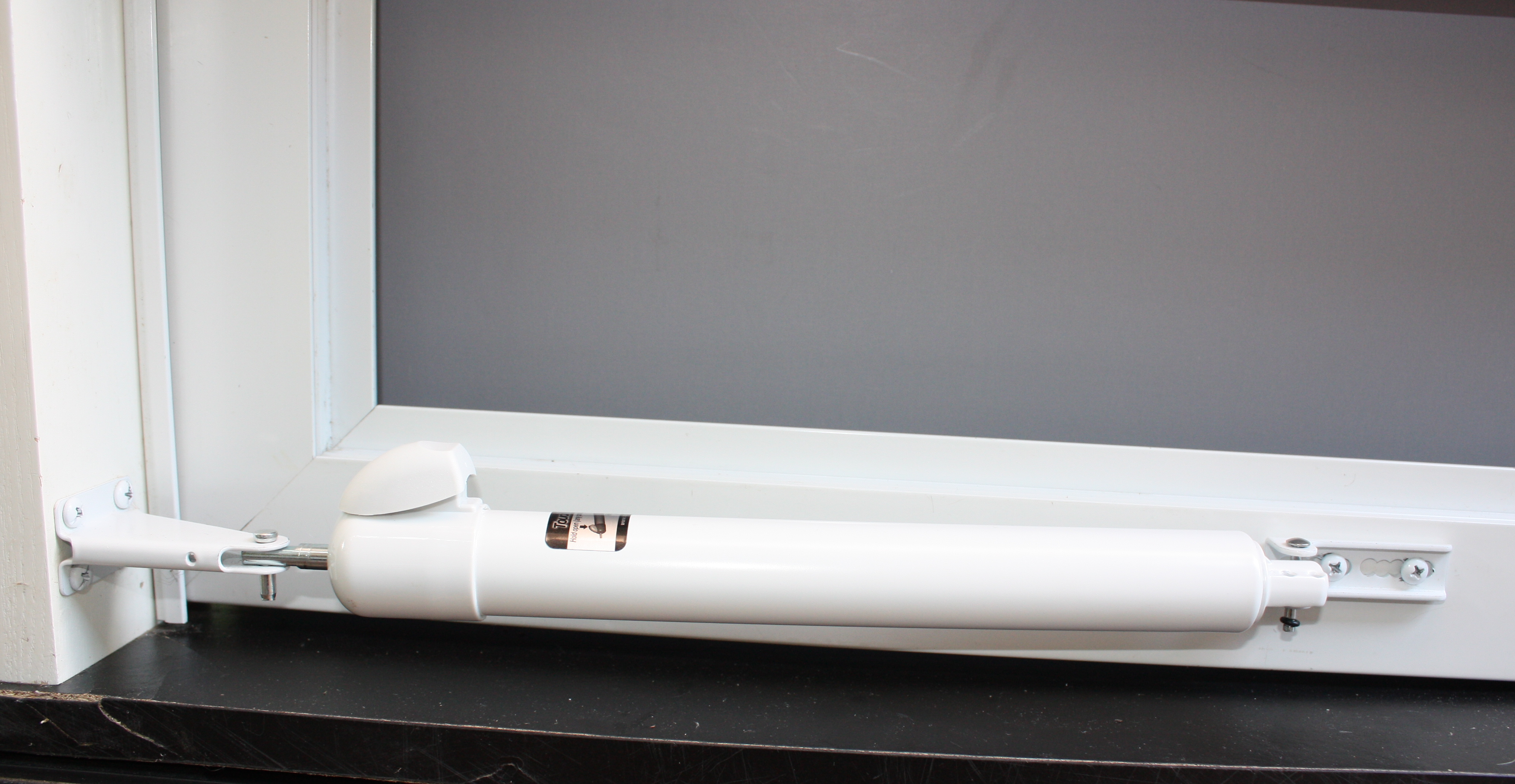
A pneumatic or hydraulic door closer is the most reliable permanent fix. It mounts to the top of the door and uses air or fluid pressure to govern how fast the door swings shut.
Most models have two adjustment screws, one for the main closing speed and one for the final latch, so you can slow the swing to a gentle glide and still get a firm click. Turn each screw in small increments until the door eases into the frame instead of banging. Residential models are easy to fit at home with basic tools.
Adjust the spring hinge tension
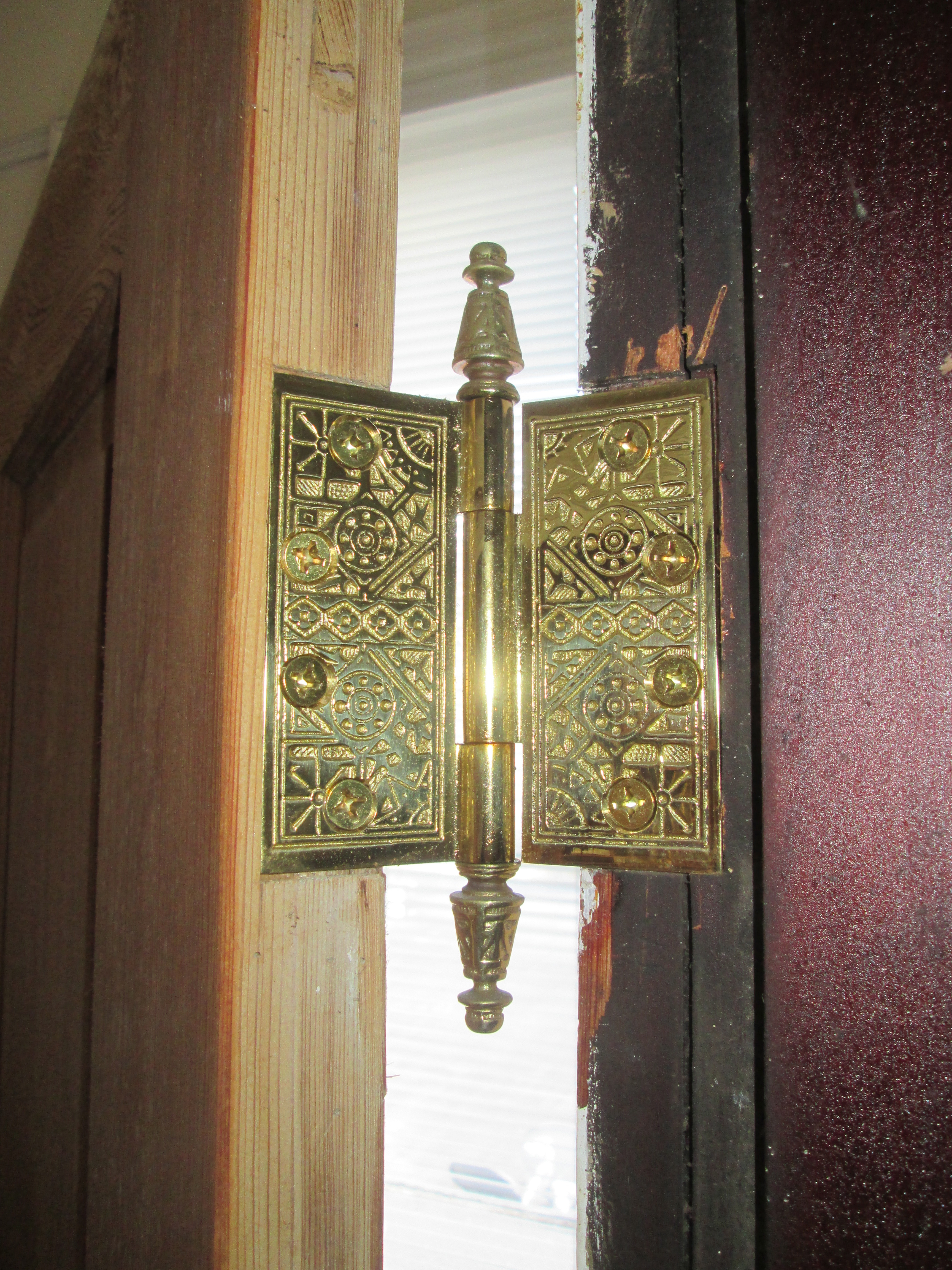
For doors on spring-loaded hinges, lowering the tension is free. With the door closed, fit a hex key into the hole in the hinge barrel, turn it slightly to take the load, and pull out the small tension pin, Sensible Digs advises. Ease the key back a notch to lower the tension, reset the pin in the next hole, and let go.
Keep a firm grip on the key, since the spring is under real force, and wear eye protection. Home Repair Tutor demonstrates the same adjustment, popping the pin on the middle hinge first and bending it slightly with a hammer as an alternative trick that adds friction to a loose hinge.
Check and tighten the hinges
The screws securing hinges can loosen over time, especially the top hinge that bears most of the door's weight, Engineer Fix explains. A simple inspection and tightening of all hinge screws can restore proper alignment and reduce unwanted swing.
When a screw hole is stripped, one longer screw per hinge driven into the framing behind the jamb (use a wall stud finder if you are unsure where the framing sits) pulls the door back to plumb so it no longer coasts closed.
Adjust the strike plate
The strike plate, the metal piece on the jamb that the latch bolt engages, provides resistance when the door is closed. If the latch is not catching properly, bend the tab inside the strike plate gently outward with a flat-head screwdriver to increase pressure on the latch bolt, Engineer Fix advises.
For worse misalignment, reposition the plate or install an adjustable strike plate so the latch fully engages.
Preventing the damage slamming causes
Every slam drives a shockwave through the frame. Over time the repeated vibration backs hinge screws out, opens hairline cracks in the drywall around the frame, and chips paint at the door edges, which exposes wood to moisture on exterior doors.
Small cracks around a frame can be fixed with a simple drywall patch before they spread, but cushioning early is cheaper than repairing later. The same vibration can also loosen nearby fixtures, from switch plates to a wobbling ceiling fan.
Finger safety is another reason to act. Doors are a leading cause of finger injuries in young children.
An estimated 1.39 million US children age 17 and under were treated in emergency rooms for door-related injuries between 1999 and 2008, about one every four minutes, according to data cited by Sensible Digs. U-shaped foam pinch guards slide onto the door edge and stop slamming as a bonus, making them a smart pick for playrooms and nurseries.
Frequently asked questions
Why does my door slam only when I open a window?
Opening a window changes air pressure on each side of the door. Air rushes from the higher-pressure side to the lower-pressure side and pushes the door shut. A magnetic holder or weighted doorstop holds it against that pressure.
How can I make my door close slower?
Fit a pneumatic or hydraulic door closer and turn down its speed screw to set the exact closing speed. On self-closing spring hinges, reduce the tension with a hex key instead so the door drifts shut gently.
Can slamming doors cause cracks?
Yes. Each slam drives a shock into the jamb and wall that backs hinge screws out, opens hairline cracks in the drywall, and can even break the seal on a double-pane window beside the door. Cushion early to head off the damage.
Why do my doors slam when the AC or heat turns on?
When the AC or furnace runs, a closed door blocks the return-air path, so the blower builds pressure on one side of the room and pushes the door shut. A transfer grille or jumper duct lets air move between rooms and fixes it at the source.
The bottom line
A door that slams on its own is telling you something specific: a draft is pushing it, your HVAC is starving for return air, or its hinges have drifted out of plumb. Run the 90-degree swing test first, match the fix to the cause, and start with the cheap cushioning. A few dollars of felt or weatherstripping quiets most doors, and a proper closer or a hinge adjustment handles the stubborn ones.
Tags: doors, home maintenance, DIY, drafts
Latest in Home
- Why Is One Room Colder Than the Rest of the House?
- Why Does My Ceiling Fan Wobble and How to Balance It
- How to Find a Wall Stud Without a Stud Finder
- How to Patch a Small Drywall Hole Step by Step
Subscribe for one practical home fix in your inbox every morning.
Related stories

Why Your Faucet Keeps Dripping After You Turn It Off
A dripping faucet is usually a worn washer, O-ring, or cartridge that can no longer seal. One drip per second wastes over 3,000 gallons

How to fix a running toilet without a plumber in 30 minutes
A running toilet can waste 200 gallons of water a day. Diagnose the flapper, float, or fill valve in two minutes, then fix it yourself

How to hang heavy shelves on drywall safely
Studs first, toggle bolts second, plastic anchors never for heavy loads. Weight ratings, installation steps, and mistakes that bring