
Why Do Outdoor Lights Attract Spiders at Night?
Key takeaways
- Spiders are not drawn to light itself; they gather where lights concentrate the flying insects they hunt.
- Insects navigate by UV and blue wavelengths, so cool-white bulbs above 4000K attract far more bugs than warm LEDs.
- Switching to warm 2700K to 3000K bulbs, using motion sensors, and moving fixtures away from doors cuts both insects and spiders.
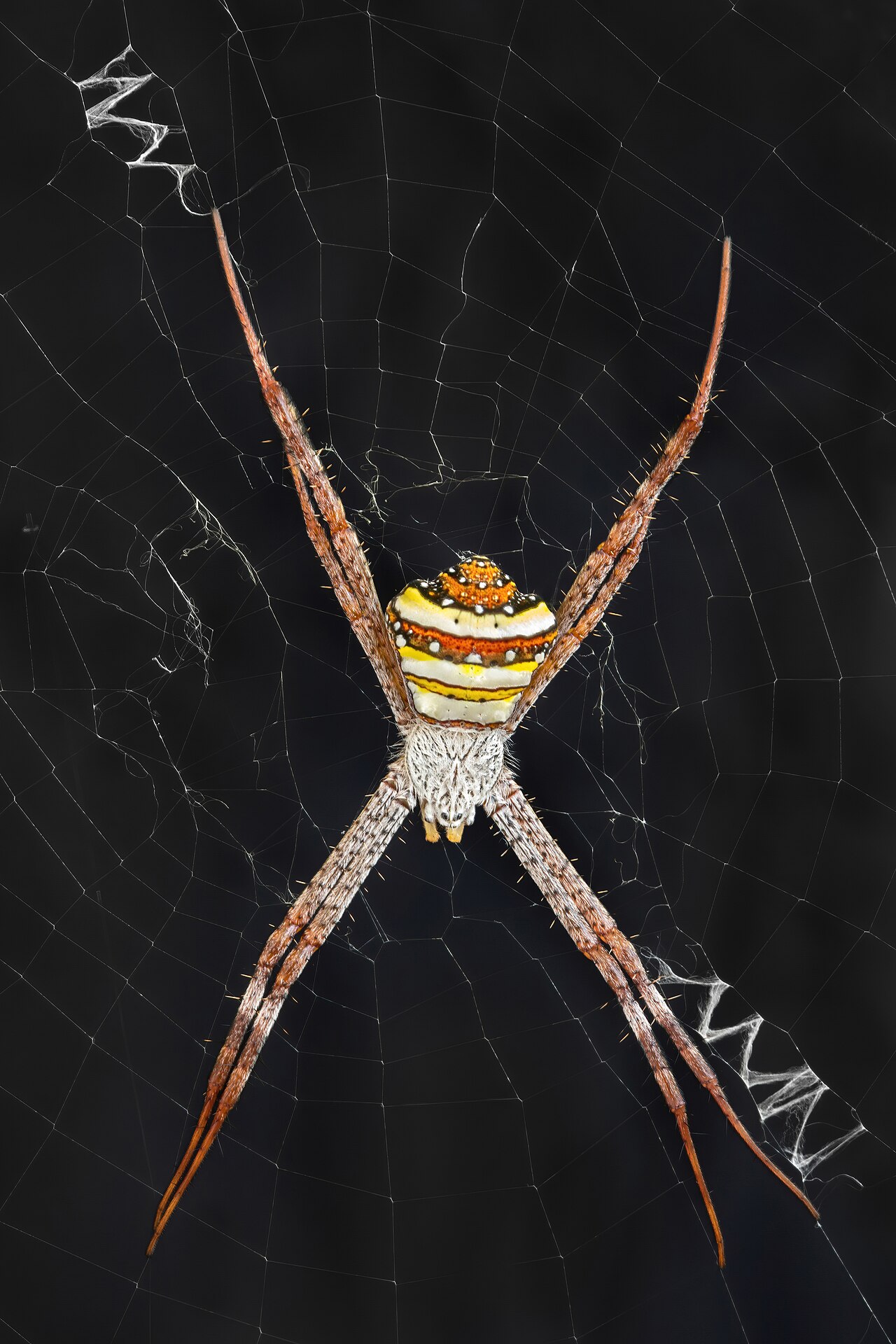
Every summer evening plays out the same way. The porch light clicks on, moths and flies spiral around it, and within days a spider has strung a web across the fixture. It looks like the spider loves the light.
It does not. The spider loves what the light delivers: a steady, predictable supply of prey. Your porch light is running a restaurant, and the spider is just the most loyal customer.
This article explains why outdoor lights attract spiders at night, including the insect behavior that starts the chain, which light wavelengths draw the biggest crowds, how spiders exploit the setup, and what actually reduces both the bugs and the spiders.
Spiders follow the food, not the light
The core fact is simple and well documented. Aptive Pest Control states it directly: while spiders show no direct attraction to artificial lighting, they demonstrate a remarkable ability to identify and exploit the feeding opportunities that illuminated areas provide.
EngineerFix agrees. Spiders are predators, and their presence near outdoor lights is an indirect consequence of their hunting instincts, not a direct attraction to the light itself. A light that attracts moths, flies, and beetles sets up a consistent and reliable hunting ground.
Most spiders are poorly equipped to care about light anyway. EngineerFix notes that they generally have poor vision and rely on vibration and chemical cues to locate prey. They find the porch light because the insects are there, trembling in webs and blundering into walls, not because the glow appeals to them.
Nocturnal spiders do sometimes use bright lights to orient themselves, mistaking them for the moon or stars. But orientation is a side effect. The reason a spider settles beside your fixture and stays there is the hunting, and removing the insect population is the most effective way to deter the spiders.
Why insects swarm the light in the first place
Most flying insects demonstrate phototactic behavior, meaning they instinctively move toward light sources, particularly white or blue-spectrum illumination, according to Aptive. The leading explanation is navigational: many insects evolved to navigate by the moon and stars, and artificial lights scramble that ancient compass.
Wavelength decides how strong the pull is. EngineerFix explains that the attraction is driven by sensitivity to specific spectrums, especially ultraviolet and short-wavelength visible light. Many insects use wavelengths in the 300 to 420 nanometer range for navigation and finding food.
Within that band, some wavelengths are stronger magnets than others. Studies cited by EngineerFix show that short-wave blue light, around 447 to 478 nanometers, is among the most attractive wavelengths to nocturnal insects. Longer wavelengths, the yellows, oranges, and reds, are significantly less visible and less appealing to most insects.
That is why the color of the light matters more than the type of bulb. A cool-white LED and an old mercury vapor lamp both pour out blue-rich light, and both collect swarms. The insects do not simply fly by, either.
Aptive describes how they hover persistently, land on nearby surfaces, crawl along walls and fixtures, and settle near windows, doors, and vents. From a spider's perspective, the light has built a buffet with walls.
Which lights attract the most spiders
Since spiders track insect density, the spider question is really a bug question. Some bulbs run far busier restaurants than others.
Cool-temperature lights above 4000K, incandescent bulbs, and fluorescent fixtures attract the most insects because they emit UV light and heat, according to Aptive. Redi National adds that incandescent bulbs produce a broad spectrum of light including ultraviolet, which many insects are drawn to. More insects means larger prey populations for spiders to exploit.
Warm white LEDs sit at the other end. LEDs rated at 3000K or lower, often labeled warm white, attract fewer insects because they shift emission toward the yellow and red end of the spectrum, EngineerFix reports. Aptive gives the same guidance: warm LED bulbs in the 2700K to 3000K range attract fewer insects, making the area less appealing to hunting spiders.
Yellow and amber bug lights go further still. The Institute for Environmental Research (IERE) notes that insects are generally more attracted to UV and blue light than to red light, and switching to yellow or red-tinted lights can reduce insect attraction and, indirectly, spider presence. These bulbs are not invisible to insects, but they cut the crowd substantially.
How spiders exploit your porch light
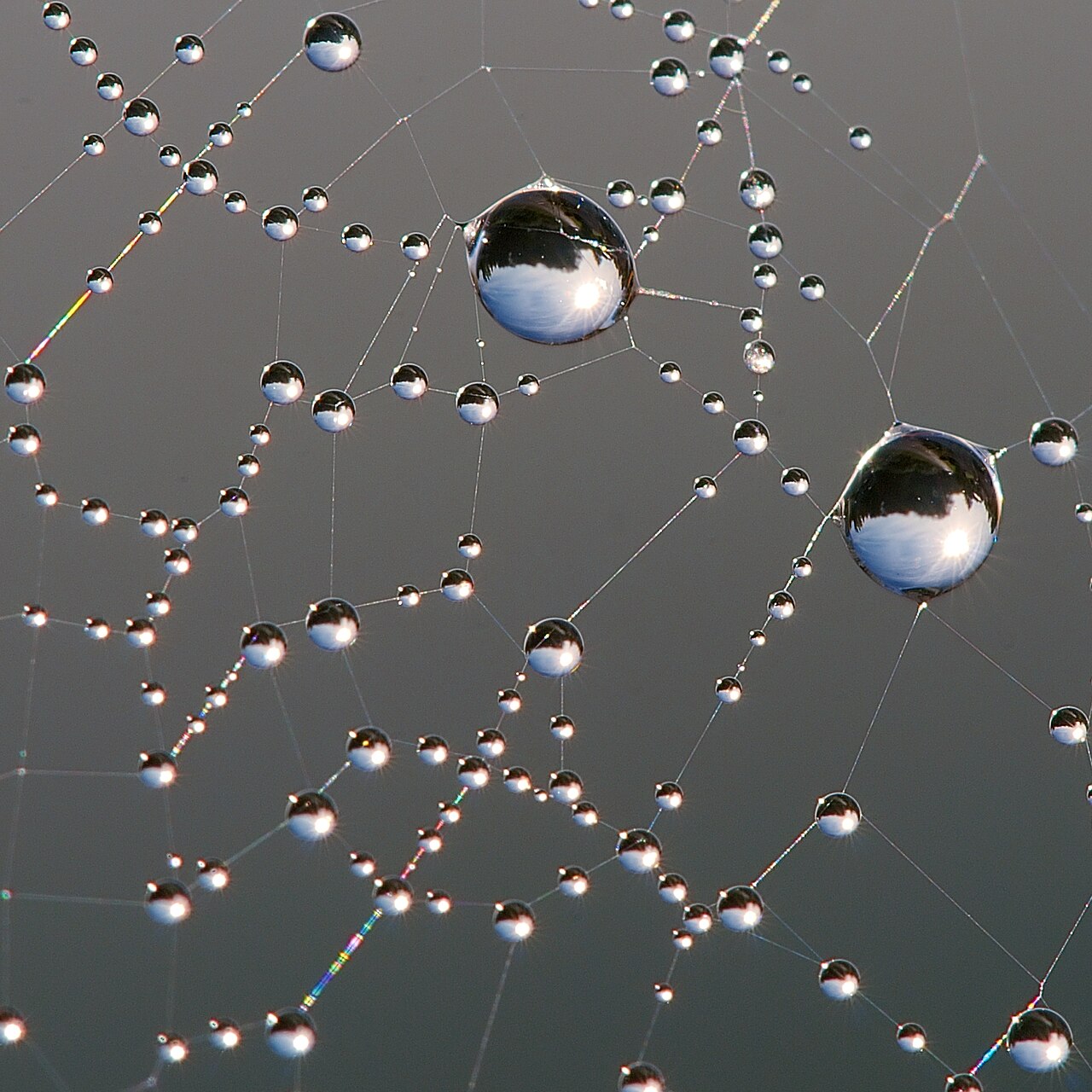
Spiders do not just wander into lit areas by accident. They set up shop with strategy.
Orb-weaver spiders will deliberately build their webs between light fixtures and nearby structures to maximize their catch potential, EngineerFix reports. The web sits where the flight paths converge: between the bulb and the wall, across the corner the moths keep cutting, right in the traffic lane.
Once a web is up, the feedback loop runs itself. The light keeps drawing insects, the web keeps catching them, and the spider keeps repairing and expanding the trap as long as prey stays abundant. That is why the same corner of the same porch hosts a web all season, and why knocking the web down only buys a few days before it is rebuilt.
This is also why spider numbers around a home rise and fall with the general pest population. A yard full of insects supports a yard full of spiders, and the porch light is the brightest billboard advertising dinner.
What actually reduces the spiders
Fight the insects and the spiders follow them out. These steps work together.
Switch to warm bulbs. Replace cool-white porch and floodlight bulbs with warm white LEDs at 2700K to 3000K, or with yellow bug lights. You keep the illumination and cut the insect traffic that feeds the spiders.
Put lights on motion sensors. A light that is only on when someone approaches denies insects the all-night beacon. Less light time means fewer insects, which means fewer spiders setting up permanent webs.
Move fixtures away from doors and windows. Every insect gathered at a fixture near an entry point is one step from coming inside, and Aptive warns that spiders hunting at those fixtures eventually wander in through the same gaps. Mount lights a few feet away from doors, or switch to fixtures that aim light at the path instead of the doorway.
Clean webs and egg sacs regularly. Knocking down webs removes the spider's investment in the spot. Do it in the evening when the spider is out, and trim back shrubs and branches that give spiders anchor points near the light.
Seal the gaps. Caulk around window frames and door trim, and check that screens fit tightly. Spiders follow prey indoors through the same cracks the insects use.
FAQ
Are spiders attracted to LED lights?
It depends on the LED. Spiders respond to insect density, not the bulb type. A cool-white LED that attracts swarms of insects will collect spiders; a warm 2700K LED that attracts few insects will not.
Do yellow bug lights really work against spiders?
They work against the insects, which is what matters. Yellow and amber bulbs emit little of the UV and blue light that draws nocturnal insects, so the hunting ground shrinks and spiders move on.
Why do spiders keep rebuilding webs on my porch light?
Because the food supply never stops. As long as the light draws insects nightly, the location stays profitable for the spider. Change the bulb or the light schedule and the rebuilding usually stops.
Will turning off my porch light get rid of spiders?
It will reduce them around that fixture, but spiders also hunt in gardens, under eaves, and near windows lit from inside. Combine darker nights with warm bulbs and sealed entry points for the best result.
Are the spiders around my lights dangerous?
Most are harmless orb-weavers and house spiders doing free pest control. Still, keep webs away from doorways and play areas, and teach children not to handle spiders they cannot identify.
The bottom line
Outdoor lights attract spiders at night because they attract insects first, and spiders are expert at finding the food. The chain runs on light physics: blue and UV wavelengths pull insects in, insects pull spiders in, and the web locks the arrangement in place. Break the chain at the bulb with warm 2700K lighting, motion sensors, and fixtures set back from doors, and the spiders will hunt somewhere else.
Swap one porch bulb for a warm LED tonight and knock down the old web. Check the corner in a week. Fewer moths means fewer spiders, and that is a trade worth making.
Rive News is a research desk covering home maintenance. For venomous spider concerns or infestations, contact a licensed pest professional.
Latest in Home & DIY
- Why Does the Smoke Alarm Go Off When You Cook Even With No Smoke
- Why Recessed Lights Turn Off By Themselves and Come Back On
- Why Extension Cords Get Warm: When Heat Turns Dangerous
- How to Tell If Old Paint in the Can Is Still Usable
Subscribe for one plain-English home maintenance explainer every week.
Found an error in this article? Email the research desk with the correction and we will fix it.
Related stories
Why Your Faucet Keeps Dripping After You Turn It Off
A dripping faucet is usually a worn washer, O-ring, or cartridge that can no longer seal. One drip per second wastes over 3,000 gallons
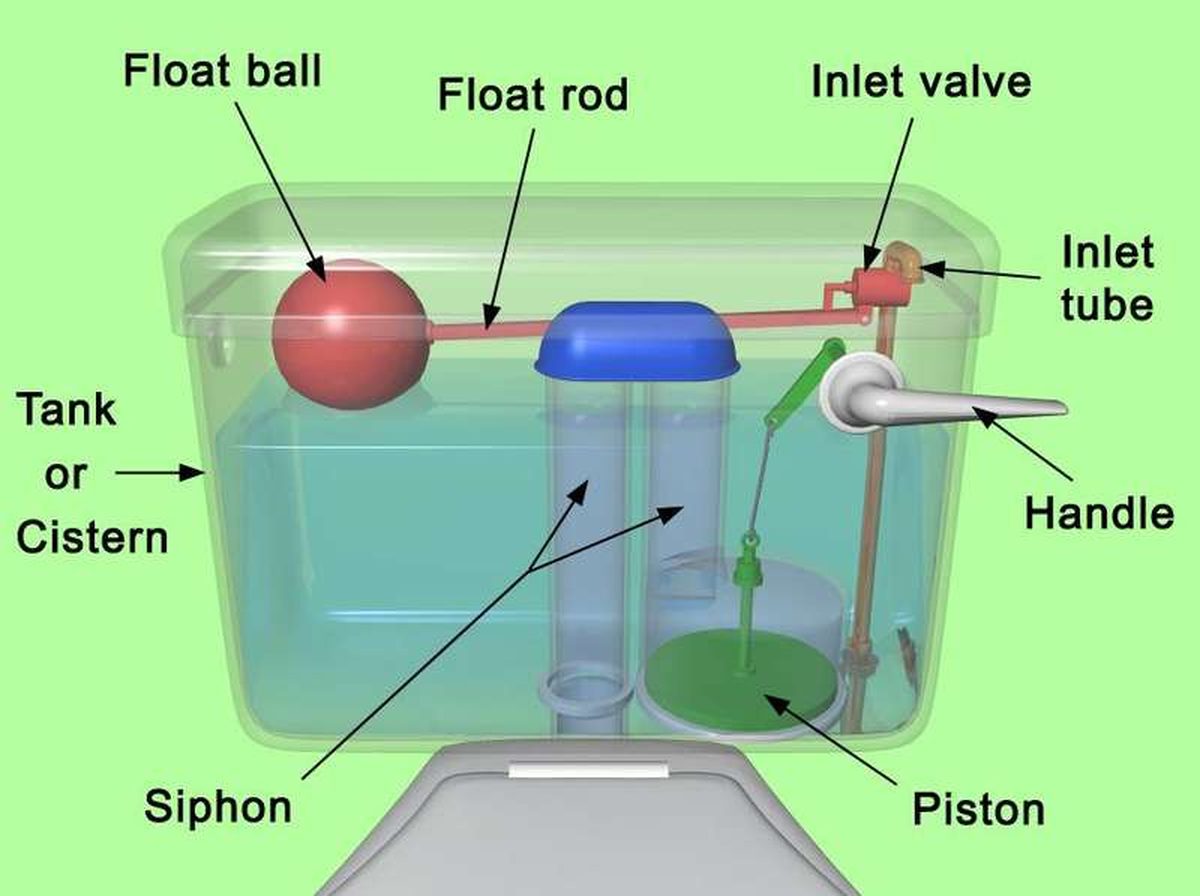
How to fix a running toilet without a plumber in 30 minutes
A running toilet can waste 200 gallons of water a day. Diagnose the flapper, float, or fill valve in two minutes, then fix it yourself
How to hang heavy shelves on drywall safely
Studs first, toggle bolts second, plastic anchors never for heavy loads. Weight ratings, installation steps, and mistakes that bring