
Why Recessed Lights Turn Off By Themselves and Come Back On
Key takeaways
- UL-listed recessed fixtures made since the early 1980s contain a thermal switch that cuts power when the can overheats and resets when it cools.
- The most common cause of cycling is a bulb with too high a wattage, or insulation touching a fixture not rated for contact.
- The on-off pattern is a warning, not a feature: find and fix the heat source instead of living with the blinking.
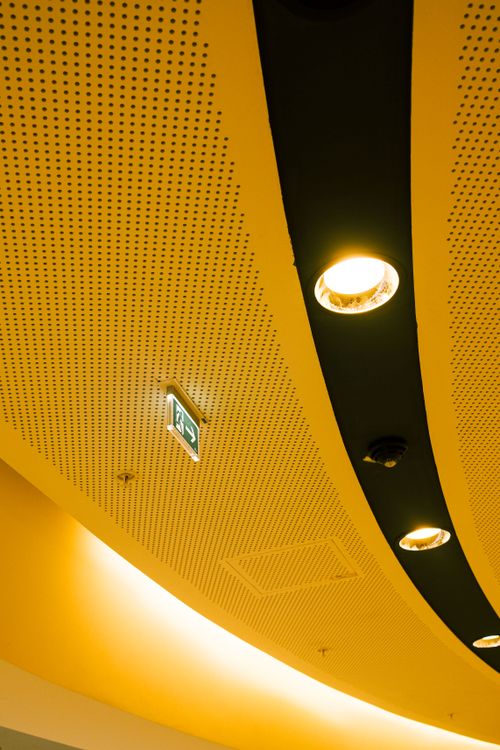
A row of recessed ceiling lights. When one keeps switching itself off and on, a heat safety device inside the can is doing its job. Photograph: Alex Kalinin/Pexels
A recessed light, also called a can light or downlight, is a fixture set into a hollow opening in the ceiling, with a metal housing above the ceiling that holds the socket and wiring. When that housing gets too hot, the light can switch itself off, sit dark for a few minutes, then switch back on as if nothing happened. This article explains the thermal switch behind that behavior, including how it works, what makes the can overheat, the difference between IC and non-IC fixtures, and how to stop the cycling for good.
The thermal switch doing its job
All Underwriters Laboratories (UL) approved recessed lighting fixtures produced since the early 1980s must have a thermal protection switch built into the fixture, according to Ask the Builder. The device turns off the light when the temperature inside the fixture gets too hot, and resets itself once the light cools down, allowing the light to turn back on.
The purpose is fire prevention. If the fixture keeps heating, it can melt the plastic insulation on the electrical wiring inside the can. Once insulation melts, arcing can occur and a fire can result.
The switch interrupts the circuit before temperatures reach that point.
Inside, the mechanism is usually a bimetallic strip: two different metals bonded together, each expanding at its own rate as it heats. Past a set temperature, the strip bends and breaks the electrical contact, cutting power to the bulb. As the can cools, the strip straightens and snaps back into place, restoring power automatically, EngineerFix explains.
That trip-and-reset loop is exactly why the light blinks on and off on a rhythm instead of staying dead.
The trip point is high but not extreme. EngineerFix puts the threshold at about 90 degrees Celsius (194 Fahrenheit), with a cool-down of 15 to 30 minutes before the protector resets. If your light goes dark for roughly that long and then returns, the thermal protector is the likely culprit, not the bulb and not the wall switch.
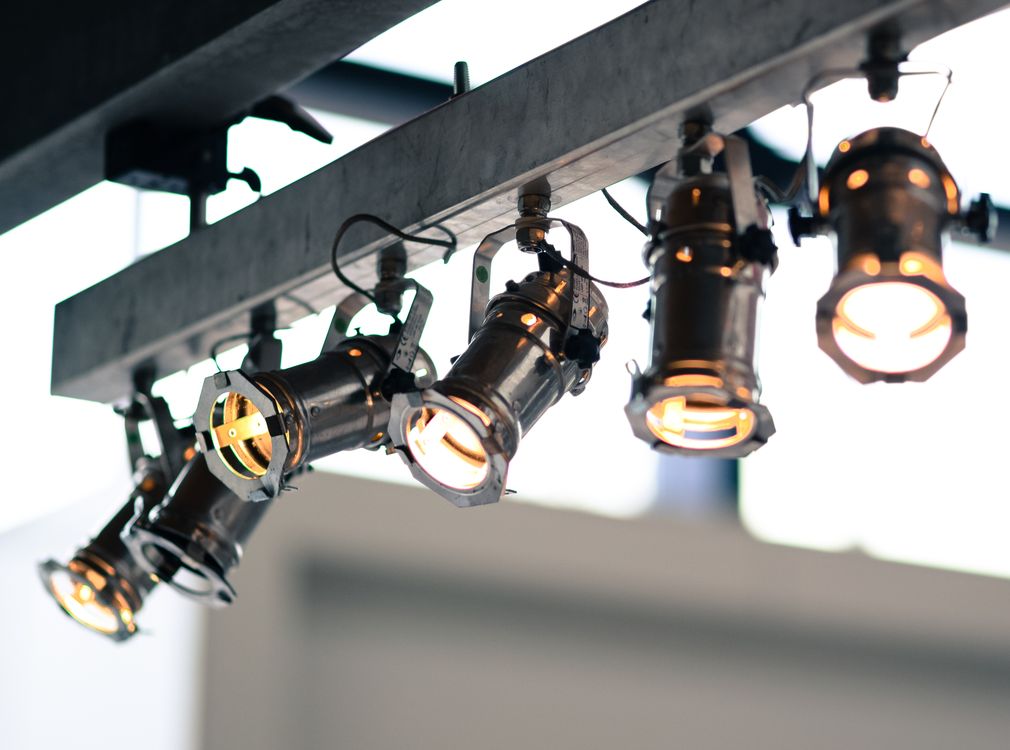
Heat has nowhere to go in an enclosed can, so the safety switch acts before temperatures reach wire insulation. Photograph: ClickerHappy/Pexels
What makes the can overheat
The switch only trips when the fixture runs hotter than its design allows, so repeated cycling means something is feeding it too much heat. The causes are few and well documented.
A bulb with too much wattage. Every recessed housing has a maximum wattage stamped on it. Installing a bulb above that rating pours more heat into the can than the fixture can shed. This is the most frequent cause of a thermal protector activating, EngineerFix reports. Swapping to the marked wattage or lower usually ends the cycling.
Insulation touching a non-IC fixture. Recessed housings come in two ratings. IC, or Insulation Contact, fixtures are designed to sit in direct contact with ceiling insulation. Non-IC fixtures must not touch insulation and need at least 3 inches of clearance around the housing, according to Do It Yourself. When insulation gets packed against a non-IC can, heat gets trapped and the switch trips again and again.
Restricted airflow. The same cycling shows up in lights above showers, where a tempered glass lens is required by code. The lens seals the can and slows the air circulation the fixture needs, so the fixture runs hotter, as noted by Ask-the-Electrician. Old halogen and incandescent bulbs, which throw most of their energy out as heat, make this worse. Halogen lamps can reach temperatures near 300 degrees Celsius, lighting guides warn.
A failing switch. Less commonly, the protector itself wears out after years of tripping. EngineerFix notes the component is rarely serviceable on its own, so a housing that keeps cycling with a correct bulb and clear airflow may need the whole fixture replaced.
IC vs non-IC: the insulation question
The letters IC decide whether insulation may touch the fixture. IC-rated housings use a double-can structure with an air gap to manage heat, and they are usually rated for no more than 100 watts, often 75 watts, Do It Yourself reports. Because they can be fully covered with insulation, they also reduce heat loss through the ceiling.
Non-IC fixtures are single-can housings with ventilation holes that rely on open air to cool. They can be rated up to 150 watts, but they are only safe where insulation stays at least 3 inches away. Covering one with insulation is one of the classic causes of attic fires linked to recessed lighting.
Both types carry the thermal switch when UL approved. Ask the Builder notes that even IC fixtures cycle on and off if you install a bulb that is too powerful, since the insulation covering the fixture traps the extra heat from the higher-temperature bulb. The rating changes the installation rules, not the physics.
If you are not sure which type you have, look inside the can or above the ceiling for a label. The fixture will be marked IC or non-IC, and the maximum wattage will be stamped nearby. Attic insulation that has shifted over the years can end up touching a non-IC can that was fine when it was installed, so the check is worth doing even in an older home.
How to stop the cycling
Start with the power off at the breaker, not just the wall switch, and let the fixture cool completely before touching it. Then work through the causes in order.
First, check the bulb wattage against the number stamped inside the housing. Replace any bulb above the rating with one at or below it. Switching an old incandescent or halogen for an LED of matching brightness cuts the heat dramatically, since LEDs convert far more of their power into light.
Second, check the insulation around the can. If the fixture is non-IC and insulation is touching it or sitting within 3 inches, pull the insulation back and keep it clear. If the can is IC-rated, make sure the insulation is lying naturally over it rather than packed hard against the vents.
Third, look for airflow blockers such as a sealed shower lens or a trim that was added later. In wet locations the lens must stay, but a lower-wattage LED bulb usually solves the heat problem without removing anything.
Call a licensed electrician if the cycling continues after the bulb and insulation check out, if you see scorch marks inside the can, or if you smell burning plastic. Repeated tripping with everything correct points to a failing protector or a wiring problem that needs professional hands.
FAQ
Why does my recessed light turn off after about 10 minutes and come back on?
That timing is the signature of the thermal protection switch. The can heats past about 90 degrees Celsius, the bimetallic strip opens the circuit, and after 15 to 30 minutes of cooling the strip resets and power returns.
Is it dangerous when a recessed light keeps blinking on and off?
The switch itself is a safety device, so the blinking means the protection is working. The underlying overheating is the real risk: trapped heat can damage wire insulation and, in bad cases, ignite nearby materials. Fix the cause instead of ignoring the symptom.
Can insulation really make a recessed light turn off?
Yes. Insulation touching or packed around a non-IC fixture traps the bulb's heat inside the can, which trips the thermal switch. IC-rated fixtures are designed for insulation contact, but even they overheat if the bulb wattage is too high.
Will an LED bulb stop the cycling?
Often, yes. LEDs produce far less heat than incandescent or halogen bulbs of similar brightness, so they keep the can below the switch's trip point. Match the LED to the fixture's marked wattage or the lumen output you need.
Do I need an electrician, or can I fix this myself?
Checking the bulb wattage and pulling insulation back from a non-IC can are safe homeowner tasks with the breaker off. Anything involving wiring, replacing the housing, or persistent cycling after those fixes belongs to a licensed electrician.
The bottom line
A recessed light that turns itself off and back on is not haunted and not broken. A thermal switch mandated in UL-listed fixtures since the early 1980s is cutting power at about 90 degrees Celsius and restoring it when the can cools. Treat the cycling as a message: check the bulb wattage, check the insulation clearance, and let the fixture breathe.
The light is telling you exactly where to look.
Rive News is a research desk, not a licensed electrician. For persistent electrical problems, hire a qualified electrician.
Latest in Home & DIY
- Why Does Your Fridge Make Ice on the Back Wall?
- Why Do Radiators Gurgle and When Do They Need Bleeding?
- Why Do Shower Curtains Billow Inward?
Subscribe for one plain-English home safety explainer every week.
Image Credits: Pexels / Alex Kalinin, ClickerHappy
Related stories
Why Your Faucet Keeps Dripping After You Turn It Off
A dripping faucet is usually a worn washer, O-ring, or cartridge that can no longer seal. One drip per second wastes over 3,000 gallons
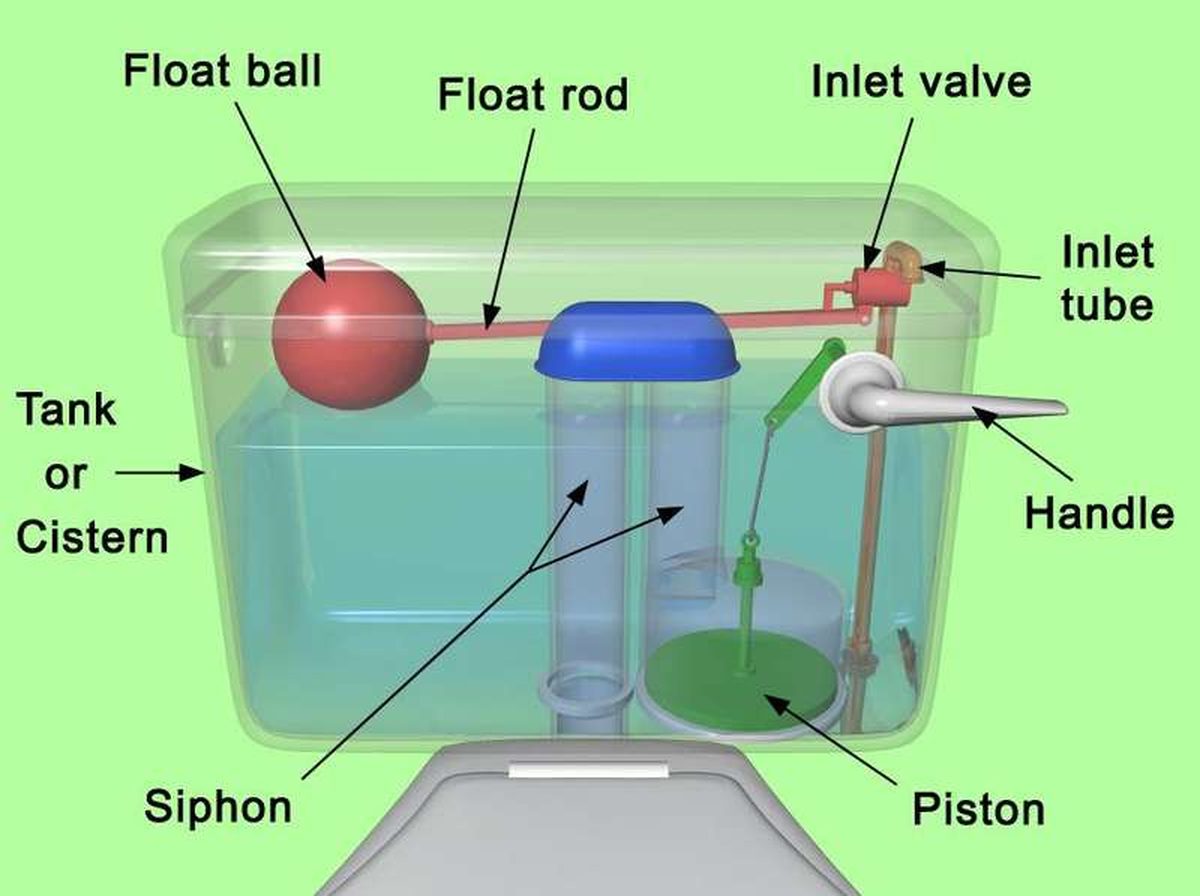
How to fix a running toilet without a plumber in 30 minutes
A running toilet can waste 200 gallons of water a day. Diagnose the flapper, float, or fill valve in two minutes, then fix it yourself
How to hang heavy shelves on drywall safely
Studs first, toggle bolts second, plastic anchors never for heavy loads. Weight ratings, installation steps, and mistakes that bring