
Why radiators gurgle and need bleeding every winter
By Rive News / Research desk | Rive News / Published October 29, 2026 at 9:00 AM PKT
Key takeaways
- Gurgling usually means air trapped inside the radiator is moving through water that should be filling it.
- Trapped air gathers at the top, so a radiator warm at the bottom but cold at the top is the classic sign.
- Bleeding opens a small valve to release that air, letting hot water fill the radiator again.
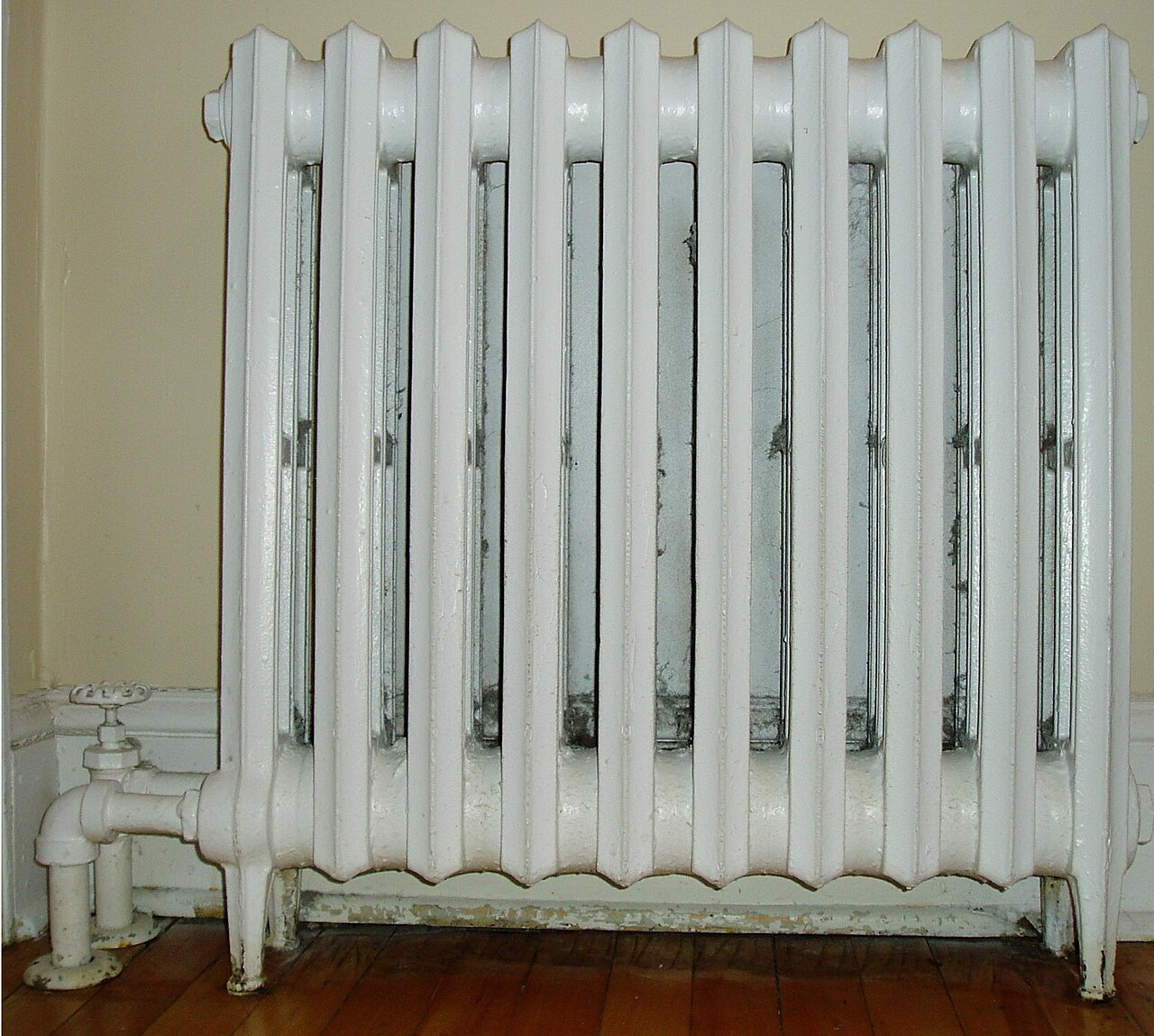
[A household radiator fitted against a room wall. Photograph: household radiator]
Image Credits: Wikimedia Commons
A gurgling radiator is a heating system with air where water should be. Hot water is supposed to fill the whole radiator and pass its heat to the room through the metal panels. When a pocket of air gets trapped inside, water cannot fill that space, and the air bubbles and shifts as water pushes past it.
That trapped air is also why radiators need bleeding. Bleeding means opening a small valve at the top corner of the radiator to let the air hiss out until water follows. This article explains where the air comes from, why it gathers at the top, how bleeding works, and how to tell trapped air from other heating faults.
Where the air comes from
Air enters a central heating system in several ordinary ways. Stelrad, a radiator manufacturer, lists the main routes: hydrogen produced by internal corrosion and sludge, a small leak drawing air in, an open header tank, and the natural expansion and contraction of the metal.
Corrosion deserves a closer look. Inside radiators and pipes, water reacts slowly with metal, and that reaction can release hydrogen gas. Sludge, the dark sediment that builds up in older systems, speeds the process along.
Neither requires a dramatic failure. Both happen gradually, which is why a system that worked fine last winter can gurgle this winter.
Plumbing work also introduces air. Any job that drains pipes or drops system pressure can leave air behind when the system refills. Topping up a sealed system has the same effect.
Air dissolved in fresh fill water can also come out of solution as the water heats and circulates.
Why air gathers at the top
Air is lighter than water, so it rises. Inside a radiator, bubbles work their way up and collect at the highest point, which is the top of the panel. That simple fact explains the most reliable symptom of trapped air.
Checkatrade describes the pattern plainly: a radiator warm at the bottom but cold at the top, gurgling or bubbling noises, slower warm-up, and a room that feels cooler even while the heating runs. Heat and Plumb gives the same diagnostic split. A radiator cold at the top points to trapped air, while a radiator cold at the bottom more often points to sludge or debris blocking flow.
The trapped air also wastes heat. WhatGreenHome, in its guide to bleeding and energy use, reports that an air block can cut a radiator's heat output by up to 30%. Bleeding can restore 5 to 10 degrees Celsius of surface temperature, according to the same guide.
The boiler then runs longer to reach the same room temperature, which raises fuel use. Those figures come from a single energy guide rather than a lab study, so treat them as an indication of scale, not a precise promise.
Why gurgling is the giveaway sound
Gurgling is the sound of air and water sharing a space designed for water alone. As the pump pushes hot water through the radiator, water forces its way around or through the air pocket. Bubbles break free, move, and collapse, and the radiator carries that noise into the room.
Ideal Home quotes Jess Steele, a heating technology expert at BestHeating, on exactly this point. She describes trapped air moving with the water and causing cold spots, and she recommends bleeding home radiators at least once a year ahead of the colder winter months. The annual habit matters because air accumulates gradually rather than arriving all at once.
Clicking is a different sound with a different cause. Ideal Home notes that clicking usually comes from metal expanding as hot water rushes in, then contracting as it cools.
Clicking when the heating first switches on or off is usually normal. Gurgling that persists, especially with a cold top, points to air instead.
How bleeding works
A bleed valve is a small screw fitting at the top corner of the radiator, on the opposite end from the main valves. Turning it slightly opens a narrow passage to the outside air. System pressure does the rest, pushing the trapped air out through the valve.
Checkatrade's guide stresses two preparations. First, switch the central heating off and let the radiators cool, so the pump is not moving water and air around while you work. Second, check the boiler pressure gauge if you have a sealed system, because bleeding can lower system pressure and it helps to know where you started.
The tools are minimal. Checkatrade lists a radiator bleed key, an old towel or cloth, and a small bowl or container to catch water. Some bleed valves also accept a flat-head screwdriver, but the guide advises checking the valve first rather than forcing a tool that does not fit.
Open the valve with a small turn only. Air escapes with a hiss, and you close the valve as soon as water flows steadily rather than sputtering. A small turn gives far more control than a wide opening, especially when the water starts coming through.
Work through the house from the lowest radiators upward if several need bleeding, since air rises and upper-floor radiators tend to need it most, according to iHeat's bleeding guide.
After bleeding: pressure and balance
Bleeding removes air, but it also removes a little water and can drop system pressure. WhatGreenHome puts the recommended pressure for many sealed systems at 1 to 1.5 bar, while Checkatrade cautions that the correct pressure varies between boilers and that manufacturer instructions take priority over any single figure.
If the gauge has fallen below its normal range after bleeding several radiators, top the system up through the filling loop and recheck. A system that keeps losing pressure after bleeding, or radiators that need bleeding more than a few times a year, deserve a closer look. Stelrad advises checking boiler pressure and looking for a leak in that case, since repeated air buildup can mean air is being drawn in through a fault.
Balancing is the next step when bleeding alone does not even things out. Checkatrade notes that if several radiators still heat at very different speeds after bleeding, the system may need balancing, which adjusts flow so each radiator gets its fair share of hot water. Balancing is a slower job than bleeding, and it is the usual answer when one room stays cold while others overheat.
When bleeding will not fix it
Bleeding fixes trapped air, and only trapped air. A radiator cold at the bottom after bleeding probably holds sludge, which is sediment settled in the lower channels. Heat and Plumb lists a power flush or radiator replacement as the usual answer there, which is a professional job rather than a valve turn.
A radiator cold all over points elsewhere. Closed valves, circulation problems, low system pressure, or boiler control faults can all leave a radiator unheated from top to bottom. Bleeding such a radiator may release a little air, but it will not restore heat, and repeated bleeding will only drop system pressure further.
Noises beyond gurgling also deserve separate attention. Banging or knocking can come from pipework expansion, water hammer, or a pump issue rather than air. If a radiator gurgles after bleeding, stays cold, or the boiler pressure keeps falling, a heating engineer can test for leaks, sludge, and pump faults that a bleed key cannot reach.
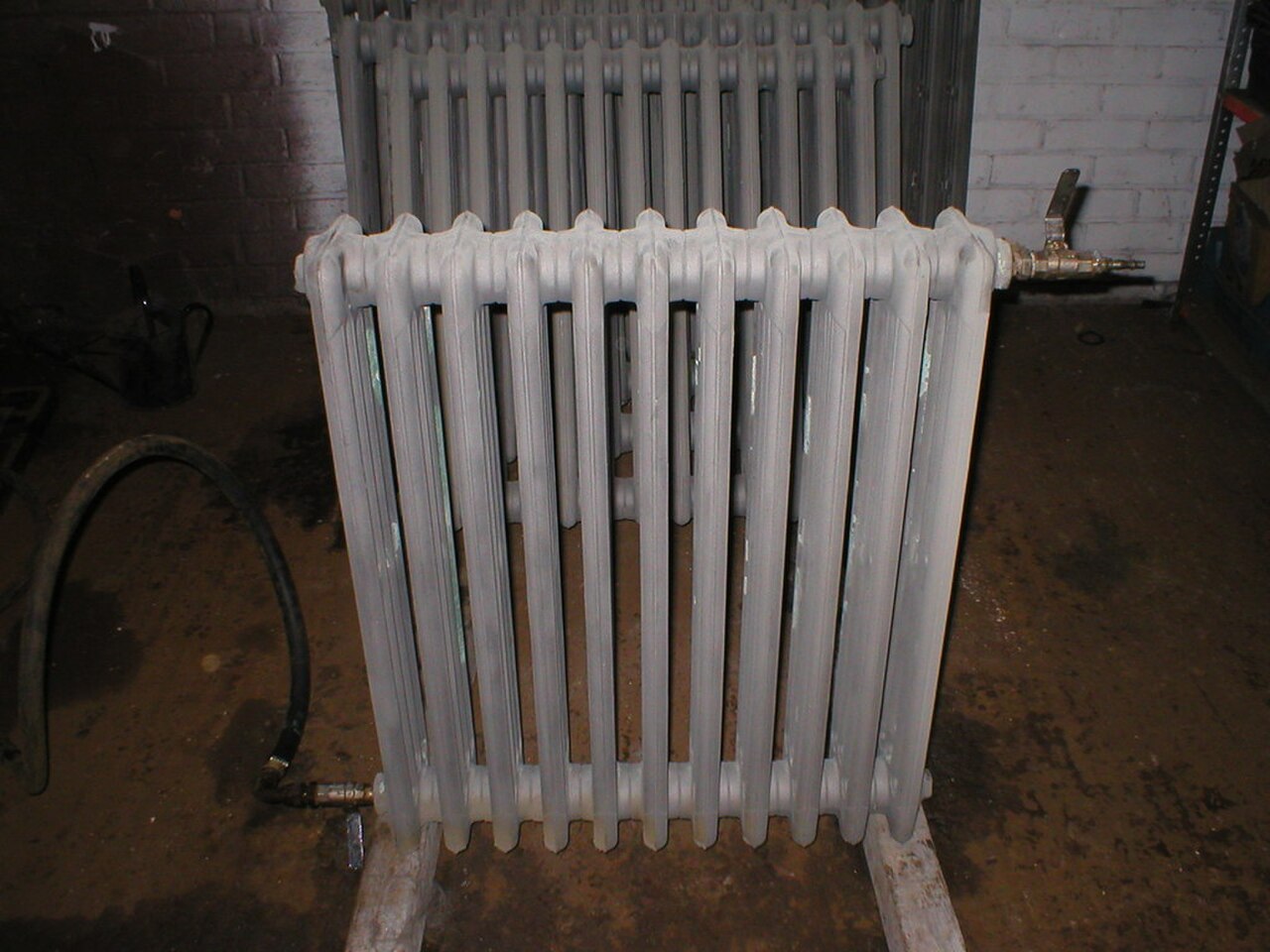
[A cast iron radiator during refurbishment work. Photograph: cast iron radiator]
Image Credits: Wikimedia Commons
Frequently asked questions
How often should radiators be bled?
Once a year before winter is the common recommendation, given by BestHeating's heating expert in Ideal Home's guide. Bleed sooner if a radiator gurgles or turns cold at the top. Needing to bleed more than a few times a year suggests a leak or another fault.
Should the heating be on or off when bleeding?
Off, and cool. Checkatrade advises switching the heating off first so the pump stops moving water and air around the system, and so the water is not hot enough to scald when it reaches the valve.
Why is my radiator still cold at the top after bleeding?
It may need a second bleed, since air can shift as the system refills. If it stays cold at the top, check for a closed valve or a balancing problem. A radiator cold at the bottom instead usually means sludge, not air.
Does bleeding lower boiler pressure?
Yes, slightly, because a little water escapes with the air. Check the gauge after bleeding several radiators and top up through the filling loop if it has fallen below the manufacturer's recommended range.
The bottom line
Radiators gurgle because air gets trapped where hot water should flow, and that air rises to the top, blocks heat, and makes noise as water pushes past it. Bleeding releases the air through a small top valve, and hot water fills the space again.
Make it an annual habit before winter, check boiler pressure afterward, and watch for the signs that mean something else: cold bottoms, repeated air buildup, or pressure that keeps falling. Those point past the bleed valve to sludge, leaks, or balance, and they are the point to call a heating engineer.
Tags: radiators, central heating, bleeding radiators, home heating
The Rive News research desk covers personal finance, home, and everyday science explainers from public sources, with claims checked against the cited pages.
Related
- Why one room is colder than the rest of the house
- What the ideal indoor humidity level is and why it matters
- Why a faucet keeps dripping after you turn it off
- How to stop condensation on windows in winter
Subscribe for one practical explainer a day, drawn from real sources and checked before publication.
Rive News publishes explainers based on public sources. Corrections are noted on the article when a cited fact changes.
Related stories
Why Your Faucet Keeps Dripping After You Turn It Off
A dripping faucet is usually a worn washer, O-ring, or cartridge that can no longer seal. One drip per second wastes over 3,000 gallons
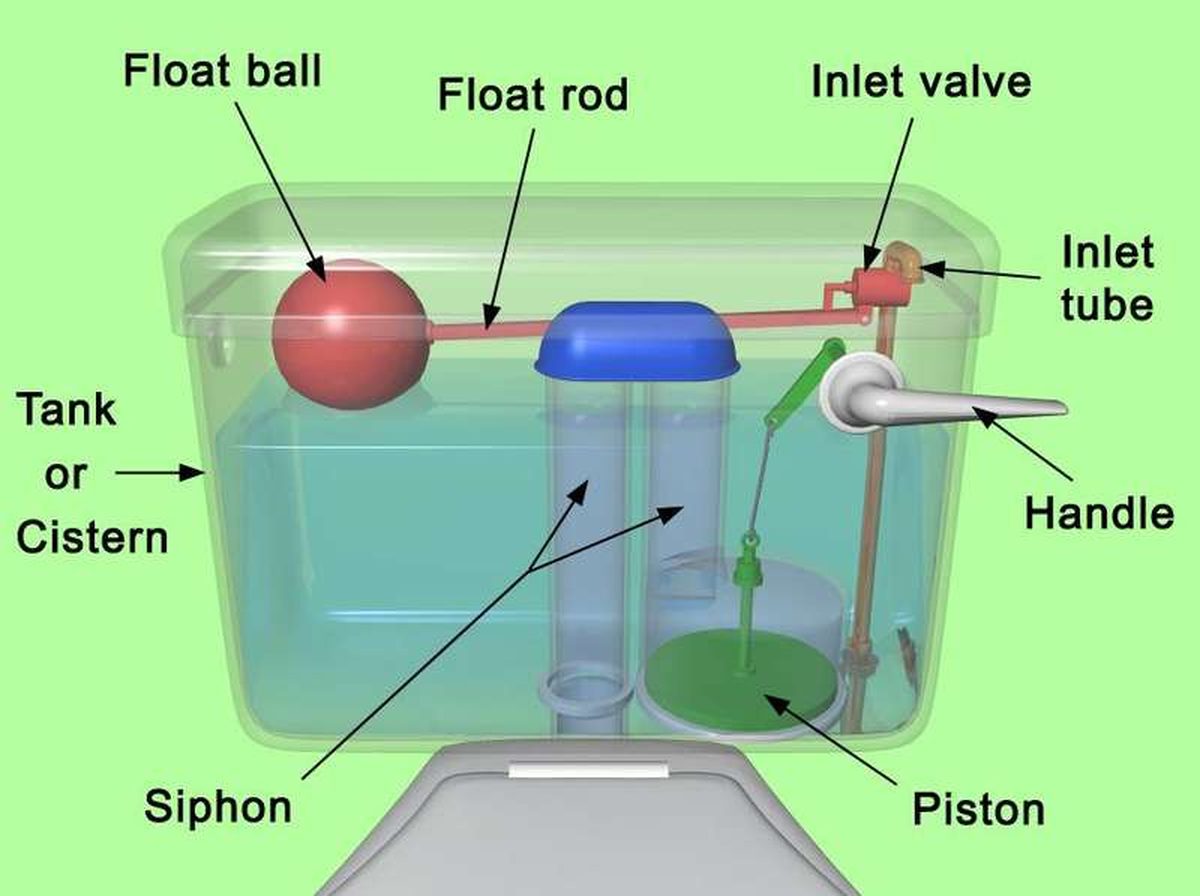
How to fix a running toilet without a plumber in 30 minutes
A running toilet can waste 200 gallons of water a day. Diagnose the flapper, float, or fill valve in two minutes, then fix it yourself
How to hang heavy shelves on drywall safely
Studs first, toggle bolts second, plastic anchors never for heavy loads. Weight ratings, installation steps, and mistakes that bring