
How to Stop Condensation on Windows in Winter
Key takeaways
- Condensation forms when warm, moist indoor air meets cold window glass and cools past its dew point.
- The US Environmental Protection Agency advises keeping indoor relative humidity below 60 percent, ideally between 30 and 50 percent.
- Short daily ventilation, lids on pans, and running exhaust fans cut moisture at the source before it reaches the glass.

Condensation on windows in winter is water that appears when warm, moist air inside a home touches cold glass. The air cools, it can no longer hold the same amount of water vapour, and the extra moisture turns into liquid droplets on the pane. A light mist on a very cold morning can be normal, but water that runs down the glass day after day is a warning sign.
This article explains why condensation forms, what indoor humidity level to aim for, which daily habits cut moisture at the source, how to ventilate without freezing the house, and how to tell a humidity problem from a broken window seal.
Why condensation forms on cold glass
Warm air can hold more water vapour than cold air. When indoor air meets a cold window, the layer of air next to the glass cools fast. Once that air cools to its dew point, the temperature where it becomes fully saturated, water droplets start to form on the colder surface.
Everyday life keeps adding moisture to indoor air. Cooking, showering, drying clothes indoors, and even breathing all release water vapour. Bedrooms often show the worst condensation because people breathe out moisture all night with the door closed and the window shut.
Cold glass is the trigger, not the cause. The real cause is the mix of moist air and a cold surface. That is why two homes on the same street can look so different in winter, even with the same weather outside.
The home with drier air and warmer glass stays clear.
What indoor humidity level to aim for
A hygrometer gives you a number instead of a guess. These small meters cost little, and many indoor thermometers now include one. Put one in the room where condensation appears most, and check it at the same times each day.
The US Environmental Protection Agency advises keeping indoor relative humidity below 60 percent, ideally between 30 and 50 percent, to help prevent mould growth. Cooking and showering can push a room well above that range for a short time. The goal is to bring the level back down after each burst of moisture.
Very cold weather may call for a lower target. One window specialist notes that when outdoor temperatures fall below minus 10 degrees Celsius, older double-pane windows may need indoor humidity near 25 to 30 percent to stay clear. Newer triple-pane windows with warm-edge spacers tolerate higher humidity at the same outdoor temperatures, according to the same source.
Do not chase extremely dry air. Air below 30 percent can feel uncomfortable and dry out skin and wooden furniture. The practical band for most homes is 30 to 50 percent, adjusted down only during hard cold snaps.
Daily habits that cut moisture at the source
Small habits beat big equipment because they stop moisture before it spreads. Put lids on saucepans when you cook, and keep kitchen and bathroom doors closed while steam is building. Run the kitchen extractor fan during cooking and leave it on for a few minutes after you finish.
Run the bathroom fan during showers and for 15 to 20 minutes afterward. This pulls moist air straight outside instead of letting it drift through the house. If your fan has a timer, set it so you do not have to remember.
Avoid drying clothes on radiators. A load of laundry releases a large amount of water into the room as it dries. Dry clothes outside when you can, or use a vented dryer that sends moist air outdoors.
If you must dry clothes indoors, open a window in that room and keep the door closed.
Wipe up standing water on sills each morning. A cloth takes a minute and stops water from soaking into paint, wood, and plaster. Check corners and the bottom edge of the frame, where water collects first.
Ventilation that works without freezing the house
Ventilation sounds wasteful in winter because it lets warm air out. Short bursts work better than leaving a window cracked all day. Open windows wide for 5 to 10 minutes each morning to flush out humid air, then close them and let the heating bring the room back up.
Cross-ventilation clears moisture faster. Open two windows on opposite sides of the home for a few minutes when the layout allows it. The moving air carries damp air out and brings drier outdoor air in.
Cold outdoor air in winter is usually dry, so it lowers indoor humidity even though it feels sharp.
Keep trickle vents open. These small slots in window frames provide a steady trickle of fresh air without a wide-open window. Fife Council lists keeping trickle vents open among its core tips, along with opening windows for 10 to 20 minutes a day and leaving a gap between furniture and outside walls.
Nottingham City Council Housing Services advises opening a window for about 20 minutes after cooking, with the kitchen door closed so condensation does not spread to other rooms. The same advice applies after a bath or shower. A short, focused airing beats an all-day draught.
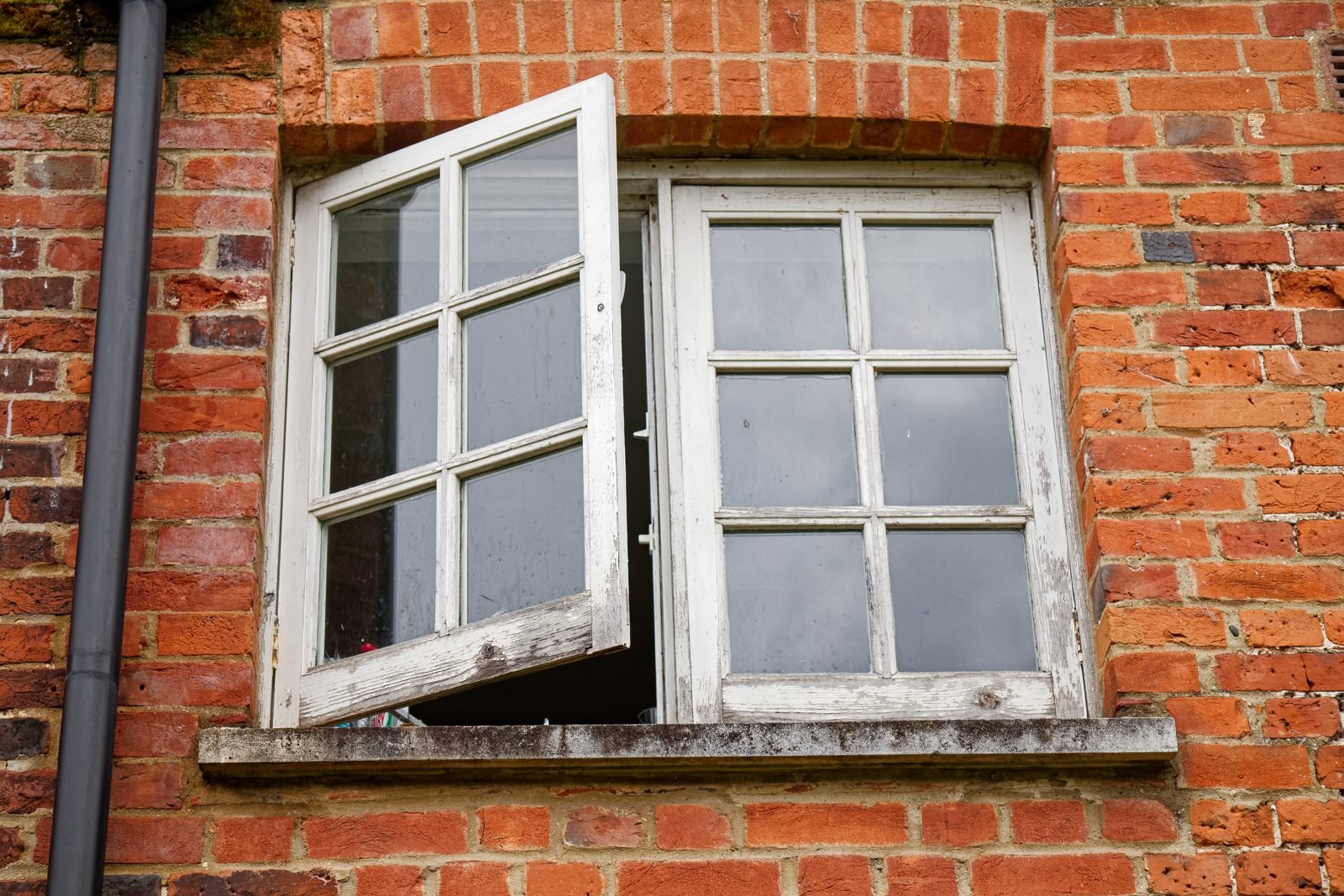
Warm the glass and move the air
Warm glass collects less condensation because the air next to it stays above its dew point. Open curtains and blinds during the day so warm room air can reach the glass. Heavy curtains pulled tight against a cold window trap a pocket of cool, damp air right where droplets form.
Move furniture and large items slightly away from outside walls and windows. A sofa pressed against a cold wall blocks airflow and creates a cold, still pocket. A gap of a few centimetres lets warm air circulate and keeps surfaces a little warmer.
Keep a low, steady background heat through cold spells. Nottingham City Council Housing Services suggests keeping the home at an even temperature, ideally between 18 and 21 degrees Celsius. A home that swings between hot and cold will see condensation each time the glass cools down again.
A portable dehumidifier can help in a room that stays damp despite better habits. Place it near the problem window and empty it as directed. Treat it as a backup, not a fix on its own, because it does not remove the moisture source.
These small adjustments belong with the rest of your winter home routine, much like any other seasonal fix around the house. If a drawer sticks or a fitting loosens while you work through the rooms, a small repair such as learning how to fix a drawer that will not close properly keeps the job list moving.
When condensation means a broken window seal
Condensation on the inside face of the glass is a humidity problem. Condensation trapped between the panes of a double- or triple-glazed window is a different problem. That moisture sits inside the sealed glass unit, and no amount of ventilation will clear it.
A failed seal lets the insulating gas escape and lets moisture in. The glass unit loses insulation value, and the fog between the panes tends to stay. In that case the sealed unit itself usually needs replacement, not the whole frame.
A window specialist can confirm the diagnosis.
Check which side the moisture sits on before you act. Wipe the inside face with a cloth. If the mist clears under the cloth, it is interior condensation.
If the fog stays behind the glass and you cannot touch it, the seal has likely failed.
Old single-pane windows will always run colder than modern glazing. Window film and thermal curtains can raise the surface temperature a little. Full replacement is the lasting fix, but it is a budget decision, and the habits in this article still help in the meantime.
Frequently asked questions
Is a little window condensation normal in winter?
A light mist on very cold mornings can be normal, especially on older windows. Water that runs down the glass daily, soaks sills, or feeds mould is not normal. That pattern means indoor humidity is too high or the glass is far colder than the room air.
What humidity level stops window condensation?
There is no single number for every home, since glass temperature matters as much as humidity. The EPA range of 30 to 50 percent is a sound starting point for most homes. Drop toward the lower end during hard cold snaps, and watch the glass each morning to see how it responds.
Does opening windows in winter really help?
Yes, short bursts help a lot because cold outdoor air in winter is usually dry. Opening windows wide for 5 to 10 minutes flushes out humid air without cooling the walls and furniture much. Fife Council advises opening windows for 10 to 20 minutes a day as part of its condensation guidance.
Why is condensation worse in bedrooms?
People breathe out moisture all night in a closed room, so bedroom air grows damp by morning. Keep the bedroom door open a crack when you can, or air the room first thing in the morning. Wiping the sill takes a minute and stops water from soaking into the frame.
Can condensation cause mould?
Yes. Mould grows where damp surfaces stay damp for a long time. Health guidance in England notes that damp and mould in the home are linked to respiratory problems, allergies, and asthma.
Drying the glass and lowering humidity removes the conditions mould needs.
The bottom line
Condensation is a message about moisture and temperature, not a mystery. Measure humidity, keep it near 30 to 50 percent, vent in short bursts, and cut steam at the source. John Mills, Head of Housing Services at Fife Council, put the stakes plainly: "Condensation and mould can damage health, ruin clothes and furnishings, and cost more to fix if left untreated.
" Act early, and the glass stays clear.
If you are working through a list of winter jobs, choosing the right drill bit for wood, metal, or tile is another small task that pays off fast.
Tags: condensation, windows, winter, humidity
Latest in Home
- Fix a Drawer That Will Not Close Properly
- Choose the Right Drill Bit for Wood, Metal, or Tile
- Remove Old Wallpaper With a Steamer
Subscribe for one practical home guide in your inbox each week.
Related stories

Why Your Faucet Keeps Dripping After You Turn It Off
A dripping faucet is usually a worn washer, O-ring, or cartridge that can no longer seal. One drip per second wastes over 3,000 gallons

How to fix a running toilet without a plumber in 30 minutes
A running toilet can waste 200 gallons of water a day. Diagnose the flapper, float, or fill valve in two minutes, then fix it yourself

How to hang heavy shelves on drywall safely
Studs first, toggle bolts second, plastic anchors never for heavy loads. Weight ratings, installation steps, and mistakes that bring