
How to fix a drawer that will not close properly
Key takeaways
- Empty the drawer first, then look for dirt, loose screws, or bent hardware before changing anything.
- Metal slides usually need cleaning and a dry lubricant, while wooden runners respond to wax and light sanding.
- A drawer that still sticks after those fixes often has a bent slide or a warped box that needs replacing.
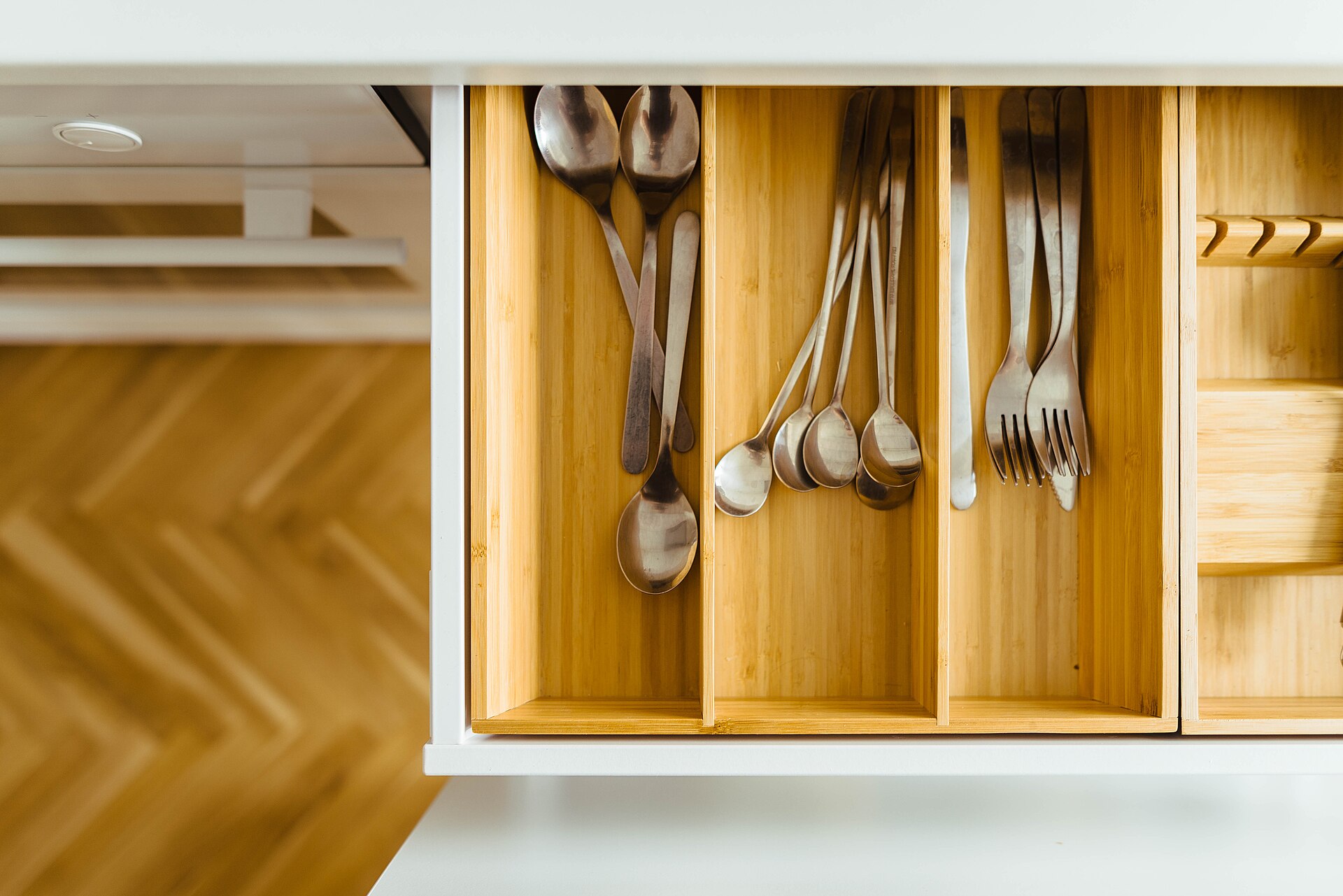
A drawer that will not close properly is one of the most common household annoyances. It sticks halfway, sits proud of the cabinet front, or slides back open on its own. The fix is usually simple, but only if you match the repair to the cause.
A drawer on wooden runners fails for different reasons than a drawer on metal slides.
This article explains how to diagnose a drawer that will not close properly, including the checks to run, the fixes for wooden runners and metal slides, and the point where replacement beats repair.
Start with diagnosis, not tools
Do not force the drawer shut, since forcing it can bend a slide or crack a joint. The first step is always to empty the drawer. Extra weight or a shifting item can mimic a structural problem, and an empty drawer is far easier to inspect.
Pull the drawer out of the cabinet. Most metal slides have a release lever or clip that lets the drawer lift free, and wooden runners simply lift off their tracks. Set the drawer aside on a flat surface.
Now look at the empty cabinet opening. Check for loose screws on the hardware, debris in the tracks, and any part that looks bent or cracked.
Engineer Fix recommends a systematic check: look for the failure in the tracks, in the drawer box, or in the way the two meet. A drawer that binds in the same spot every time usually has a track problem. A drawer that rocks or sits crooked usually has a box problem.
A drawer that closes most of the way and then stops often has something caught behind it, so check the back of the cabinet for a fallen object.
Also look at the drawer box itself. Loose joints make the box go out of square, so it no longer fits the opening. A sagging bottom panel can drag on the cabinet frame.
Press each corner of the box gently. If a joint moves, it needs glue and clamping before anything else will help.
Fixing drawers on metal slides
Metal slides are the most common setup in modern kitchens and flat-pack furniture. They come in two main kinds: roller slides, with small wheels, and ball-bearing slides, with tiny steel balls in a track. Both fail in similar ways.
Dirt is the first suspect. Dust, hair, crumbs and kitchen grease build up in the tracks and act like a brake. Engineer Fix notes that this grime can stop a drawer before it reaches its final closed position, and the stored tension can then push it back open.
Clean the tracks with a stiff brush or a damp cloth, and wipe away any grit you can see.
Next, check the screws. The repeated stress of opening and closing loosens the screws that hold the slide to the cabinet and to the drawer. Tighten every screw on both sides.
If a screw spins without gripping, the hole is stripped. Pull the screw out, push in a few wooden matchsticks dipped in wood glue, let it cure, and then drive the screw back in.
Lubrication comes after cleaning. For metal slides, a dry lubricant such as silicone spray or powdered graphite works best. Wet oils and greases attract dust and make the problem worse over time, according to Engineer Fix.
Spray a thin coat along the track, work the slide back and forth a few times, and wipe off the excess.
Finally, check the alignment. The slides on both sides must sit parallel and level, front to back. A small spirit level tells you quickly if one side tilts.
A slide that is skewed will bind as it closes, because the drawer rides unevenly and the load shifts to one side. Loosen the mounting screws, nudge the slide straight, and tighten again.
If a slide is visibly bent, straightening it with pliers sometimes works, but a bent ball-bearing slide with missing or displaced balls usually needs replacing. When you buy a replacement, match the slide length and the weight rating to the original. A slide that is too short or too light will fail again.
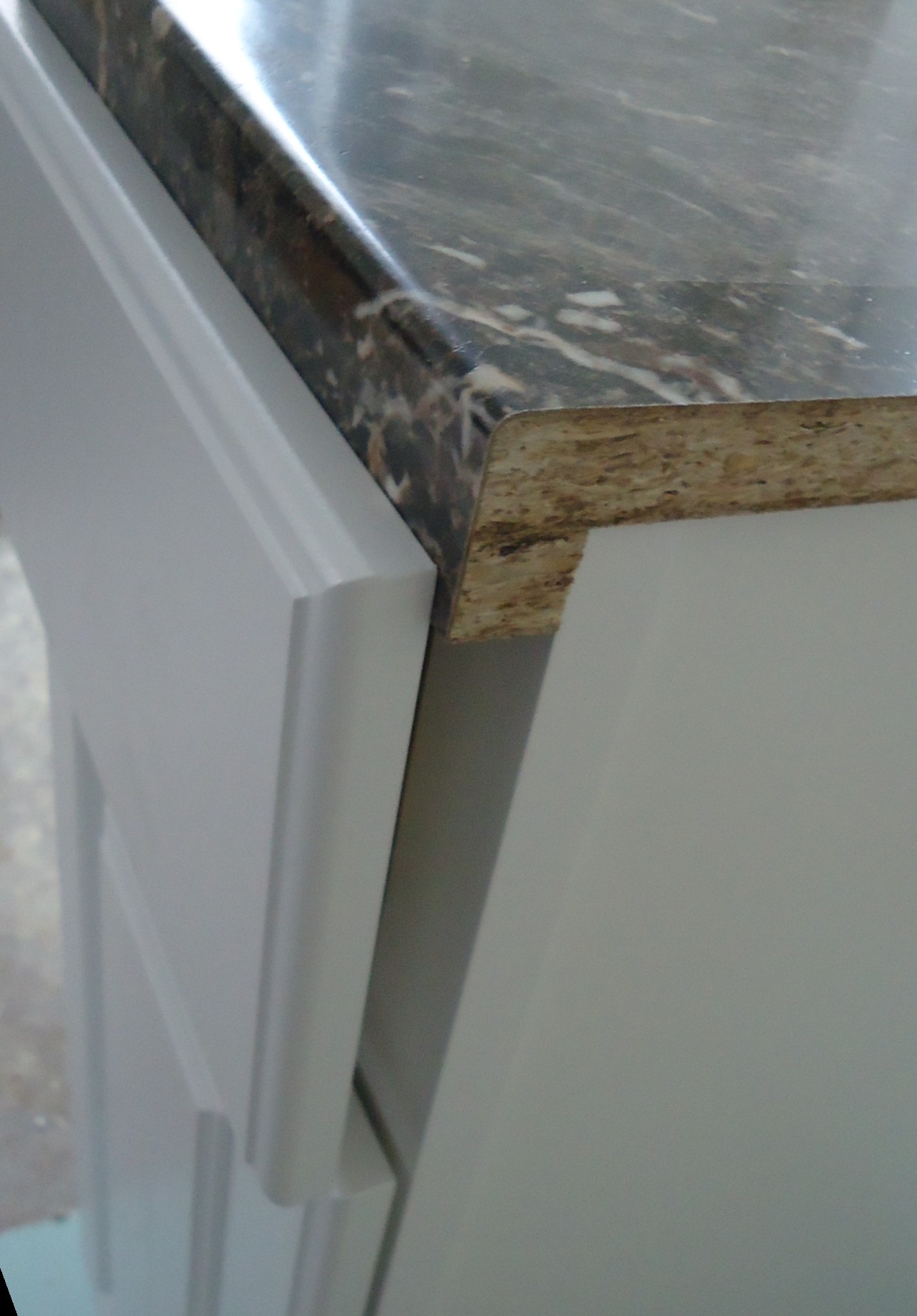
Fixing drawers on wooden runners
Older furniture often uses wooden runners instead of metal slides. The drawer simply glides on wood, with no rollers or bearings. These systems last for decades, but they wear, swell and dry out.
Start with cleaning. Wipe the runners on the drawer and inside the cabinet, and pick out any grit. Then check for swelling.
Wood swells in humid weather, and a runner that has swollen by a millimetre or two can bind hard. Look for shiny rub marks on the wood. Those marks show exactly where the drawer catches.
Light sanding fixes most tight spots. Use medium-grit sandpaper, around 120 to 150 grit, on the rub marks only. Sand a little, test the fit, and repeat.
Taking off too much wood leaves the drawer loose, so work in small steps. A hand plane gives more control if a larger area needs trimming.
Wax is the classic fix for wooden runners, and it still works. Rub paraffin wax, a candle, or a bar of soap along the contact surfaces on both the drawer and the cabinet. Engineer Fix explains that the wax lets the wood fibres glide against the lubricant instead of catching, which removes the stuttering motion that makes a drawer stick.
Reapply the wax once a year or whenever the drawer starts to drag.
Worn runners are a different problem. If the runner has a deep groove worn into it, the drawer drops and tilts as it closes. This Old House suggests replacing worn wooden runners with new hardwood pieces, cut to size, sanded smooth, and fixed with wood glue and screws.
Hardwood lasts far longer than softwood in this job.
Fixing a drawer box that has gone out of square
Sometimes the tracks are fine and the box is the problem. A drawer box that has racked out of square will jam in its opening no matter how clean the runners are. Loose joints are the usual cause, and the fix is glue and clamps.
Take the drawer apart at the loose joint if you can, and scrape out old, brittle glue. Apply wood glue to the mating surfaces, push the joint together, and clamp it square. Engineer Fix advises letting the glue cure for the full period the manufacturer recommends, usually 12 to 24 hours, before you use the drawer again.
A glued joint, properly clamped, ends up stronger than the surrounding wood.
A sagging bottom panel also stops drawers closing. The bottom drops, catches the frame, and the drawer wedges. Fix it by driving small brads or finishing nails through the side panels into the bottom panel, or by adding thin wooden strips beneath the bottom around the inside edge.
Both methods hold the bottom flat so it clears the frame.
When to replace the hardware
Some drawers are past a simple fix. Replace the hardware when a slide is cracked, a roller is missing, or a ball-bearing race has lost its balls. Replace wooden runners when they are split or worn into a deep groove.
In both cases, take the old part to the shop or measure it carefully, because slides and runners come in many lengths.
Upgrading from wooden runners to metal slides is a bigger job, but it gives a smoother result and built-in stops. This Old House describes the process: remove the old runners, measure and mark the slide positions, fit the cabinet member first, then the drawer member, and test the slide before loading the drawer. Metal slides also carry heavier loads, which suits kitchen drawers full of pots.
If the cabinet itself is warped or the drawer front is cracked, call a professional. The same applies to valuable antique furniture, where the wrong repair can cut the value. A cabinet maker or furniture restorer can fix structural damage without changing the character of the piece.
Keeping drawers working
A few habits keep drawers closing properly for years. Do not overload them past their weight rating, because weight bends slides and wears runners.
Keep the tracks clean, and deal with a sticking drawer early, before the extra force damages the hardware.
A yearly check takes minutes. Tighten the screws, wipe the tracks, and refresh the wax on wooden runners or the dry lubricant on metal slides.
For a wobbly table, see how to level a wobbly table with shims, and for wall work, how to remove old wallpaper with a steamer.
Frequently asked questions
Why does my drawer close halfway and then stop?
The usual cause is dirt in the tracks, a loose screw shifting the slide, or an object caught behind the drawer. Empty the drawer, pull it out, clean the tracks, and check for anything blocking the back of the cabinet.
Should I use WD-40 on drawer slides?
A wet lubricant attracts dust and can make the problem worse over time. For metal slides, a silicone spray or powdered graphite works better. For wooden runners, use paraffin wax or a bar of soap.
Can a warped drawer be fixed?
A mildly warped drawer box can be pulled back into square by re-gluing its joints and clamping it. A badly warped or cracked drawer front usually needs a replacement part or a professional repair.
How do I stop a drawer from sliding back open?
A drawer that rolls open on its own usually sits on a slide that tilts forward, or it has lost its closing detent. Level the slides, tighten the screws, and check that the slide's catch engages when the drawer is fully closed.
The bottom line
A drawer that will not close properly usually has a plain cause: dirt, loose screws, a bent slide, or a worn runner. Diagnose first, then match the fix to the hardware. Clean and lubricate metal slides, wax and sand wooden runners, and re-glue a box that has gone out of square.
The whole job usually takes under an hour, and the drawer should glide shut and stay shut.
Tags: drawer repair, DIY, home repairs, cabinet hardware
Latest in Home
- How to level a wobbly table with shims
- How to remove old wallpaper with a steamer
- How to clean grout tiles without harsh chemicals
- How to store paint so it stays usable for years
Subscribe to the Rive News newsletter for one practical explainer in your inbox each week.
Related stories

Why Your Faucet Keeps Dripping After You Turn It Off
A dripping faucet is usually a worn washer, O-ring, or cartridge that can no longer seal. One drip per second wastes over 3,000 gallons

How to fix a running toilet without a plumber in 30 minutes
A running toilet can waste 200 gallons of water a day. Diagnose the flapper, float, or fill valve in two minutes, then fix it yourself

How to hang heavy shelves on drywall safely
Studs first, toggle bolts second, plastic anchors never for heavy loads. Weight ratings, installation steps, and mistakes that bring