
What is the ideal indoor humidity level, and why does it matter?
Key takeaways
- The EPA recommends keeping indoor relative humidity below 60%, and ideally between 30 and 50%.
- Air drier than 30% cracks wood, builds static, and irritates skin and airways. Air damper than 60% feeds mold and dust mites.
- A small hygrometer, sold for $10 to $50 at hardware stores, tells you exactly where your home stands.
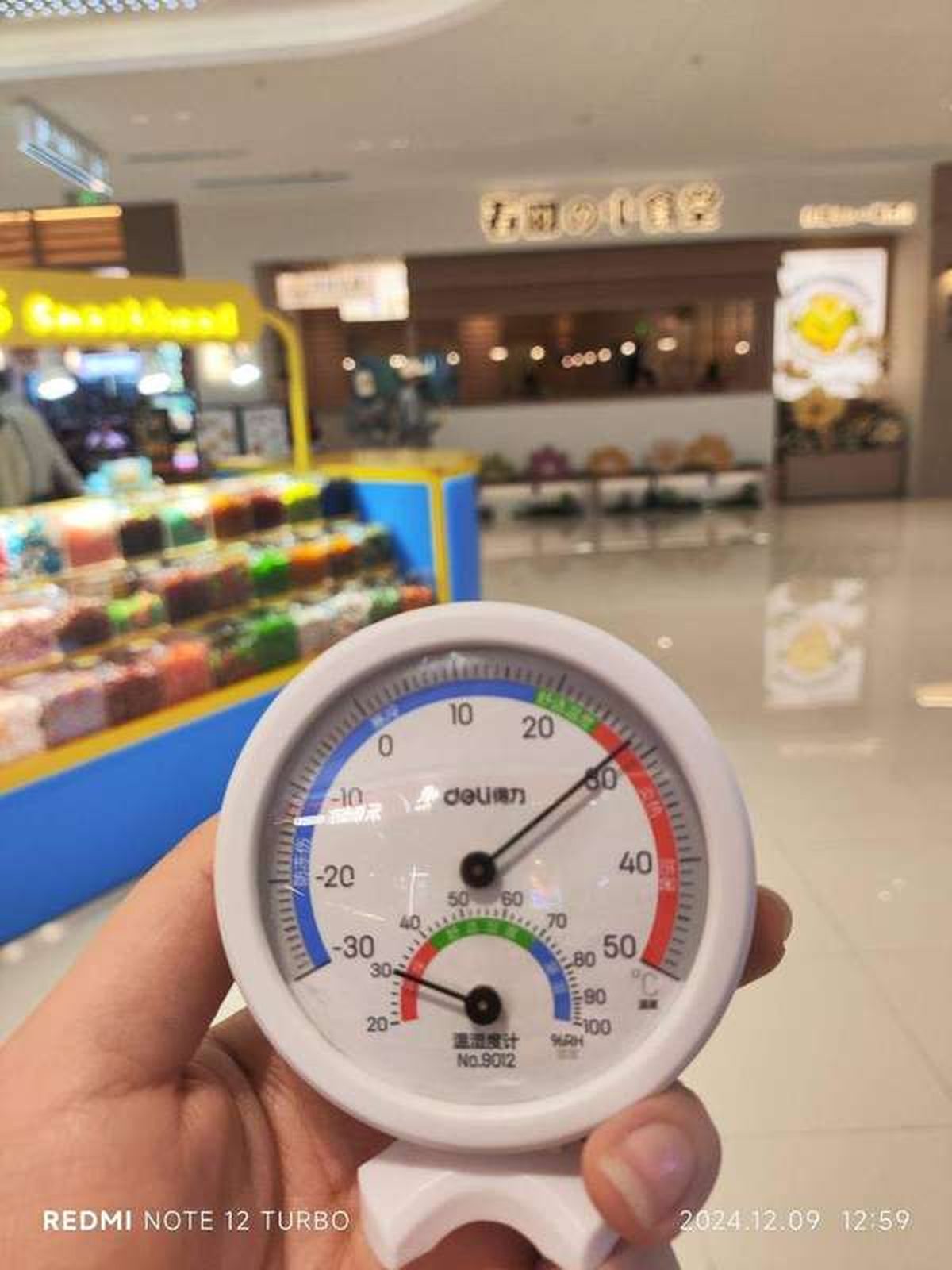
Image Credits: Wikimedia Commons
Indoor humidity is simply how much water vapor your home's air holds. It is expressed as relative humidity: the percentage of the maximum moisture the air could hold at its current temperature.
The U.S. Environmental Protection Agency recommends keeping indoor relative humidity below 60 percent, and ideally between 30 and 50 percent, per its guide on mold and moisture in the home.
That band is not arbitrary. It is where three things line up at once: your body feels comfortable, your house stays intact, and the organisms you don't want stay quiet.
This article explains the ideal indoor humidity level: what relative humidity means, why the 30 to 50 percent range protects your health and your home, and how to measure and adjust it.
What is relative humidity, exactly?
Relative humidity, or RH, compares the moisture actually in the air with the most the air could hold at that temperature. At 50% RH, the air holds half its possible moisture.
Warm air can hold more moisture than cold air. That is why 50% RH in a warm living room contains far more water than 50% RH in a cold basement. It is also why condensation beads on cold window glass when warm indoor air touches it.
This temperature link explains a winter puzzle. Cold outdoor air holds little moisture, so when it comes inside and warms up, its relative humidity plummets. That is why heated homes dry out in winter even when it is damp outside.
Why 30 to 50 percent is the sweet spot
The EPA's guidance draws two lines. Below 60% keeps mold risk low. Between 30 and 50% is the ideal zone where everything else behaves too, per the agency's mold and moisture guide.
Inside that band, mold growth stalls because there isn't enough sustained moisture on surfaces. Dust mite activity stays suppressed.
Wood, which swells and shrinks with moisture, stays dimensionally stable. And human airways, which evolved for moderately humid air, stay comfortable.
Think of 60% as the ceiling and 30 to 50% as the target. The EPA phrases it exactly that way: keep humidity below 60 percent, ideally between 30 and 50 percent, if possible.
What happens when indoor air gets too dry
Drop below 30% and the problems flip from biological to physical. Wood gives up moisture and shrinks, which cracks floorboards, gaps furniture joints, and wreaks havoc on musical instruments.
Static electricity builds because dry air can't conduct charge away, so every doorknob becomes a small shock. Skin dries and itches. Nasal passages dry out, which makes throats scratchy and can make respiratory irritation worse, per building-science summaries of the EPA's guidance.
Winter is the usual culprit. Heating cold outdoor air drives its relative humidity down sharply, so heated homes can feel desert-dry in January even when it is damp outside.
What happens when indoor air gets too damp
Climb past 60% and the biology wakes up. Mold can germinate on organic surfaces like drywall, wood, and fabric when damp conditions persist. The EPA notes that wet materials dried within 24 to 48 hours of getting wet usually won't grow mold at all. Past that window, the odds turn.
Dust mites join in even earlier. Low humidity discourages dust mites, the EPA's mold course notes, while mite activity becomes significant once humidity pushes past about 50%, per building-science guidance. For anyone managing allergies or asthma, that 50% line matters as much as the mold line.
Condensation is the visible warning. When moisture collects on windows, walls, or pipes, the EPA advises acting quickly: dry the surface and cut the moisture source, because condensation signals humidity running too high.
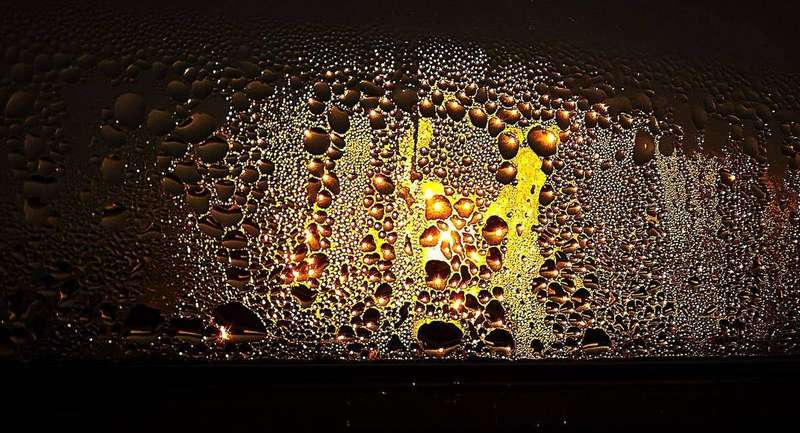
Image Credits: Wikimedia Commons
How to measure and adjust humidity at home
Start with a hygrometer. The EPA notes these small meters cost $10 to $50 and are available at most hardware stores. Place one in the living area and one in the basement or wherever feels dampest, since one room doesn't speak for the house.
To lower humidity, run exhaust fans when cooking and showering, fix leaks promptly, and consider a dehumidifier in persistently damp spaces. Air conditioning also dehumidifies as it cools, which is why summer indoor air often lands in the ideal band on its own.
To raise humidity, a portable humidifier does the job, but keep it clean. A dirty humidifier can grow mold and mist it into the room, trading one problem for another. In cold climates, the EPA's mold course suggests targeting the lower end of the range, 30 to 40%, to prevent condensation on cold exterior surfaces.
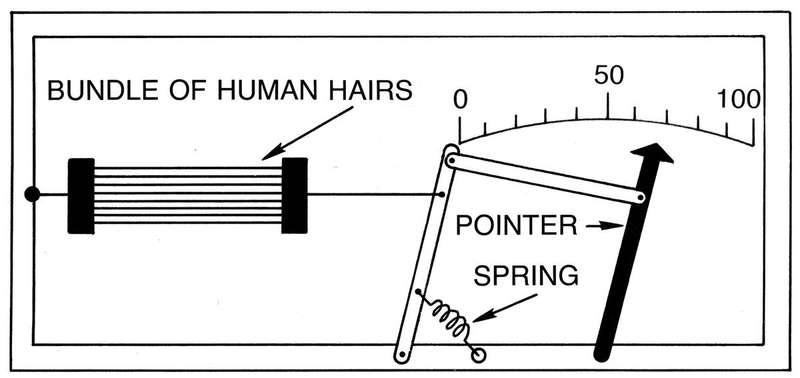
Image Credits: Wikimedia Commons
FAQ
How do I know if my home is too humid?
Condensation on windows is the classic sign, and the EPA flags it directly. Musty smells, a clammy feeling in the air, or visible mold spots confirm the diagnosis. A hygrometer reading above 60% makes it official.
Is 60% humidity acceptable indoors?
It is the ceiling, not the target. The EPA says to keep indoor humidity below 60%, ideally between 30 and 50%. Sitting right at 60% leaves no margin for a damp day or a long shower.
Does humidity really affect dust mites?
Yes. The EPA's mold course notes that low humidity discourages dust mites along with pests like cockroaches. Mite activity ramps up once humidity climbs past about 50%, which is one reason the ideal band tops out where it does.
Should I run a humidifier in winter?
If your hygrometer reads below 30%, a humidifier will make the house more comfortable and protect woodwork. Keep the unit clean, and don't overshoot: in cold climates, aim for 30 to 40% to avoid condensation on cold windows and walls.
The bottom line
Thirty to fifty percent: that is the EPA's recommended band for indoor humidity. Below it, dry air punishes wood, skin, and airways. Above it, moisture feeds mold and dust mites.
A $10 to $50 hygrometer tells you exactly where your home stands, and small fixes like exhaust fans, leak repairs, or a humidifier bring it back into line.
Rive News is the research desk behind the Rive News publication, covering the science behind everyday home decisions.
Related stories
- What is the difference between APR and effective annual rate?
- Why do we say the sun rises when the Earth is the one moving?
- How to pack a backpack for 2 weeks in one bag
- Can you revive stale bread, and how does the trick work?
Subscribe to the Rive News newsletter for one practical explainer in your inbox every morning.
Related stories

Why Your Faucet Keeps Dripping After You Turn It Off
A dripping faucet is usually a worn washer, O-ring, or cartridge that can no longer seal. One drip per second wastes over 3,000 gallons

How to fix a running toilet without a plumber in 30 minutes
A running toilet can waste 200 gallons of water a day. Diagnose the flapper, float, or fill valve in two minutes, then fix it yourself

How to hang heavy shelves on drywall safely
Studs first, toggle bolts second, plastic anchors never for heavy loads. Weight ratings, installation steps, and mistakes that bring