
Can you revive stale bread, and how does the trick work?
Key takeaways
- Yes, stale bread can be revived: water plus heat reverses the starch crystallization (hardening) that causes staling.
- Staling is mostly chemistry, not drying; bread goes stale even when sealed so it can't lose moisture.
- The fix is temporary, so revive only what you'll eat within an hour or two.
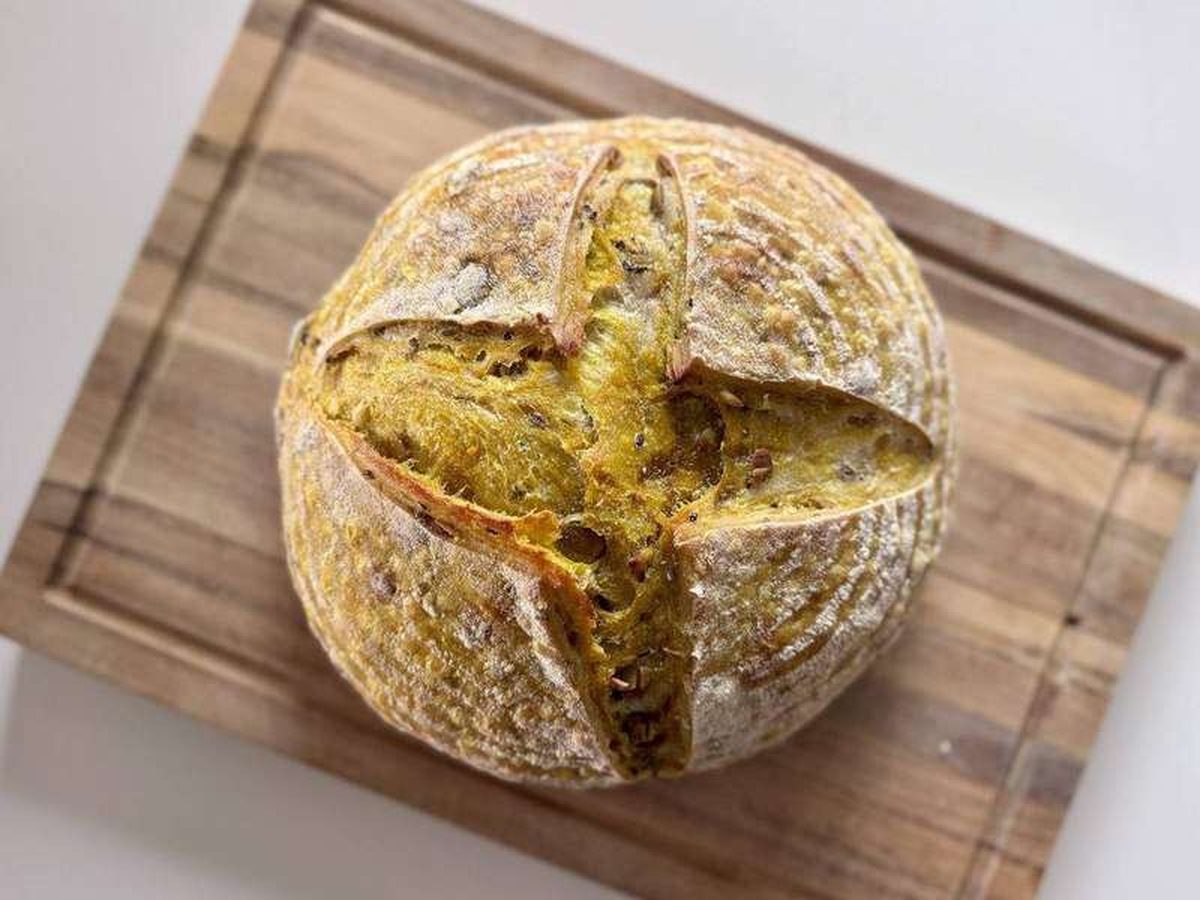
Image Credits: Wikimedia Commons
Stale bread feels like a lost cause. The crust turns leathery, the crumb goes firm and crumbly, and the whole loaf seems destined for the bin.
But most of the time it isn't dead. It is just starch doing chemistry.
Here is the short answer: yes, you can revive stale bread, up to a point. Heat reverses the process that made it go stale in the first place, as long as the loaf hasn't dried out fully or grown mold. A splash of water and a hot oven are all it takes.
This article explains whether stale bread can be revived, including what staling really is, how heat reverses it, the step-by-step method, and when a loaf is past saving.
What staling actually is (it's not just drying out)
The key discovery is nearly two centuries old. In the 19th century, the French chemist Jean-Baptiste Boussingault showed that stale bread can be refreshed by putting it in the oven, and that bread still goes stale when sealed airtight so it cannot lose any moisture, according to New Scientist.
If staling were just drying out, a sealed loaf would stay fresh. It doesn't.
The real mechanism is starch retrogradation (the re-hardening of starch molecules). Flour starch comes as two kinds of sugar molecules, amylose and amylopectin, locked in a rigid crystal-like structure.
Baking heats them past about 65°C (150°F), and they absorb water and form a soft gel. That gel is fresh bread.
In the hours and days after baking, the process runs in reverse. Water slowly moves back out of the starch granules, and they recrystallize, making the crumb firmer, as New Scientist explains.
The starch literally re-hardens into its old crystal shape, squeezing water out as it goes. Tasting Table describes the same chemistry: above 150°F the starches turn into soft gel, and cooling lets the re-hardening set in.
Moisture does eventually evaporate too, which makes old bread harder to save. But the recrystallization is the main event, and it is the part you can undo.
How heat reverses the process
Reheating replays the original bake in miniature. Heat breaks down the re-hardened starch and lets it reabsorb the moisture still trapped inside the loaf, repeating the softening that made the bread fresh on day one, as Tasting Table puts it.
Water is the other half of the trick. Running the loaf under the tap or splashing it adds moisture back to the crust and crumb, and in the oven that water becomes steam, rehydrating the starches and softening the texture, according to The Takeout's food-science explainer. The crust steams first, then dries into a renewed crunch in the oven's heat.
This also explains a common storage mistake. Bread goes stale fastest just above freezing temperature, so the refrigerator is the worst place to keep it unless you plan to toast it, per New Scientist. Room temperature for a day or two, or the freezer for longer storage, both beat the fridge.
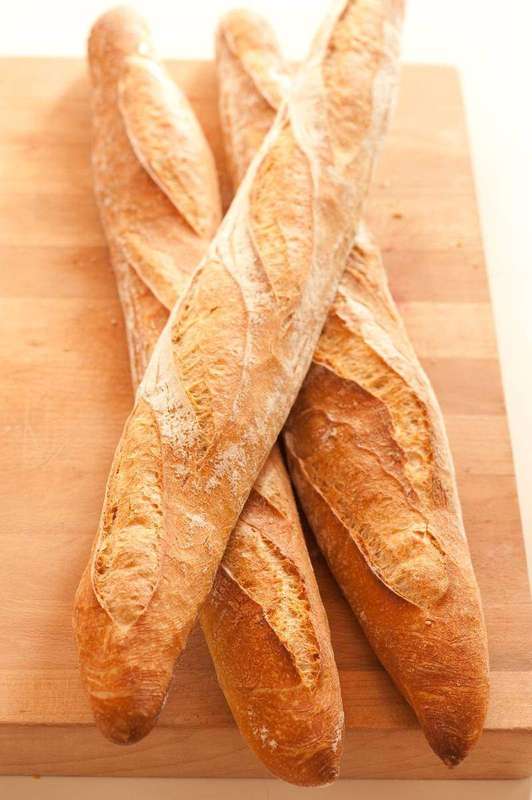
Image Credits: Wikimedia Commons
The step-by-step revival method
The classic method, as described by the Daily Express, is almost absurdly simple:
- Heat your oven to 180°C (350°F), leaving a metal baking tray inside to warm up for five to ten minutes. 2. While it heats, run the stale loaf quickly under the cold tap. Splash, don't soak; a very stale loaf can take a little more water.
- Set the dampened bread on the hot tray and leave it for about five minutes. Larger loaves may need a few minutes more. 4. Take it out once the crust has crisped again and the water has steamed off.
The steam released in the process often leaves the crust even crisper than when the loaf was first baked, according to the Express. Have the butter ready.
In a hurry, the microwave works for a slice or two. Wrap the bread in damp paper towels and heat in 10-second bursts. The crumb softens, though the crust won't recrisp the way oven heat manages, and you should eat it immediately, per The Takeout.
One warning applies to every method: the fix is temporary. Revived bread left out for hours goes back to its stale state, so only revive what you'll eat right away, as the Express notes.
When a loaf is past saving
There is a point of no return, and it's about safety, not texture. If the bread is slimy, fuzzy, or smells off, mold or bacteria have moved in, and no amount of oven time makes it safe. That loaf goes in the bin, as The Takeout advises.
Texture has its own limit. If the loaf is rock-hard and bone-dry, the moisture has fully evaporated, and heat has nothing left to work with.
But even then, the bread isn't wasted. Stale bread makes excellent croutons, breadcrumbs, and the Tuscan classics: ribollita, a bread soup, and panzanella, a salad built on soaked bread, both noted by New Scientist as traditional uses for stale loaves.
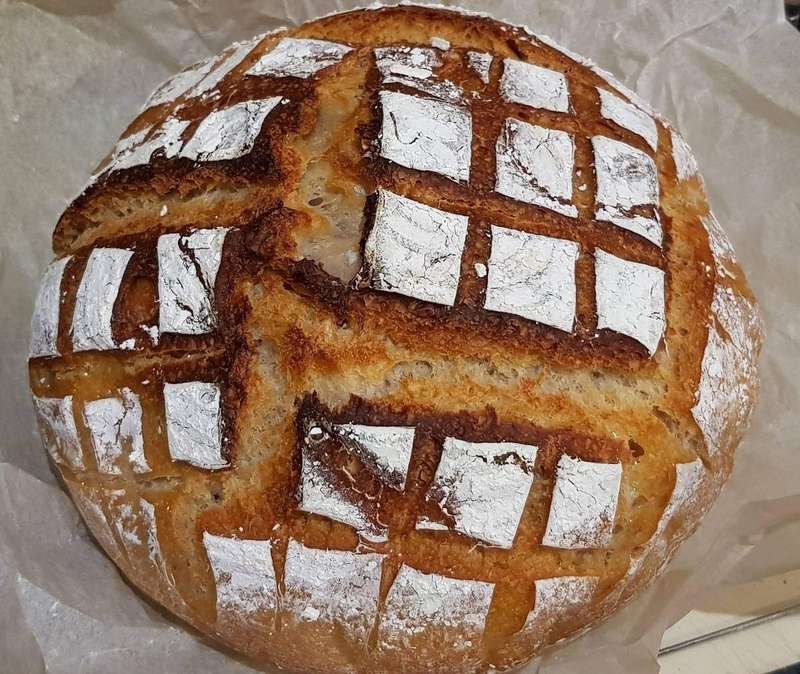
Image Credits: Wikimedia Commons
FAQ
Why does bread go stale faster in the fridge?
Starch re-hardens fastest just above freezing, so refrigeration speeds up staling rather than preventing it, according to New Scientist. Keep bread at room temperature for short storage, or freeze it for longer keeping.
Can you revive moldy bread?
No. Mold means the loaf is unsafe to eat, and the heat trick only fixes texture, not contamination. Slimy, fuzzy, or off-smelling bread belongs in the trash.
Does this work for sliced sandwich bread?
Yes for the crumb, using a toaster or the oven method. Commercial loaves often contain emulsifiers (additives that keep things mixed) that slow staling anyway, probably by blocking water movement out of the starch, per New Scientist, so they respond well.
How long does revived bread stay soft?
Not long. The reversal is temporary, and the loaf firms up again within a few hours at room temperature. Revive only the portion you'll eat soon.
The bottom line
Stale bread isn't mostly dry; it's recrystallized (re-hardened at the molecular level). Water plus heat melts those starch crystals back into a soft gel, buying you one more good meal from a loaf you'd have thrown away. But the clock restarts the moment it cools, so revive only what you'll eat, and freeze the rest before it gets the chance to stale.
Rive News is the research desk behind the Rive News publication, covering the science behind everyday kitchen questions.
Related stories
- What is the difference between APR and effective annual rate?
- What is the ideal indoor humidity level, and why does it matter?
- Why do we say the sun rises when the Earth is the one moving?
- How to pack a backpack for 2 weeks in one bag
Subscribe to the Rive News newsletter for one practical explainer in your inbox every morning.
Related stories

Why Does Bread Go Stale Faster in the Refrigerator?
Bread goes stale faster in the fridge because starch recrystallizes fastest near 4°C. Here is the retrogradation science and the right way

Baking soda and baking powder: what's the difference?
Baking soda is pure sodium bicarbonate; baking powder adds two dry acids for double-acting lift. Learn when to use each, plus exact

What Is the Maillard Reaction in Simple Terms?
The Maillard reaction is the browning chemistry between amino acids and sugars above 140 C that creates the crust, color, and rich flavor