
'Power outage near me' searches spike as US outages hit homes
Web StoryWatch this story in 15 seconds →Key takeaways
- US Google searches for "power outage near me" jumped in the last 24 hours.
- Separate local events drove the spike, including an outage in Rochester, New York.
- If your lights go out, check your breaker first. Then report the outage to your utility.
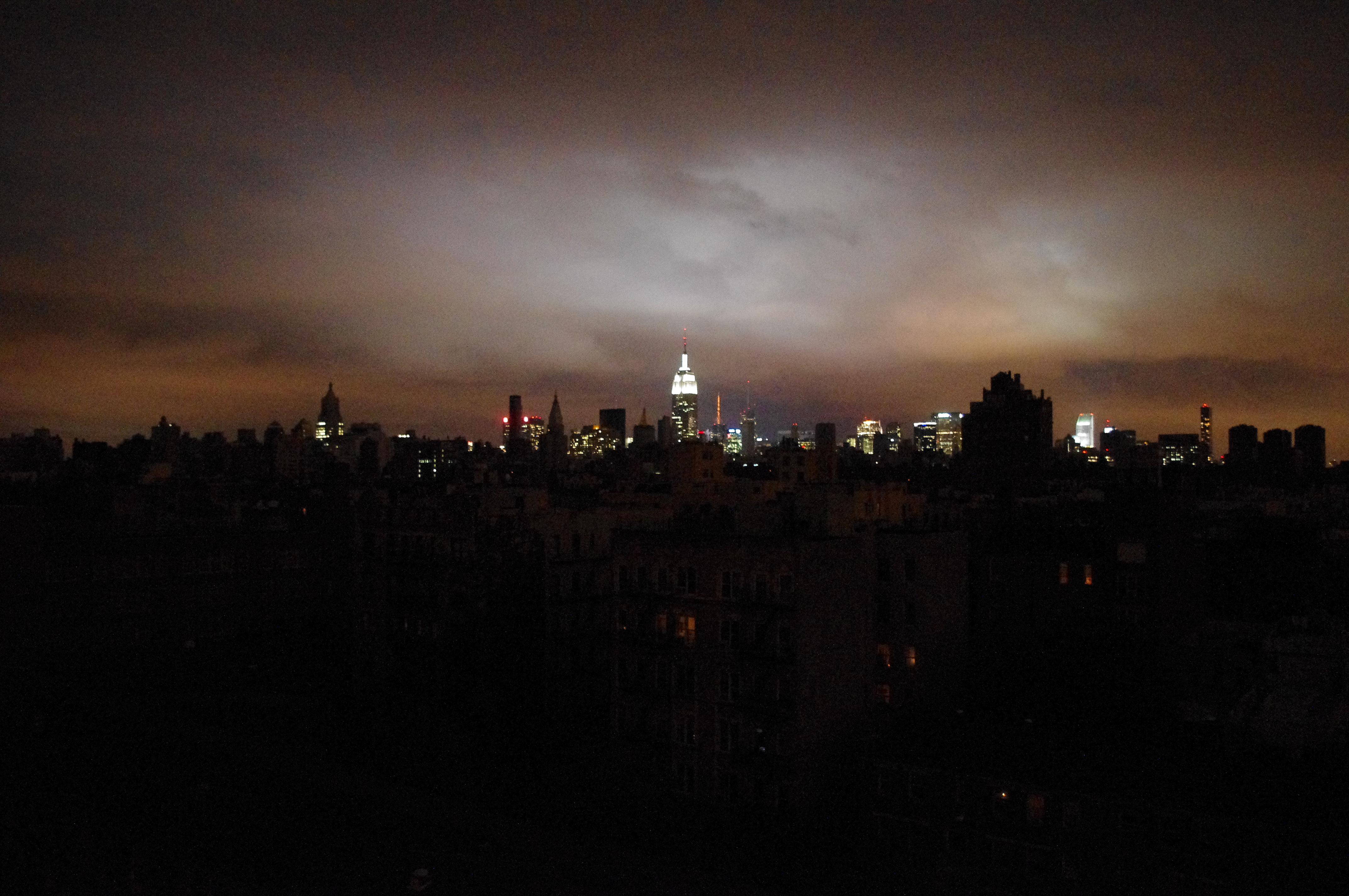
Americans are searching for "power outage near me" in rising numbers today. The jump appeared on Google Trends in the last 24 hours. The spike lines up with several separate local outages across the country.
There is no single national blackout. The searches come from different places, each with its own cause. Two of the events behind the surge sit in New York and Arizona.
What happened
In Rochester, New York, more than 400 homes or businesses lost power. The outage hit the northeast side of the city early on Wednesday morning. An underground cable caused the problem, according to RG&E, the local utility.
Crews restored power to most customers later the same day. News10NBC reported the details.
A second Rochester outage hit the Upper Falls area on Wednesday. A car crash caused that one. News10NBC reported it separately.
Both events happened in the same city on the same day. That alone can push a city-sized wave of searches.
In Arizona, the cause was weather. A likely tornado touched down near Heber and Overgaard on Wednesday night. The storm snapped trees and knocked down power lines.
Most of the area lost power. Power was back for most residents by early Thursday morning, ABC15 reported.
These are local events, not a grid emergency. But thousands of people searched the same phrase at once. That is what made the query trend.
Why it matters
"Power outage near me" is what people type when the lights go out. It is one of the most common outage searches in the US. A spike like this tells a simple story.
Many small outages are happening at the same time.
Outages have a clear pattern of causes. Storms bring down lines. Cars hit poles.
Underground cables fail with age. Heat waves push demand past what the grid can give.
If you are searching the phrase right now, you likely want one of three things. You want to know if your outage is known. You want to know when power will return.
Or you want to know what to do while you wait. This article covers the third one, with steps from the US government's emergency site, Ready.gov.
What to do first when the power goes out
Do these things in order. They take five minutes and they keep you safe.
First, check your breaker box. A single tripped breaker can darken part of a house. If only your home is dark, the problem is likely inside.
Flip the tripped breaker fully off, then back on. If it trips again right away, stop and call an electrician. A breaker that keeps tripping is a warning sign.
Our guide explains what a circuit breaker that keeps tripping after a reset means.
Second, report the outage to your utility. Do not assume they know. Most utilities have an outage map and a phone line.
Report once, then check the map for a restoration time.
Third, protect your food and your gear. Keep the fridge and freezer doors closed. A closed fridge keeps food cold for about four hours.
A full freezer holds its temperature for about 48 hours. Throw out food that reaches 40 degrees or higher. When in doubt, throw it out.
That line comes straight from Ready.gov.
Fourth, unplug electronics and appliances. Power can return with a surge. A surge can fry a computer or a TV.
Leave one lamp switched on so you can see when power returns.
Fifth, stay warm or cool the safe way. Never heat your home with a gas stove or oven. It can fill the house with carbon monoxide, which has no smell and can kill.
Never burn charcoal indoors. Ready.gov says to check with local officials about heating and cooling spots near you.
Generator rules that save lives
A generator can be a lifesaver in a long outage. It can also be a killer if you use it wrong. Carbon monoxide poisoning is the main danger.
Follow these rules from Ready.gov.
Run the generator only outdoors. Keep it at least 20 feet from windows, doors, and garages. Never run one in a garage, even with the door open.
The gas can still seep inside.
Install carbon monoxide detectors with battery backup on every level of your home. Keep the generator dry and away from rain. Let it cool before you refuel it.
Fuel on hot engine parts can catch fire. Always use heavy-duty extension cords to connect appliances.
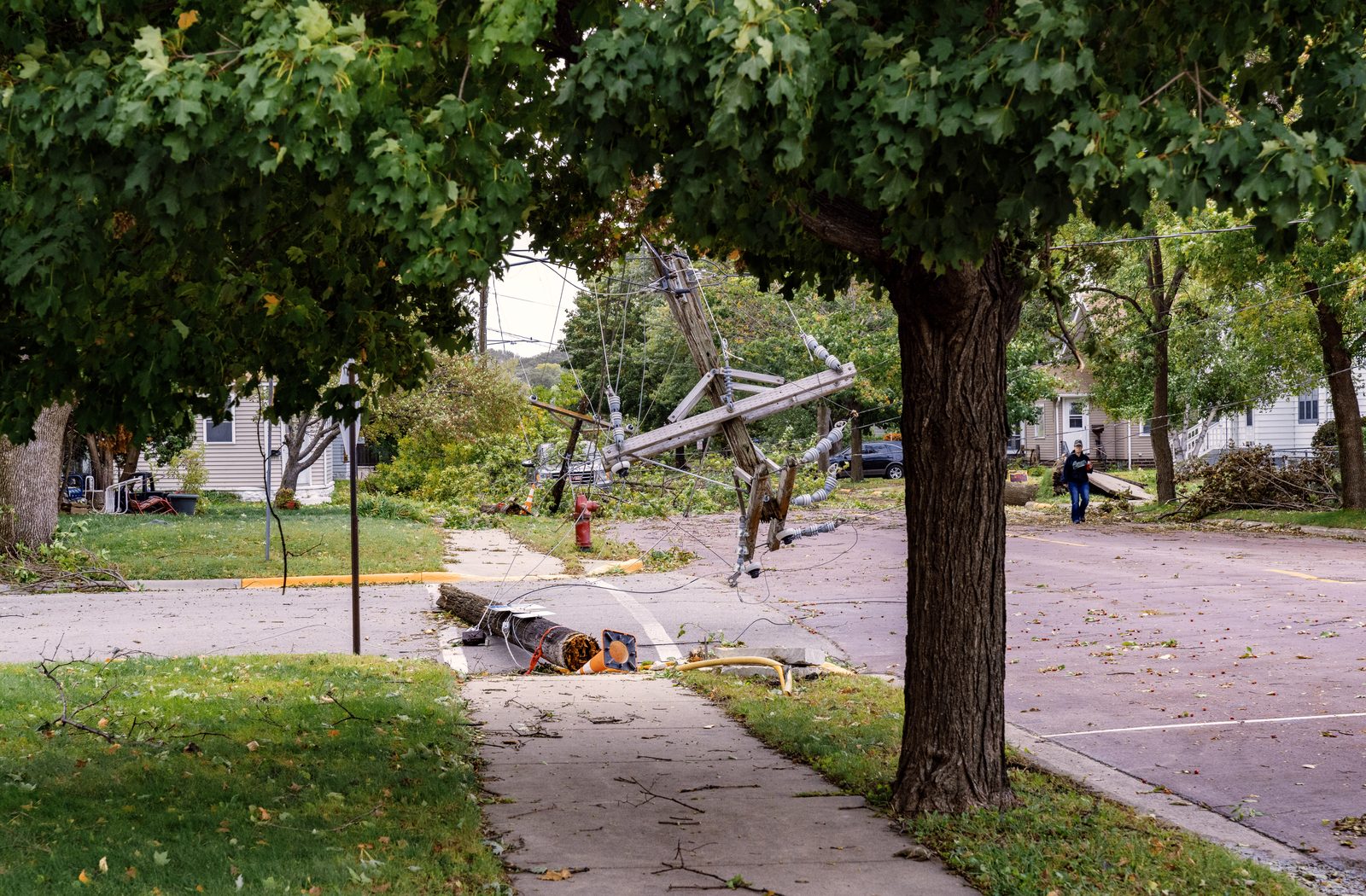
If a line falls in your street, stay far away. Treat every downed line as live. Call your utility or 911. Never touch it, and never touch anything touching it.
After the power comes back
When the lights return, wait a few minutes. Then plug things back in one at a time. This avoids a second surge hitting everything at once.
Check your food again. Throw away anything that sat at 40 degrees or higher for two hours or more. Look for odd smells, colors, or textures.
If the power was out for more than a day, throw out refrigerated medicine. This applies unless the label says otherwise. Call your doctor or pharmacist for a new supply.
Ready.gov gives this guidance for all outages.
Check your neighbors, too. Older people and families with medical devices feel outages first. A quick knock costs nothing.
Storms are the most common cause of wide outages. Wind snaps branches onto lines, as our guide to power outages caused by wind explains. Crews then work street by street.
Restoration times on utility maps are estimates, not promises.
What happens next
The Rochester outages are largely restored. The Arizona storm damage is being cleared. Utility crews will keep working through any remaining pockets without power.
Searches for "power outage near me" will likely fall as power returns. The query will spike again with the next storm. That is the rhythm of this search.
It follows weather and local grid failures, not national events.
If you want to be ready for the next one, keep a small kit. Flashlights, extra batteries, a phone charger, and a battery radio cover the basics. A thermometer in the fridge tells you the truth about your food.
Five minutes of prep beats an hour of worry in the dark.
Related stories
Why Your Faucet Keeps Dripping After You Turn It Off
A dripping faucet is usually a worn washer, O-ring, or cartridge that can no longer seal. One drip per second wastes over 3,000 gallons
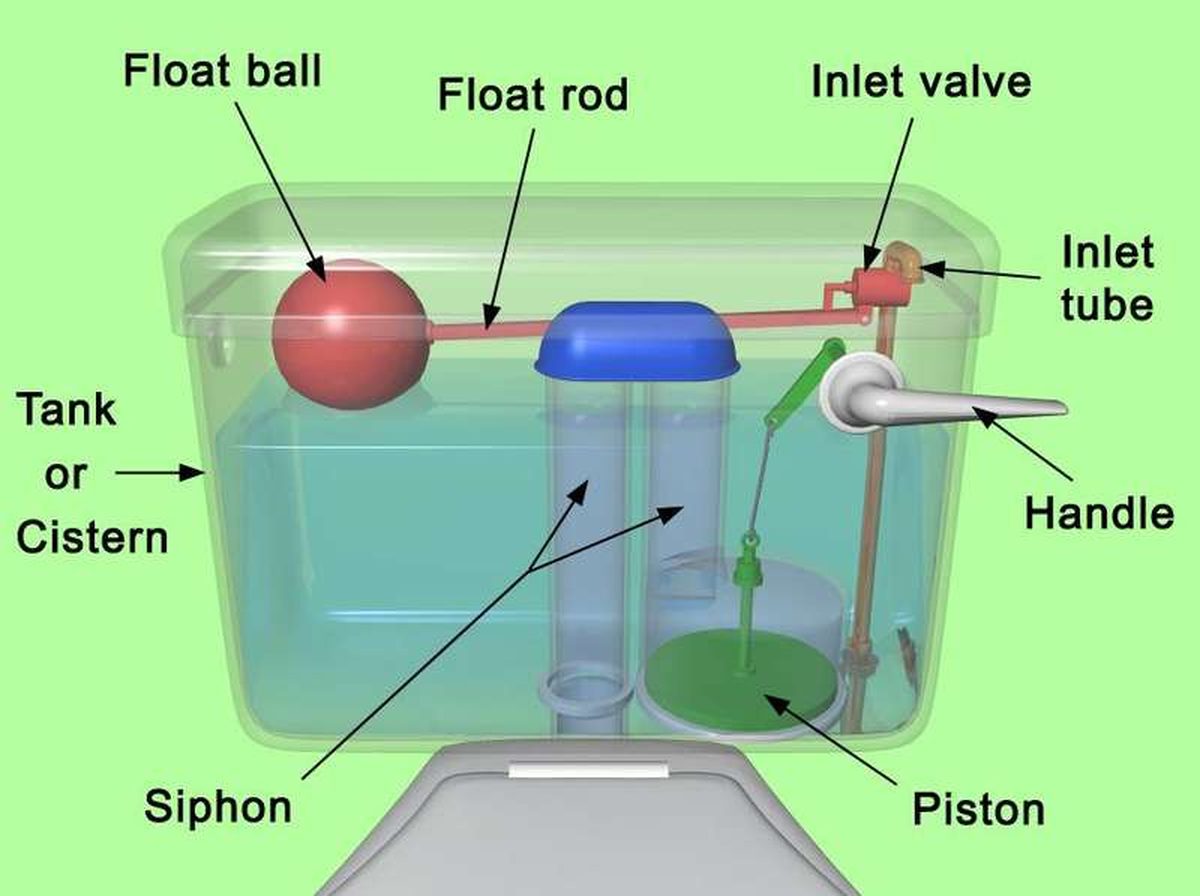
How to fix a running toilet without a plumber in 30 minutes
A running toilet can waste 200 gallons of water a day. Diagnose the flapper, float, or fill valve in two minutes, then fix it yourself

How to hang heavy shelves on drywall safely
Studs first, toggle bolts second, plastic anchors never for heavy loads. Weight ratings, installation steps, and mistakes that bring