
Why Does Your Circuit Breaker Keep Tripping After You Reset It?
By Rive News
Research desk | Rive News
Key takeaways
- A breaker that trips again is working as designed: it cuts power before a circuit gets hot enough to start a fire.
- Trips that happen the instant you reset almost always mean a short circuit or ground fault. Leave it off and call a licensed electrician.
- Trips that take minutes usually mean an overloaded circuit. A 15-amp circuit tops out near 1,800 watts, and one space heater can use 1,500 of them.
A circuit breaker has one job: kill the power before a wire gets hot enough to start a fire. So a breaker that keeps tripping after a reset is not broken. It is doing exactly what it was installed to do. The repeated trips are a message, not a malfunction.
The message has only four likely meanings. Every repeat trip traces back to an overload, a short circuit, a ground fault, or a breaker that has worn out. Which one you have is mostly a question of timing.
This article explains what a tripped breaker is telling you, the four reasons a breaker trips again, how to tell which one you have, and what to do about each cause.
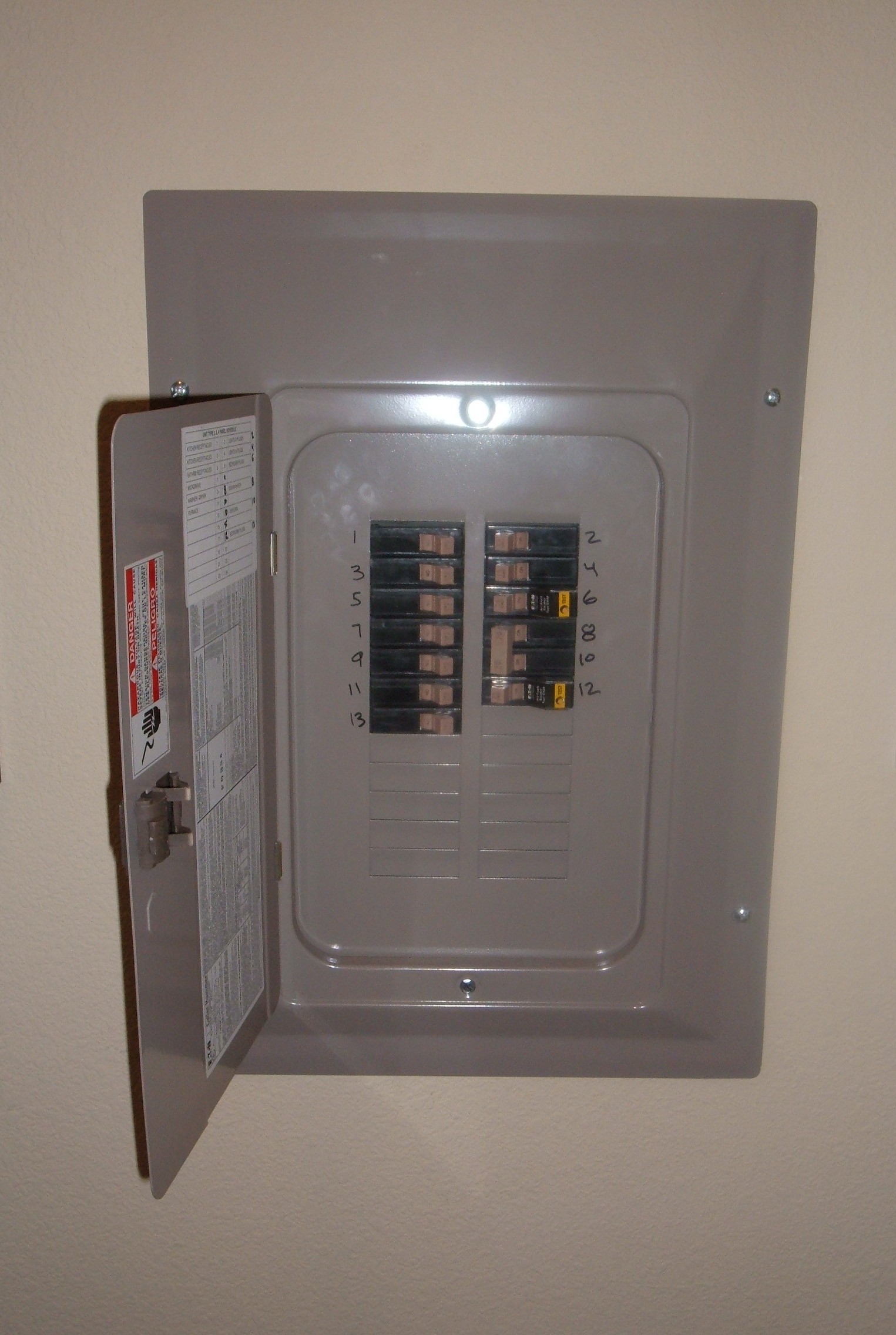
What a tripped breaker is telling you
Inside the breaker, a thermal-magnetic mechanism watches the current. A slow, steady overload heats a bimetallic strip (a strip of two metals) until it bends and trips the switch. A sudden massive surge creates a magnetic field that snaps the breaker open in milliseconds, according to Engineer Fix's explainer on thermal-magnetic protection.
That is why resetting the breaker cannot fix the problem. The reset restores the switch, but the condition that heated the strip or spiked the current is still there. Clements Electric puts it bluntly: the danger is not the tripping, it is what happens if someone keeps resetting without finding out why.
Breakers also wear out. After years of tripping, heat, and vibration, the internal mechanism can start tripping below its rated current. That is why an old breaker can look like a wiring fault when it is really just tired.
The four reasons a breaker trips again
Overload
The most common cause. Too many devices draw more current than the circuit's rating, and the breaker trips to protect the wire. Space heaters, hair dryers, microwaves, air fryers, and window air conditioners are the usual suspects, Brandon Electric notes.
The numbers explain it. At 120 volts, a 15-amp circuit tops out at about 1,800 watts and a 20-amp circuit at about 2,400 watts. Long-running loads should stay well under those ceilings. A typical portable space heater on high draws about 1,500 watts by itself, Clements Electric reports. Run it with a hair dryer on the same circuit and the breaker has no choice.
Short circuit
A short circuit happens when a hot wire touches neutral (or another hot wire), skipping the load entirely. (Hot and neutral are the two main wires in a circuit.) Current spikes instantly. The breaker's magnetic mechanism snaps it open in milliseconds, according to Engineer Fix.
The signature is unmistakable: the breaker trips the instant you reset it, before anything is even turned on. You may hear a pop, see a flash at an outlet, or smell burning insulation. Damaged appliance cords, a nail through a cable, or a failed heating element are common sources.
Ground fault
A ground fault means current is leaking to the ground wire instead of returning through the circuit. Moisture is the usual accomplice. That is why ground faults cluster in kitchens, bathrooms, garages, and outdoor outlets, where GFCI protection (special shock-proof outlets) is required.
Like a short circuit, a ground fault can trip the breaker instantly on reset. Unlike one, the trail often leads through water: a wet outlet, a damp appliance, or a fridge in a humid garage. A refrigerator that runs constantly in such conditions deserves a check of its cord and outlet too.
Worn or faulty breaker
Breakers do not last forever. AE Contractors lists the signs of a failing breaker: it trips at a fraction of its rating, feels loose in the panel, runs warm, or will not reset with everything unplugged.
AFCI breakers add a wrinkle. (AFCI means arc-fault circuit interrupter, a breaker that detects dangerous sparking.) Newer bedrooms and living rooms often use arc-fault breakers that trip when they detect arcing. They can react to loose plugs, worn cords, aging connections, or certain vacuum and treadmill motors, Brandon Electric explains.
How to tell which one you have
The time between reset and trip is the best diagnostic clue you have. Match it:
- Trips instantly, before anything turns on. Short circuit or ground fault. Leave the breaker off and call a licensed electrician. Do not force it back on.
- Trips after several minutes, usually when an appliance starts. Overload. Note which appliance was running when it tripped.
- Trips only in wet conditions or at wet-area outlets. Ground fault. Unplug everything on the circuit, dry the area, and see whether a GFCI outlet will hold.
- Trips randomly with little or no load, or the breaker feels warm. Worn breaker or panel problem. Schedule an inspection.
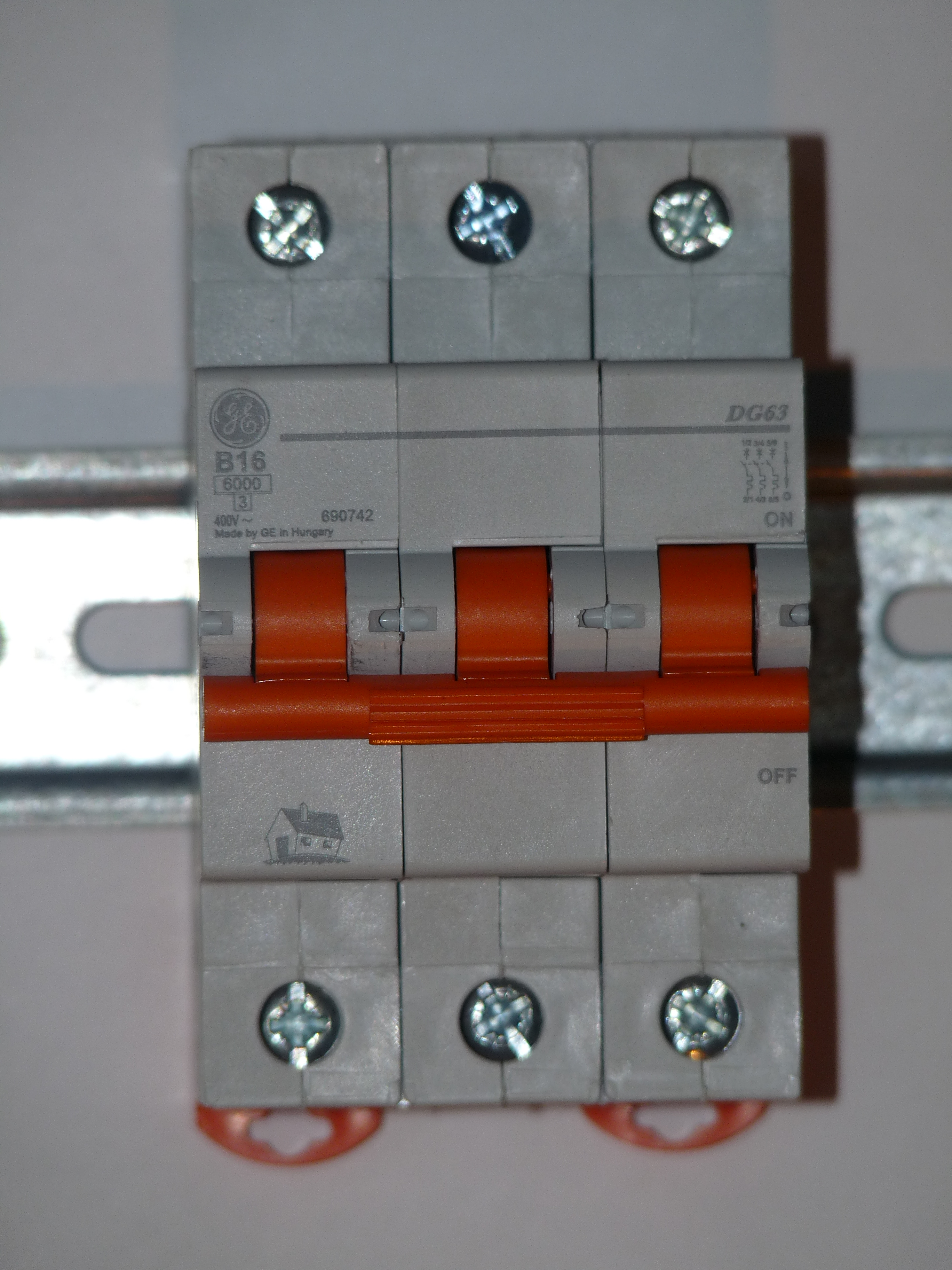
One more test settles the overload question. Unplug everything on the circuit, reset the breaker, and plug items back one at a time. If the breaker holds until the heavy appliance goes on, you have found your overload. If it trips with nothing plugged in at all, the problem is in the wiring or the breaker. That is electrician territory.
What to do about each cause
For an overload, redistribute the load. Move the heaviest appliance to a circuit in a different part of the house. If the tripping stops, the diagnosis is confirmed. The permanent fix is a dedicated circuit for the heavy appliance, not a bigger breaker: upsizing a breaker without upsizing the wire lets the wire overheat. That is exactly the fire the breaker exists to prevent.
For a short circuit or ground fault, stop resetting. Leave the breaker in the off position until a licensed electrician has traced the fault. Liberty Home Guard warns that forcing a breaker back on against a short circuit can damage wiring and create fire risk.
For a ground fault at a GFCI outlet, unplug the appliances, let the area dry fully, and try the reset button on the outlet. If it still will not hold, the fault may be inside the wall wiring or the appliance itself.
For a worn breaker, replacement is the fix. But it must be a breaker matched to the panel and the wire gauge (wire thickness). Breaker replacement involves the panel's live bus bars and belongs to a professional.
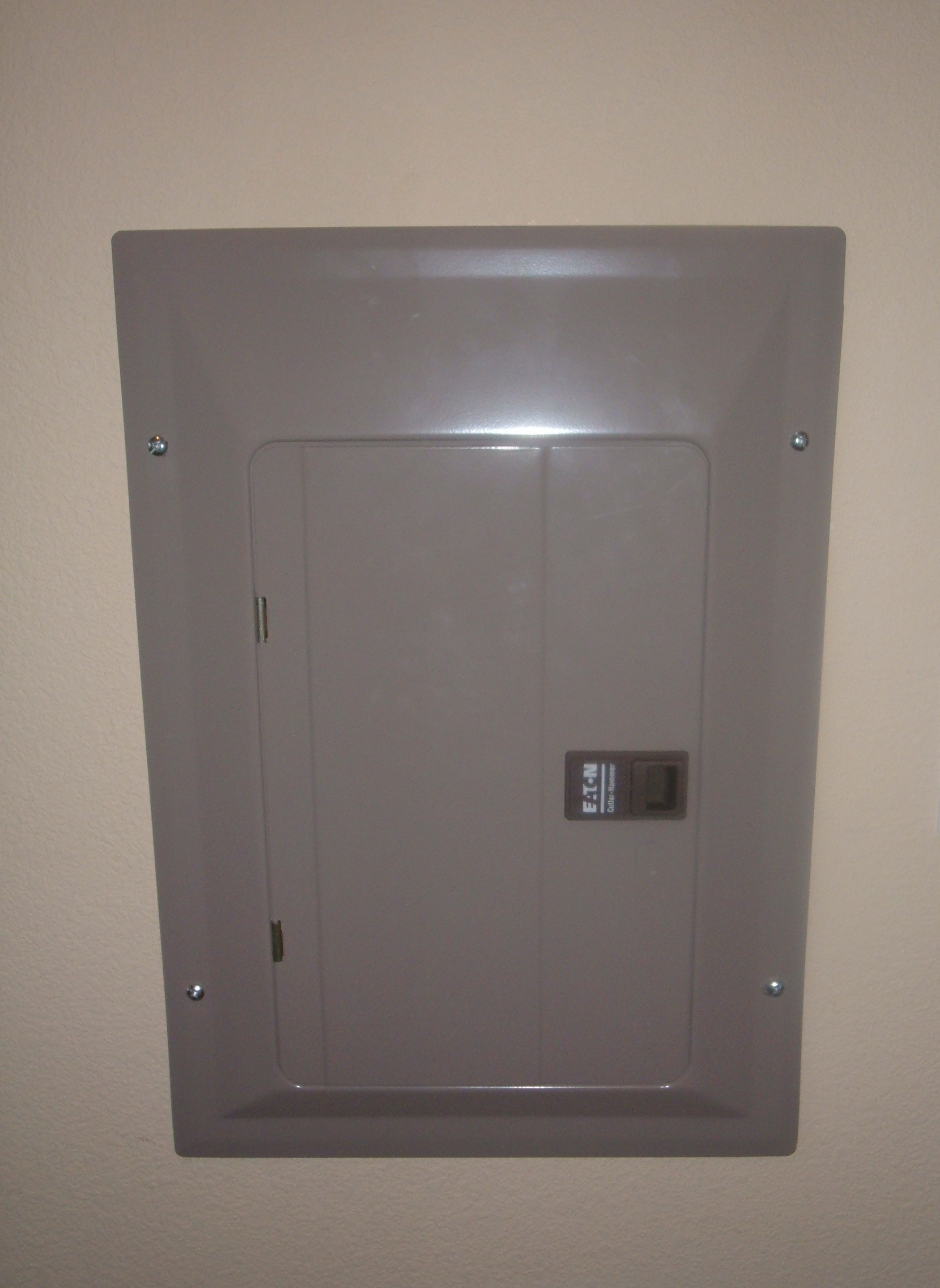
If several breakers trip, the panel is full, or your home still runs on fuses, the issue may be capacity rather than any single circuit. AE Contractors suggests a load evaluation, which often ends in a panel upgrade for older homes whose wiring never anticipated today's appliance loads.
Frequently asked questions
Is it safe to keep resetting a tripped breaker?
No. Each reset removes the protection without removing the problem. One reset to see whether it holds is reasonable. Repeated resets against an instant trip invite overheated wiring and fire risk.
Can I just replace the breaker with a bigger one?
Never. The breaker size protects the wire behind it. A 20-amp breaker on 14-gauge wire lets the wire carry current it was never rated for. That is a fire hazard hidden inside your walls.
Why does the breaker trip only when the microwave runs?
Microwaves draw heavy current. A microwave plus anything else on the same 15-amp circuit is a classic overload. Try the microwave on a different circuit. If it trips there too, the appliance itself may be failing, much like a garbage disposal that hums but will not spin signals a motor problem rather than a power problem.
The breaker trips with nothing plugged in. What now?
That points to a wiring fault or a worn breaker. Leave it off and call a licensed electrician. Wiring faults do not improve with time. A breaker that will not hold at zero load has told you everything it can.
The bottom line
Instant trip means short circuit or ground fault. The only safe move is to leave it off and call an electrician. A trip that takes minutes means overload. The fix is spreading the load or adding a dedicated circuit. Random trips with no load mean the breaker itself is likely worn out.
Your next step is a two-minute test: unplug everything on the circuit, reset once, and add items back one at a time. Whatever makes it trip is the answer.
Rive News is the research desk behind this publication, writing plain-English explainers on everyday household questions with every key claim tied to a named public source.
Latest in Home
- Why a Refrigerator Runs Constantly and Never Stops
- Why a Garbage Disposal Hums but Will Not Spin
- Why a Washing Machine Shakes Violently in the Spin Cycle
- Why a Dishwasher Leaves Spots on Glasses
Subscribe for one plain-English home explainer in your inbox each morning.
Standards: every factual claim in this article traces to a named public source listed above. No quotes, studies, statistics, or people were invented.
Related stories

Why Your Faucet Keeps Dripping After You Turn It Off
A dripping faucet is usually a worn washer, O-ring, or cartridge that can no longer seal. One drip per second wastes over 3,000 gallons a ye

How to fix a running toilet without a plumber in 30 minutes
A running toilet can waste 200 gallons of water a day. Diagnose the flapper, float, or fill valve in two minutes, then fix it yourself with

How to hang heavy shelves on drywall safely
Studs first, toggle bolts second, plastic anchors never for heavy loads. Weight ratings, installation steps, and mistakes that bring shelves