
Why Does My Refrigerator Run Constantly and Never Stop? 6 Causes
By Rive News
Research desk | Rive News
Key takeaways
- Dirty condenser coils are the single most common reason a fridge never cycles off, and cleaning them is free.
- A worn door gasket, a thermostat set too cold, or blocked vents can each keep the compressor running.
- Defrost-system failures and low refrigerant need a technician. Everything else on the list is usually DIY.
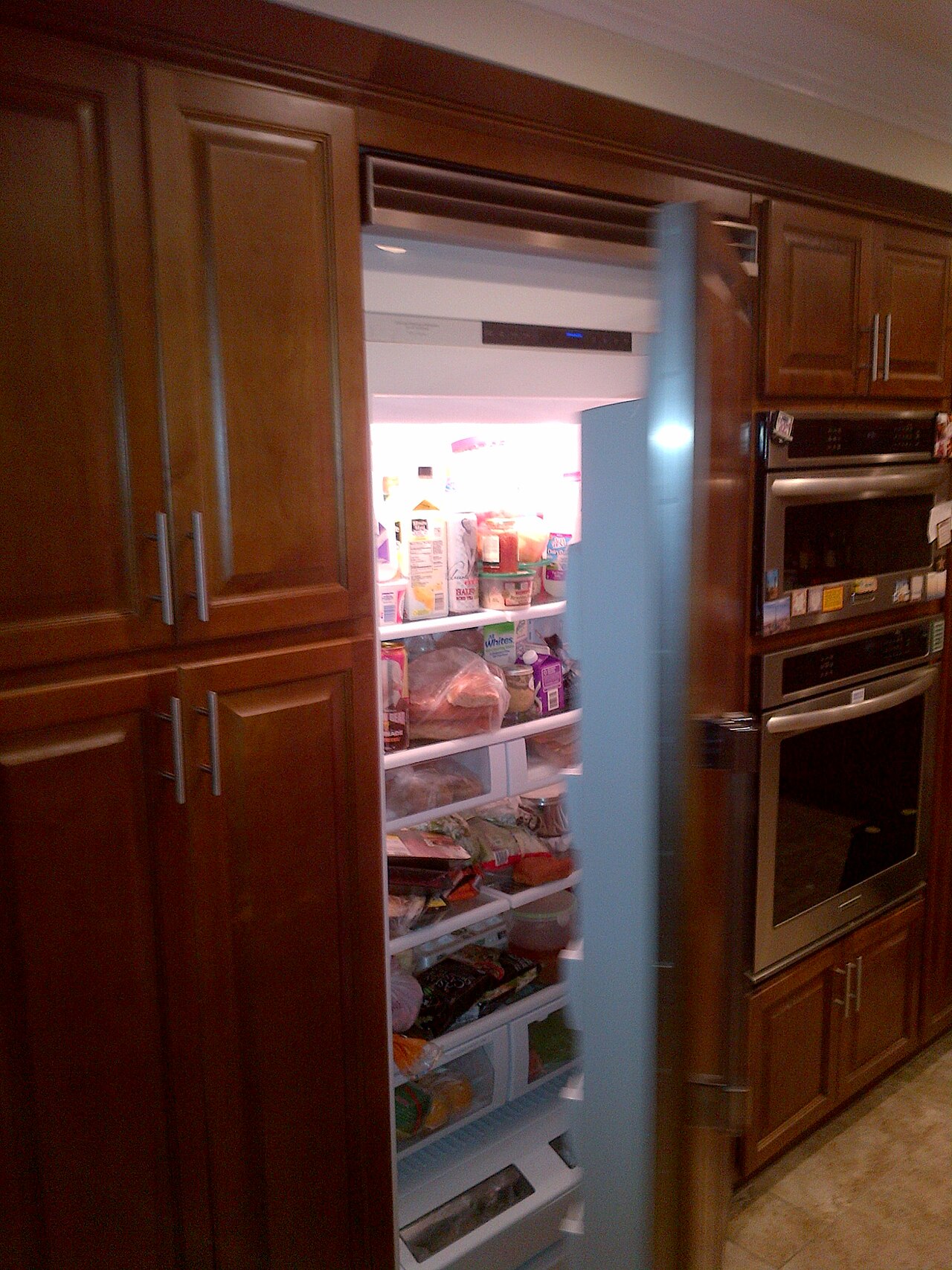
A refrigerator is supposed to cycle. The compressor runs, the temperature drops to the target, and the compressor rests. When the hum never stops, the machine is working overtime. Your electricity bill climbs, and the compressor wears out faster. The causes form a clear ranking, from a five-minute cleaning job to a sealed-system repair that needs a professional.
This article lists the six most common reasons a refrigerator runs constantly, in order of likelihood, with the checks and fixes for each.
Cause 1: Dirty condenser coils
Condenser coils release the heat pulled out of the fridge's interior. When they get coated with dust, grease, or pet hair, they cannot shed heat efficiently. So the compressor runs longer and longer trying to reach the target temperature. This is one of the most common reasons a refrigerator runs more than it should, according to Sharper Service Solutions.
One repair shop's service data puts dirty coils behind about 35% of constant-running cases. That makes it the single biggest cause and the easiest fix. The coils sit behind the kick plate at the bottom or on the back of the unit.
The cleaning routine is simple. Unplug the refrigerator first. Pull it away from the wall, remove the kick plate, and vacuum the coils with a brush attachment.
Then work between the fins gently with a coil brush. iFixit recommends cleaning the coils twice a year as routine maintenance. In homes with pets or heavy dust, every three to six months is better. Pet hair mats onto coils like felt.
After cleaning, plug the fridge back in and give it a few hours. A compressor that starts cycling off again confirms the coils were the problem.
Cause 2: Worn door gasket
The rubber gasket around the door keeps cold air in and warm air out. When it cracks, warps, or loses its grip, warm kitchen air leaks in continuously. The compressor runs non-stop to compensate. Gasket trouble accounts for roughly a quarter of constant-running service calls.
The classic test costs nothing. Close the door on a dollar bill at several points around the seal, then pull. If the bill slides out with little resistance, the seal is weak in that spot.
Clean the gasket first, since grime alone can break the seal. Check whether the door itself hangs level. If cleaning does not help, the gasket usually needs replacing. That is a straightforward part swap on most models.
Cause 3: Thermostat set too cold, or faulty
Sometimes the fridge is doing exactly what it was told. If the thermostat is set colder than necessary, the unit keeps running to chase a temperature it was never meant to hold. Check the settings against the manufacturer's recommendation. That is around 37°F for the fresh-food compartment and 0°F for the freezer, per Sharper Service Solutions.
The hardware can fail too. A mechanical thermostat stuck in the cold position, or an electronic sensor reading incorrectly, never tells the compressor to switch off. Thermostat and sensor faults make up about a fifth of constant-running cases.
Testing one with a multimeter is possible for a confident DIYer. But replacement parts must match the model, and control-board faults belong to a technician.
Cause 4: Blocked vents and poor air circulation
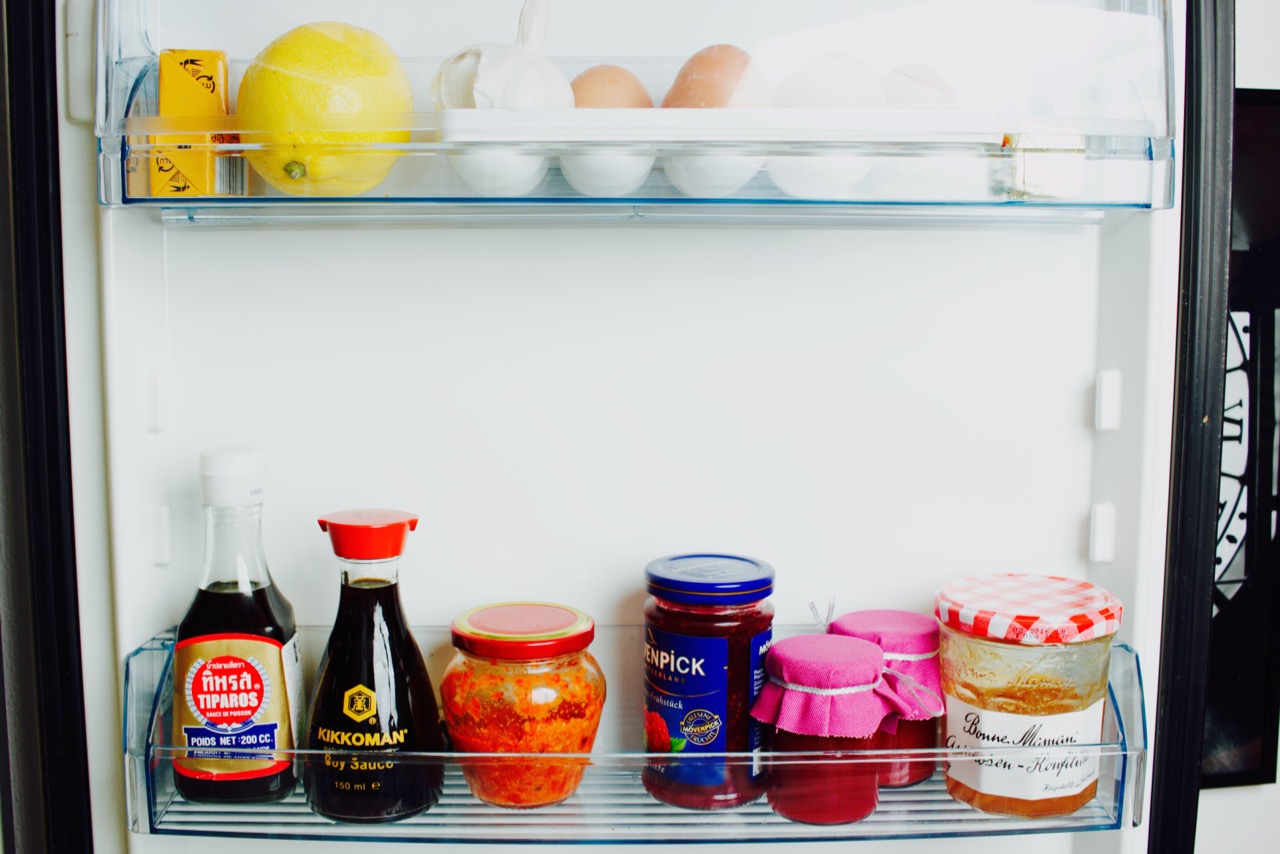
Cold air has to circulate inside the compartments to keep temperatures even. Large containers pushed against the interior vents, or shelves packed so tightly that air cannot move, create warm pockets. The thermostat senses those warm pockets and keeps the compressor running.
The signs are uneven cooling. Some areas are noticeably colder than others. Food freezes in one section while another stays warm. The fix is free.
Pull items away from the vents, avoid overpacking shelves, and make sure air can move freely around stored food. Newer fridges often mark vent locations inside the compartment, which makes this check quick.
Cause 5: Defrost system failure
In frost-free models, a defrost heater melts frost off the evaporator coils several times a day. When the heater, defrost thermostat, or timer fails, ice builds up over days and weeks. The ice blanket blocks airflow and insulates the coils. So the compressor runs constantly trying to cool through it.
The symptom pattern is distinctive. The freezer may still feel cold while the fresh-food section warms up. You might see heavy frost on the back wall of the freezer. A manual defrost, unplugging the unit for 24 hours with the doors open, temporarily restores cooling. But the frost returns within days if the defrost system is broken. This one needs a technician to test and replace the failed component.
Cause 6: Low refrigerant
A leak in the sealed system lowers the refrigerant charge, which cuts cooling capacity. The compressor runs endlessly without ever reaching the target. The system simply cannot move enough heat. This is the least common cause on the list, around one in ten cases. It is never a DIY fix.
Low refrigerant usually announces itself with other clues. The fridge runs constantly but cools poorly. Some sections stay warm, or frost forms in odd patterns. Sealed-system work requires certification and specialized equipment. If the first five causes check out and the fridge still will not cycle off, call a professional and describe the pattern.
What to check first, in order
Work the list from cheapest to costliest before calling anyone.
- Confirm the thermostat reads about 37°F for the fridge and 0°F for the freezer.
- Unplug the unit and clean the condenser coils thoroughly.
- Run the dollar-bill test around the whole door gasket.
- Pull food away from interior vents and reduce overpacking.
- Check that the condenser fan spins freely and the interior light goes off when the door closes.
- If nothing above helps, book a technician and mention defrost and refrigerant checks.
Safety note: always disconnect power before pulling the fridge out or touching anything behind it, and leave sealed-system and electrical-component work to certified technicians.
Frequently asked questions
Is it normal for a fridge to run most of the day in summer?
Longer run times in hot weather are normal, since the fridge fights a bigger temperature gap. Constant, literally never-stopping operation is not normal in any season, though. If the compressor never rests even overnight, work through the causes above.
How often should condenser coils be cleaned?
Twice a year is the standard recommendation, spring and autumn. Homes with pets, or fridges in dusty garages, benefit from cleaning every three to six months. It takes about fifteen minutes and costs nothing.
Will a constantly running fridge die sooner?
Yes. A compressor that never rests accumulates wear far faster than one that cycles normally, and it draws more electricity the whole time. Fixing the underlying cause early protects both the appliance and the power bill.
The bottom line
A refrigerator that never stops is almost always fixable, and the most likely culprits are the cheapest ones: dirty condenser coils, a weak door gasket, or a thermostat set too cold. Clean the coils, test the seal with a dollar bill, and check the settings before spending money. Defrost failures and refrigerant leaks are the exceptions that need a technician. If the DIY checks come back clean, that service call is the right next step rather than another round of guessing.
Tags: refrigerator, appliance repair, energy efficiency, home maintenance, diy
Rive News is a research desk covering home, science, and everyday how-things-work questions with sourced, plain-language explainers.
Latest in Home
- Why your dryer takes multiple cycles to dry clothes
- Why your water heater makes popping and knocking noises
- Why your circuit breaker keeps tripping after reset
- Why your dishwasher leaves spots on glasses
Subscribe for one practical home and science explainer in your inbox each morning.
Corrections: spotted an error? Rive News reviews every report. Every factual claim traces to a named source listed above; copyright 2026 Rive News.
Related stories

Why Your Faucet Keeps Dripping After You Turn It Off
A dripping faucet is usually a worn washer, O-ring, or cartridge that can no longer seal. One drip per second wastes over 3,000 gallons a ye

How to fix a running toilet without a plumber in 30 minutes
A running toilet can waste 200 gallons of water a day. Diagnose the flapper, float, or fill valve in two minutes, then fix it yourself with

How to hang heavy shelves on drywall safely
Studs first, toggle bolts second, plastic anchors never for heavy loads. Weight ratings, installation steps, and mistakes that bring shelves