
Why Your Dryer Takes Two Cycles to Dry Clothes: Causes and Fixes
By Rive News
Research desk | Rive News
Key takeaways
- Most two-cycle dryers are starved of airflow, not dying. A clogged lint screen alone can cut airflow by 20 to 40 percent.
- Blocked vents also trap heat, which trips the thermal fuse and forces the dryer to run long stretches without heat.
- Cleaning the lint filter every load and the full vent at least once a year prevents most slow-drying problems.
A dryer that needs two full cycles for one load is telling you something, and it is probably not that the machine is worn out. Drying is a team effort between heat and airflow, and airflow is the partner that fails first.
A dryer dries by blowing hot air through tumbling clothes, then pushing the moisture-laden air out through the exhaust vent. Choke that path anywhere, from the lint screen to the vent cap outside, and the clothes stay damp no matter how high you set the temperature.
This article explains what a dryer needs to dry clothes, the five reasons dryers need two cycles, how to diagnose the real cause, and how to fix each one.
What a dryer needs to dry clothes
Heat does only half the work. The other half is moving air: fresh hot air in, damp air out. Engineer Fix describes the chain plainly. Hot air evaporates water from the fabric, and the exhaust carries that humidity out of the drum, keeping the air inside the drum dry enough for evaporation to continue.
When the exhaust path narrows, humid air lingers around the clothes. Evaporation stalls. Turning up the heat cannot fix it, because the moisture has nowhere to go.
There is a second effect. Restricted airflow lets heat build up inside the cabinet, and the dryer's safety thermostats cycle the heating element off when temperatures climb past safe limits. Engineer Fix notes that the dryer then spends part of its cycle running without heat, which forces multiple cycles and raises energy use. The machine works harder, runs longer, and dries worse.
The five reasons dryers need two cycles
1. A clogged lint filter
This is the most common cause and the cheapest to fix. The lint screen should be cleaned before every load. A screen matted with lint cuts airflow by 20 to 40 percent, according to Nick's Appliance Repair, which is enough on its own to push drying into a second cycle.
Fabric softener residue makes it worse. It forms an invisible film over the screen that water beads on. If water will not pass through the screen under the tap, soap and a soft brush will restore it.
2. A blocked exhaust vent
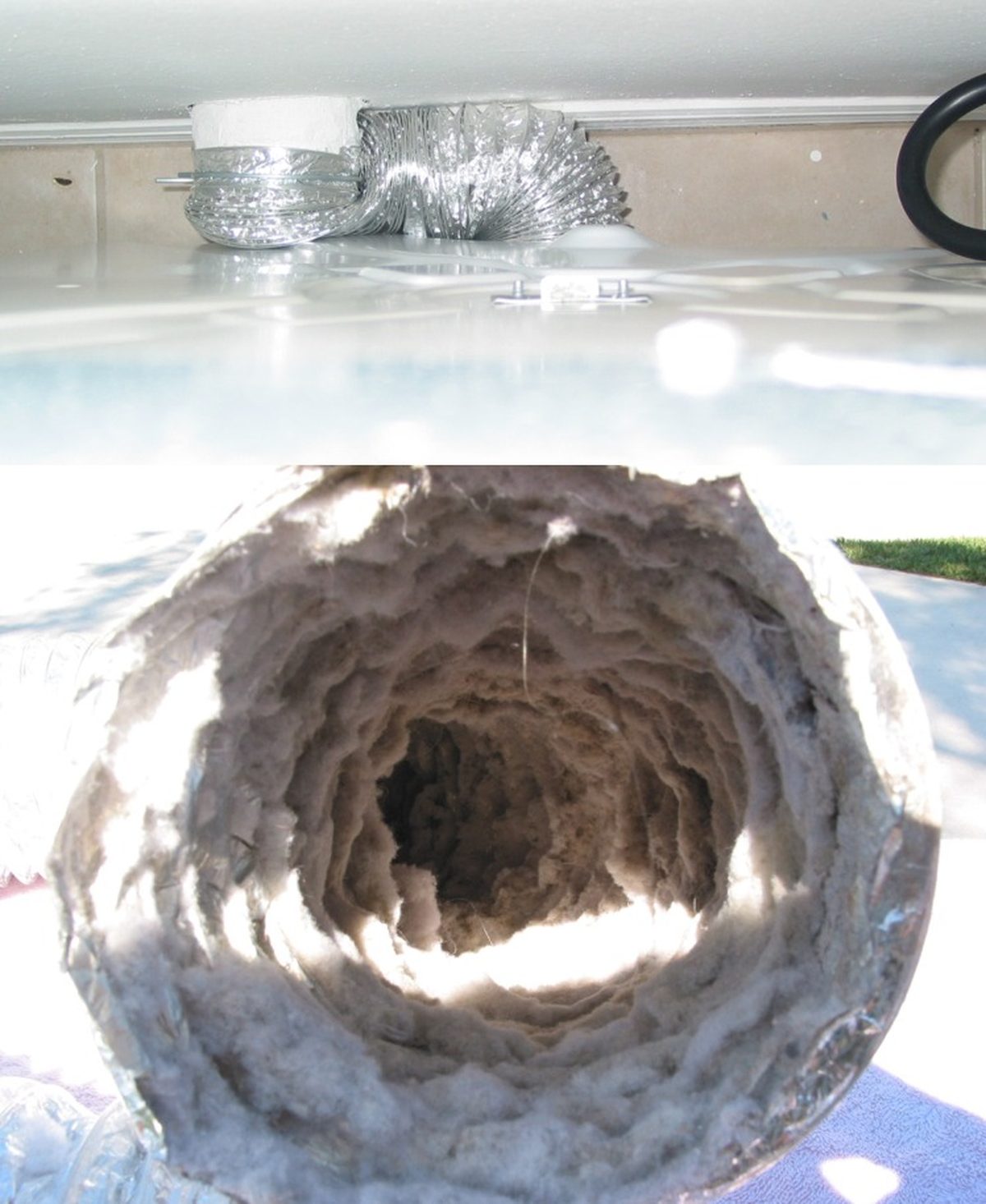
Lint that escapes the filter builds up along the vent duct over months and years. Long duct runs, sharp bends, and crushed transition hoses behind the machine all collect it faster. The vent-cleaning guide calls this the hidden cause behind most two-cycle dryers, and notes that homeowners usually suspect the heating element first.
The vent should be cleaned at least once a year, per iFixit's dryer repair guidance. Big Lake Appliance recommends a professional cleaning annually for the same reason.
3. A blown thermal fuse or failing thermostat
The thermal fuse is a one-shot safety device. (It blows once to stop overheating and must then be replaced.) When restricted airflow overheats the cabinet, the fuse blows and kills the heat. Remove and Replace points out that a blown thermal fuse almost always means airflow was restricted first, and it rarely fails on its own.
The cycling thermostat, which regulates drum temperature by switching the heat on and off, can also fail. iFixit lists it as a possible but uncommon cause, and advises checking airflow and the blower wheel before suspecting it.
4. An obstructed blower wheel
The blower wheel pulls air through the drum and pushes it out the vent. Lint, socks, and small garments can slip past the lint filter and lodge in it. The wheel's sleeve can also wear, letting it wobble on the motor shaft and move far less air, iFixit explains.
5. An overloaded drum or wrong cycle
Clothes need room to tumble. Nick's Appliance Repair advises filling the drum to 75 percent capacity at most. An air-only or low-heat cycle also takes far longer than a normal cycle, so check the setting before assuming a fault. A washing machine that leaves clothes too wet can also create a two-cycle illusion, since the dryer starts with a wetter load than usual.
How to diagnose the real cause
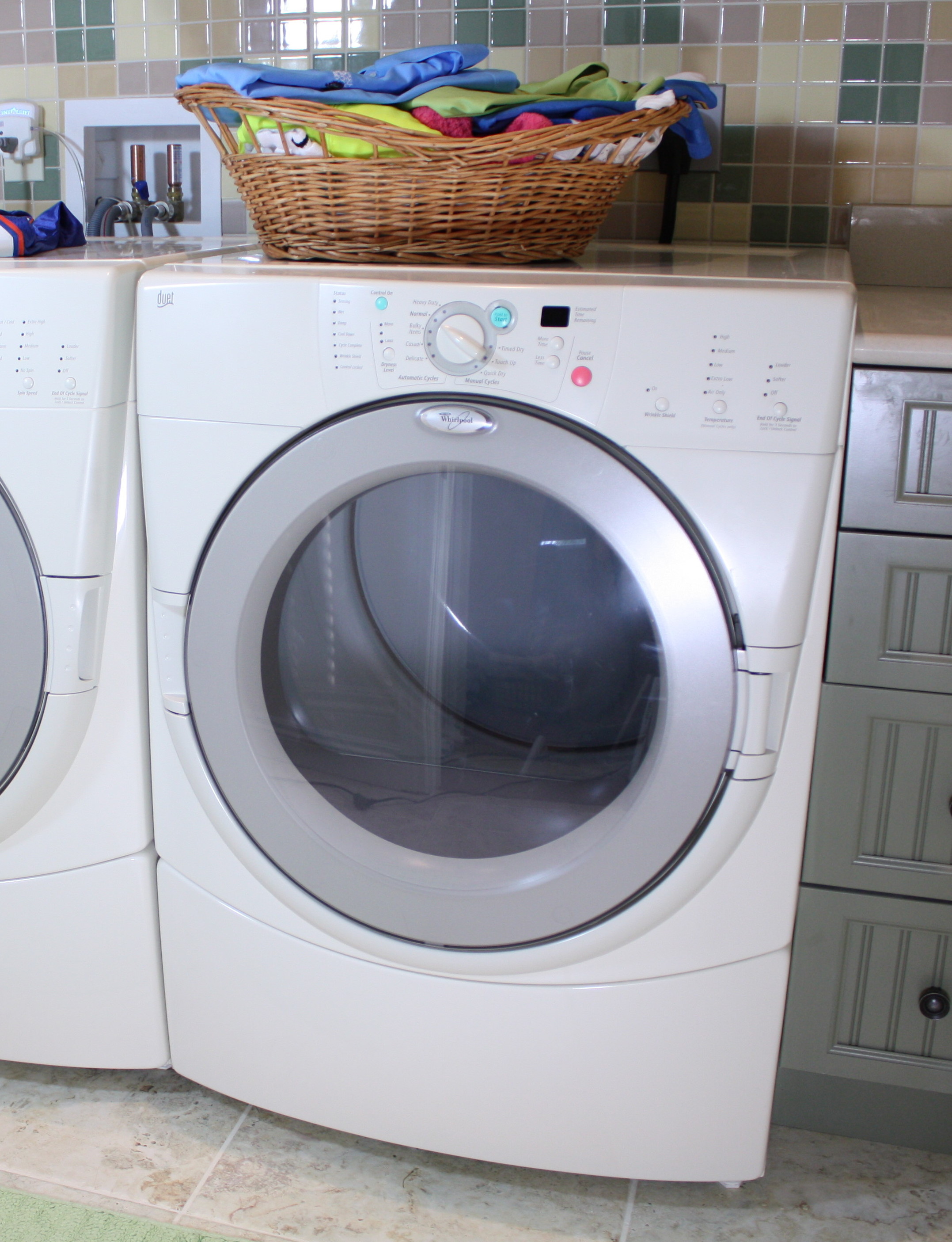
Work from cheapest to most expensive. Clean the lint filter first, then run a test: start the dryer and go outside to the vent cap. You should feel strong, warm airflow. Weak flow means a blocked vent, which is the cause until proven otherwise.
Next, check the transition hose behind the dryer for kinks, crushing, or excessive length. The hero image above shows how bad a kink can get. Pull the machine out and look; a hose flattened against the wall is a classic two-cycle culprit.
Then test the heat. Run the dryer for ten minutes and feel the air at the lint filter opening. It should be very warm. Nick's Appliance Repair uses this as the dividing line: barely warm air points to the heating element or thermal fuse, while good heat with weak exhaust points back to the vent.
If heat comes and goes in waves, suspect the thermal fuse or cycling thermostat. If the drum barely tumbles or airflow at the disconnected vent is weak, check the blower wheel for obstructions.
How to fix each cause
Clean the lint filter before every load, and wash it with warm soapy water every few months to remove softener film. This single habit prevents a large share of slow-drying complaints.
Clean the full vent path annually. Disconnect the hose, vacuum it out, and brush the duct from both ends. Keep the hose short and straight when you push the dryer back, with no crushing against the wall. Rigid or semi-rigid metal duct beats flexible foil, which sags and catches lint.
Replace a blown thermal fuse only after clearing the airflow restriction that killed it, or the new fuse will blow the same way. The fuse itself is an inexpensive part, but the cabinet must be opened to reach it, so call a technician if you are not comfortable working inside an appliance.
Keep loads at three-quarters of the drum and match the cycle to the fabric. Heavy items like towels and jeans dry slower, so do not mix them with light loads and blame the machine for the difference.
One safety note that outranks all the efficiency talk: lint is highly flammable, and a clogged vent traps heat next to it. A dryer that takes two cycles and feels hot to the touch is a fire hazard, not just a nuisance, so do not keep running it while you put off the cleaning.
Frequently asked questions
Is it safe to keep running a dryer that takes two cycles?
Not indefinitely. The extra heat buildup in a poorly vented dryer is a genuine fire risk, because lint is highly flammable. Clean the filter and vent before the next load.
Why does the dryer feel hot but the clothes stay damp?
The heat is working, but the damp air cannot escape. Blocked airflow also makes the safety thermostat cycle the heat off too early, so the dryer runs hot in bursts without actually drying.
How often should I clean the dryer vent?
At least once a year for the full duct, and the lint filter before every load. Homes that run many loads a week or dry a lot of towels and pet bedding should check the vent more often.
Can a new dryer still have this problem?
Yes. A new machine connected to an old, lint-packed vent will dry slowly from day one. The vent belongs to the house, not the appliance, and replacing the dryer does not clean it.
The bottom line
Two cycles almost always mean blocked airflow rather than a dead dryer. Clean the lint filter every load, clear the vent once a year, keep the duct short and unkinked, and check the thermal fuse only after the airflow path is clear.
Do the outside test today: run the dryer and feel the vent cap. If the airflow is weak, you have found your second cycle.
Rive News is the research desk behind this publication, writing plain-English explainers on everyday household questions with every key claim tied to a named public source.
Latest in Home
- Why a Washing Machine Shakes Violently in the Spin Cycle
- Why a Refrigerator Runs Constantly and Never Stops
- Why a Dishwasher Leaves Spots on Glasses
- Why a Garbage Disposal Hums but Will Not Spin
Subscribe for one plain-English home explainer in your inbox each morning.
Standards: every factual claim in this article traces to a named public source listed above. No quotes, studies, statistics, or people were invented.
Related stories

Why Your Faucet Keeps Dripping After You Turn It Off
A dripping faucet is usually a worn washer, O-ring, or cartridge that can no longer seal. One drip per second wastes over 3,000 gallons a ye

How to fix a running toilet without a plumber in 30 minutes
A running toilet can waste 200 gallons of water a day. Diagnose the flapper, float, or fill valve in two minutes, then fix it yourself with

How to hang heavy shelves on drywall safely
Studs first, toggle bolts second, plastic anchors never for heavy loads. Weight ratings, installation steps, and mistakes that bring shelves