
Why Does My Washing Machine Shake Violently During the Spin Cycle?
By Rive News
Research desk | Rive News
Key takeaways
- An unbalanced laundry load is the most common cause of violent shaking during the spin cycle.
- A machine that is not level, or still has its shipping bolts installed, will shake on every cycle.
- Persistent shaking with normal loads, or a roaring sound, points to worn suspension parts or bearings.
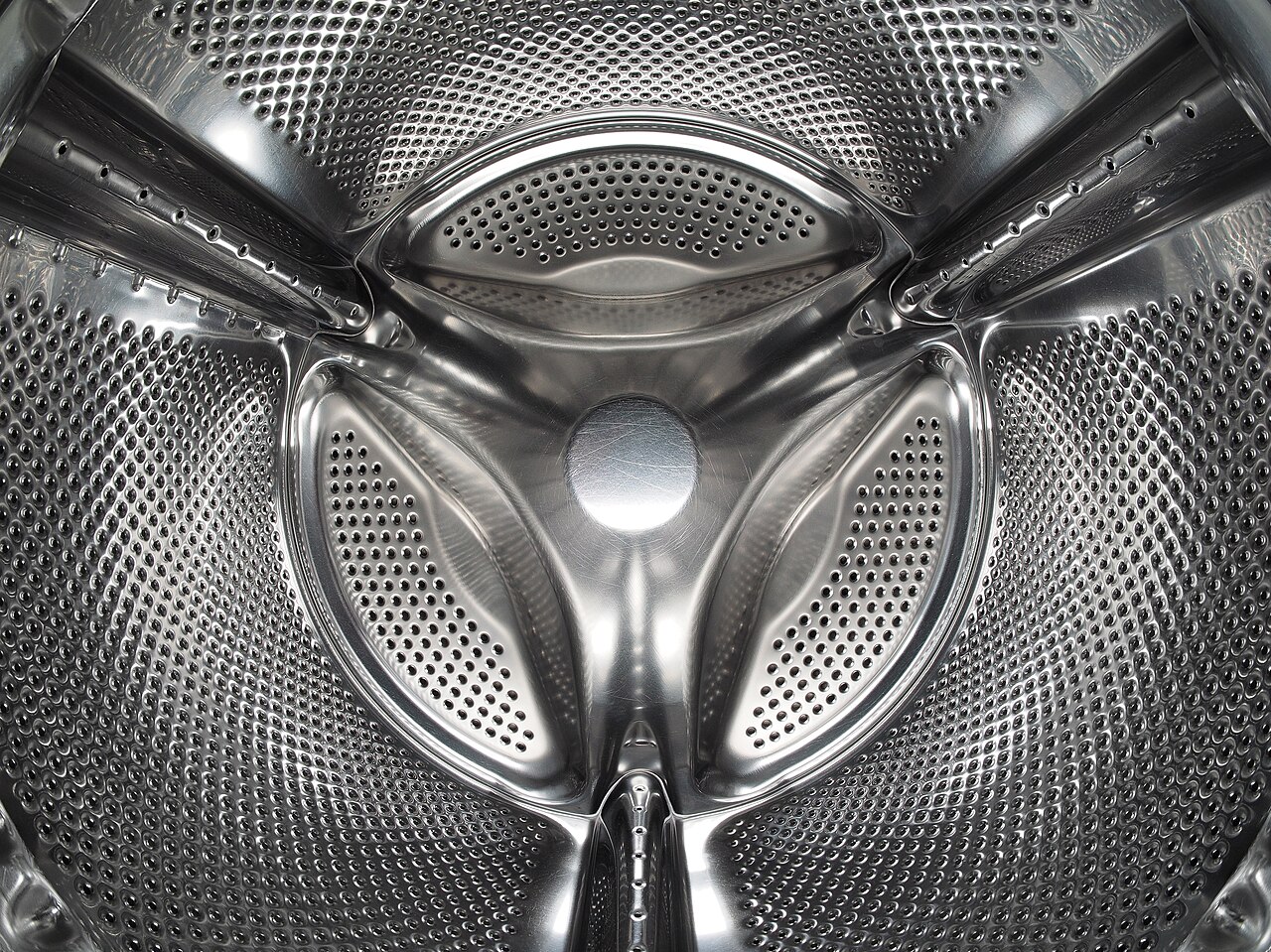
Few household sounds are as alarming as a washing machine hammering across the laundry room during the spin cycle. The good news is that most causes are simple, and the fixes are free. The shaking almost always comes down to balance, either of the load inside the drum or of the machine itself.
This article walks through the causes in order of likelihood, the checks to run before calling anyone, and the signs that the problem is mechanical rather than a loading mistake.
What a violent shake during spin means
The spin cycle runs the drum at high speed to fling water out of the clothes. At that speed, even a small imbalance becomes a large force. Weight piled on one side of the drum pulls that side outward with every rotation. The whole machine rocks in response.
Some vibration during spin is normal. Violent shaking, banging, or the machine walking across the floor is not. AEG's support team lists the usual suspects: transit bolts left in place, an unlevel installation, unbalanced or overloaded laundry, loose hoses, or foreign objects trapped in the filter or drum.
The diagnostic question is when it happens. Shaking with one bulky load but not others points at the laundry. Shaking on every cycle, even with normal loads, points at the machine.
Cause 1: An unbalanced or overloaded load
This is the most common reason by far. When heavy items collect on one side of the drum, they throw the spin off balance. Towels, blankets, rugs, comforters, and jeans are the worst offenders, because they absorb a lot of water and get much heavier than they look.
"Before you assume the washer is broken, pause the cycle and redistribute the clothes," advises Sergey, a technician at 911 Appliance EMT. "If the shaking stops, the load was probably the issue."
Small loads cause the same problem from the other direction. With too little weight, there is not enough laundry to settle evenly around the drum, so one light item still creates an imbalance. Mixing large and small items together usually balances things out better than a lone bulky piece.
Overloading has the opposite effect with the same result. Too much laundry cannot distribute evenly either. Filling the drum past about three-quarters full invites trouble.
Cause 2: The machine is not level
A washing machine must sit flat on a hard, stable floor. If one corner sits even slightly higher than the others, the drum tilts as it spins and knocks against the inside of the cabinet. AEG's support guidance says the appliance must not rock at all when pushed, or it will vibrate while spinning.
The fix is the leveling feet. Place a spirit level on top of the machine, front to back and side to side. Then adjust the feet with a wrench until the bubble centers and the machine sits without rocking. Cedar Rapids Appliance Service, citing This Old House, recommends adjusting a washer's built-in leveling legs rather than wedging shims or makeshift fixes underneath. It notes that vibration left unaddressed can damage both the appliance and the surrounding floor.
Flooring matters too. In older homes, wood subfloors can flex under the machine's weight. Even a perfectly leveled washer may shake more than expected on a bouncy floor. A rigid, solid surface is part of the installation requirement, not a luxury.
Cause 3: Shipping bolts still installed
New front-load washers ship with transit bolts that lock the drum in place for transport. These bolts must be removed before the first wash. A machine that shakes violently right out of the box is very often still bolted. Running it bolted can damage the drum.
Check the back of the appliance for the bolts or plastic spacers. Consult the installation leaflet that came with the machine. This one applies mainly to newer machines, but it is worth ruling out before anything else.
Cause 4: Worn suspension parts or drum bearings
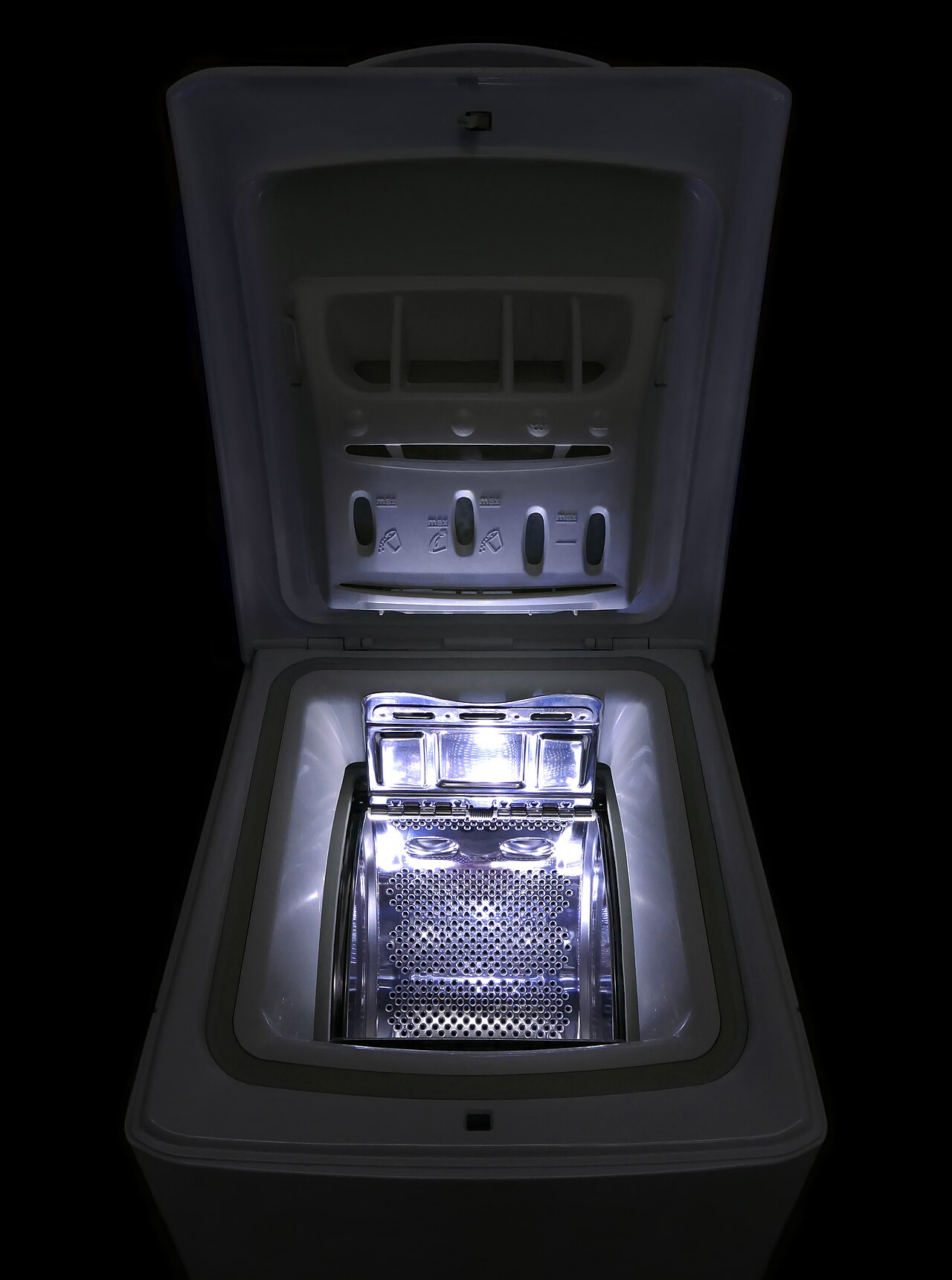
If the shaking started gradually and now happens with normal, balanced loads, the suspension is the likely culprit. Front-load washers hang the drum on shock absorbers. Top-loaders use suspension rods. These wear out over time, especially with a steady diet of heavy items like king-size comforters.
The tell-tale signs: loud banging during spins that redistributing the load does not fix, or a drum that visibly wobbles when you push it by hand. A low humming or grinding sound during spin points further along the same path, toward worn drum bearings. A roaring noise during the spin cycle is the classic bearing-failure sound. At that point the machine should be stopped and a technician called.
These are real repairs, not adjustments. Shock absorber and bearing replacement is doable for a confident DIYer, but it involves opening the cabinet and handling heavy parts.
Quick checks before you call for repair
Run through these in order. Most shaking washers are fixed by step two.
- Pause the cycle and redistribute the laundry evenly around the drum, then restart.
- Set a spirit level on the washer and adjust the leveling feet until it sits flat and does not rock.
- Confirm the shipping bolts are removed if the machine is new.
- Check that drain and inlet hoses are secured to the back of the housing, since loose hoses knock during spin.
- Inspect the door seal and drum for trapped items like coins, underwires, or small garments.
- Run a normal medium load. If it still shakes violently, stop using it and call a technician.
Safety note: unplug the machine before pulling it out or reaching behind it, and do not run repeated test cycles on a washer that is banging hard. Each violent cycle risks cracking the outer tub or damaging the floor.
Frequently asked questions
Why does only my washer shake with towels and blankets?
Bulky items absorb the most water and clump together on one side of the drum. That concentrated weight is the hardest imbalance for the machine to handle at spin speed. Washing one bulky item with a few smaller pieces balances the drum better.
Can a shaking washer damage itself?
Yes. Sustained violent vibration can crack the outer tub, wear out suspension components faster, loosen hoses, and damage flooring. A machine that walks across the room is telling you to stop the cycle and find the cause.
Is it worth repairing or should I replace it?
For leveling, bolts, and load issues, there is nothing to replace. For suspension or bearing work, weigh the repair quote against the machine's age. On a machine well past a decade, a major bearing job often costs enough that replacement makes more sense.
The bottom line
A violently shaking washer is usually telling you something simple. The load is lopsided, the machine is not level, or the shipping bolts never came out. Work through those three checks first, because they solve the great majority of cases for free.
If balanced loads still shake, or you hear grinding or roaring, the suspension or bearings are worn. A technician should take it from there. Stop running hard-banging cycles in the meantime to protect the machine and the floor.
Tags: washing machine, appliance repair, spin cycle, home maintenance, diy
Rive News is a research desk covering home, science, and everyday how-things-work questions with sourced, plain-language explainers.
Latest in Home
- Why your dryer takes multiple cycles to dry clothes
- Why your dishwasher leaves spots on glasses
- Why your water heater makes popping and knocking noises
- Why your circuit breaker keeps tripping after reset
Subscribe for one practical home and science explainer in your inbox each morning.
Corrections: spotted an error? Rive News reviews every report. Every factual claim traces to a named source listed above; copyright 2026 Rive News.
Related stories

Why Your Faucet Keeps Dripping After You Turn It Off
A dripping faucet is usually a worn washer, O-ring, or cartridge that can no longer seal. One drip per second wastes over 3,000 gallons a ye

How to fix a running toilet without a plumber in 30 minutes
A running toilet can waste 200 gallons of water a day. Diagnose the flapper, float, or fill valve in two minutes, then fix it yourself with

How to hang heavy shelves on drywall safely
Studs first, toggle bolts second, plastic anchors never for heavy loads. Weight ratings, installation steps, and mistakes that bring shelves