
Why Does Your Water Heater Make Popping and Knocking Noises?
Key takeaways
- Popping and rumbling almost always mean mineral sediment on the tank floor. The burner superheats water trapped under that layer until steam bursts through.
- Sharp knocking can be water hammer in the pipes, not the tank. It usually follows a valve shutting fast, like a washing machine filling.
- Flushing the tank once a year removes most sediment. Citing federal efficiency guidance, plumbing sources say maintenance can improve performance by up to 15 percent.
A popping or knocking sound from the utility closet is rarely an emergency, but it is almost never nothing. It is the sound of water misbehaving inside or around your water heater. Learning to tell which sound means what can keep a small maintenance job from turning into an early tank replacement.
The causes split into two groups. Inside the tank, mineral sediment trapped at the bottom forces the burner to superheat small pockets of water until steam bursts through the hardened layer. Outside the tank, loose pipes or sudden water hammer can knock hard enough to sound like the heater itself.
This article explains what each of those noises actually means, why sediment makes a tank pop, how to tell whether the sound comes from the tank or the pipes, and how to stop the noise.
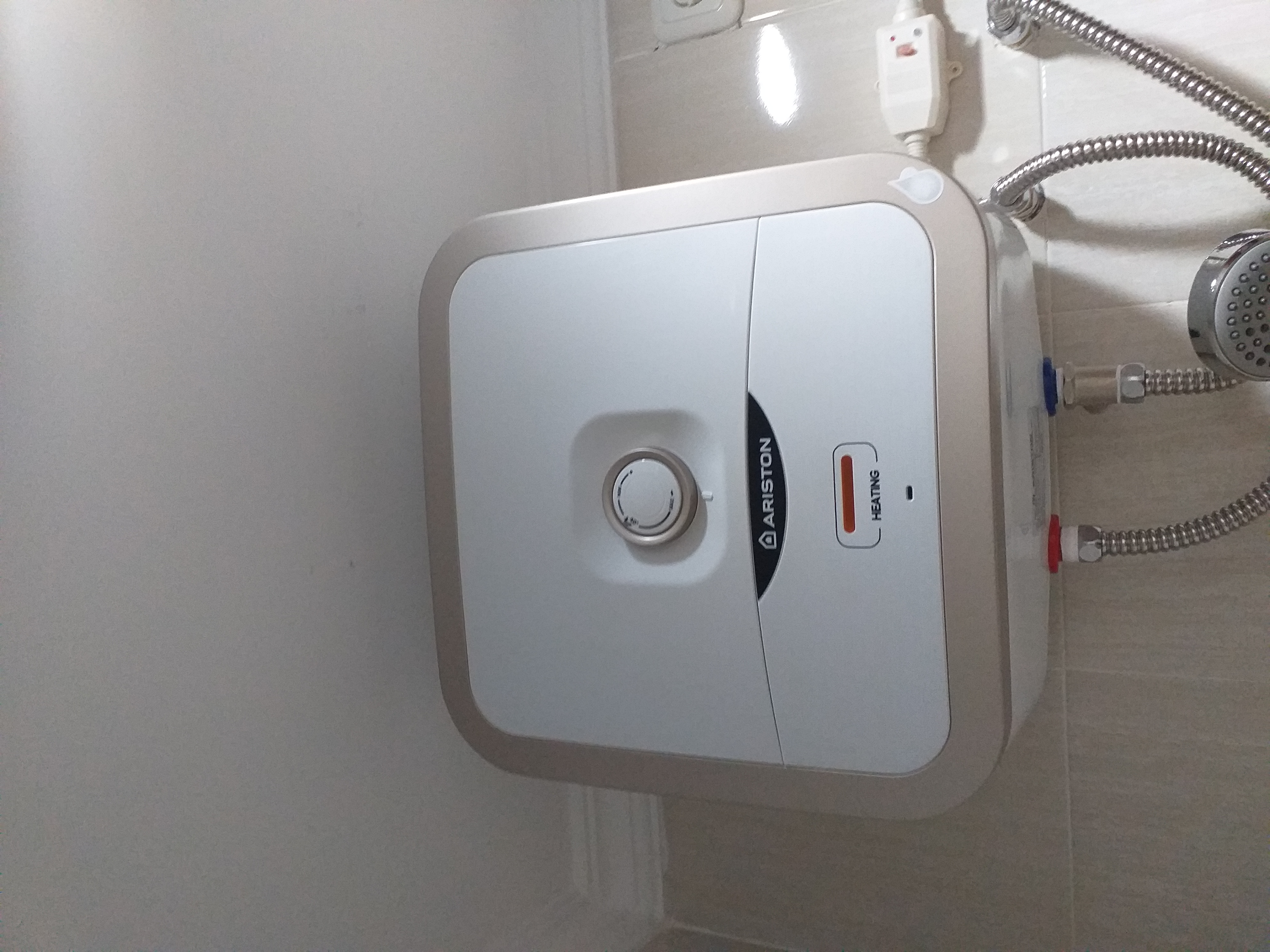
What each noise actually means
A pop or rumble is the signature sound of sediment. Minerals from the incoming water settle on the tank floor over months and years. They form a layer that insulates the burner from the water above, according to The Spruce.
A sharp bang or knock is more ambiguous. Ambiguous means it could be several things. It can come from the tank, but it is often water hammer in the supply pipes.
Precision Plumbing lists water hammer as the usual cause of banging sounds rather than the tank itself.
A hiss, sizzle, or high-pitched whistle points elsewhere again. Precision Plumbing attributes whistling to a temperature and pressure relief valve or inlet valve under stress. The Spruce notes that sizzling on an electric unit can mean the lower heating element is buried under sediment.
Condensation dripping onto a gas burner's flame produces a similar sizzle.
A faint ticking as the tank heats or cools is normal. That is just the metal tank and pipes expanding and contracting with temperature changes. It needs no action.
Why sediment makes the tank pop
Cold water entering the tank carries dissolved minerals, mostly calcium and magnesium. Heat drives them out of solution, and they sink to the bottom, as described by Anytime Plumbing's guide to water heater noises.
Over many heating cycles the layer thickens and hardens. The burner (or the lower element on an electric unit) sits right beneath it. Small pockets of water get trapped under a crust that will not let heat pass through evenly.
When the burner fires, it superheats those trapped pockets. The water flashes to steam, and steam occupies far more volume than liquid water. Pressure builds until the bubbles force their way violently through the sediment.
Home Comfort Experts identifies this as the source of the popping, crackling, and rumbling homeowners hear during a heating cycle.
The rumbling variant has a second mechanism. As the water in the tank heats and expands, it pushes through the sediment and shifts it against the sides and bottom of the tank, producing a low rumble, The Spruce reports.
Hard water makes everything worse, because it carries more dissolved minerals to begin with. Homes on well water add another twist. Sand, silt, iron, and manganese can all settle into the same pile.
The sacrificial anode rod sheds flaky residue as it corrodes, according to Rick's Free Auto Repair Advice's breakdown of sediment sources. The anode rod is a metal rod inside the tank that corrodes on purpose to protect the tank.
The noise is the least of the problem. Sediment acts as insulation, so the heater runs longer to deliver the same hot water, raising energy use. It can also overheat the tank bottom, which cracks under repeated thermal stress.
It steadily shortens the unit's life.
How to tell whether it is the tank or the pipes
Start by timing the sound. Popping and rumbling that start a few minutes into a heating cycle, or right after heavy hot water use, point to sediment. The tank needs to be actively heating for steam bubbles to form.
Knocking that happens when no heating cycle is running is a pipe problem. Water hammer strikes when a valve slams shut quickly, stopping a column of moving water dead. Washing machines and dishwashers trigger it because their solenoid valves close in a fraction of a second.
A solenoid valve is an electrically operated valve. If the knock lines up with a faucet that drips after being turned off, a toilet finishing its fill, or a laundry load, suspect the plumbing, not the tank.
Put a hand on the tank (carefully, it gets hot). Sediment noise vibrates through the tank walls themselves. Pipe knock travels along the supply lines and can sound louder at a distance from the heater.
Whistling narrows the search. It is almost never sediment. Check the temperature and pressure relief valve and the cold-water inlet.
Treat a hissing tank with a known leak as a job for a plumber, not a DIY flush.
How to stop the noise
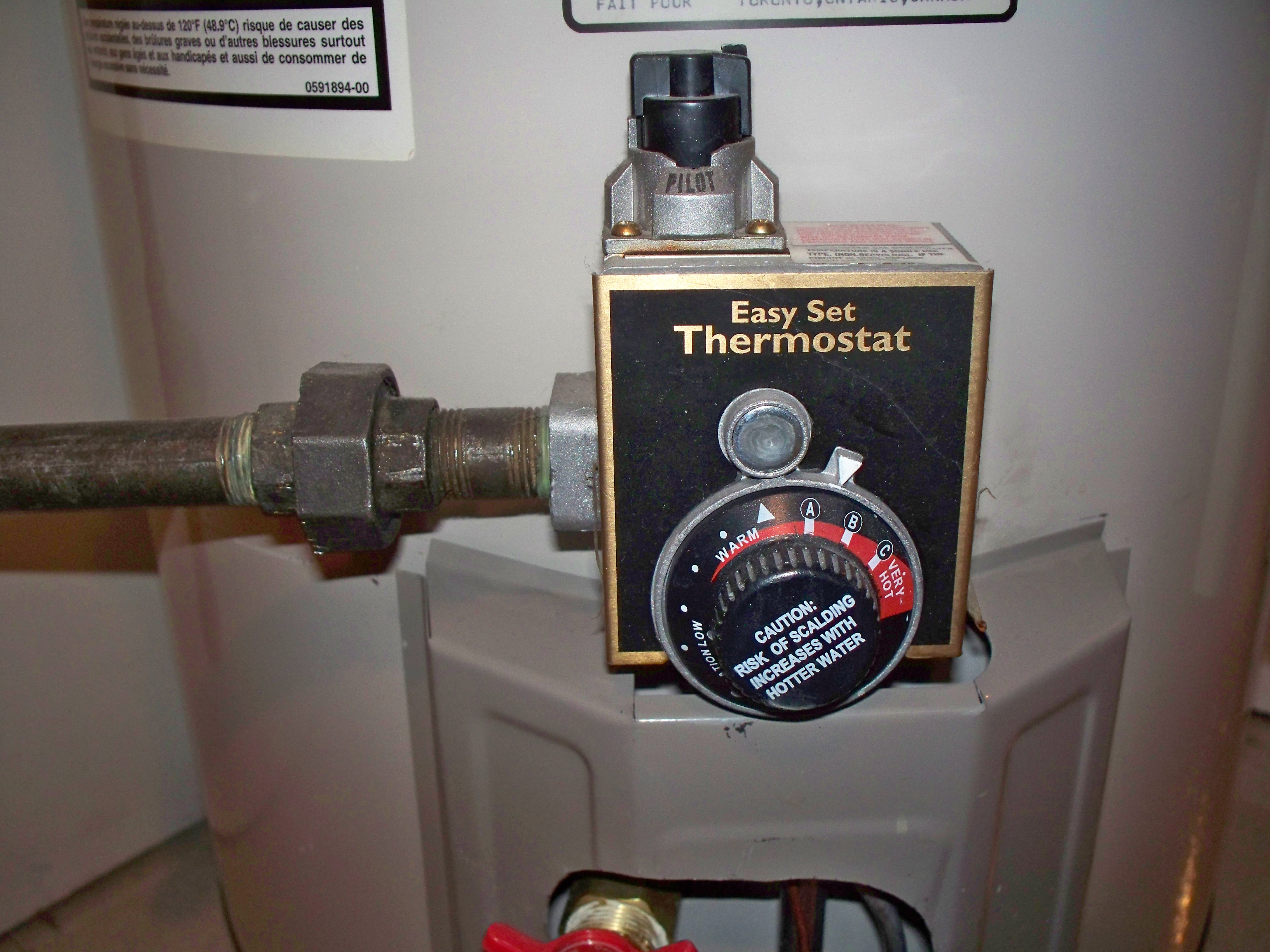
The first move against popping is a flush. Attach a garden hose to the tank's drain valve, run it to a safe drainage point, turn off the power or gas, shut the cold-water supply, and drain the tank. Then let fresh water stir up and carry out the remaining sediment.
Most plumbing sources recommend doing this at least once a year. Einstein Pros, citing the U. S.
Department of Energy's home water efficiency guidance, reports that proper maintenance can improve a water heater's performance by up to 15 percent.
Hard-water households should flush more often, since minerals accumulate faster. A water softener slows the buildup at the source by removing calcium and magnesium before they reach the tank.
Set the thermostat to 120 degrees Fahrenheit. That is the U. S.
Department of Energy's recommended setting, cited by Gene Wagner Plumbing. It cuts both energy use and mineral baking onto the tank floor.
For pipe knock, the fix is different. Strap down loose pipes so they cannot slap against framing. Consider a water hammer arrestor on the lines feeding fast-closing valves.
An arrestor is a small device that absorbs the shock of suddenly stopped water. Lowering excessive water pressure at the regulator also calms hammer.
Know when flushing has run out of road. If the tank is near the 10 to 12 year mark and has never been flushed, Precision Plumbing advises paying much closer attention to new sounds. Sediment that has baked on for a decade may not flush out.
Draining a very old tank can even disturb valves that were better left alone. That is the point to bring in a licensed plumber before the tank fails on its own schedule.
Frequently asked questions
Is a popping water heater dangerous?
Usually not in the short term. Home Comfort Experts describes the noise itself as normally not an emergency. The risk is cumulative.
Cumulative means it builds up over time. Sediment overheats the tank bottom, wastes energy, and can crack the tank if ignored for years.
How often should I flush my water heater?
Once a year is the standard recommendation. Homes with hard water or well water benefit from flushing every six months, because minerals and silt accumulate faster.
Why does my electric water heater hum instead of popping?
A low hum is often the heating element vibrating in the water, which is harmless. A loud or persistent hum can mean the lower element is buried in sediment or has worked loose, according to The Spruce. A loose element needs tightening or replacement.
Should I drain the tank myself or call a plumber?
A confident DIYer can flush a tank that has been maintained regularly. Call a plumber if the tank is very old, the drain valve is stuck, the water runs discolored, or any sound is paired with a leak. Like a washing machine that shakes violently, a loud appliance deserves a proper diagnosis before you keep running it.
The bottom line
Popping and rumbling mean sediment is insulating your tank from its own heat. Sharp knocking often means the pipes are the real culprit. A yearly flush handles most sediment, and 120 degrees is the thermostat setting that keeps mineral buildup slow.
If your tank has been popping for years without a flush, do the first one this week. Let the water cool, attach a hose to the drain valve, and watch what comes out. What you see in that bucket tells you exactly how much life the noise has been costing you.
Rive News is the research desk behind this publication, writing plain-English explainers on everyday household questions with every key claim tied to a named public source.
Latest in Home
- Why a Faucet Keeps Dripping After You Turn It Off
- Why a Dishwasher Leaves Spots on Glasses
- Why a Washing Machine Shakes Violently in the Spin Cycle
- Why a Garbage Disposal Hums but Will Not Spin
Subscribe for one plain-English home explainer in your inbox each morning.
Standards: every factual claim in this article traces to a named public source listed above. No quotes, studies, statistics, or people were invented.
Related stories

Why Your Faucet Keeps Dripping After You Turn It Off
A dripping faucet is usually a worn washer, O-ring, or cartridge that can no longer seal. One drip per second wastes over 3,000 gallons

How to fix a running toilet without a plumber in 30 minutes
A running toilet can waste 200 gallons of water a day. Diagnose the flapper, float, or fill valve in two minutes, then fix it yourself

How to hang heavy shelves on drywall safely
Studs first, toggle bolts second, plastic anchors never for heavy loads. Weight ratings, installation steps, and mistakes that bring