
Storm Austen hits UK with 80mph winds and cuts power to 20,000 homes
Web StoryWatch this story in 15 seconds →Key takeaways
- Storm Austen struck the UK on Friday 23 October 2026. It is the first named storm of the season.
- About 20,000 homes lost power, mostly in the southwest. Schools closed in Cornwall.
- A second storm, Storm Boelo, is expected on Saturday. It brings more 80mph gusts.
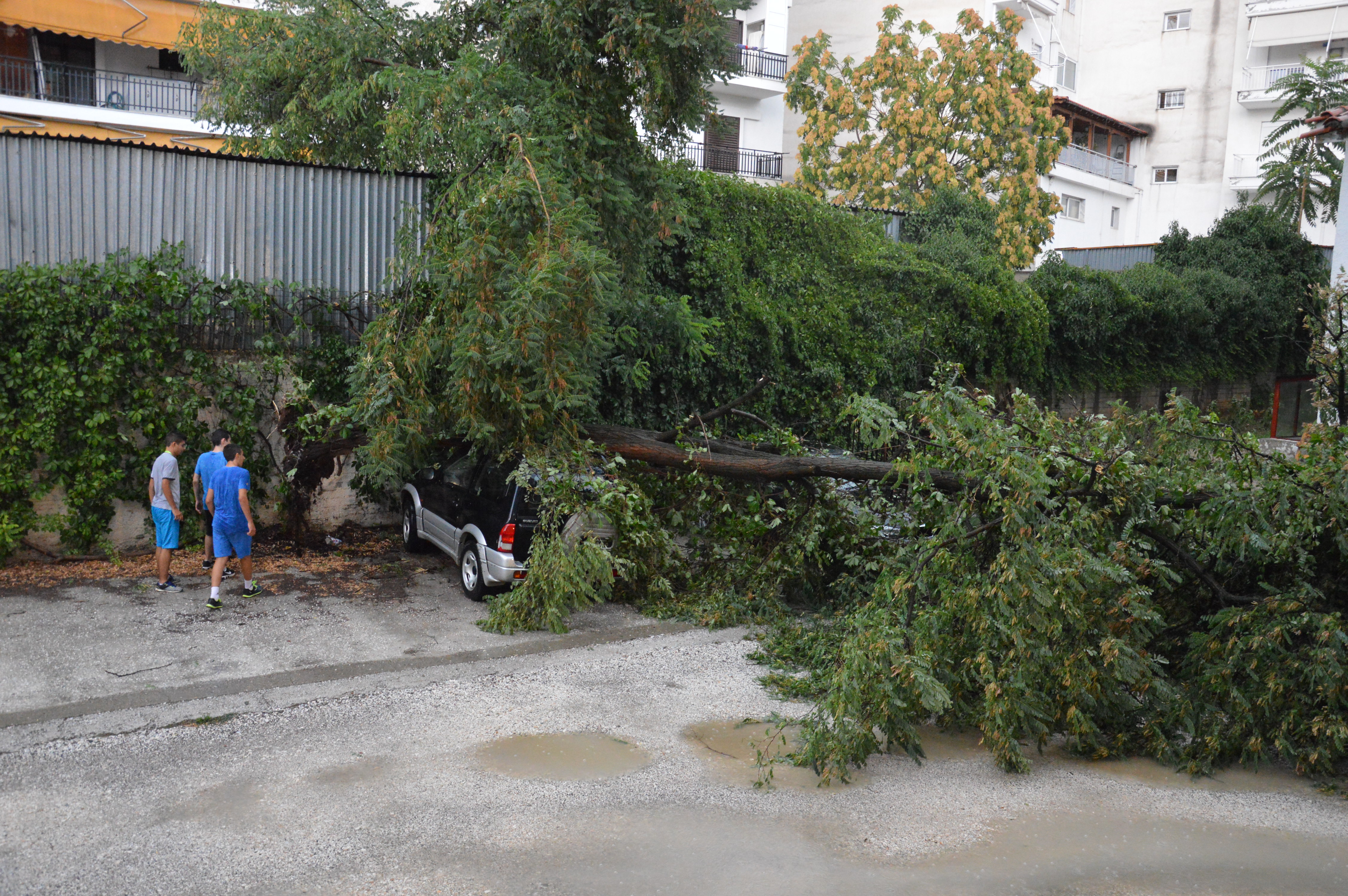
Storm Austen hit the United Kingdom on Friday 23 October 2026.
The Met Office named it on 20 October. It is the first named storm of the season.
Winds reached 80mph in exposed coastal areas. Some places saw even higher gusts. The storm cut power to tens of thousands of homes.
What happened
The storm arrived from the southwest late on Thursday 22 October. It moved across the country through Friday. The Met Office issued an amber wind warning.
It covered Cornwall, Devon, the Isles of Scilly and Plymouth. The warning ran from 3am to 10am on Friday.
An amber warning means the weather is serious. The Met Office said power cuts were a good chance. It also warned of travel disruption and flying debris.
A wider yellow wind warning covered more areas. It ran from midnight on Thursday night to 2pm on Friday. It covered southwest England, south Wales, the south coast and Herefordshire.
Gusts of 50 to 60mph were likely there. The Met Office said gusts above 70mph were possible on exposed coasts.
The winds proved stronger than forecast in some spots. The Independent live blog reported a gust of 111mph in Padstow, Cornwall. Another gust of 94mph was recorded in west Cornwall.
These numbers came from Met Office readings on the morning of 23 October.
The storm caused real damage. Part of Brighton West Pier fell into the sea. Large waves broke one side of the pier.
Video footage showed the pier crumbling into the water. The pier has been closed to the public since 1975..
Schools were hit too. Some schools in Cornwall closed for the day. Others planned to open late for safety reasons, according to The Times.
Schools in Guernsey also closed as a safety measure.
Travel was badly disrupted. Drivers in Devon and Cornwall were told to travel only if necessary. Fallen trees and power cables blocked some roads.
The Times reported that Southampton Airport cancelled most of its flights on Friday morning. Other airports asked travellers to check flight status before leaving home.
Great Western Railway warned of delays and cancellations. Routes between Penzance and Taunton were affected. Services around Exeter and Okehampton also faced disruption.
The Royal National Lifeboat Institution asked the public to stay away from the coast. Michael Avril is the RNLI regional water safety lead. He said people should not visit coastal spots during the storm.
He said waves could knock people off their feet.
Why it matters
The number that stands out is the power cuts. The Times reported that almost 20,000 homes lost power. The National Grid gave the Friday morning number.
It said more than 18,000 homes in the southwest had no power.
A live tracker by PreparedBritain showed even higher numbers at times. Its readings came from the six networks that publish live data. At the peak reading, about 74,000 homes were off power.
Cornwall had the most, with over 20,000 homes off.
Power cuts matter because they hit homes hard. Food in fridges spoils. Heating stops.
Phones run out of charge. Power outages can be stressful for families, especially at night.
Vulnerable people face the worst risk. NewsWav reported a sad detail. More than 3,000 registered vulnerable customers were without power in Cornwall.
These are people who need power for medical equipment or other vital needs.
The storm also raised flood fears. The Environment Agency issued flood warnings for parts of England. Scotland had 10 flood alerts in place, according to the live blog.
Heavy rain fell with the wind. The Met Office said 20 to 30mm of rain would fall in many places.
The Prime Minister spoke about the bigger picture. Andy Burnham was at a summit on civil preparedness. He warned that Britain could face a winter of greater flooding.
He said the government is telling people to keep supplies at home.
The flooding question is not small. Floods have forced evacuations elsewhere this month, showing how fast water can turn dangerous.
There is also money on the line. If your power stays off for a long time, you may be owed compensation. Ofgem is the energy regulator.
Ofgem rules say payouts start after 24 hours without power in a storm. The first payment is 90 pounds. You then get 45 pounds for each further 6 hours.
The money comes from the network operator, not from your energy supplier.
What happens next
Storm Austen is moving east. The strong winds and heavy rain will ease over Friday.
That is what chief forecaster Neil Armstrong said.
But the danger is not over. A second storm is coming. It is called Storm Boelo.
It is due to hit on Saturday 24 October.
The Met Office has issued amber warnings for Storm Boelo. They cover parts of northern England, Scotland and Northern Ireland. The warnings run from 9pm on Saturday to 9pm on Sunday.
Gusts of up to 80mph are possible in exposed coastal areas. The Met Office warns of danger to life from flying debris. It also says there is a good chance of power cuts and damage to buildings.
Some rail lines in Scotland will close. Network Rail Scotland made the call. Services south and west of Kilwinning will stop from 9pm on Saturday.
The Oban and Mallaig lines will close from around 10pm. More lines will close on Sunday. Trains that do run will go slower.
Travel at the start of the half-term holiday may be chaotic. The Times said the two storms could bring a "weather bomb". That is a fast drop in air pressure that makes a storm stronger.
Many families travel during half term. Flight and rail cancellations are likely.
So what should you do at home? First, check the Met Office warning for your area. Warnings change as the storm track becomes clear.
Charge your phone and any power banks now. Find a torch before the lights go out. Do not use candles if you can.
Torches are safer.
Bring in anything the wind can throw. Bins, trampolines and garden furniture can fly in 80mph winds. Tie down what you cannot bring inside.
If someone in your home uses powered medical equipment, make a plan. Join the Priority Services Register. Your network operator must give extra help to registered customers.
Never use a barbecue, camping stove or generator indoors. They give off carbon monoxide. That gas can kill.
Keep them outside.
If your power goes off, call 105.
The call is free from any phone in England, Scotland and Wales.
Your network operator will log the cut and give you updates.
Keep following the warnings. Storm Boelo arrives on Saturday. The weekend may be worse than Friday in the north.
Stay inside during the worst of the wind. Check on neighbours who live alone.
Related stories
Why Your Faucet Keeps Dripping After You Turn It Off
A dripping faucet is usually a worn washer, O-ring, or cartridge that can no longer seal. One drip per second wastes over 3,000 gallons
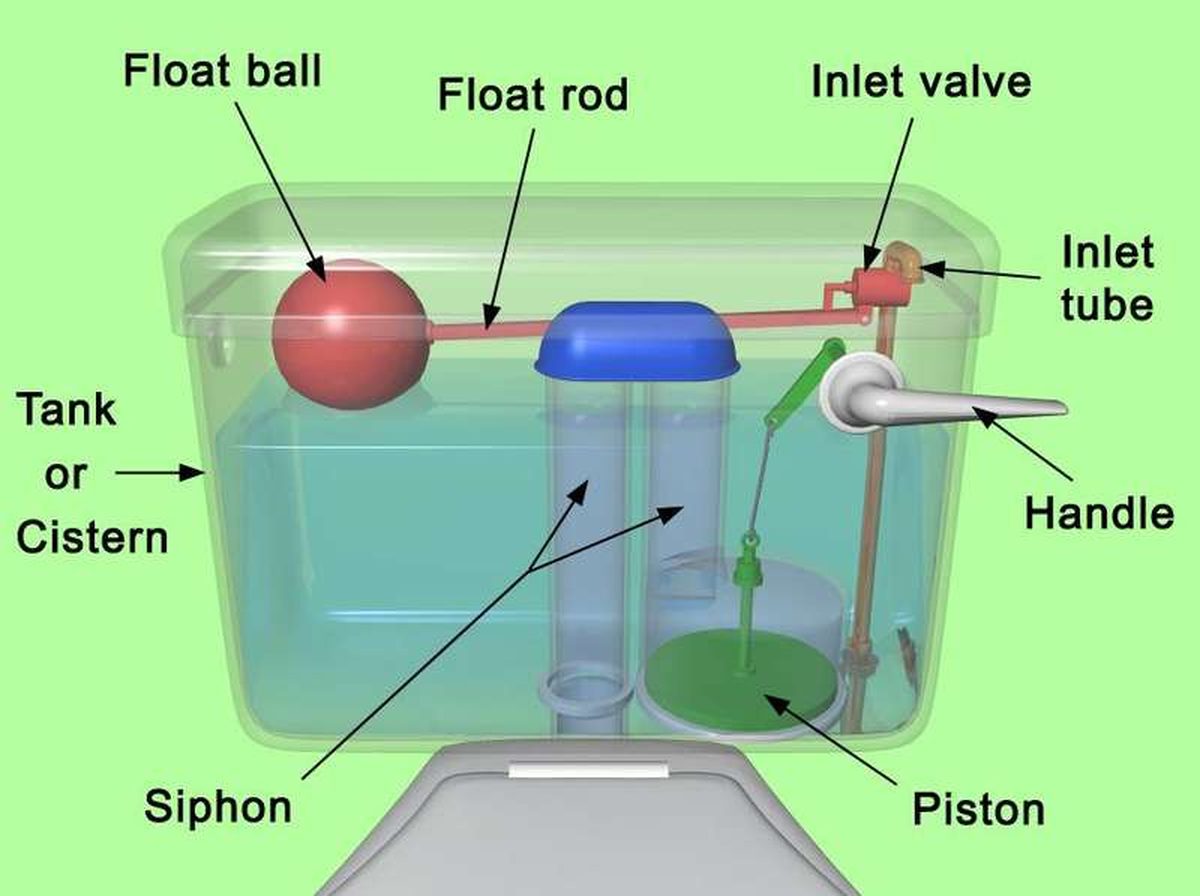
How to fix a running toilet without a plumber in 30 minutes
A running toilet can waste 200 gallons of water a day. Diagnose the flapper, float, or fill valve in two minutes, then fix it yourself
How to hang heavy shelves on drywall safely
Studs first, toggle bolts second, plastic anchors never for heavy loads. Weight ratings, installation steps, and mistakes that bring