
Why does condensation form on windows in winter?
Key takeaways
- Condensation appears when indoor air touches glass at or below its dew point. The dew point is the temperature where air can no longer hold all its water vapor.
- At 70°F and 40% relative humidity, the dew point sits near 45°F. A single-pane window's inner surface can easily drop below that on a cold night.
- Persistent wet windows can rot wood sills, peel paint, and feed mold. Lowering humidity or warming the glass are the two real fixes.
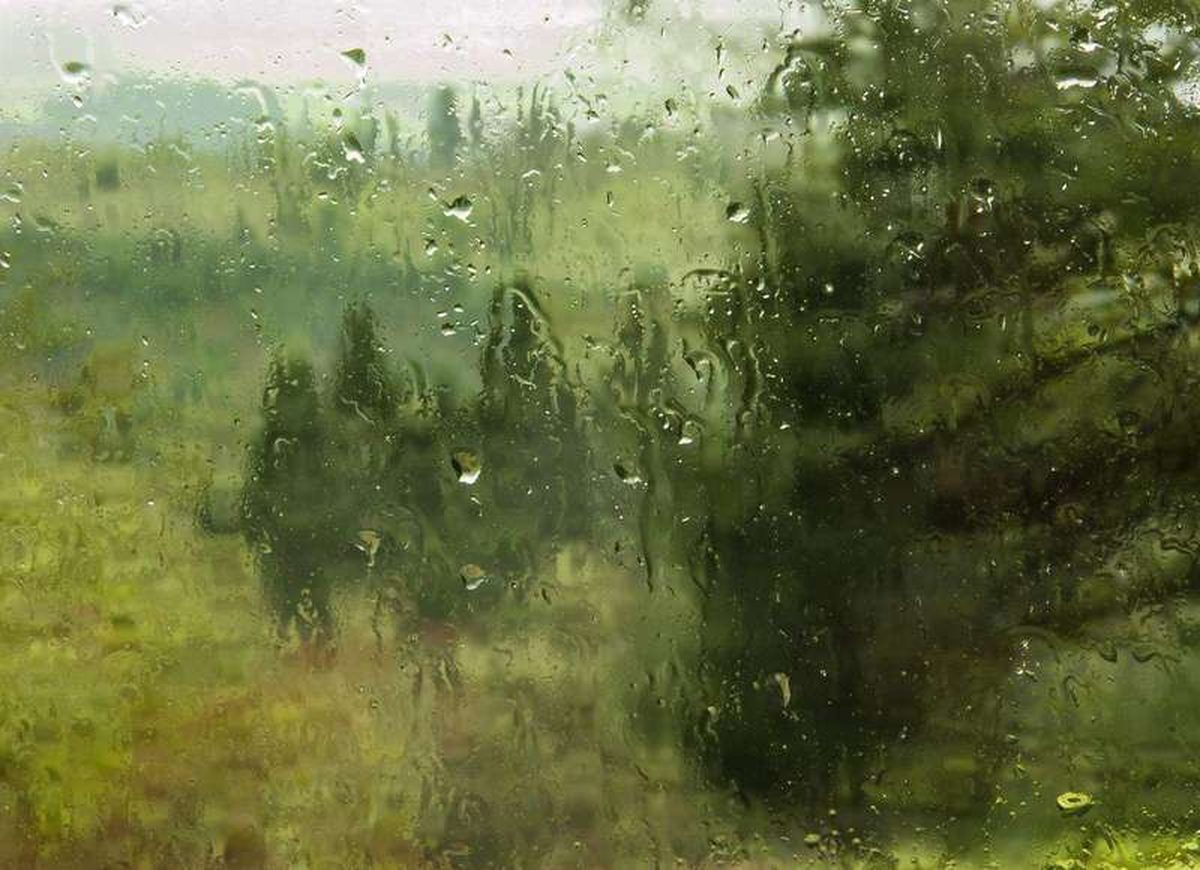
Condensation is water vapor turning back into liquid. Your indoor air always carries some invisible moisture. When that air meets a surface cold enough, the vapor gives up and beads into droplets.
Windows are simply the coldest large surface in most rooms during winter. The glass sits between your heated air and the freezing outdoors, so its inner face can drop far below room temperature. Once it crosses a threshold called the dew point, the sweating starts.
This article explains the physics in plain terms. It covers what the dew point is, why cold glass triggers it, why winter makes it worse, and what actually reduces it.
Why does condensation form on windows in winter: the mechanism
Air holds water as an invisible gas. Warm air can hold a lot of it. Cold air can hold much less. When warm, moist air cools down, there comes a point where it cannot keep all that vapor gaseous anymore. The excess condenses into liquid on whatever surface did the cooling.
You already know this from summer. A glass of ice water sweats on a hot day because the cold glass chills the air touching it past the point where the air can hold its moisture. Your winter window is the same trick in reverse: the "ice water" is the cold pane, and the "hot humid day" is your heated living room.
Everyday life keeps feeding moisture into that air. Breathing, cooking, showering, laundry, houseplants, and even pets all release water vapor. In a modern, well-sealed home, that moisture has nowhere quick to go. Indoor humidity climbs through the evening and peaks overnight.
The dew point, explained plainly
The dew point is the temperature at which air becomes fully saturated and starts dropping its moisture as liquid. It is not a fixed number. It moves with your indoor temperature and humidity: more moisture in the air means a higher dew point, which means condensation starts on warmer surfaces.
Here is the anchor number to remember. At about 70°F (21°C) with 40% relative humidity, the dew point is roughly 45°F (7°C).
Any surface in your home at or below 45°F will collect moisture from that air. Bump the humidity to 60% at the same temperature and the dew point climbs to about 55°F (13°C). Then far more surfaces qualify.
Window maker ProVia publishes a humidity selector chart that makes the relationship concrete.
With the house at 70°F and the outdoors at 0°F, indoor humidity must stay at or below 14% to avoid condensation entirely. At 30°F outside, the limit relaxes to 49%.
The colder the night, the drier your air needs to be.

Why winter makes windows the coldest surface
Heat flows from warm to cold, and glass is a poor insulator compared to your walls. On a freezing night, the inner face of the glass can sit much closer to the outdoor temperature than to your thermostat setting.
The numbers tell the story.
One window guide notes that on a very cold day, the inside surface of a single-pane window can fall into the low 40s or even the 30s Fahrenheit. Compare that with the 45°F dew point from the 70°F/40% humidity example, and the pane is sitting right at or below the threshold.
Droplets are inevitable.
Double and triple glazing raise the inner surface temperature by trapping insulating air or gas between panes. A typical double-pane unit might hold its inner surface around 55 to 60°F on that same night, and high-performance triple glazing can reach the high 60s. That is why better windows sweat less: the glass stays above the dew point more of the time.
There is a twist worth knowing.
Old, drafty single-pane windows often stayed clear because escaping house heat kept the glass warm. New tight homes hold humidity in while their efficient windows keep the outer pane cold. So condensation can actually appear more often after an upgrade.
It is usually a humidity problem, not a window defect.
Why some windows fog and others stay clear
Three variables decide whether a given window sweats: indoor humidity, the glass surface temperature, and air movement near the glass.
Humidity is the one you control most directly. Bathrooms and kitchens fog first because showers and cooking spike local moisture. Bedrooms often fog overnight as two sleeping people exhale vapor for eight hours into a closed room.
Glass temperature depends on the window's construction and the weather. North-facing windows run coldest. Single panes run coldest of all.
A failed seal in a double-pane unit lets moisture between the panes and kills the insulation. Fogging that never clears, or appears between the glass, means the unit itself needs repair or replacement.
Airflow matters more than people expect.
Heavy curtains drawn tight against the glass trap a pocket of still air that cools fast and condenses first. That is why the bottom corners behind drapes are usually the first to show droplets.
Cracking the curtains or running a small fan near the window keeps warmer room air washing over the pane.
One reassuring note: condensation on the outside of the glass on a summer morning is the opposite problem. It means the outer pane is well insulated from your air conditioning, and window experts treat it as a sign the window is doing its job.
What actually reduces window condensation
You have two levers, and they work best together: lower the indoor humidity, or raise the glass temperature.
Vent the moisture at its source. Run the bathroom exhaust fan during showers and for 20 minutes after. Use the range hood when cooking. Avoid drying laundry on indoor racks in winter if you can. These habits remove vapor before it ever reaches the glass.
Keep humidity in the winter-safe zone. ProVia's chart suggests that with 70°F indoors and 20°F outdoors, staying near 30 to 35% relative humidity keeps most double-pane windows clear. A basic hygrometer costs little and tells you where you stand.
Let warm air reach the glass. Open curtains and blinds during cold snaps, at least a few inches. Keep furniture and heavy drapes from sealing the window off. Moving air is warmer air.
Mind the edges. Wipe up standing water on sills before it soaks in. Repeated wetting swells wood frames, peels paint, corrodes hardware, and feeds mold on sills and nearby drywall. A little morning mist that evaporates by midday is harmless. Corners that stay dark and damp all winter are not.
If condensation persists despite dry air, the window itself is the suspect: poor insulation, failed seals, or aluminum frames acting as thermal bridges. Those are replacement or repair questions, not humidity questions.

FAQ
Is condensation on windows bad?
A light mist that evaporates during the day is normal in winter. It becomes a problem when water pools on sills, paint peels, wood swells, or mold appears. Chronic wetness is a maintenance issue, not just a cosmetic one.
Why do my new windows get condensation but my old ones did not?
Old leaky windows let house heat warm the glass and let moist air escape. New efficient windows keep the outer pane cold while the tight house holds humidity in. The fix is usually lowering indoor humidity, not replacing the windows.
What indoor humidity prevents window condensation in winter?
It depends on the outdoor temperature. Around 30 to 40% relative humidity at 70°F keeps most double-pane windows clear down to about 20°F outside. Colder nights demand drier air. Check a dew-point chart for your conditions.
Does wiping condensation off help?
It protects the sill and frame from water damage, which is worth doing. But wiping treats the symptom. Lasting relief comes from reducing humidity or warming the glass surface.
The bottom line
Window condensation is dew-point physics playing out on the coldest surface in your home. Know your indoor humidity, know roughly where your dew point sits, and keep the glass above it with drier air and better airflow. Do that and the winter sweating mostly stops on its own.
Rive News's research desk writes plain-English explainers on technology, health, money, home, and science.
Latest in Home
- eSIM vs physical SIM for international travel: what changes abroad
- Leg cramps vs restless legs syndrome difference, explained
- What is a daily periodic rate on a credit card?
- Why does ice float but most solids sink?
Get one practical explainer in your inbox every morning. Subscribe to the Rive News newsletter.
Corrections: spotted an error? We fix verified mistakes promptly and note the update with a timestamp.
Related stories

Why Your Faucet Keeps Dripping After You Turn It Off
A dripping faucet is usually a worn washer, O-ring, or cartridge that can no longer seal. One drip per second wastes over 3,000 gallons

How to fix a running toilet without a plumber in 30 minutes
A running toilet can waste 200 gallons of water a day. Diagnose the flapper, float, or fill valve in two minutes, then fix it yourself

How to hang heavy shelves on drywall safely
Studs first, toggle bolts second, plastic anchors never for heavy loads. Weight ratings, installation steps, and mistakes that bring