
Why Do Babies Love Peekaboo So Much? The Science of the Giggles
Key takeaways
- Peekaboo teaches object permanence, the milestone when babies learn that people and things still exist when hidden from view.
- The game also trains prediction, social bonding, and emotional regulation through a safe, repeated surprise.
- Babies usually master object permanence between 8 and 12 months, which is when peekaboo gets its biggest laughs.
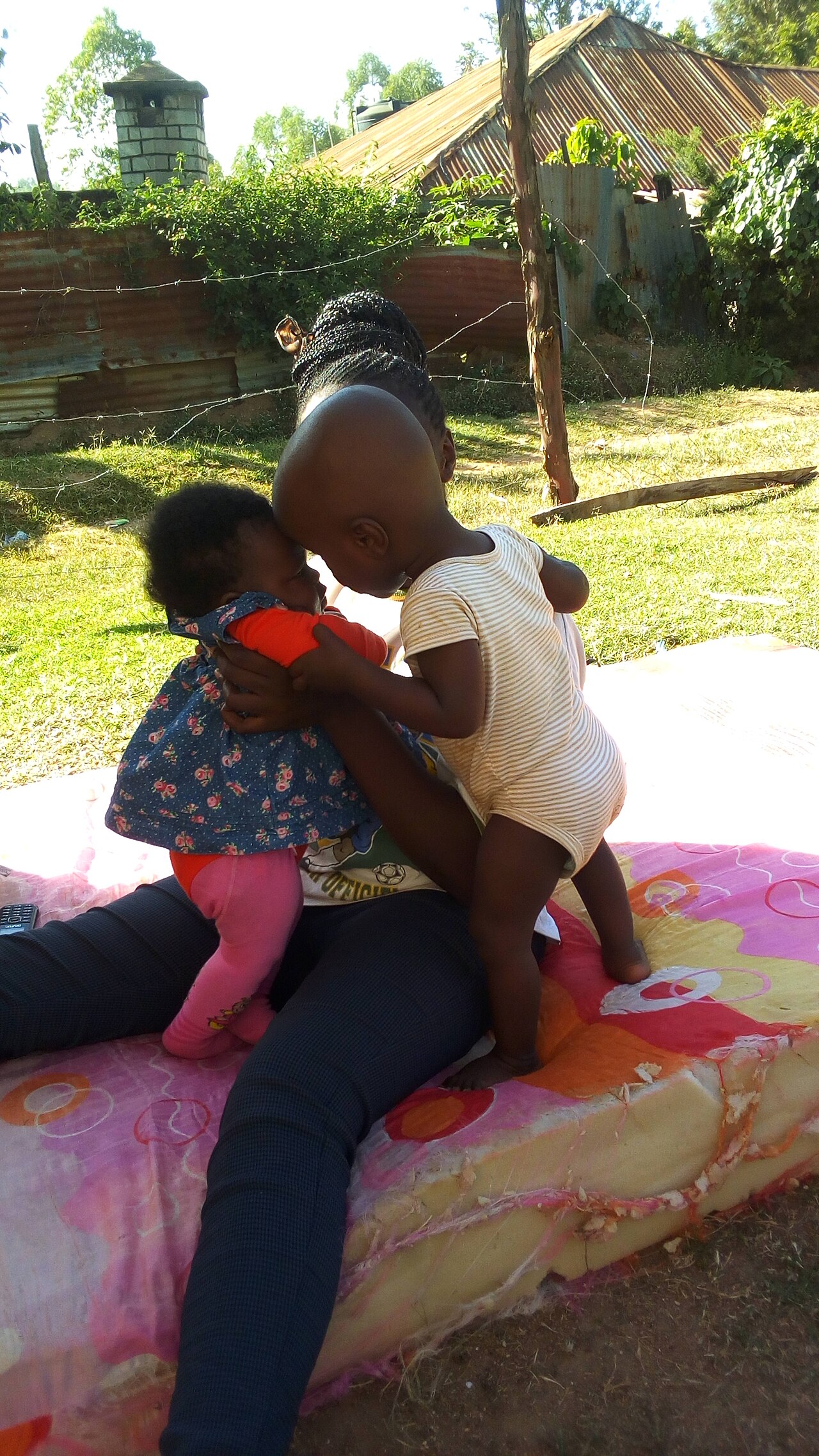
A baby at play. Simple games like peekaboo do serious cognitive work for infants. Photograph: PhilipFulu
Cover your face with your hands. Wait a beat. Drop them and say the word.
The baby shrieks with laughter like it is the funniest thing that has ever happened, then demands an encore. It looks like pure silliness, and it is, but underneath the giggling a baby's brain is doing some of its most important early work.
Peekaboo is, among other things, a live lesson in how reality works. Every round teaches the same reassuring sequence: you disappear, you still exist, you come back. For a brain that is still figuring out whether the world is continuous, that is riveting stuff.
This article explains the object-permanence science behind the game, why the surprise lands so hard, what else the game teaches, and when peekaboo peaks for babies.
Object permanence: the big idea behind the giggles
Object permanence is the brain's understanding that people and objects continue to exist even when they cannot be seen. Swiss developmental psychologist Jean Piaget first described it in his theory of cognitive development, published in 1936, as one of the major cognitive milestones of infancy.
Before babies develop it, a hidden thing is simply gone. If you cover a toy with a cloth in front of a six-month-old, the child often behaves as though the toy has vanished completely. By around nine months, many babies will lift the cloth to search for it, showing they now understand the object still exists.
Most babies begin developing this understanding between 8 and 12 months, though research suggests it may start as early as 4 to 7 months.
Peekaboo repeatedly reinforces this lesson, as developmental psychologist Dr. Aliza Pressman has explained: every round shows the same pattern, and the infant's brain files it away. The joy the participants feel, as child psychiatrist Dr.
Elizabeth Berger told The Bump, is the reassurance that people come back. The child knows the caregiver is still there behind the hands, and giggles when the face reappears.
Why the surprise works every single time
The laughter is not an accident. A baby's brain is a prediction machine, and peekaboo is a perfectly tuned prediction game. The hidden face creates a small burst of uncertainty, then the reveal resolves it with a smiling face and an excited voice.
That loop of tension and release is exactly the kind of input young brains find delicious.
The game also runs on social connection. Peekaboo is almost never played alone; it needs two people, eye contact, and shared timing. The baby is not laughing at the concept of hiding.
The baby is laughing with you, reading your face, your voice, and your delight, and returning it. The game is a conversation before the baby has words.
There is an emotional lesson in there too. The brief disappearance is a tiny, safe scare, followed by the happy return. Repeated hundreds of times, it teaches the nervous system a durable lesson: separations end, and people come back.
That is the same reassurance that later helps with separation anxiety at daycare drop-off.

Peekaboo is a social game: the baby reads the caregiver's face and voice and returns the delight. Photograph: Lomoraronald
What peekaboo teaches beyond object permanence
Object permanence is the headline, but the game carries a full curriculum. Piaget placed object permanence at the center of the sensorimotor stage, the period from birth to about 24 months during which babies learn about the world through sensory and physical exploration. Mastering it is a prerequisite for moving on to the next stage of cognitive development.
The game also builds attention and memory. To enjoy peekaboo, a baby must hold the caregiver's face in mind during the hiding phase, which is working memory in its earliest form. The turn-taking structure, you hide, baby waits, you reveal, prefigures the back-and-forth of later conversation.
Then there is the physics of anticipation. Babies start to predict the reveal: they stare at the hands, they smile before the drop, some even pull the hands away themselves. That prediction is the foundation of causal thinking, the idea that one event reliably follows another.
Games of hiding and finding scale up into hide-and-seek for toddlers and into full-blown theory of mind for preschoolers, and peekaboo is where the sequence starts.
When peekaboo peaks, and what comes next
Peekaboo has a developmental arc. In the early months, the delight is mostly sensory: the voice, the face, the rhythm. Around 8 to 12 months, when object permanence clicks into place, the game reaches its comic peak, because the baby now gets the joke on two levels, the surprise and the concept.
Then the game evolves. Babies start covering their own faces and expecting to be found, which shows they understand the game from the other side. Toddlers graduate to hiding behind curtains and under blankets, fully convinced that if they cannot see you, you cannot see them.
The mistakes are as instructive as the successes: each failed hiding spot teaches the child something new about perspective.
Parents can build on the game without any special equipment. Vary the hiding, behind hands, behind a blanket, behind furniture. Let the baby take the hiding role.
Add a peekaboo with a toy under a cup, which teaches the same object permanence with an object instead of a face. The core recipe never changes: disappear, return, laugh, repeat.
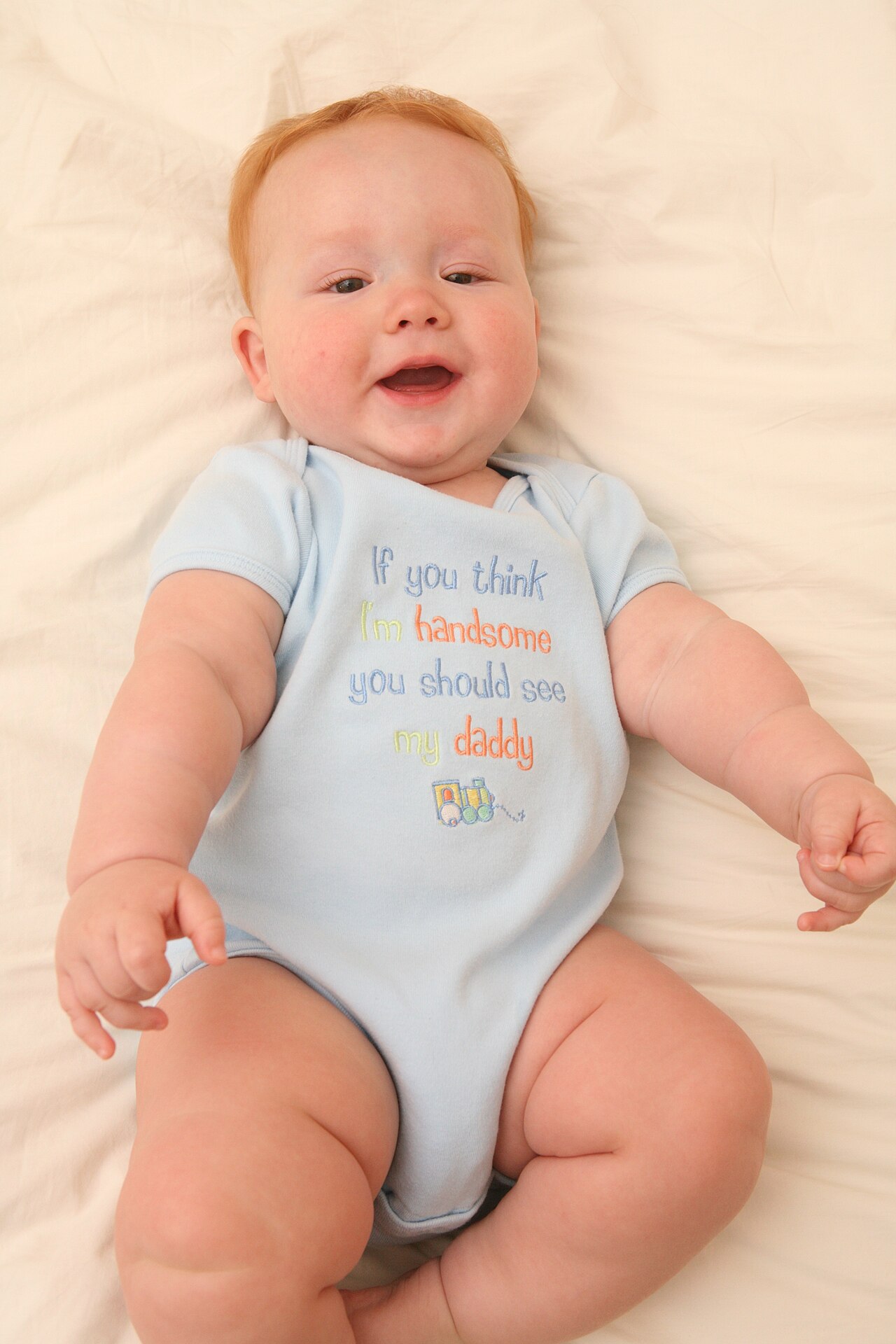
Most babies begin developing object permanence between 8 and 12 months of age. Photograph: Cphilp
Frequently asked questions
At what age do babies start enjoying peekaboo?
Babies can enjoy the sensory parts, voice, rhythm, and faces, from the first months. The game becomes much funnier around 8 to 12 months, when object permanence develops and the baby understands the hiding.
Does peekaboo actually help brain development?
Yes. It reinforces object permanence, builds working memory and prediction skills, and strengthens the caregiver bond through shared attention. Developmental psychologists consider it one of the most cognitively rich games of infancy.
My baby cries when I cover my face. Is that normal?
It can be. Some babies find the disappearance genuinely unsettling before object permanence develops. Keep the hiding very brief, stay cheerful, and try again in a few weeks.
The game should always feel safe.
When should a baby understand object permanence?
Piaget placed it around 8 months, and most babies show it between 8 and 12 months by searching for hidden objects. Research suggests earlier signs may appear from 4 to 7 months. Development varies, so treat these as ranges, not deadlines.
The bottom line
Babies love peekaboo because it is a perfect game for the brain they have: a safe surprise, a trusted face, and a repeatable lesson that hidden things still exist. Object permanence is the star, but prediction, memory, turn-taking, and emotional reassurance are all in the cast. So keep playing.
Every round is a small piece of the world becoming permanent.
Latest in Parenting
- Understanding parallel play in toddlers
- Why your child lies about little things
- Can stress really give you a headache?
- Why dogs lick people so much
Get one practical parenting science explainer in your inbox each week. Subscribe for the weekly parenting desk letter.
Image Credits: Wikimedia Commons / PhilipFulu, Lomoraronald, Cphilp
Related stories
Why babies cry more in the evening: the witching hour explained
The witching hour is the fussy evening stretch most newborns hit daily. Why overtiredness, cluster feeding, and overstimulation stack up
When Do Babies Start Sleeping Through the Night by Month?
Most babies sleep through the night between 3 and 6 months, with regressions at 4 and 8 to 10 months. See the month-by-month table

Why Your Baby Wakes Up the Second You Put Them Down
Newborns wake when put down as the startle reflex, light sleep, and lost warmth hit at once. It is normal and peaks early, fading