
Why Do Dogs Lick People So Much? Reasons and Fixes
Key takeaways
- Licking is a normal greeting rooted in puppy behavior, not a random habit.
- Taste, attention, and calming endorphins keep the behavior going.
- Redirect licking with rewards; see a vet if it turns obsessive or sudden.
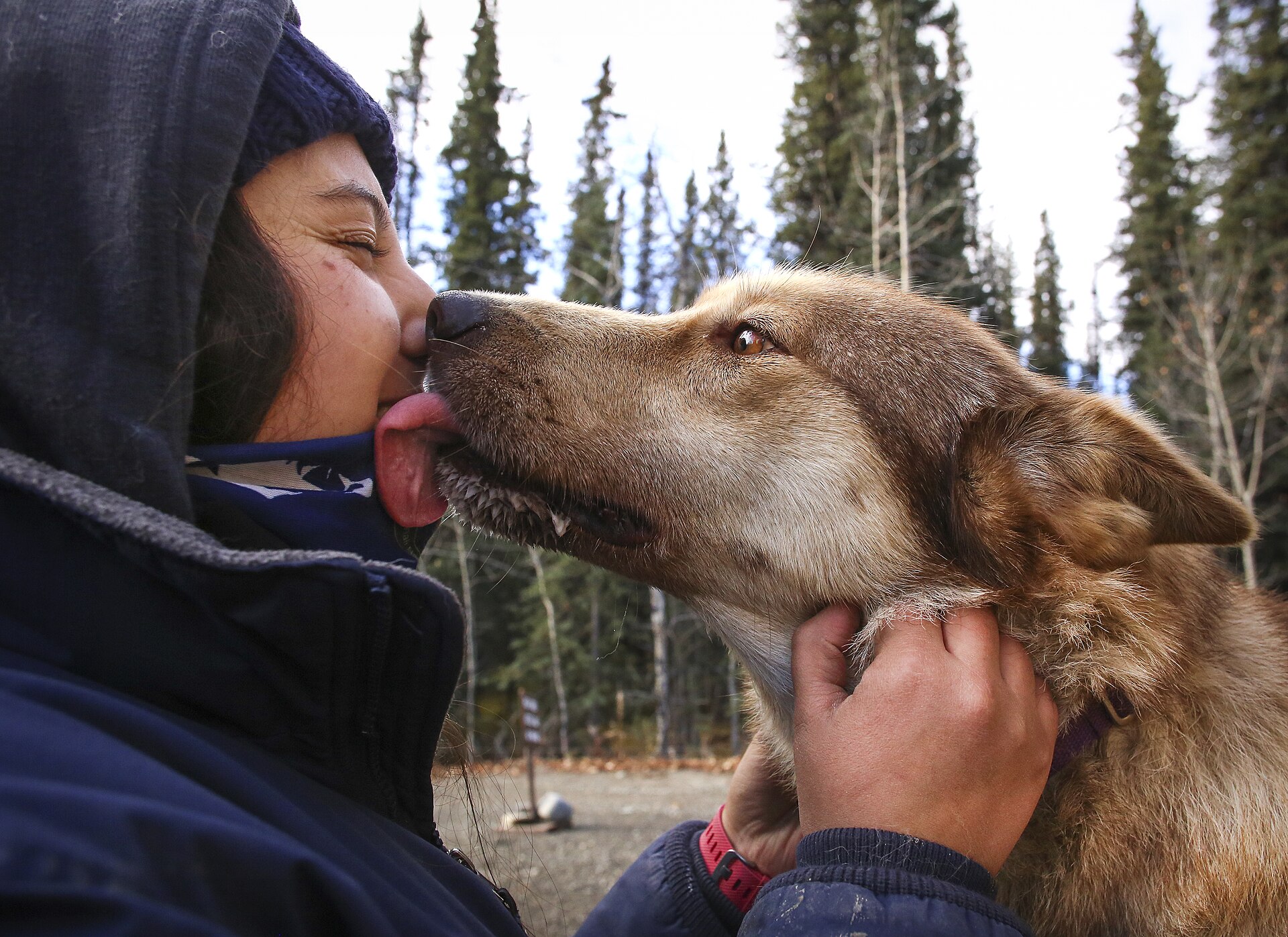
Dogs lick people for several overlapping reasons. The habit starts in puppyhood, gets rewarded by human reactions, and feels calming to the dog itself.
This article explains why dogs lick people so much, including the puppy roots of the behavior, the taste and attention loop, the calming effect, and when licking signals a problem. It ends with a practical plan to redirect the habit without scolding.
Licking is a greeting first
The most common reason dogs lick people is social. Emily Blackwell, lecturer in companion animal behaviour and welfare at the University of Bristol, told BBC Science Focus that licking is a social behavior with deep evolutionary roots.
"It is essentially a social behaviour that comes from their evolutionary history," Blackwell said. "It is a greeting and can be taken as a compliment."
That framing helps explain the timing. Many dogs lick most when a person walks through the door, sits down on the floor, or bends close to say hello. The lick works like a handshake in dog language.
It says the dog noticed you, knows you, and wants contact.
Adult dogs rarely lick the faces of other adult dogs, according to Blackwell. They direct this puppy-like behavior at humans instead. That detail matters, because it suggests people shape the habit by acting as lifelong caregivers.
Dogs that lick on arrival are usually relaxed and loose in the body. The tail may wag, the ears sit in a neutral position, and the dog moves toward the person rather than away. A greeting lick looks very different from tense, frantic licking, which points to stress or a medical cause.
The puppy roots of licking
Puppies learn to lick their mother for two linked reasons. They greet her, and they prompt her to share food. Blackwell explained that puppies lick their mother to greet her and to encourage her to bring up food, and the mother then regurgitates material for the pup to eat.
That early lesson sticks. A grown dog that licks a person after a meal may be repeating an old food request, not begging in the human sense. The behavior once produced a meal, so the dog keeps trying it.
The American Kennel Club (AKC) describes a similar origin. According to veterinarian Nicholas Dodman, cited by the AKC, wild puppies lick their mother's mouth as a signal for her to regurgitate meat she has hunted, and as a way of showing subordination. Domestic dogs carry that instinct into homes, where they use it with the people they treat as family leaders.
This history also explains why licking survives into adulthood. Humans feed dogs, greet them, and respond to them for years. The dog keeps using the behavior that worked in puppyhood, because it still works.
Scientists call the retention of juvenile traits into adulthood neoteny. Blackwell told BBC Science Focus that domesticated dogs show several puppy-like traits, including higher vocalization levels than wild adult dogs. Licking fits the same pattern.
It is a young behavior that never fully fades, because people keep rewarding it.
Taste plays a real role
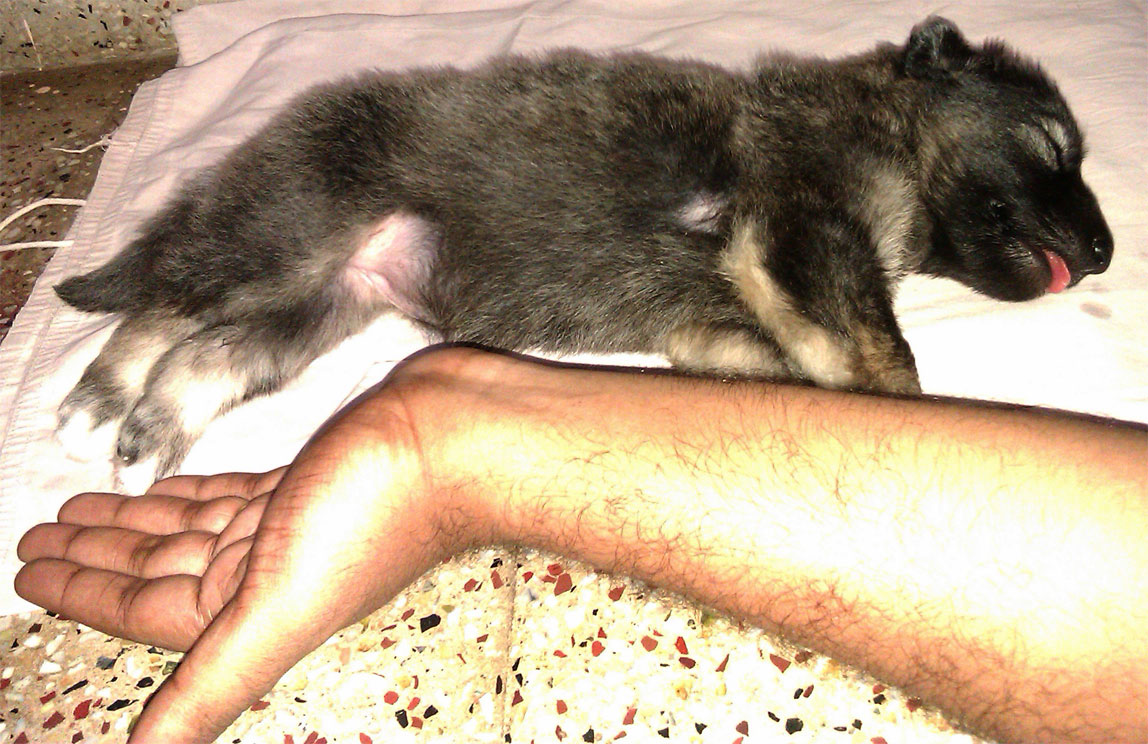
Licking is not only social. It is also sensory. Human skin carries salt from sweat, plus traces of lotion, food, and the day's activities.
Dogs explore the world with their mouths, so a lick gives them information.
The AKC notes that sweaty, salty skin can intrigue dogs, who tend to explore the world with their mouths and feel comforted by the scent of their owners. A dog that licks a person's legs after a run, or hands after cooking, is often chasing flavor as much as affection.
Marty Becker, writing in Pet Connection, made the same point in plain terms. He wrote that human skin is salty, and that dogs may lick even more in summertime after a person has perspired. He also noted that the scent or taste of lotion or sunscreen seems to encourage some dogs to lick.
That taste factor explains why licking clusters around certain moments. Feet, hands, and faces carry the strongest smells and flavors. A child with food on the face may get extra attention from the family dog for the same reason.
Taste also explains why dogs lick objects. A dog that licks a floor where food spilled, or a shoe that walked through a park, is gathering scent information. The tongue works like a second nose, pulling chemical clues into the mouth.
Attention keeps licking alive
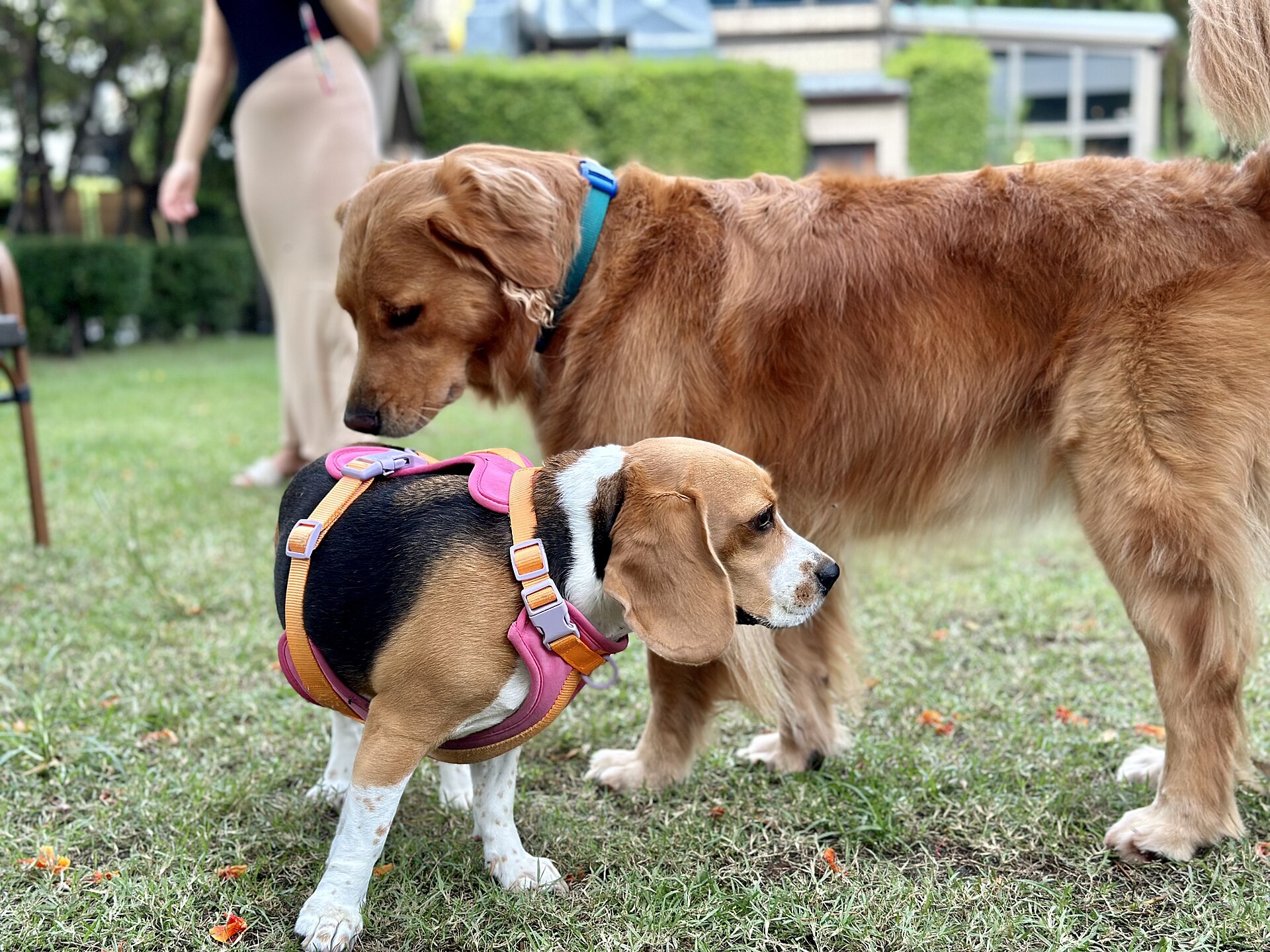
The strongest force behind repeated licking is the human response. Dogs learn fast, and almost any reaction counts as a reward.
The AKC explains that a scratch, a treat, a word, or even a scolding can act as positive reinforcement for licking. The dog learns that a lick makes the person pay attention, so the dog licks again. Laughter, pushing the dog away, and talking all count, because each one delivers the attention the dog wanted.
Becker made the same point. He wrote that whether owners laugh at the tickling sensation or push the dog away, the dog is happy because the owner noticed and petted or spoke to the dog. In a dog's world, few things beat that response.
This loop explains why licking often grows over time. A puppy lick seems cute, so people laugh and pet the puppy. The puppy grows, the lick gets wetter, and the habit is already trained.
Breaking the loop means changing the human side first. Ignoring the lick, standing up calmly, or turning away removes the payoff. Consistency matters more than speed, and every family member needs to respond the same way.
Licking feels calming to the dog
Licking does more than win attention. It also soothes the dog doing it. The AKC notes that licking releases endorphins, the feel-good hormones, which add to the reward of the behavior.
Becker described the same effect. He wrote that licking gives dogs a physiological feel-good sensation, because the action releases endorphins that serve a stress-relieving function and help the dog feel comfortable or contented.
That calming effect explains why some dogs lick when they are nervous. A dog that licks its own paws, the air, or a person's arm during a storm, a fireworks show, or a visit from strangers may be self-soothing. The repetition itself brings relief, even if the trigger stays.
Calm licking and anxious licking can look similar, so context matters. A dog that licks while pacing, panting, yawning, or tucking its tail is probably stressed. A dog that licks once during a greeting and then settles is probably just saying hello.
When licking signals a problem
Most licking is normal. Some licking needs a veterinarian. The AKC advises owners to speak with a veterinarian if a dog obsessively licks itself, a person, or an object such as bed sheets.
The vet may suggest medical treatment or a consultation with a behavior specialist.
Several red flags deserve prompt attention. A dog that licks one spot until the skin breaks, loses hair, or forms a sore needs care. A dog that cannot be redirected, and returns to licking at once, may have anxiety or obsessive-compulsive disorder.
A dog that licks the air or floor without a target may be nauseated or in pain.
The AKC also notes that dogs who frequently lick their feet may be trying to soothe a persistent itch caused by allergies. Dogs who lick their anal area often may need their anal glands expressed or may have allergies. These cases need a vet exam, not home training.
Becker reported one striking finding about dogs and human health. In a survey of 212 dog owners with Type 1 diabetes, 49.2 percent said their dogs licked them when they were experiencing dangerously low blood sugar levels. That result does not prove dogs can diagnose illness, but it shows that some dogs react to changes in their owner's scent or behavior.
Owners who notice a new, focused licking pattern should still check their own health and talk to a doctor if something feels off.
How to redirect licking without scolding
Scolding rarely works, because the dog reads it as attention. Blackwell told BBC Science Focus that telling a dog off after a lick is unlikely to help, since the licking is a greeting to the dog. She compared it to slapping away an offered handshake.
A better plan uses positive reinforcement. Blackwell suggested covering the face with a hand so the dog licks the hand instead, then rewarding that behavior. With repetition, the dog learns to aim for the hand rather than the face.
Owners can build on that idea with a few clear steps.
First, decide on the rule. If face licks are off limits but hand licks are fine, every person in the home must follow the same rule. Mixed signals confuse the dog and slow training.
Second, stay calm when the lick lands. Stand up, turn away, or walk a few steps without talking. Wait for a pause, then ask for a sit or another known behavior.
Reward the sit with calm praise or a treat.
Third, teach an alternative greeting. A dog that greets people by sitting, or by holding a toy in its mouth, cannot lick at the same time. Practice the greeting with family members before trying it with guests.
Fourth, give the dog other outlets. Puzzle feeders, chew toys, sniff walks, and short training sessions burn mental energy. A dog with a full day is less likely to demand attention through licking.
Most dogs improve within a few weeks of steady practice. The habit may flare up when guests arrive or excitement runs high. That is normal.
Calm, steady redirection beats a single dramatic correction.
FAQ
Why does my dog lick me so much?
Dogs lick for a mix of greeting, taste, attention, and self-soothing. The behavior starts in puppyhood, when pups lick their mother to greet her and prompt feeding, and it survives because people reward it with attention. If licking is sudden, frantic, or obsessive, a vet visit is the right step.
Should I punish my dog for licking?
No. Scolding usually acts as attention, which rewards the behavior.
The bottom line
Dogs lick people because the behavior is social, tasty, rewarding, and calming all at once. It begins as a puppy greeting and food request, and it survives because people respond to it.
This article is for general information, not veterinary advice. See a veterinarian for persistent, sudden, or obsessive behavior changes.
Tags: dogs, dog behavior, pet care, licking
Latest in Pets
- Why do cats hide when visitors come?
- How to stop a dog barking at every passerby
- Why do dogs roll in smelly things?
- Why does your dog tilt its head when you talk?
Subscribe for weekly pet care guides from the Rive News research desk.
Related stories

Why Does My Dog Eat Grass and Vomit?
A UC Davis study of 1,571 owners found grass eating is normal dog behavior, not self-medication: only 10% were ill first. What the science

Why Does My Dog Stare at Me While I Eat?
Dogs stare at you while you eat because it has worked before, and mutual gaze raises bonding hormones. Learn the reinforcement science

Foods toxic to dogs: the list, with reasons
Chocolate, xylitol, grapes, onions: common foods can harm dogs. Learn what makes each one toxic, the warning signs, and what to do if your