
Why Do Dogs Roll in Smelly Things Outside
Key takeaways
- Scientists have no single proven answer, but four theories lead: scent masking, communication, territory, and plain enjoyment.
- Wolves also scent-roll, and a study in the Canadian Journal of Zoology found they prefer some scents, like perfume, over manure.
- Prevention beats punishment: a leash, a strong "leave it" cue, and a reliable recall stop most rolls before they start.
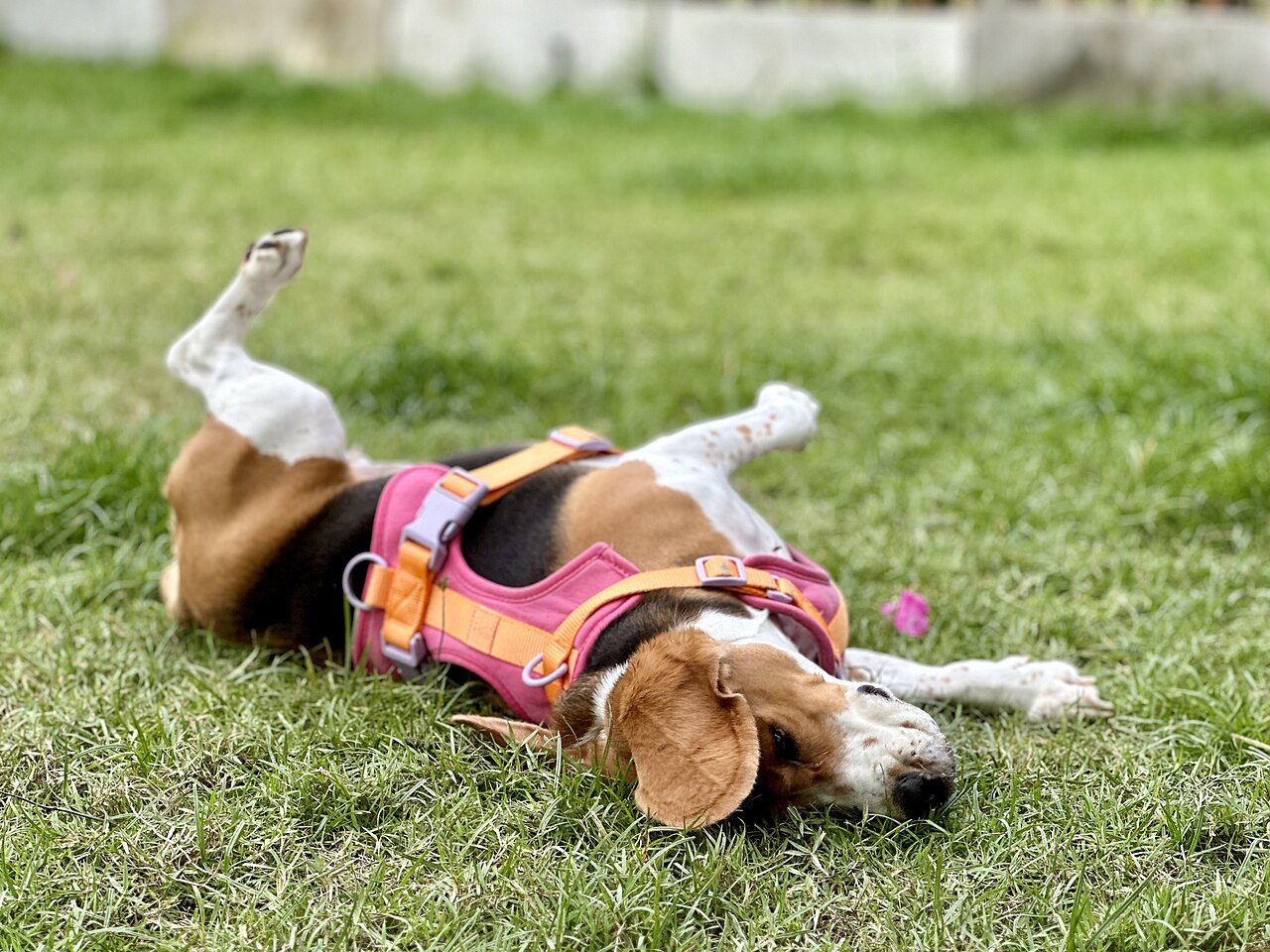
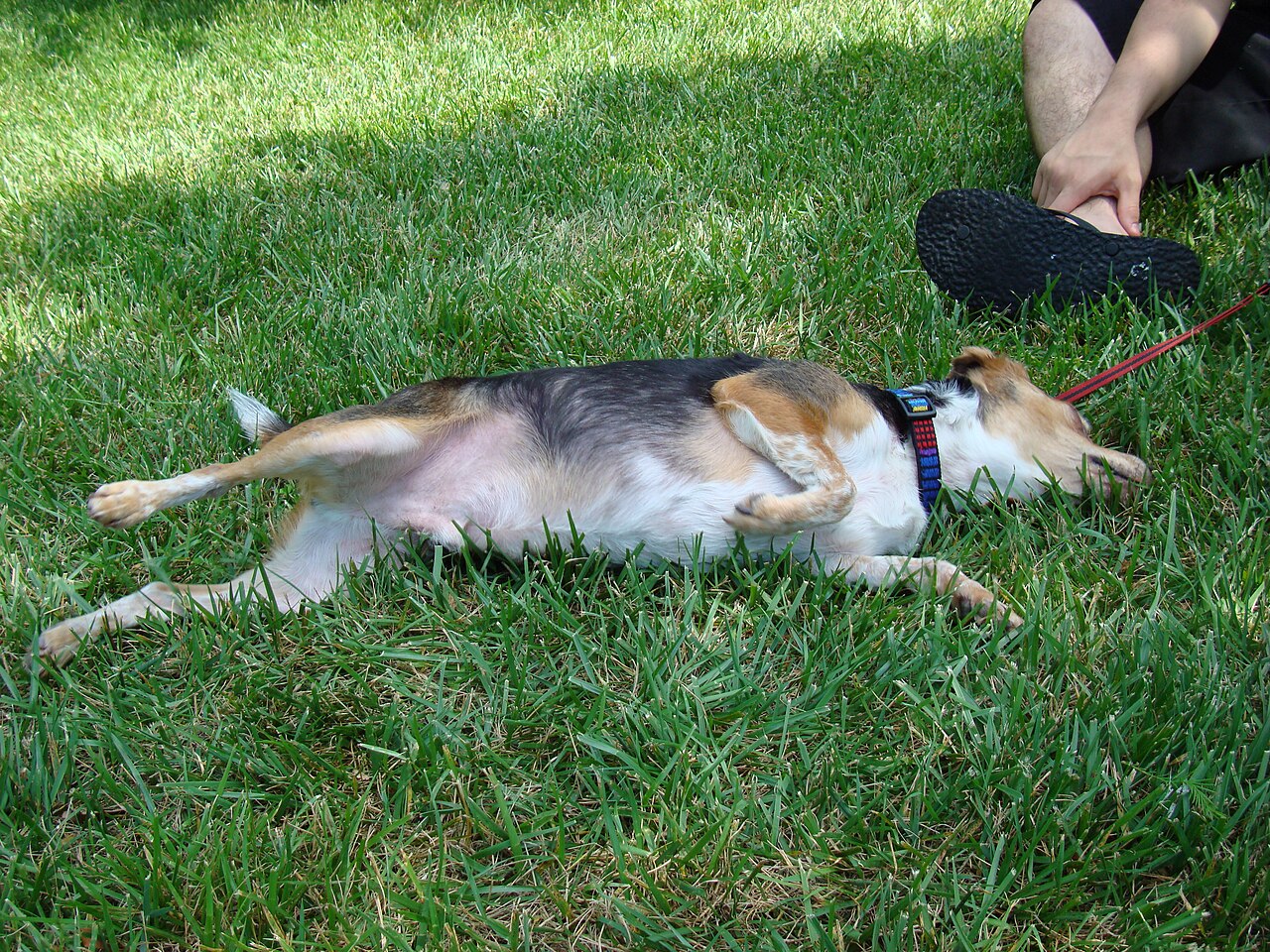
Every dog owner knows the moment. You call your dog on a walk, and it trots back coated in something foul, tail wagging, clearly pleased with itself. Dead fish, manure, a long-dead animal, or another dog's droppings all seem to qualify as perfume.
The behavior looks random, but it follows patterns that researchers have studied for decades. Dogs roll in strong smells on purpose, and the reasons trace back to their senses, their social life, and their wolf ancestors.
This article explains why dogs roll in smelly things, weighs the four leading theories, and covers what you can do to prevent the next bath-time disaster.
First, the honest answer: nobody knows for sure
The American Kennel Club states the position plainly. Scientists do not have a definitive answer for why dogs roll in stinky stuff. Several theories may help explain it, but none has settled the question.
That honesty matters, because many articles present one theory as fact. The real picture is a mix. Different dogs may roll for different reasons, and one dog may roll for one reason on Tuesday and another on Friday.
What researchers do know is that the behavior is widespread, natural, and old. Wolves roll in strong odors too, and domestic dogs kept the habit through thousands of years of living beside people. Whatever the original purpose, it was strong enough to survive domestication.
Theory 1: masking their own scent
The oldest and best-known theory says dogs roll in strong smells to hide their own scent. The idea is that a wolf coated in carcass smell could sneak closer to prey without giving itself away. A domestic dog doing the same thing would be replaying an old hunting script.
The Environmental Literacy Council calls this the most widely accepted explanation. Wolves, the ancestors of modern dogs, relied on stealth and surprise, and rolling in carrion or feces could have served as a primitive form of camouflage.
But the theory has weaknesses, and the AKC lays them out. Rachel Lane, a certified behavior consultant, points out that wolves are not typically ambush predators. Prey animals also rely more on movement than scent to spot danger, which limits how much a smell disguise could help.
Lane adds a point about domestic dogs.
"Dogs live closely with people, even street dogs, and they are more likely to find a food source scavenging than hunting. A scavenger has no need to disguise its own smell because they are not ambushing or trailing prey."
So scent masking may explain part of the story, but it does not close the case.
Theory 2: sending a message to the pack
A second theory turns the idea around. Instead of hiding information, the dog may be carrying information. A wolf that rolls in a carcass brings the smell back to the pack, and packmates can follow that scent to the find.
Pat Goodmann, an animal behavior expert at Wolf Park in Indiana, has studied scent-rolling in wolves. GreaterGood reports that she told the BBC the behavior may be less about hiding from prey and more about signaling to packmates.
In her reading, the rolling wolf communicates, "Look what I found."
The Environmental Literacy Council describes the same pattern. Wolves have been observed rolling in food and feces, then bringing those scents back to the pack, which follows the smell back to the source. It works as a form of sharing information about the environment with the social group.
The AKC treats this communication theory as the strongest of the group. Its summary notes that wolves appear selective about the scents they roll in, which fits a signaling behavior better than a simple disguise. A dog that rolls in a dead animal may be doing the canine version of dropping a pin on a map.
Theory 3: claiming the find
A third theory says the dog is marking the smelly object as its own. By rubbing against a carcass or a pile of droppings, the dog deposits its own scent on it and claims the discovery. The Environmental Literacy Council describes it as broadcasting, "This is mine," to other animals in the area.
The AKC is skeptical here, for a practical reason. Dogs usually roll with their backs and shoulders, not with scent-producing areas such as their anal glands. They also have far more precise marking tools already.
Lane explains: "When dogs mark with urine and feces, they are mostly communicating with other dogs, and usually this type of marking is pretty precise. It is used to tell other dogs, 'This is mine.'"
Rolling also picks up the object's odor, which could dilute the dog's own scent signal. If the goal were a clean claim, urine or fecal marking would be the more direct method. Claiming may play a role, but the mechanics argue against it being the main reason.
Theory 4: they simply enjoy it
The simplest theory may be the closest to the truth for many dogs. Rolling in a strong, novel smell may feel good. It may be fun, stimulating, and rewarding on its own, with no deeper purpose left.
Lane supports this reading.
"When they come across a novel, strong, stinky scent, they might be thrilled to have found something so fun to interact with. Dogs' sense of smell is incredibly strong when compared to a person's sense of smell, and they may delight in an unexpected enrichment activity that they happened to stumble upon."
GreaterGood makes the same point. Dogs experience the world mainly through smell, and rolling in a new scent may be a form of enrichment. By covering themselves in a smell, they can carry it with them and breathe it in whenever they choose.
This theory also explains a detail the other theories struggle with. In a study published in the Canadian Journal of Zoology, wolves preferred rolling in scents such as perfume and motor oil, even over sheep manure or pork, according to the AKC. A wolf seeking camouflage would hardly pick perfume.
A wolf chasing an interesting smell might pick exactly that.
What dogs roll in, and what it means
The foulest targets tend to be dead animals, feces, garbage, and rotting organic matter. These carry the strongest, most complex odors, which is consistent with both the communication theory and the enjoyment theory. A strong smell carries more information and more stimulation than a weak one.
Is rolling in smelly things dangerous?
The behavior itself is usually harmless, according to the AKC. The material the dog rolls in is where the risk sits. Carcasses and feces can carry bacteria, parasites, or other contaminants.
The Environmental Literacy Council lists the same risks. Dogs can pick up parasites, bacteria, or toxins from contaminated substances. Regular deworming, flea and tick prevention, and steering clear of obvious hazards reduce the danger.
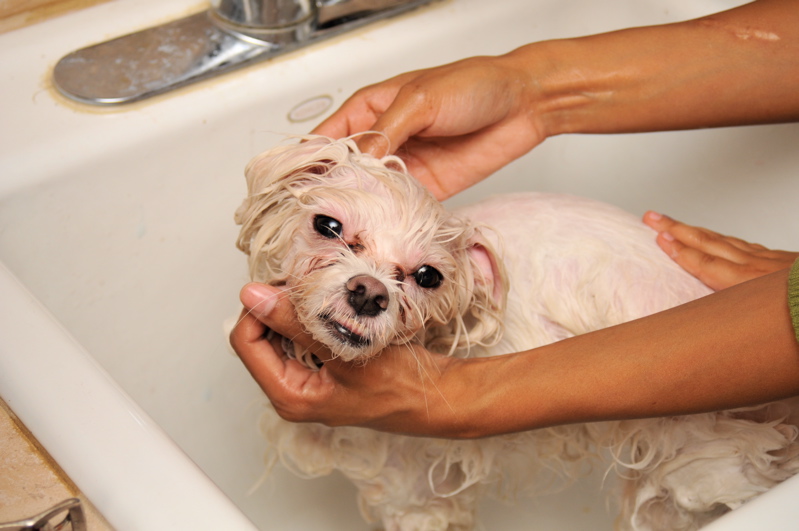
A bath after a foul roll is good sense. The AKC advises bathing a dog after it rolls in feces or other questionable substances. Use a dog-specific shampoo made to neutralize odors, and check the skin for cuts or ticks while you wash.
How to prevent the next roll
Punishment does not work here, and it can damage your relationship with your dog. GreaterGood notes that experts advise against punishing a dog for instinctual behavior. The better strategy is management plus training.
Stay alert in places where strong odors gather, such as farms, wooded trails, or areas visited by wildlife. A leash in those spots stops the roll before it starts. Watch your dog's body language, since most dogs sniff hard and circle before they drop and roll.
Train two cues that let you interrupt the behavior from a distance. Lane recommends both in the AKC article. "Teaching a strong 'leave it' allows you to cue your dog from far away to not roll in the stinky smell.
A good recall is also an effective way to interrupt and redirect a dog about to roll in something smelly."
If you catch your dog mid-roll, calmly move it away from the odor source and leash it. If the roll already happened, a bath is unavoidable. Reward the dog for coming to you, and keep the tone light.
Dogs also do plenty of stranger things with their mouths, and our article on why dogs lick people so much covers another one.
Frequently asked questions
Why does my dog roll in poop specifically?
Rolling in poop follows the same explanations as rolling in dead animals: scent masking, communication, claiming, and enjoyment. The AKC notes that the material may carry bacteria or parasites, so a bath after a poop roll is wise. Training a "leave it" cue is the most reliable prevention.
Do all dogs roll in smelly things?
No. Many dogs do it, but others show little interest. The AKC says personality, environment, breed tendencies, and past experiences all shape whether a dog rolls.
A dog that never rolls is not missing anything, and a dog that rolls often is not broken.
Can I train my dog to stop completely?
You can reduce the behavior a lot, but you may not erase the instinct. Consistent training and management work best. A solid recall and "leave it" command are the strongest tools, according to the Environmental Literacy Council.
Prevention through leashing in high-risk areas closes the remaining gap.
Why does my dog roll right after a bath?
A freshly bathed dog smells like shampoo, not like itself. Some owners suspect dogs roll to restore their own scent or cover the shampoo smell. The evidence is anecdotal, but the timing is common enough that many trainers treat it as plausible.
The bottom line
Dogs roll in smelly things for reasons that likely mix instinct, communication, and simple pleasure. The scent-masking theory has real weaknesses, the communication theory has the strongest support, and enjoyment explains the cases that neither covers.
You cannot reason a dog out of the habit, but you can manage it. Keep the leash handy in smelly places, build a "leave it" cue and a recall you can trust, and keep the shampoo within reach. The roll is gross, but it is also a reminder that your dog lives in a world of smell that you can barely imagine.
Tags: dogs, dog behavior, pet care, animals
Latest in Pets
- Why Dogs Lick People So Much
- Why Cats Hide When Visitors Come
- How to Stop a Dog Barking at Every Passerby
- Why Does My Dog Tilt Its Head When I Talk
Subscribe for one practical pet care tip each week, straight to your inbox.
Related stories

Why Does My Dog Eat Grass and Vomit?
A UC Davis study of 1,571 owners found grass eating is normal dog behavior, not self-medication: only 10% were ill first. What the science

Why Does My Dog Stare at Me While I Eat?
Dogs stare at you while you eat because it has worked before, and mutual gaze raises bonding hormones. Learn the reinforcement science

Foods toxic to dogs: the list, with reasons
Chocolate, xylitol, grapes, onions: common foods can harm dogs. Learn what makes each one toxic, the warning signs, and what to do if your