
How to Stop a Dog From Barking at Every Passerby
Key takeaways
- Barking at passersby usually pays off for the dog, because the person always walks away.
- Reward calm behaviour and block the view first, then retrain the response with gradual exposure.
- Never punish barking with shouting or shock collars, since fear makes the habit worse.
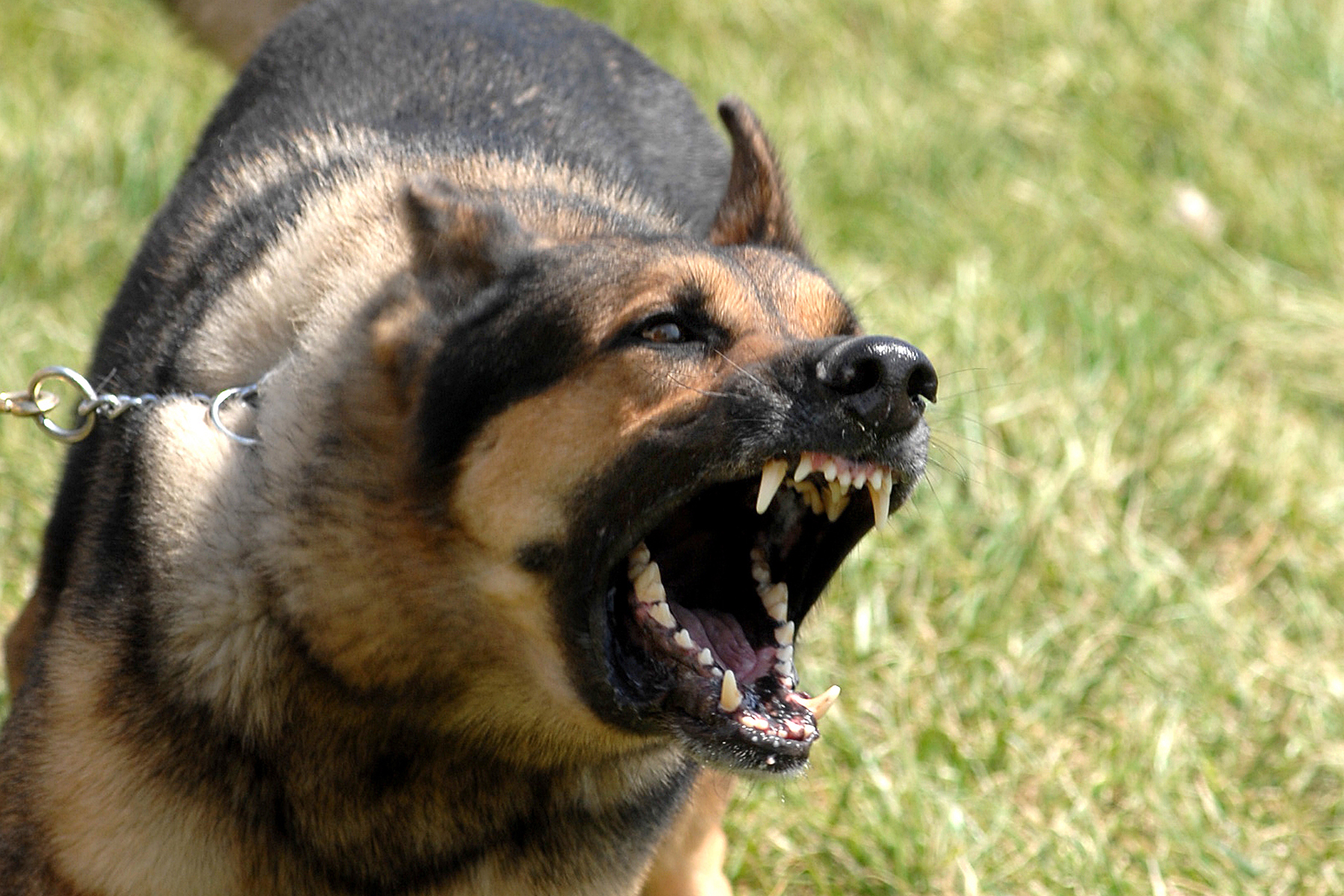
A dog that barks at every passerby is not being stubborn. It is doing a job that has always worked.
The person walks past, the dog barks, and the person leaves. From the dog's point of view, the barking caused the person to go away.
This article explains why dogs bark at passersby, including the reward loop that keeps the habit going, and lays out a reward-based training plan that replaces barking with calm behaviour.
Why dogs bark at passersby
Barking is normal communication for dogs. The UK veterinary charity PDSA says barking is a normal behaviour for many dogs, and that dogs bark to greet, to play, to warn others, and for many more reasons. The problem starts when the barking becomes excessive, or when the dog is distressed while barking.
Passersby trigger several motives at once. PDSA lists the common reasons dogs bark, including letting you know something is there, being scared or unsure of something, wanting attention, and not liking being alone. A person walking past the window can hit two or three of those at the same time.
Territory plays a large part. Dogs guard the space they live in, and a stranger walking past the front of the house looks like an intruder approaching that space. Guarding and herding breeds, such as German Shepherds, Rottweilers, and Australian Shepherds, tend to be more alert to people approaching their home, according to the Weary Panda guide.
Fear is the motive people misread most. PDSA warns that barking can look like confident or aggressive behaviour, but in many dogs it is the exact opposite, and the dog is feeling unsure or frightened. A dog that barks at a person in a hat, a cyclist, or a delivery driver may simply be startled by something unfamiliar.
The reward loop is what turns a single bark into a daily habit. PDSA explains the trap: the dog thinks its barking made the person go away, so the habit gets stronger every day. Every passerby leaves eventually, whether the dog barks or not, so the dog gets a "success" hundreds of times a month.
Novelty also matters. Alan Beck, a professor at Purdue University's College of Veterinary Medicine who studies the human-animal bond, explains that dogs are very aware of differences, especially new ones, and that being cautious around the unfamiliar is a safety strategy for a dog. Hats, hoods, uniforms, backpacks, canes, and wheelchairs can all make a familiar-looking person look strange to a dog.
Start by managing the environment
Training works faster when the dog stops rehearsing the barking all day. Every bark at a real passerby is practice. Cut the practice first.
Block the view. Frosted window film, blinds, or curtains limit what the dog can see.
Blocking just the lower half of a window can make a real difference, because many dogs watch the pavement from floor level. If the dog has a favourite lookout spot, move its bed away from that window.
One rule covers the whole household: do not shout at the dog to be quiet. PDSA warns that any attention, even shouting, can be seen as a reward by the dog.
From the dog's point of view, you just joined in the barking. Stay calm, redirect the dog, and reward the quiet that follows.
Teach a quiet cue
The "quiet" command gives you a way to interrupt barking without a fight. It works best if the dog already knows its name and a simple reward marker, such as "yes" or a click.
Let the dog bark once or twice when someone passes, then say "quiet" in a calm, firm voice. The moment the dog pauses, even for a second, mark it and give a treat. Repeat the exercise and slowly ask for longer pauses before the treat arrives.
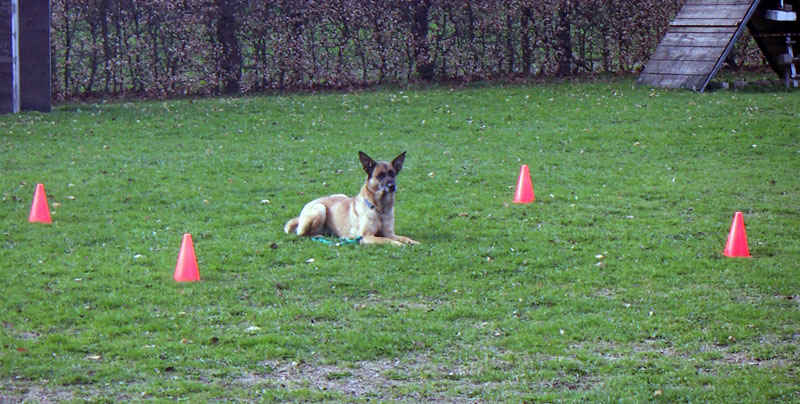
Teach a "go to your spot" cue as a partner to "quiet." Train the dog to go to a mat or bed on cue, away from the window, and reward it for lying there. Once that is solid, you can cue it when a passerby approaches, which gives the dog a job that competes with barking.
A dog cannot bark and hold a settled down-stay at the same time.
Desensitize and countercondition
Desensitization and counterconditioning are the core of the long-term fix. Desensitization means exposing the dog to the trigger at a level it can handle. Counterconditioning means changing how the dog feels about it, from threat to good news.
First, find the dog's distance. Work out how far away a passerby can be before the dog reacts.
Start there, where the dog can still notice the person and stay calm. That distance might be across the street, or it might be 30 metres away in a park.
Second, pair people with great treats. Each time the dog sees a passerby at that safe distance, give a small, high-value treat, such as chicken or cheese.
When the person leaves, the treats stop. The dog learns that people walking past predict chicken.
Third, close the gap slowly. Over days and weeks, reduce the distance only as fast as the dog stays relaxed.
If the dog starts barking, lunging, or refusing food, you moved too close too fast. Go back to the last distance where the dog succeeded.
PDSA gives the same advice for dogs that started barking at strangers after a quiet period: keep the dog a good distance away from strangers, reward calm behaviour, and gradually move closer over a number of days. If the dog starts to bark or gets uncomfortable, move further away and start again.
Keep the leash loose on walks. A 2026 study from the Swedish University of Agricultural Sciences found that dogs on a tight leash showed much higher reactivity during encounters than dogs on a loose leash. A tight leash tells the dog that you are tense, which tells the dog there is something to worry about.
Fix the underlying needs
Some barking comes from boredom or pent-up energy. A dog that gets little exercise and little mental work has a full tank of energy and one obvious outlet: the window.
PDSA advises at least two good walks a day with lots of playtime in between, and notes that some breeds need at least two hours of exercise every day. A dog that is not getting that much exercise will have a lot of extra energy to burn and will get bored easily.
Puppies need early socialization. Puppies that meet many kinds of people during the socialization period, roughly 3 to 14 weeks of age, are far less likely to be fearful of people as adults.
That window is set by classic research from John Paul Scott and John Fuller, published in 1965. After 14 weeks, socialization still works, but it takes more time and patience.
What not to do
Skip punishment. Shock collars, spray collars, and yelling may stop the noise for a moment, but they add fear to a dog that is already afraid. The Weary Panda guide warns that punishment can lead to biting, because a frightened dog that cannot bark may skip the warning and go straight to a snap.
Do not force greetings. Making a frightened dog approach a stranger, or letting strangers reach for the dog's head, raises anxiety. Let the dog choose whether to approach, and ask visitors to ignore the dog at first, avoid eye contact, and turn slightly sideways.
Do not expect silence. PDSA is blunt on this point: it is unlikely you will ever train a barky dog to be silent, and many owners would not want to. The goal is a dog that barks once, then settles when asked, not a dog that never makes a sound.
When to get professional help
Call in a certified trainer who uses reward-based methods, or a veterinary behaviourist, if the dog lunges, growls, snaps, or cannot calm down even at a distance. Those signs mean the dog is over threshold, and a professional can build a plan around the dog's specific triggers.
See a vet first if the barking started suddenly. PDSA advises that the first port of call for any behaviour problem should always be the vet, especially if the dog has only just started barking out of the blue or the barking is getting worse. Pain, hearing loss, or failing eyesight can all make a dog more reactive, and no training plan fixes a medical cause.
Expect the process to take weeks, not days. Progress shows up as small wins: five seconds of eye contact instead of barking, staying calm at a distance that used to set the dog off, or one bark and then silence. Those wins add up.
If barking is one of several behaviour puzzles in your household, you may also find it useful to read why dogs lick people so much and why dogs tilt their head when you talk.
Questions people ask about barking at passersby
Why does my dog bark at some people and not others?
Dogs react to novelty. A person wearing a hat, carrying an umbrella, or moving differently can look unfamiliar enough to trigger an alert bark. Dogs also read body language, so a person who stares, approaches head-on, or leans over the dog is more likely to get barked at.
Will my dog grow out of it?
Usually not. Barking at passersby is self-rewarding, because the person always leaves. Without training and management, the habit tends to get stronger with practice, not weaker with age.
Should I let my dog bark once and then stop it?
Yes, for most dogs. One or two alert barks are natural. The skill to train is the off-switch: bark, then settle when you say "quiet" and redirect to a spot or a look-at-me cue.
How long does training take?
Expect noticeable improvement in two to four weeks of daily practice, and solid reliability over two to three months. Dogs with deep fear or a long history of rehearsed barking take longer. Consistency across the whole household matters more than any single technique.
The bottom line
Barking at passersby survives because it works for the dog. Break the loop by blocking the view, rewarding calm behaviour, and retraining the response with gradual exposure and high-value treats.
Skip punishment, keep the leash loose, and give the dog enough exercise and mental work. The quiet will not arrive overnight, but a dog that barks once and settles is a realistic goal for most households.
Tags: dogs, dog training, barking, pet behaviour
Latest in Pets
- Why dogs lick people so much
- Why dogs roll in smelly things
- Why your dog tilts its head when you talk
- Why cats hide when visitors come
Subscribe for one practical pet behaviour tip in your inbox each week.
Related stories

Why Does My Dog Eat Grass and Vomit?
A UC Davis study of 1,571 owners found grass eating is normal dog behavior, not self-medication: only 10% were ill first. What the science

Why Does My Dog Stare at Me While I Eat?
Dogs stare at you while you eat because it has worked before, and mutual gaze raises bonding hormones. Learn the reinforcement science

Foods toxic to dogs: the list, with reasons
Chocolate, xylitol, grapes, onions: common foods can harm dogs. Learn what makes each one toxic, the warning signs, and what to do if your