
Why Do Cats Hide When Visitors Come Over
Key takeaways
- Cats hide from visitors because new people, smells, and noise overload their senses and break their sense of control.
- Hiding is a normal coping strategy, not bad behaviour, and a cat should never be dragged out of a hiding place.
- Give the cat a quiet retreat, brief guests on cat etiquette, and watch for changes that call for a vet check.
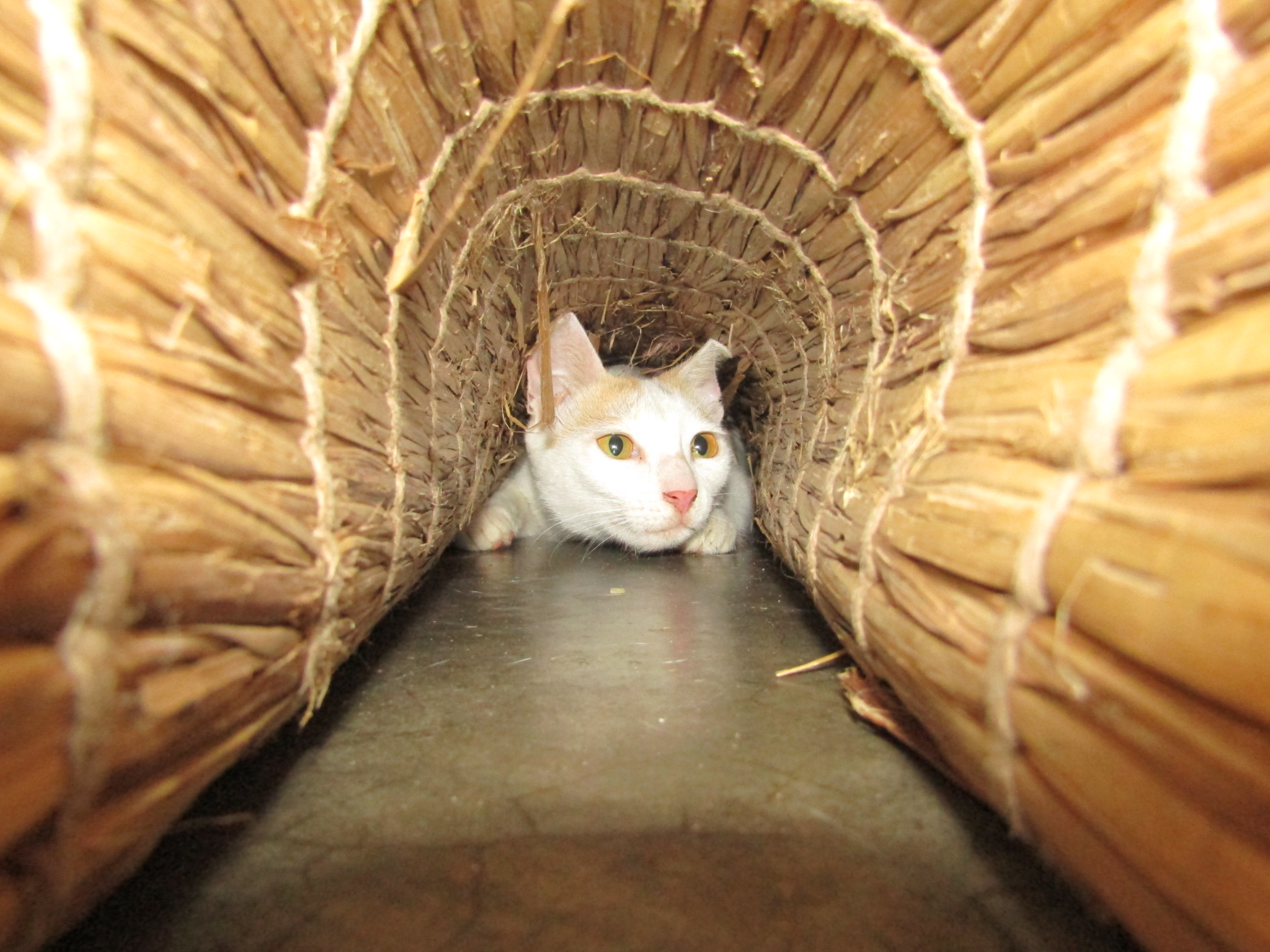
The doorbell rings, a new voice fills the hallway, and your cat vanishes. One moment she was on the sofa. The next, she is under the bed, behind the wardrobe, or on top of a cupboard.
She may stay there until the last guest leaves.
This is one of the most common cat behaviours owners ask about. It looks rude or fearful, and it can feel embarrassing when guests want to meet the cat. In most cases, though, it is a normal coping strategy.
The cat is managing stress in the way cats have managed it for thousands of years.
This article explains why cats hide when visitors come over, what helps, what makes it worse, and when hiding calls for a vet visit.
Cats are both predator and prey
Cats hunt, but they are also small enough to be hunted. That double role shapes almost everything they do. Kelley Bollen, a certified animal behaviour consultant writing for the Humane Network, points out that cats are not only predators but also prey animals, and hiding is a behaviour that keeps them safe from being found by a predator.
A hiding cat is not being dramatic. Invisibility equals safety in the cat world. A cat that cannot be seen, smelled easily, or cornered is a cat that is hard to catch.
The instinct runs deep, even in a comfortable home with regular meals and no real danger.
The same instinct explains why cats choose high shelves and enclosed boxes. Height gives a wide view and a hard-to-reach perch. A box gives walls on three sides and one small entrance to watch.
Both reduce the chance of a surprise approach.
Visitors break the deal. A stranger is an unknown animal in the cat's territory, moving in ways the cat cannot predict. Hiding restores the cat's sense of control until the unknown goes away.
New people overload a cat's senses
A guest brings far more than a new face. A guest brings a new smell, a new voice, new clothes, new footsteps, and new movement patterns. A cat's senses are far sharper than a human's, so the change lands hard.
Perfume, aftershave, cigarette smoke, and the smell of another animal on a guest's clothes can all hit a cat at once. Loud laughter, heavy footsteps, and sudden gestures add to the load. Children can be harder still, because they move fast, make high-pitched sounds, and often approach a cat head-on.
Cats also read body language closely. A guest who walks straight toward a cat, leans over it, and reaches out with a hand looks like a threat, even when the guest means to be friendly. To a cat, a polite greeting is a sideways glance and a slow blink, not a direct approach.
Routine matters too. Cats are creatures of habit, and they feel safest when the day runs on a familiar pattern. A visit breaks that pattern.
The front door opens more often, chairs move, voices fill rooms that are usually quiet, and the cat's favourite spots may be taken. Hiding is the cat's way of waiting out the disruption.
Personality and early life play a part
Not every cat hides. Some cats greet guests at the door and supervise the whole visit. The difference often comes down to temperament and early experience.
Kittens that meet a range of people, sounds, and settings during their early weeks often grow into more confident adults. Kittens with little contact with strangers may grow into cautious adults. Neither outcome is a failure.
It is the result of the cat's nature plus the life it has lived.
Past experience matters as well. A cat that was once picked up against its will, chased by a child, or cornered by a loud guest can form a lasting link between visitors and fear. That link can persist long after the single bad visit.
Age and health can shift the pattern too. An older cat, or a cat that feels unwell, may have less energy to cope with change. Hiding gives that cat a quiet place to rest while the house is busy.
What hiding is telling you
Hiding itself is not a problem to fix. It is information. A cat that hides during visits but eats, plays, and seeks you out at other times is usually coping well.
Watch the pattern rather than the single event. A cat that hides for an hour during a noisy party and then comes out for dinner is managing. A cat that hides for most of the day, skips meals, or avoids the litter box is telling you something bigger is wrong.
Sudden changes deserve attention. If a normally social cat starts hiding from everyone, including you, that is a change worth noting. The Humane Network notes that cats instinctively hide when they feel sick, because hiding reduces their vulnerability when they do not feel well.
Other warning signs include refusing food, drinking far more or far less than usual, vomiting, diarrhoea, hiding for more than a day, or hissing and growling when approached. If you see these signs, arrange a vet check rather than assuming the cat is just shy.
How to help before guests arrive
The best help starts before the doorbell rings. Set up a retreat room that the cat already knows and likes. It should have water, a litter box, a comfortable bed, a scratching post, and at least one hiding place.
A covered bed, a cardboard box with a small entrance, or a shelf with a blanket all work.
RSPCA Australia advises that cats need private, safe, and quiet places to retreat when they feel threatened or overwhelmed. The charity notes that a retreat does not need to be elaborate, and that an elevated shelf or a soft bed tucked in a quiet corner can be enough.
Keep the retreat available all the time, not only on visit days. A hiding place that appears only when guests arrive will smell new and feel strange. A hiding place that is always there belongs to the cat.
Feed the cat in or near the retreat before guests arrive. A cat that has eaten and used the litter box is less likely to need to cross a busy room later.
If your cat has a favourite blanket or toy, leave it in the retreat. Familiar smells are calming. A pheromone diffuser in the room may help some cats, and it is worth asking your vet about it before a big gathering.
Guest rules that actually help
Brief guests before they arrive. Most people want to be kind to the cat. They just do not know how cats prefer to be approached.
Ask guests to ignore the cat at first. No chasing, no reaching under furniture, and no picking the cat up. If the cat approaches, the guest should let the cat sniff and decide what happens next.
A slow blink and a turned shoulder are friendlier to a cat than direct eye contact and an outstretched hand.
Keep the noise down where you can. Ask guests to avoid loud greetings near the cat's retreat. Keep children from following the cat into its hiding place, and give children a clear rule: if the cat walks away, the game is over.
Never pull a cat out of a hiding place. Bollen warns against this directly: do not pull the cat out from her hiding place, since she will come out when she feels safe. Forcing a cat out teaches it that hiding does not work, which raises stress rather than lowering it.
Can a shy cat learn to be more social?
Some shy cats grow bolder with slow, patient work. The method is gradual exposure paired with good things, and it takes weeks rather than minutes.
Start with one calm visitor rather than a crowd. Keep the visit short. Let the cat watch from a distance or from a high perch.
Reward any calm curiosity with a quiet word or a treat tossed nearby.
Repeat the pattern with the same visitor a few times before adding new people. Consistency helps the cat learn that visitors predict calm, boring events rather than chaos.
Short play sessions can build confidence too. A wand toy lets the cat play while keeping a safe distance from the person holding it. Play also burns off nervous energy and builds a link between people and fun.
Accept the cat's limits. Some cats will always prefer a quick hello followed by a nap under the bed. That is a fine outcome.
A cat that feels free to hide is a cat that feels in control, and control is what calm behaviour is built on.
A simple plan for visit day
A short routine keeps visit day calm. Set up the retreat in the morning. Feed the cat and let it settle.
When guests arrive, keep the front door area calm and let the cat choose its spot.
Check on the cat once during the visit. A quick look, a fresh bowl of water, and a quiet word are enough. Do not drag the cat out for introductions.
When guests leave, give the cat time. Most cats reappear within minutes once the house goes quiet. If the cat stays hidden for hours, check that food, water, and the litter box are all in reach, and watch for the warning signs listed above.
Common questions about hiding cats
Owners ask the same questions after almost every visit. These answers cover the most frequent ones.
Is it normal for a cat to hide from everyone except me?
Yes, this is common. Many cats bond closely with one person and treat everyone else as a stranger. It is usually a sign of a strong bond with you, not a problem with the cat.
Will my cat ever stop hiding?
Some cats grow bolder with age and slow exposure. Others stay cautious for life. Either outcome can be healthy as long as the cat eats, plays, and rests normally outside visit times.
The bottom line
Cats hide from visitors because strangers overload their senses, break their routine, and remove their sense of control. Hiding is a normal coping strategy rooted in the cat's double life as predator and prey.
Give the cat a quiet retreat, brief guests to let the cat choose, and never drag the cat out of hiding. Watch for sudden changes in appetite, litter box habits, or hiding that lasts far longer than usual, and get a vet check if those appear. A cat that is free to hide is a cat that feels safe, and a cat that feels safe is the one most likely to come out on its own terms.
Tags: cats, cat behaviour, pets, visitors
Latest in Pets
- Why dogs lick people so much
- How to stop a dog barking at every passerby
- Why dogs roll in smelly things
- What vaccinations do indoor cats need
Subscribe for one practical pet guide in your inbox each week.
Related stories

Why Does My Dog Eat Grass and Vomit?
A UC Davis study of 1,571 owners found grass eating is normal dog behavior, not self-medication: only 10% were ill first. What the science

Why Does My Dog Stare at Me While I Eat?
Dogs stare at you while you eat because it has worked before, and mutual gaze raises bonding hormones. Learn the reinforcement science

Foods toxic to dogs: the list, with reasons
Chocolate, xylitol, grapes, onions: common foods can harm dogs. Learn what makes each one toxic, the warning signs, and what to do if your