
Why Kids Cover Their Ears at Hand Dryers: the Science Explained
Key takeaways
- A published study measured public hand dryers at up to 121 dBA, with many over 100 dBA at children's ear height.
- Children's ears sit closer to dryers and are more vulnerable to noise-induced damage than adults.
- Earplugs, paper towels, or simply covering ears and stepping back all reduce exposure.
When a child covers their ears at a public hand dryer, they are reacting to something real. Many hand dryers blast noise that is genuinely louder at a child's ear height than at an adult's.
It is not misbehavior and it is not necessarily exaggeration. Their ears are closer to the machine, and those ears are more sensitive to damage.
This article explains the science behind the noise, what a 9-year-old's published study found when she measured dozens of dryers, and what parents can practically do about it. It is an explainer, not medical advice; talk to a pediatrician or audiologist about any hearing concern.
How loud hand dryers really get
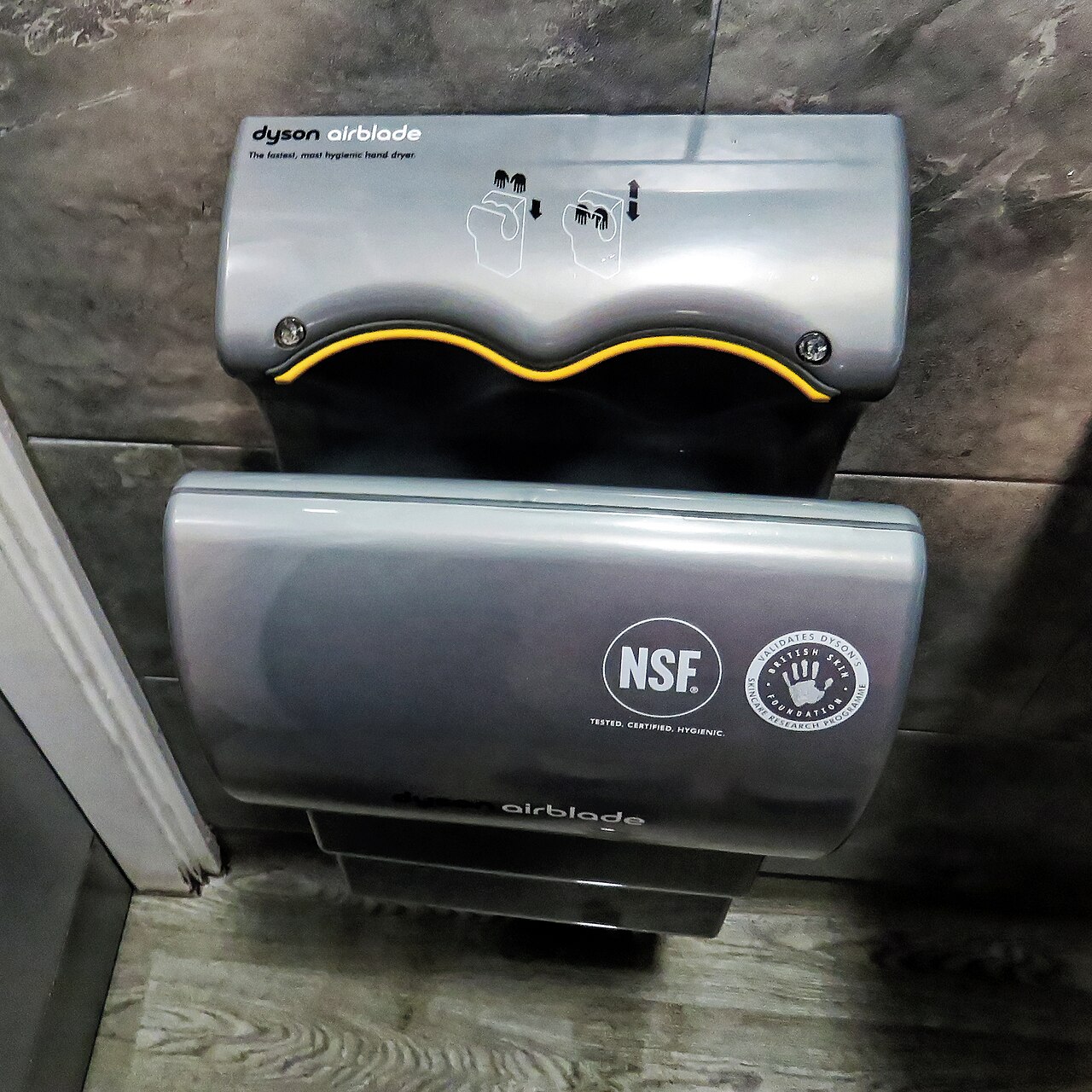
Hand dryers are louder than most adults realize, and the published numbers back the complaints. In a study published in the journal Paediatrics and Child Health, researcher Nora Keegan measured 44 automated hand dryers in public washrooms across Alberta, Canada. The single loudest measurement was 121 dBA, from a Dyson Airblade model.
Many units crossed the danger line. All Xlerator models tested were louder than 100 dBA at every measurement whenever hands were in the airstream.
Two out of three Dyson Airblade models tested exceeded 105 decibels when measured at the height of a 3-year-old. A separate summary of field measurements found an average maximum level of 94.86 dBA across 54 trials at 27 locations.
Context helps. A normal conversation runs about 60 dB. Heavy traffic reaches roughly 80 to 90 dB.
The US Environmental Protection Agency recommends hearing protection for children at noise levels above 85 decibels. A 2016 study in an Indian pediatric journal found that a child's sudden exposure to noise above 100 decibels can lead to learning difficulties and hearing damage.
The dryers are also louder than advertised. Keegan's readings were significantly above the noise levels reported by manufacturers.
Xlerator units, for example, were far above their stated operating loudness of 70 to 80 dB. As her published conclusion put it, many hand dryers operate at levels far louder than manufacturers claim.
Why kids hear them as louder
Children are physically positioned for the worst of it. Keegan measured at multiple heights and distances, including the average ear height of a 3-year-old, and her findings were blunt: many dryers were louder at children's ear heights than at adult heights. A machine that sounds loud to an adult can be much worse for a smaller child standing closer to the airflow.
Children's ears are also more vulnerable. Research cited in the study notes that children's ears are more sensitive to damage from loud sounds than adult ears.
Health Canada prohibits the sale of toys with peak loudness above 100 dB. Several of the dryers Keegan tested would not qualify as toys under that rule.
There is a sensory side too. For some children, the burst is not just loud, it is overwhelming.
The Queen Zone's writeup of the study notes that people with tinnitus, migraines, autism, ADHD, or sensory processing differences do not experience the sound as background noise. For them it is a wall of sound, and covering the ears is a rational response.
The startle matters as well. Dryers fire suddenly and at full volume with no warm-up. Sudden loud noise triggers a stronger reaction than a sound that ramps up gradually, which is part of why kids flinch, cry, or bolt even when the exposure is brief.
The 9-year-old's study that changed the conversation
Nora Keegan's project started the way good science often does: with an irritating personal experience. Her ears rang after using public hand dryers, so she started asking how loud they really were. She was 9 when she began measuring and 13 when her work was published in Paediatrics and Child Health, likely making her one of the youngest researchers published in that journal.
Her method was thorough. She carried a decibel meter, a ruler, and measuring tape into public washrooms at libraries, restaurants, schools, and shopping centers.
Each of the 44 dryers was measured at 10 combinations of heights and distances from the wall, both with and without hands in the airstream, for 20 measurements per dryer. In total, she took 880 measurements.
Before her work, researchers had suggested that public hand dryers would not cause hearing damage unless someone was exposed up close for at least seven minutes. Keegan's project challenged that assumption by showing that the peak levels were far higher than the 90 dB earlier estimates assumed.
Her study did not measure her own reaction. She measured the machines.
She also acknowledged her study's limits. For many dryer models, only one device was found installed in public washrooms, so a loud reading on one unit does not mean every unit of that model is equally loud. Still, her core finding stands: dryers are louder at children's heights than at adult heights, and many exceed safe levels for kids.
What parents can do about it
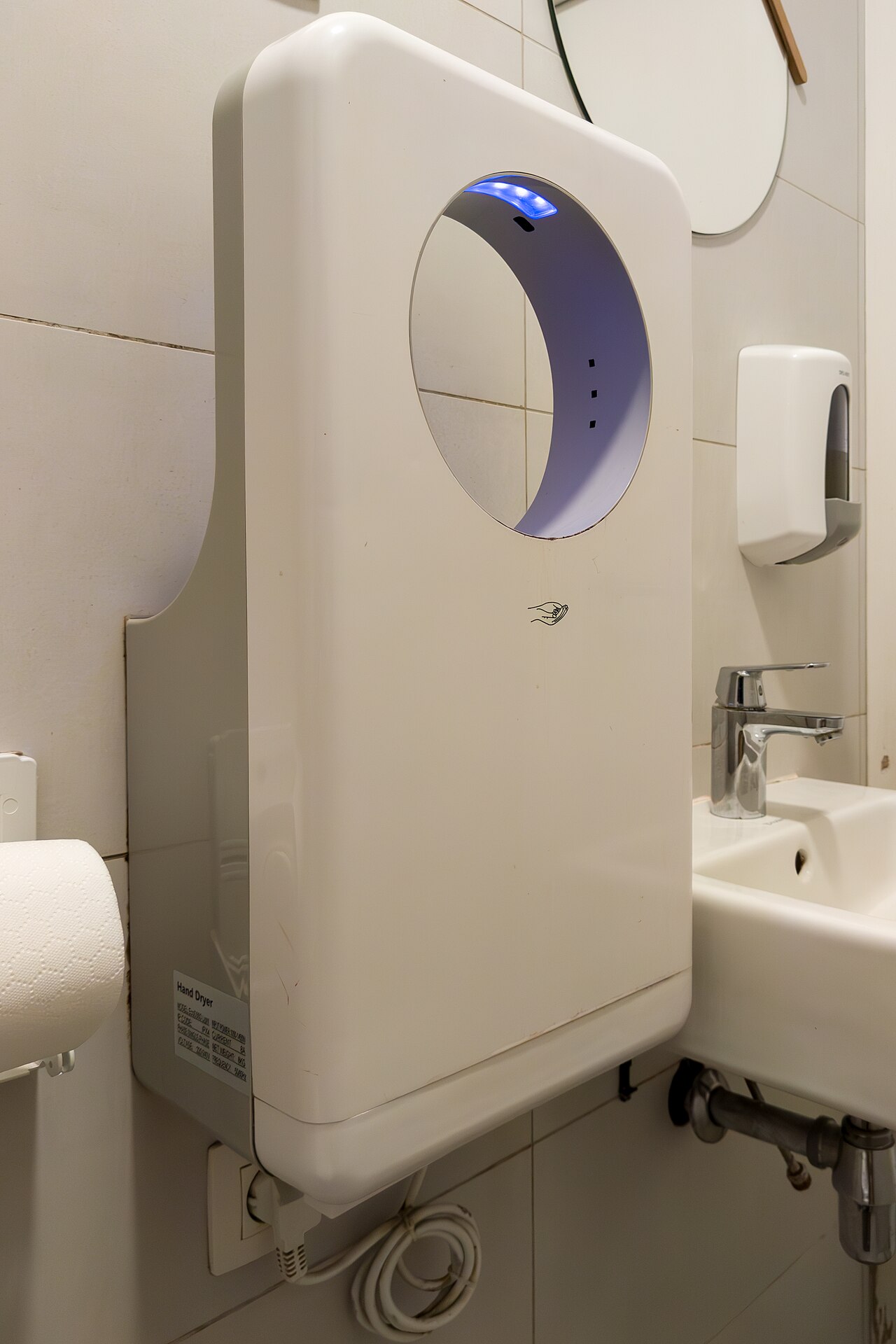
The simplest fix is distance. Step back from the dryer or leave the restroom while someone else dries their hands. Every doubling of distance drops the sound level noticeably, and a child who waits by the door hears far less than one standing at the machine.
Paper towels are the quiet option when they are available. They also work faster for small hands that struggle to trigger sensor dryers, which can restart the blast cycle repeatedly and extend exposure.
Ear coverage works. The instinct kids already have is correct: hands over ears or simple foam earplugs cut the peak dramatically. Earplugs are cheap, pocket-sized, and worth carrying if your child is sensitive to loud public sounds in general.
Watch for the warning signs the researchers flagged. Ear pain, ringing after exposure, or a child who consistently avoids restrooms with dryers is worth mentioning to a pediatrician. That is especially true for children with known sensory sensitivities or existing hearing concerns.
It also helps to normalize the reaction. Kids who ask the same question over and over or demand the same bedtime story every night are following developmental scripts, not misbehaving.
Covering ears at a dryer is the same kind of honest signal. The science says their complaint is correct.
Are hand dryers actually dangerous for kids' hearing?
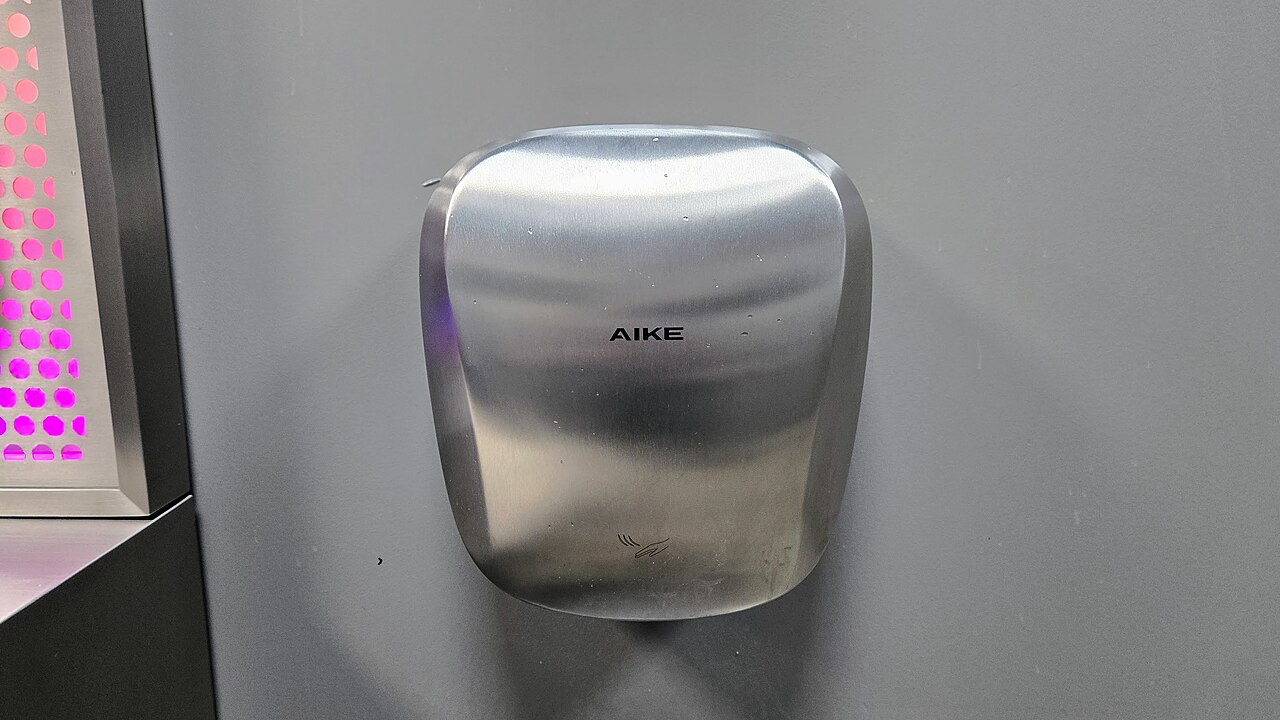
Some are. Keegan's study measured several models above 100 dBA at children's ear heights, which exceeds Canada's 100 dB limit for children's toys and the EPA's 85 dB threshold for hearing protection in children. Brief exposure is unlikely to cause lasting damage, but repeated exposure is a genuine concern.
Why do kids react more strongly than adults?
Their ears are closer to the machine, the noise measures louder at their height, and young ears are more sensitive to damage. Kids with sensory processing differences, autism, or ADHD can also find the sudden blast genuinely overwhelming.
Do manufacturers measure at children's heights?
Generally no. Keegan noted that manufacturers do not measure for children's height as much as they should, and standard testing distances assume conditions that do not match a small child standing in front of a restroom dryer.
Should we just use paper towels instead?
Paper towels are quieter and often faster for small children. They are not always available, though, and the environmental tradeoff is real. When a dryer is the only option, distance and ear coverage are the practical fixes.
What did the study's author recommend?
The published conclusion states that many hand dryers operate at levels clearly dangerous to children's hearing and far louder than manufacturers claim. Keegan's work suggests restrooms that serve children should reconsider the loudest high-speed models or provide quieter alternatives.
The bottom line
Kids cover their ears at hand dryers because the dryers really are that loud. Published measurements show many models exceeding 100 dBA at a child's ear height, well above the 85 dB level where hearing protection is recommended for children.
A 9-year-old's 880-measurement study proved the complaint is scientifically sound. The fix is simple: step back, use paper towels when available, or cover those ears.
Latest in Parenting
- Why Babies Cry in the Evening: the Witching Hour
- Toddler Screen Time Guidance
- How to Handle Toddler Tantrums Without Yelling
- Why Toddlers Ask the Same Question Over and Over
Get one plain-English parenting explainer in your inbox every morning. Subscribe for free.
Image Credits: Wikimedia Commons / Acabashi; Wikimedia Commons / MB-one; Wikimedia Commons / Baron Maddock
Related stories
Why babies cry more in the evening: the witching hour explained
The witching hour is the fussy evening stretch most newborns hit daily. Why overtiredness, cluster feeding, and overstimulation stack up
When Do Babies Start Sleeping Through the Night by Month?
Most babies sleep through the night between 3 and 6 months, with regressions at 4 and 8 to 10 months. See the month-by-month table
Why Your Baby Wakes Up the Second You Put Them Down
Newborns wake when put down as the startle reflex, light sleep, and lost warmth hit at once. It is normal and peaks early, fading