
What is separation anxiety and when does it peak in babies
By Rive News / Research desk | Rive News / Published October 24, 2026 at 9:00 AM PKT
Key takeaways
- Separation anxiety is distress at separation from a primary caregiver, usually emerging around 6-8 months of age.
- It peaks between 10 and 18 months, with one study finding the sharpest point at 15-17 months.
- It signals healthy attachment, not bad parenting, and fades as the child learns that goodbyes end in returns.
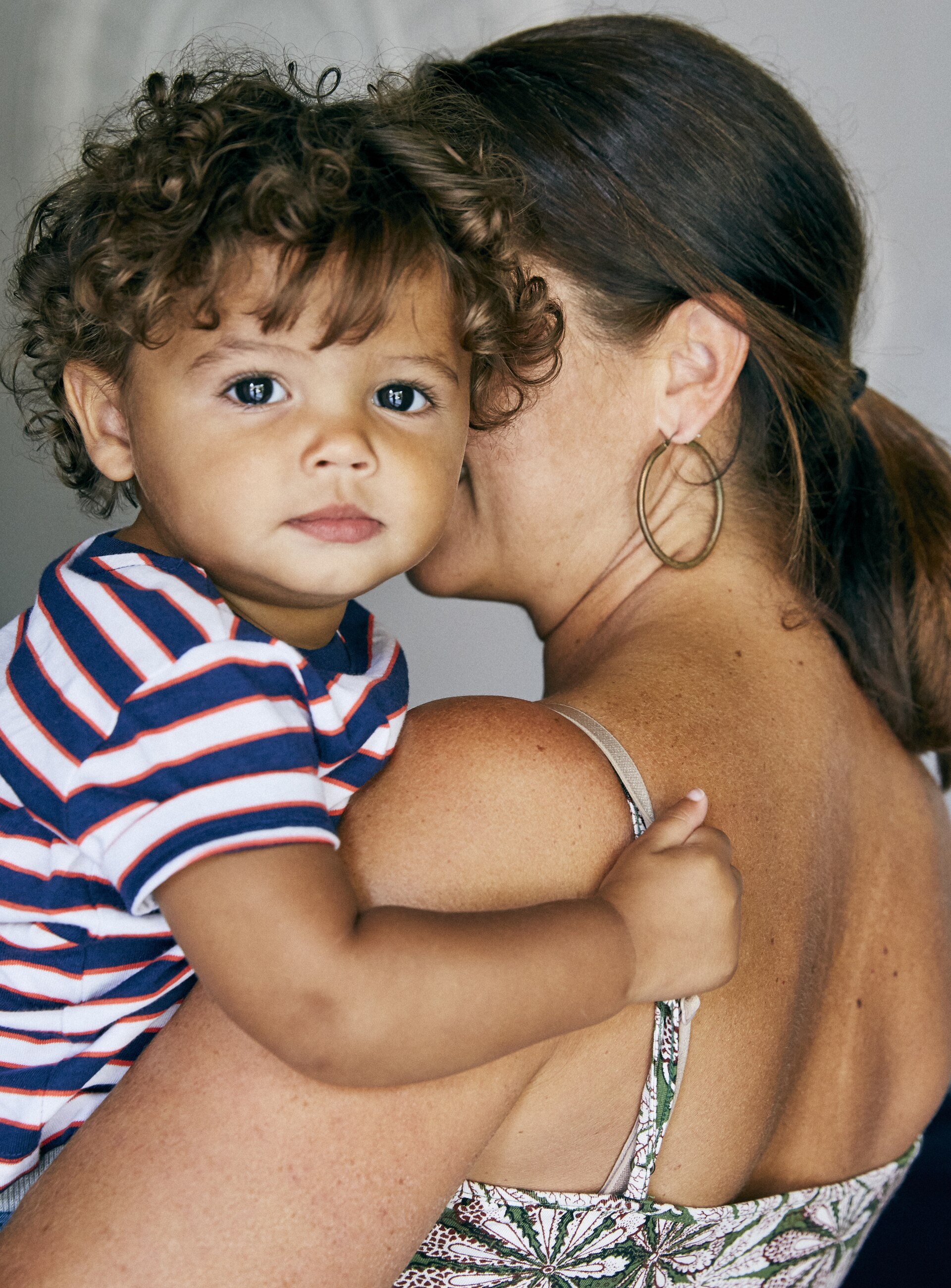
[A toddler being held by his mother. Photograph: toddler with mother]
Image Credits: Wikimedia Commons
Separation anxiety is the distress babies and toddlers feel when separated from their primary caregiver. It looks like crying at daycare drop-off, clinging to your leg when a relative visits, or wailing when you leave the room for thirty seconds.
It is one of the most misunderstood phases in early childhood. Parents read the tears as a verdict: something is wrong with the child, the childcare, or them.
In most cases the tears mean the opposite. The child has formed a strong, specific attachment, and the brain has just learned enough to be scared of losing it.
This article explains what separation anxiety is and when it peaks, including the developmental timeline, the brain science behind the tears, and what genuinely helps families through the peak.
This article is for general information only and is not medical advice; talk to a clinician about any symptoms.
What separation anxiety is
At its core, separation anxiety is a protest with a purpose. The child has identified one or two people as the safe base, and separation from that base triggers genuine distress. Crying, clinging, following the caregiver from room to room, and resisting unfamiliar people are all standard expressions of it.
It is worth distinguishing from general fussiness. Separation anxiety is specifically triggered by the caregiver's absence or anticipated absence.
A baby who is cheerful with a parent but melts down at handoff is showing the classic pattern. A baby who is fussy all evening regardless of who holds them is more likely in the witching-hour window, a different developmental phase with a different cause.
Stranger anxiety often arrives first and overlaps. Around 8 to 9 months, many babies become wary of unfamiliar faces, even friendly ones. This wariness and separation distress share a root: the brain is sorting people into "known safe" and "unknown," and it is deeply conservative about the unknown category.
None of this is a disorder in the typical range. Clinicians only discuss separation anxiety disorder when the distress causes clear impairment well past the expected ages. For babies and young toddlers, the anxiety is a feature of normal development, not a bug.
The developmental timeline: when it starts, peaks, and fades
The timeline runs in three acts.
Act one begins around 6 to 8 months. Most infants show mild distress at separation by 6 months, escalating between 7 and 10 months as mobility arrives and object permanence clicks in, according to Motherly's developmental summary. The baby can now crawl after you, which means the anxiety has legs.
Act two is the peak, between 10 and 18 months. This is when separation anxiety is most pronounced for most children, with intense crying, tantrums, clinging, and extreme stranger wariness all peaking together. Research cited by RestoNYC puts the sharpest point at 15 to 17 months, finding that 77 percent of babies showed intense separation anxiety at that age, including crying, tantrums, and following the parent.
Act three is the long fade. Anxiety tends to decrease gradually between 19 and 24 months as language, memory, and emotional regulation mature.
By age 2, most children have improved significantly, and by 3, the intense phase is over for the large majority, per the Heloa pediatric timeline. Some children feel echoes of it at preschool transitions, which is normal.
The timeline is an average, not a schedule. Temperament, childcare history, and big disruptions all shift it. What matters is the direction of travel: emerging, peaking, then easing as the child accumulates evidence that separations end.
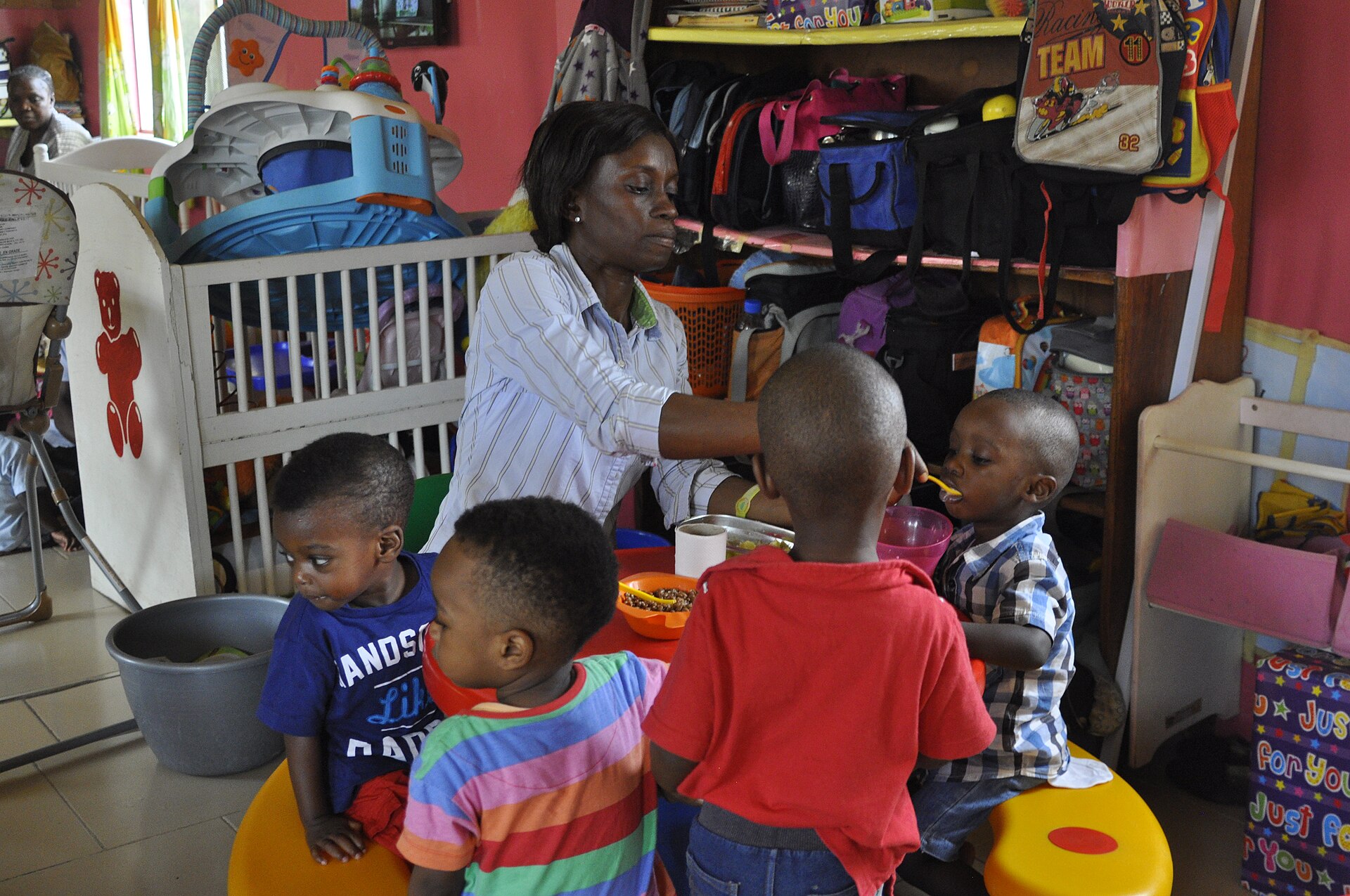
[A daycare attendee at a childcare center. Photograph: daycare child]
Image Credits: Wikimedia Commons
Why the brain does this: object permanence and attachment
Two cognitive milestones collide to create the peak.
The first is object permanence, the understanding that people and things exist even when out of sight. Jean Piaget identified it as a landmark of infant cognition.
Around 8 months, the baby grasps that you still exist when you leave the room. This is progress, but it is terrifying progress: now the baby can miss you.
The second is attachment itself. John Bowlby's attachment theory describes how infants form a deep emotional bond with their primary caregiver as a survival strategy.
By the second year, that bond is the child's entire safety system. Separation does not feel like inconvenience to a 15-month-old. It feels like the safety system going offline.
At the peak, the child has enough memory to anticipate the separation, enough understanding to know you are gone, but not enough experience to trust that you return. That gap between knowing and trusting is exactly where the tears live. Every successful reunion narrows it a little.
Brain development adds intensity around 18 months. Memory improves, so the child recalls your absence more vividly.
Emotional regulation regions are still immature, so the distress has no brakes. The result is the paradox of the peak: the smarter the child gets, the harder separations feel, right before they start getting easier.
What helps at the peak
Short, confident goodbyes beat long, sneaky ones. Say goodbye clearly, keep it under a minute, and leave.
Sneaking out teaches the child that you might vanish at any moment, which makes every separation scarier. A predictable ritual, same words, same hug, same wave, gives the child a script for an event that otherwise feels chaotic.
Practice in small doses. Brief separations with a trusted person, starting at a few minutes and building up, let the child collect reunion evidence. Peekaboo is not just a game at this age; it is object permanence training with a laugh track.
Leave a comfort object. A blanket or soft toy that smells like home gives the child something of you to hold. Transitional objects work because they are portable pieces of the safe base.
Keep the rest of life boring during the peak. Illness, travel, missed naps, and daycare transitions can all intensify symptoms, according to the Heloa guide. If a big change is unavoidable, keep everything else ruthlessly routine for a few days on either side.
For caregivers, the hardest advice is the most important: do not let the tears extend the goodbye. Lingering to soothe often restarts the distress cycle from zero.
Hand off warmly, leave promptly, and trust that most children settle within minutes. Daycare workers report this constantly, and parents are usually surprised when they hear how fast the crying stopped.
As children grow past the peak, the same attachment system expresses itself in new negotiations. The clinginess evolves into toddler tantrums in public and later into the social learning of teaching a child to share without force. Each phase is the attachment system updating its software.
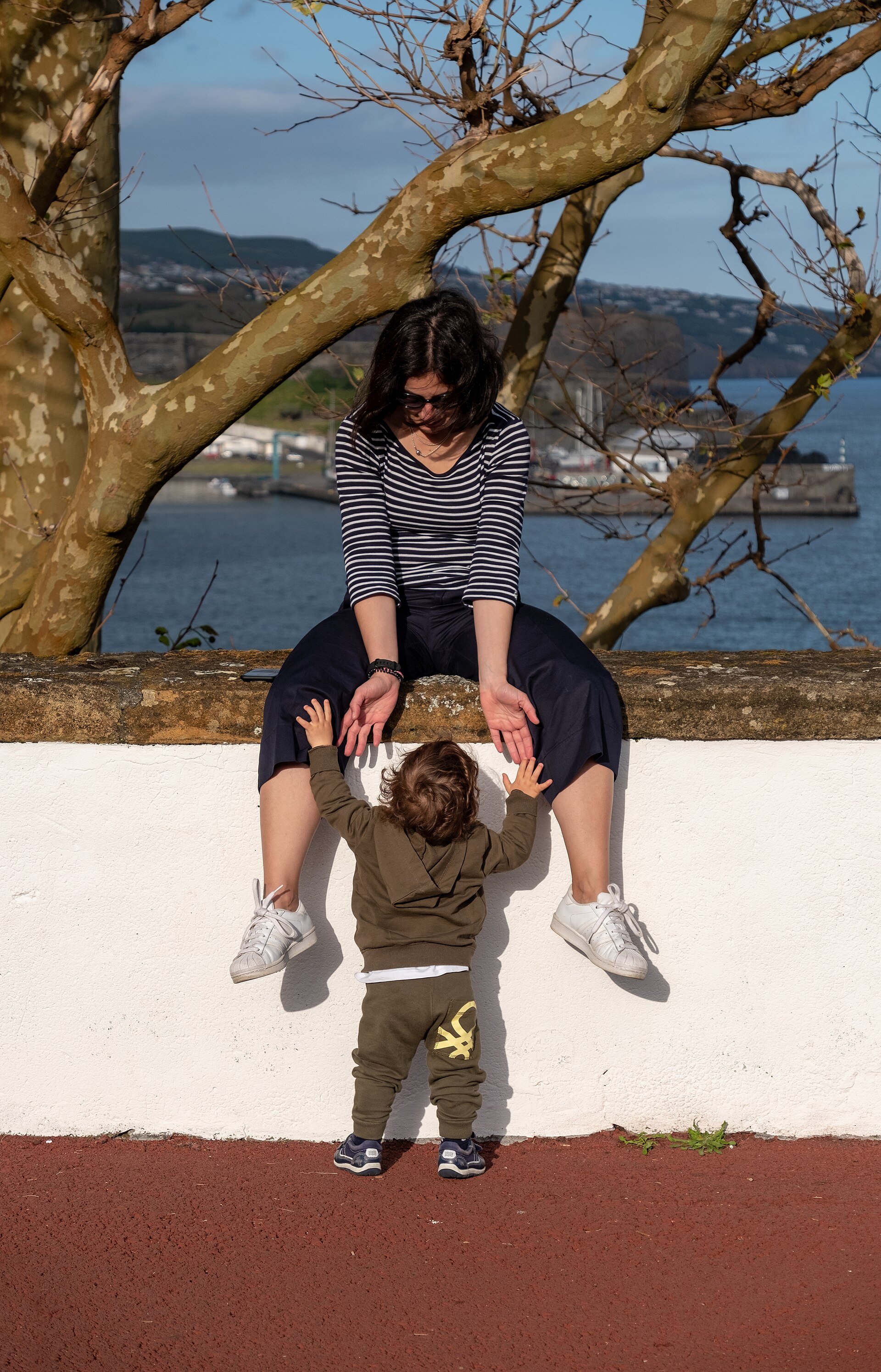
[A mother and toddler walking together in a park. Photograph: mother and toddler outdoors]
Image Credits: Wikimedia Commons
Can separation anxiety start suddenly after a trip or illness?
Yes, and it is normal. Big disruptions like travel, teething pain, a cold, or a new caregiver can make the nervous system feel less predictable, and some babies cling harder for a while to rebuild safety. Keep the next few days simple and consistent, and the intensity usually fades on its own.
Is it bad to let my baby cry at daycare drop-off?
A short protest cry at handoff is the standard pattern, not a sign of harm. Most children settle within minutes once the parent is gone.
What deserves attention is distress that does not settle, or a sudden sustained change in the pattern. Ask the caregivers what the ten minutes after you leave actually look like.
Does separation anxiety mean my child is too attached?
There is no such thing as too attached in this context. Strong attachment is the healthy foundation the child is building on. The anxiety is proof the bond exists, and secure children typically move through the phase faster because they trust the reunion more, not less.
When should I talk to a pediatrician about it?
Consider it if distress is intense and persistent well beyond age 3, disrupts sleep, feeding, or growth, involves regression in language or social skills, or steadily worsens instead of easing. Separation anxiety disorder is a real diagnosis in older children, and early support helps. For babies and young toddlers in the typical window, though, patience and routine are the treatment.
Outlook
Separation anxiety peaks, then passes, leaving behind a child who trusts that people come back. That trust is the whole point of the phase. Every goodbye survived is a deposit in it.
It is a good idea to talk to your pediatrician if the distress feels out of proportion or does not ease with age. And remember that the evening hours have their own separate storm: if the crying clusters at sundown rather than at separations, the witching hour is the likelier explanation, with its own timeline and its own end.
Tags: toddlers, attachment, development
The Rive News research desk compiles explainers from public sources, including pediatric developmental references, and every factual claim is checked against a named source before publication.
Related
- Why do toddlers throw tantrums in public? The brain science
- How to teach a child to share without forcing it
- How to wean a baby off night feedings gently and gradually
Subscribe for one practical parenting explainer each week.
Rive News standards: every claim traces to a named public source; no invented quotes, statistics, or experts.
Related stories
Why babies cry more in the evening: the witching hour explained
The witching hour is the fussy evening stretch most newborns hit daily. Why overtiredness, cluster feeding, and overstimulation stack up
When Do Babies Start Sleeping Through the Night by Month?
Most babies sleep through the night between 3 and 6 months, with regressions at 4 and 8 to 10 months. See the month-by-month table

Why Your Baby Wakes Up the Second You Put Them Down
Newborns wake when put down as the startle reflex, light sleep, and lost warmth hit at once. It is normal and peaks early, fading