
Why Do Toddlers Throw Tantrums in Public? The Brain Science
Key takeaways
- Tantrums peak between ages 1.5 and 5, averaging about once a day and lasting under five minutes.
- A toddler's prefrontal cortex is still developing, so the emotional brain floods while the thinking brain cannot calm it.
- Public places add overstimulation and broken routines; staying calm and connecting first shortens the meltdown.

A tantrum is an overwhelmed brain, not a badly behaved child.
Every parent knows the scene. The grocery store aisle, the restaurant table, the playground exit. Your toddler drops to the floor, screaming, while strangers watch.
Your first feeling is embarrassment, and your second is the question: why here, why now, and why mine?
Here is the freeing answer from developmental science: tantrums are a brain under construction, not a verdict on your parenting. "Toddler tantrums are completely normal," says Dr Sarah Rasmi, licensed psychologist and managing director of the Thrive Wellbeing Centre in Dubai. "In fact, I would seriously question anyone who claims their toddler has never had one.
Why do toddlers throw tantrums in public so reliably? Because public places pile every known trigger on top of a brain that cannot yet regulate emotion. This article explains the neuroscience, why outings are the perfect storm, and what actually helps in the moment.
The toddler brain is built bottom-up
A toddler's brain develops unevenly, from the bottom up. The lower, older structures come online first. The amygdala, the almond-shaped region that processes fear and anger, is active early and runs hot.
The hypothalamus, which controls heart rate and fires off stress hormones like adrenaline and cortisol, is wired directly to it.
The upper part, the prefrontal cortex, handles judgment, planning, impulse control, and calming yourself down. In a toddler, that region is barely under construction. Brain-imaging research shows it will not be properly finished until well into the twenties.
So when a two-year-old melts down, the feeling part of the brain has flooded and the thinking part that could talk it down simply is not built yet.
Dr Sreenivasan Vazhoor Ramsingh, specialist psychiatrist at Ahalia Hospital in Abu Dhabi, puts the mechanism plainly: "The main reason that it is more common in younger children is because their prefrontal cortex is still in a developing stage." With that region offline, the older limbic system takes charge, and the amygdala-hypothalamus tag team produces the full-body storm you see in the aisle.
Rasmi describes what that storm feels like from the inside. The confusion and fear kick the child into fight-or-flight mode, cortisol courses through the body, the heart races, and the stomach knots. On top of that, toddlers have not learned how to channel the energy or regulate the emotion.
The result is expressed as a tantrum: the brain and body responding to a difficult situation that is significant to them, even when it looks silly to us.
The numbers: when tantrums peak
Tantrums follow a predictable developmental curve. Ramsingh reports they are most common in children aged one and a half to five years, occurring on average once a day and lasting less than five minutes. That frequency surprises many parents, who assume daily meltdowns mean something is wrong.
They do not. They mean the brain is doing exactly what brains do at that age.
By age three the brain has reached about 80 percent of its adult size, but size is not the point. The wiring between the emotional centers and the prefrontal cortex matures much more slowly. Until that wiring strengthens, roughly between ages five and nine, emotional brakes stay weak and inconsistent, Curious Neuron reports.
Language makes the gap worse. A toddler may know exactly what she wants but lack the words to ask for it, so frustration turns into screaming within seconds. That is why the classic triggers sound absurd to adults: the wrong color cup, toast cut into triangles, the same book read endlessly.
Each one is a real loss of control to a brain with no other outlet.
Body states drive the threshold too. Hunger, sleep debt, and sensory overload dramatically lower the point at which a tantrum ignites. The "bad behavior" often starts in the body, not the will.
Why public places are the perfect storm
If tantrums are a regulation failure, public outings are regulation failure fuel. A grocery store stacks bright lights, noise, crowds, and unfamiliar faces on a nervous system that is already running hot. A restaurant breaks the meal routine and adds waiting, the hardest task for a brain with no impulse control.
Leaving the park ends the best part of the day with zero warning.
Then there is the parent's own stress. Public tantrums embarrass us, and embarrassed adults rush. We threaten, we bribe loudly, we try to reason with a brain that cannot reason yet.
Ramsingh warns that when a parent loses his or her cool, the child's already-triggered physiological responses get exaggerated. The audience makes everything louder, including us.
None of this means you should stop going out. It means you should plan for the brain you have, not the one you wish you had. Toddlers do best with predictable structure, so the same outings that trigger tantrums can be managed with preparation.
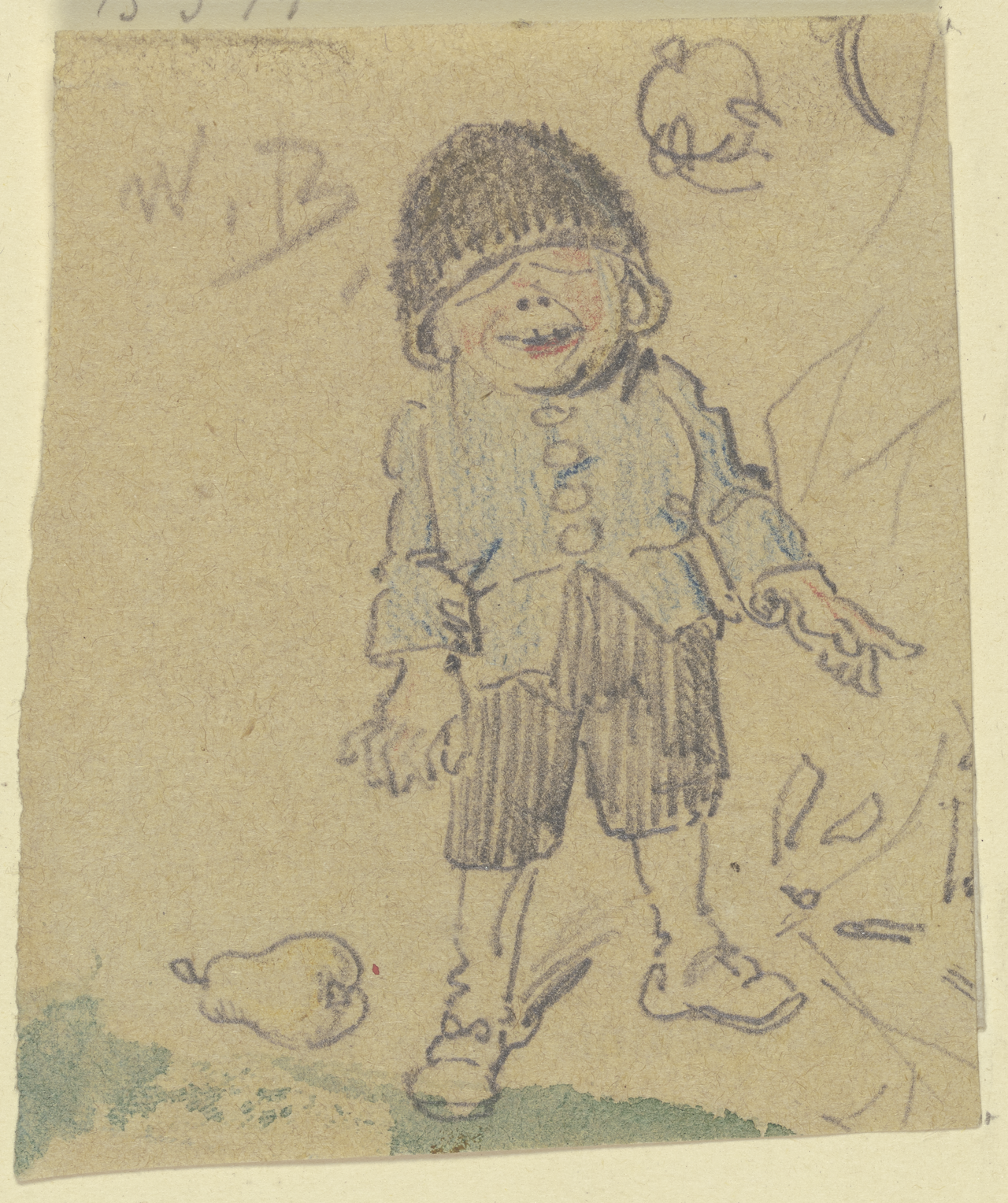
Tantrums are a developmental stage, not a behavior problem: artists have drawn them for centuries.
What actually helps during a public meltdown
First, regulate yourself. Clinical child psychologist Dr Ross W. Greene's line is worth memorizing: "The best predictor of a child's behavior is the adult's behavior.
" A calm adult is the fastest route through a storm, because toddlers borrow regulation from the nearest grown-up. This is called co-regulation, and it is how young brains learn to settle.
Second, connect before you correct. Get low, use a quiet voice, and name what you see: "You are so angry the park is over. " You are not agreeing with the screaming.
You are showing the flooded brain that someone safe is present, which is the precondition for calming down. Reasoning, bargaining, and teaching consequences can wait until the wave passes, because the thinking brain is offline during the peak.
Third, reduce the audience pressure. Move to a quieter corner, the car, or outside. This is not a punishment; it is removing the overstimulation that is feeding the meltdown.
Fewer lights, fewer eyes, less noise.
Fourth, hold the limit once the storm passes. The answer that triggered the tantrum should stay the answer. Giving in teaches the brain that escalation works, while a calm, consistent limit teaches that big feelings are survivable.
Keep it short and kind: "We are leaving the store now. I know you are upset.
For prevention, the basics outperform any trick. Protect naps and meals before outings, since tired and hungry toddlers tantrum first and ask questions never. Warn before transitions: "Three more minutes, then we go.
" Bring a snack and one familiar comfort object. And keep outings short enough that you leave before the battery runs out, not after. Getting your child ready well in advance also helps; see our guide on how to prepare your child for day school for more on transition routines.
Frequently asked questions
Are public tantrums a sign of bad parenting?
No. Tantrums are a normal neurological stage, most common from ages 1.5 to 5, and every child goes through them. How you respond matters far more than the fact that one happened.
Should I punish a toddler for a tantrum?
Punishing during the meltdown does not work, because the thinking brain is offline. Wait for calm, then hold the original limit with a brief, kind explanation. Connection first, correction after.
Why does my toddler only tantrum for me and not for grandparents?
You are the safe person. Toddlers hold it together with less-trusted caregivers and release everything with the parent whose love feels unconditional. It is exhausting, and it is also a compliment.
When should I worry about tantrums?
Talk to your pediatrician if tantrums are extremely frequent or violent, last far beyond a few minutes regularly, involve the child hurting themselves or others, or continue intensifying well past age five. Trust your instincts if something feels off.

The flooded nervous system needs safety and connection first; lessons can wait until calm returns.
The bottom line
Toddlers throw tantrums in public because an underdeveloped prefrontal cortex leaves the emotional brain in charge, and public places pile overstimulation, broken routines, and parental stress onto that fragile system. The meltdowns peak between 18 months and five years, average about one a day, and fade as the brain's wiring matures. Your job in the moment is not to win the standoff in front of strangers.
It is to stay calm, connect, reduce stimulation, and hold the limit kindly once the wave passes. The tantrum is not happening to embarrass you. It is a small brain doing the best it can with the wiring it has today.
For the earliest years, it also helps to understand why babies put everything in their mouths, another classic case of development driving behavior.
Image Credits: Wikimedia Commons / Crimfants, Wilhelm Busch, FOTO:Fortepan
Latest in Parenting
- Why Toddlers Repeat the Same Book and Show Endlessly
- How to Prepare Your Child for Day School
- Why Babies Put Everything in Their Mouths
Subscribe for science-backed parenting explainers, minus the moralizing.
Related stories
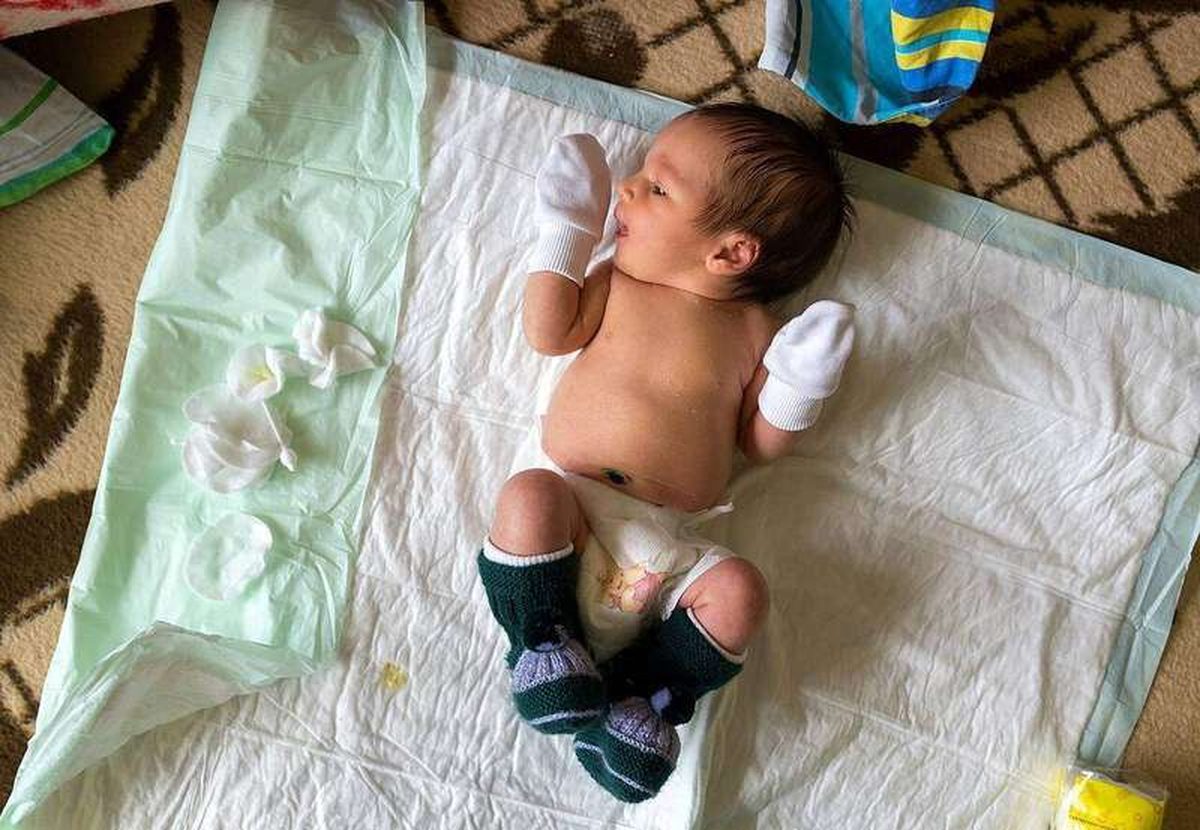
Why babies cry more in the evening: the witching hour explained
The witching hour is the fussy evening stretch most newborns hit daily. Why overtiredness, cluster feeding, and overstimulation stack up
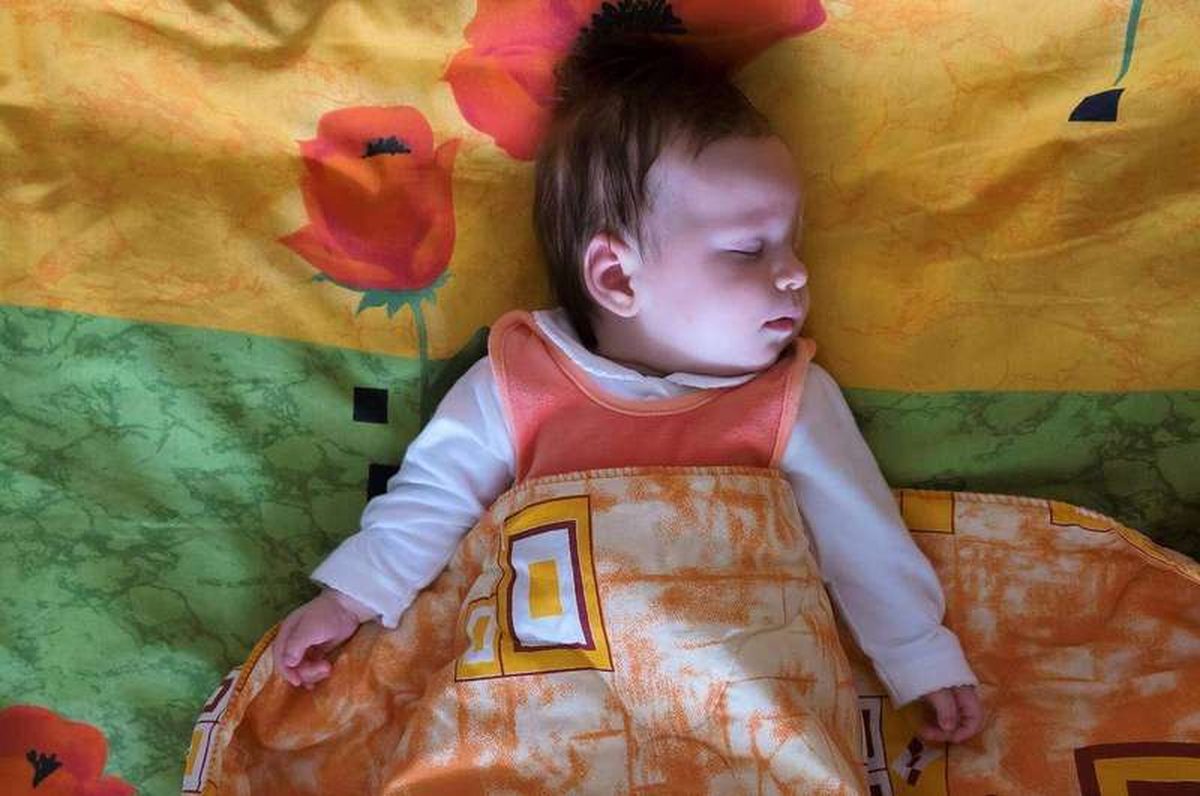
When Do Babies Start Sleeping Through the Night by Month?
Most babies sleep through the night between 3 and 6 months, with regressions at 4 and 8 to 10 months. See the month-by-month table

Why Your Baby Wakes Up the Second You Put Them Down
Newborns wake when put down as the startle reflex, light sleep, and lost warmth hit at once. It is normal and peaks early, fading