
Why dogs bark at some strangers but not others: triggers
Key takeaways
- Selective barking is usually territorial, fearful, or excitement-driven, not a judgment of a person's character.
- Dogs react to unfamiliar looks, sounds, and smells: hats, beards, deep voices, tall frames, and direct stares.
- Positive reinforcement and gradual exposure fix most cases. Punishment makes fear barking worse.

Dogs that bark at some strangers but ignore others are not being random. A dog's reaction to a person is a fast calculation built from scent, movement, appearance, past experience, and territory. The same dog that naps through the mail carrier's visit can erupt at a guest wearing a floppy hat.
This selectivity confuses owners because it feels personal. In most cases it is not. This article explains why dogs bark at some strangers but not others, breaking down the seven main triggers, and shows how to reduce the barking without punishment.
Territory: guarding home and family
The most common trigger is territory. A dog that barks at strangers approaching the house but stays calm on the street is defending its turf, not fearing people in general, according to Keeping Dog. To the dog, territory includes the yard, the car, and the people it loves.
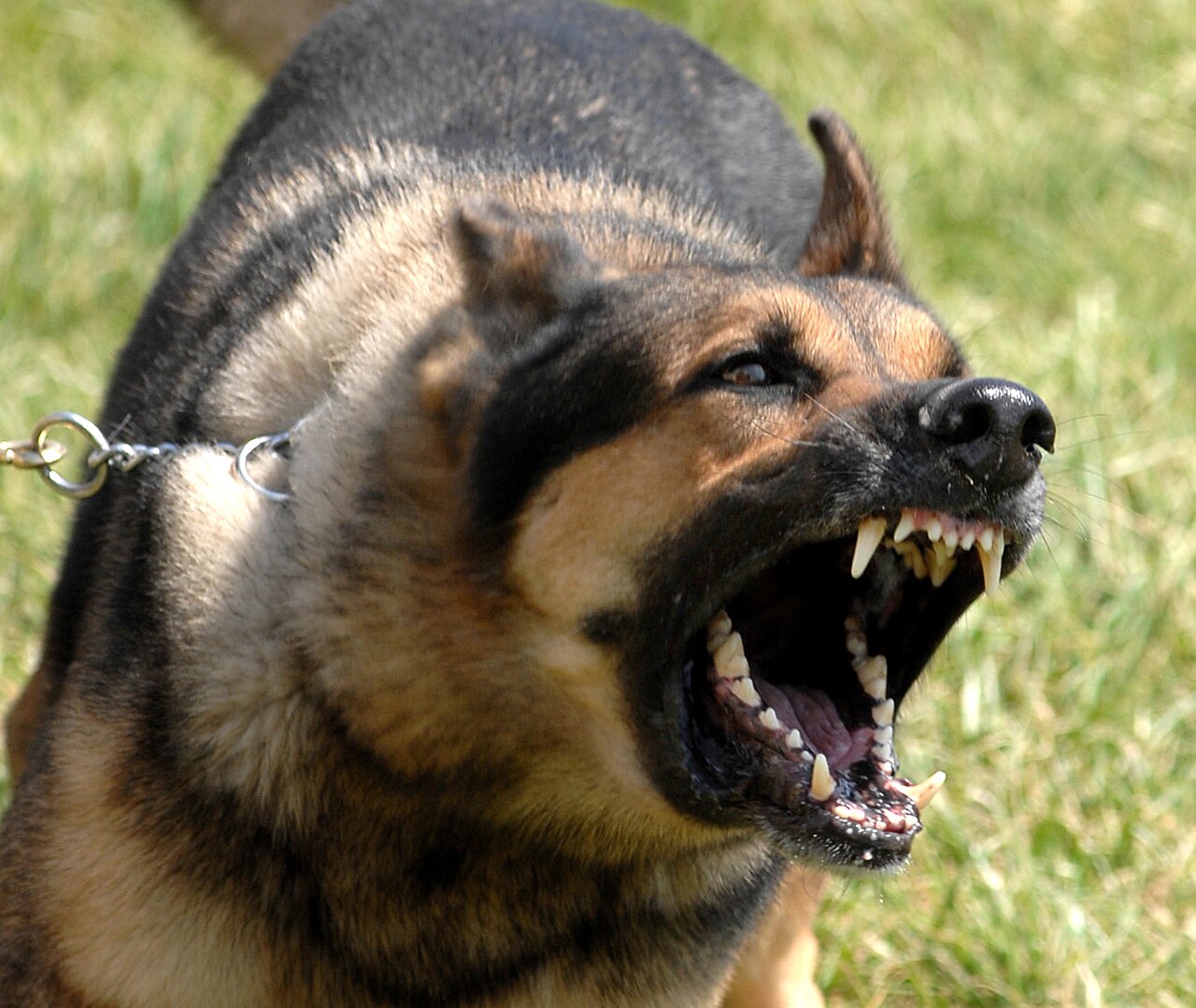
Breed history plays a role here. Guard breeds such as German Shepherds and Mastiffs were developed to be suspicious of outsiders, so territorial barking is especially common in them, Keeping Dog reports. That does not make them bad dogs. They are doing the job their genes were selected for.
Alarm barking is the close cousin of territorial barking. An alarm barker alerts at new people anywhere, inside or outside the territory, and this pattern is common in dogs that were not well socialized or that run anxious in general, according to the same source. Crate training can give such dogs a safe den to retreat to, which sometimes lowers the urge to sound the alarm.
Fear and the unknown
Fear is the second big driver. A dog that feels spooked by something unfamiliar barks to create distance, and strangers carry a lot of unfamiliar inputs at once, according to ChienMag.
Some dogs react strongly to features that seem perfectly ordinary to humans. IvaDog lists hats, sunglasses, hoodies, umbrellas, and beards as common visual triggers. What looks normal to us can feel unpredictable to an animal that reads faces for safety cues.
Size and voice matter too. Tall people with deep voices and direct, intense eye contact can read as threatening, according to Bright Side's breakdown of the behavior. Dogs are especially likely to distrust adult men, who tend to combine height, low voices, and facial hair.
Poor socialization in puppyhood is the usual root cause. Dogs that meet few strangers early in life treat every new person as a potential threat later, according to iHeartDogs. The critical socialization window in the first months of life shapes how a dog reads unfamiliar people for years afterward.
Scent: the nose knows first
Dogs experience the world primarily through scent, and a stranger brings a cloud of unfamiliar smells, IvaDog explains. A person may smell like another dog, a veterinary clinic, strong perfume, cigarette smoke, or even food the dog dislikes.
Dogs can also smell fear. A nervous visitor releases stress chemicals in sweat, and a dog that detects fear may become more aroused and bark more. This creates a loop: the person gets nervous because the dog is barking, and the dog barks more because the person is nervous.
Movement and body language
Fast, unusual movement flips a dog's prey-drive switch. Someone jogging past the house or walking briskly down the street can register as prey-like movement, an intruder, or a territorial threat, according to IvaDog. The dog's instincts come from wolf ancestors that survived by reacting to motion.
People also break dog etiquette without realizing it. Common mistakes include leaning over a dog, reaching for its head immediately, approaching too quickly, and hugging, which many dogs dislike, according to Tasty's behavior breakdown. A dog that barks at such approaches is signaling discomfort, not aggression.
Body language reading cuts both ways. Dogs are masters at reading human tension, ChienMag notes. A person who freezes, stares, or moves stiffly can push an already uncertain dog into barking.
Past experiences and associations
One bad experience can hardwire a reaction. If a dog once felt threatened by a person with a particular look or voice, it may bark at anyone similar, according to ChienMag. Negative experiences with a specific gender, age group, or appearance, such as hats, beards, or uniforms, can leave lasting associations.
Positive associations work the same way in reverse. Dogs that have met many friendly strangers during puppyhood usually greet new people calmly. These learned links explain why barking is so selective: the dog is not reacting to strangers as a class, but to specific resemblance to something from its past.
Sometimes it is a greeting
Not all barking is a warning. Some dogs bark because they are thrilled to meet people. Greeting barking comes with tail wagging, whining, jumping, and other friendly signals, according to Keeping Dog.
These dogs want to smother everyone with affection.
The context tells the difference. A wagging tail held high with bouncy body language points to excitement.
A stiff body, raised hackles, and hard stare point to fear or guarding. Knowing which one you are seeing decides the right response.

Frequently asked questions
Why does my dog bark at men but not women?
Men combine several features dogs find unsettling: taller frames, deeper voices, and facial hair, according to multiple behavior sources. A dog with limited early exposure to men is the usual case behind this pattern.
Does my dog barking at someone mean the person is bad?
No. Selective barking reflects the dog's own fears, territory, and past experiences, not a character judgment of the person. Treat the barking as information about the dog, not the stranger.
Should I punish my dog for barking at strangers?
No. Punishing fear-based barking usually increases anxiety and makes the behavior worse. Positive reinforcement training that builds the dog's confidence in new situations is the recommended approach, according to Keeping Dog.
When should I worry about the barking?
If barking escalates to lunging, snapping, or biting, or if the dog cannot calm down after the trigger leaves, consult a professional trainer or veterinary behaviorist. That is beyond what home desensitization can safely handle.
How to reduce selective barking
Start by naming the trigger. Watch the next few episodes and note what the strangers have in common: location, appearance, speed of movement, or how they approached. The fix depends on the cause.
For fear-based barking, use gradual exposure with rewards. Let the dog notice a stranger at a distance where it stays calm, then reward the calm. Shrink the distance over sessions.
Rushing this step is the most common mistake. The dog should never be pushed past its comfort threshold.
For territorial barking, manage the environment first. Close blinds, redirect the dog to a task such as the sit or place command, and reward quiet. Dogs that practice barking at the window get better at it, so prevention counts as training.
On walks and outdoor trips, keep distance from triggers and reward attention on you. Strangers who ignore the dog and let it approach on its own terms get far fewer barks, since the dog controls the interaction.
Finally, consider the squirrel factor. If wildlife in the yard is setting the dog off daily, removing that trigger can cut overall arousal and make stranger barking easier to address.
The bottom line
Dogs bark at some strangers and not others because each person presents a different mix of scent, movement, appearance, and context. Territory, fear, past experiences, and simple excitement cover almost every case. Once you know which trigger is firing, steady, reward-based work usually turns the volume down.
By Rive News, Research desk. Rive News reports on everyday topics from public sources and documented expert guidance.
Related stories

Why Does My Dog Eat Grass and Vomit?
A UC Davis study of 1,571 owners found grass eating is normal dog behavior, not self-medication: only 10% were ill first. What the science

Why Does My Dog Stare at Me While I Eat?
Dogs stare at you while you eat because it has worked before, and mutual gaze raises bonding hormones. Learn the reinforcement science

Foods toxic to dogs: the list, with reasons
Chocolate, xylitol, grapes, onions: common foods can harm dogs. Learn what makes each one toxic, the warning signs, and what to do if your