
What should you pack for a day hike: a complete checklist
Key takeaways
- Use the Ten Essentials framework: navigation, sun protection, insulation, illumination, first aid, fire, tools, food, water, shelter.
- Carry 2 to 3 liters of water and about 1 liter for every 2 to 3 miles of trail.
- A 20 to 30 liter daypack holds everything, and the full kit adds only about five pounds.
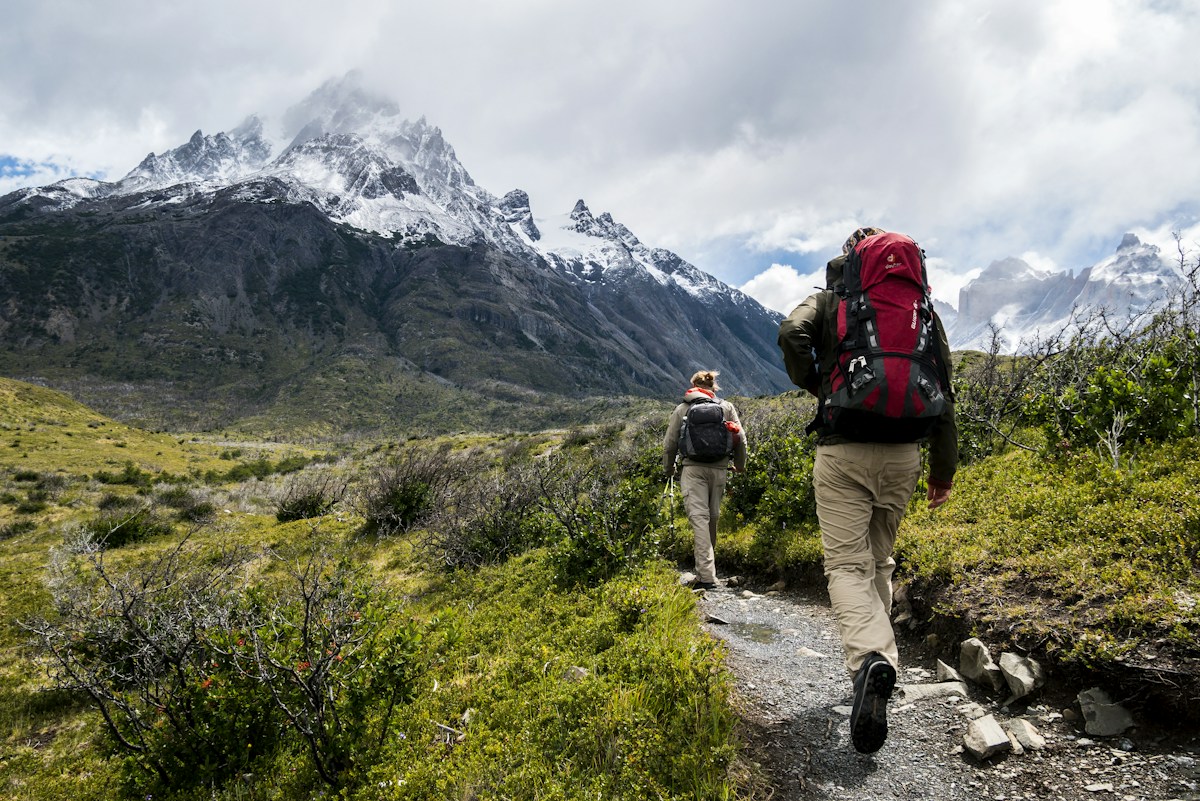
A day hike packing list is the set of gear that keeps you safe, comfortable, and self-sufficient on a single-day trail outing. The standard framework is the Ten Essentials, a preparedness system first developed by The Mountaineers in the 1930s and still used by the National Park Service, REI, and Leave No Trace.
Most failed day hikes fail for boring reasons: not enough water, no sun protection, no warm layer when the weather turns. A checklist removes the guesswork. Pack it the same way every time and the trail becomes the only variable.
This article covers the Ten Essentials one by one, gives concrete quantities, explains how to adjust for weather, and shows how to load your pack so the right gear is reachable when you need it.
The Ten Essentials, one by one
Modern versions of the Ten Essentials describe ten systems rather than ten exact items, which means you tailor each to the trip. The first five help you prevent and respond to emergencies.
The second five help you survive an unplanned night outside. Hiking Insights notes that carrying all ten adds only about five pounds, which is cheap insurance.
Navigation
Carry a paper map of the area at a minimum, plus a compass. A GPS device or a hiking app with offline maps downloaded works as a supplement, but phones die and signals vanish. The Sierra Club's leader reference puts navigation first for a reason: everything else on this list is useless if you cannot find the trail.
Tell someone your plan before you go. SectionHiker's checklist includes a trip plan left with a friend or relative as standard practice. If you get hurt or lost, a search starts where you said you would be.
Sun protection
Sunburn is the most underestimated day-hike injury. Bring sunscreen rated SPF 30 or higher, SPF lip balm, a wide-brim hat or cap, sunglasses with UV protection, and insect repellent. High altitude and exposed ridges multiply the exposure, and you can burn badly even on a cool morning.
Insulation, extra clothing
Pack a warm layer beyond what you plan to wear: a fleece or wool sweater, a rain jacket or windbreaker, a warm hat, and a spare pair of socks. Weather changes faster than forecasts, and higher elevations run colder and windier than the trailhead.
The fabric rule is firm. SectionHiker warns against cotton clothing except in desert conditions, because cotton dries slowly and chills you when wet. Synthetics or wool for every layer that touches your skin.
Illumination
A headlamp or flashlight plus extra batteries. Your phone light is not sufficient, according to SectionHiker. Even a hike planned to finish by lunch can run long, and descending a rocky trail by phone flashlight is how ankles get twisted.
First-aid supplies
A basic kit covers the injuries that actually happen: blisters, scrapes, minor sprains, stings, and pain. SectionHiker lists pain relievers, antihistamine, bandages, and blister pads. Add tweezers for splinters and ticks, plus medical tape or a small roll of gauze.
The rule from experienced hikers is simple: pack what you know how to use. A first-aid course is worth more than a bigger kit, and the most-used item on most day hikes is blister treatment.
Fire
Waterproof matches or a lighter, plus a fire starter such as vaseline-soaked cotton balls. Fire is your backup warmth and your signal if you are stuck overnight. Keep the matches in a waterproof container.
Repair kit and tools
A multi-tool or knife, duct tape, and a few safety pins. SectionHiker's list adds zip ties and a small repair kit. These weigh almost nothing and fix the problems that end hikes: a torn strap, a blistered heel, a broken buckle.
Nutrition, extra food
Pack more food than you expect to eat. Salty snacks, energy bars, dried fruit, nuts, and a sandwich cover a full day. Hiking burns more calories than walking, and calorie-dense food that is easy to eat on the move keeps your energy steady.
Hiking Insights recommends bringing extra beyond the day's plan, partly because hikes run long and partly because you may end up sharing with someone who forgot theirs. That generosity is a trail tradition for a reason.
Hydration, extra water
Water is the item hikers get wrong most often. Hiking Insights suggests at least 2 liters on moderate hikes, bumped to 3 liters or more in heat or at altitude.
A common guideline is about 1 liter for every 2 to 3 miles, more with climbing, exposure, or heat. SectionHiker uses a similar rule: 1 liter per person for every 2 hours, up to 3 liters.
Carry a way to treat water too. A small filter or purification tablets weigh little and let you refill from streams, which matters on long or remote routes. Our guide to purifying water while hiking without a filter covers boiling, chemical, and solar methods for when your carried supply runs out.
Emergency shelter
An emergency blanket, bivy, or tarp. The space blanket is the classic: tiny, ultralight, and genuinely lifesaving if you are stuck in cold or wet conditions. It is the item most beginners skip and the one that matters most when a day hike becomes an unplanned night out.
Footwear and clothing details
Break in your footwear before the hike. SectionHiker is blunt about this: wearing new shoes on the trail almost guarantees blisters. Lightweight hiking boots, trail runners, or approach shoes all work, paired with wool, polyester, or nylon socks, never cotton.
Dress in layers you can add and shed. A breathable synthetic or merino base layer, a fleece or insulated mid-layer, and a shell jacket for wind and rain.
Bring rain pants if the forecast is uncertain, plus gloves and a beanie for cold or high routes. Hikers dealing with tent condensation on overnight trips learn the same lesson that applies to day layers: moisture management decides comfort.
Adjusting for weather and terrain
A shaded forest loop in spring and a sunbaked ridgeline in July share the same checklist but different emphasis. For hot weather, add at least an extra liter of water, electrolytes, a long-sleeve sun shirt, and a wide-brim hat. Ventilated clothing and frequent shade breaks keep the heat manageable.
For cold and early-winter conditions, the insulating layers become critical. Never skip the fleece or synthetic mid-layer, gloves, and beanie. In rain, waterproof socks or gaiters keep feet dry through wet grass and mud, and everything goes in dry sacks inside the pack.
Remote or high routes deserve the full treatment: more water, more food, the complete navigation set, and the emergency shelter even if the forecast is perfect. The further help is, the more the Ten Essentials earn their name. If the route involves serious climbing, building leg strength through progressive overload matters as much as packing.
How to load the pack
A 20 to 30 liter daypack with a hip belt handles a full day-hike kit. How you load it matters as much as what goes in. Heavy gear goes at the back and center, close to your spine: the water bladder, lunch, and bulky layers.
Items you grab often go on top or in side pockets: sunscreen, snacks, bug spray, the headlamp. Emergency gear goes deep but accessible: first aid, gloves, the space blanket. A few small zip bags separate first aid, tools, and odds and ends, which pays off when your hands are cold or it starts raining.
Adjust the straps so most of the weight sits on your hips, not your shoulders. A pack that rides wrong will hurt by mile three no matter how good the checklist was. If you are still choosing, prioritize fit over features.
Frequently asked questions
How much water should I bring on a day hike?
Plan 2 to 3 liters for a moderate day hike, and use the rule of about 1 liter per 2 to 3 miles. Add more for heat, altitude, or climbing. Bring a way to treat stream water on longer routes.
Do I really need all Ten Essentials for a short, easy trail?
Yes, in lightweight form. A short trail near town still has weather, injuries, and wrong turns. The full set adds only about five pounds, and the emergency items are the ones that matter when a short hike goes wrong.
What size backpack do I need for a day hike?
A 20 to 30 liter daypack with a hip belt is the standard. It holds the Ten Essentials, food, and water with room for layers, without tempting you to overpack.
What should I not pack on a day hike?
Skip duplicate gear, heavy survival equipment, full-size tools, thick books, and bulky camera gear unless photography is the point of the trip. Overpacking is the most common beginner mistake after underpacking water.
How do I keep my pack light without skipping essentials?
Choose the lightest version of each essential rather than dropping any. A space blanket instead of a bivy, a mini lighter instead of a full fire kit, a collapsible bottle instead of a second rigid one. The goal is the right gear, not the least gear.
The bottom line
Pack the Ten Essentials every time: navigation, sun protection, insulation, illumination, first aid, fire, tools, extra food, extra water, and emergency shelter. Bring 2 to 3 liters of water, wear broken-in footwear, dress in non-cotton layers, and load heavy gear close to your spine. Before your next hike, lay everything out using this checklist, and leave a trip plan with someone who will notice if you are late.
Related stories

Why Is Altitude Sickness Worse for Some People?
Altitude sickness hits some people harder because of genetics, ascent speed, and prior history, not fitness level. Here is what raises risk

Why Do You Get Blisters When Hiking and How to Prevent Them
Friction plus moisture plus heat equals a blister. Learn why hiking breeds all three, and the boots, socks, and tape system that keeps

How to choose hiking boots for beginners: fit, features, and break-in
Beginners should buy for fit first: snug everywhere, tight nowhere, with a thumb's width at the toes. Here is how to size, test,