
Why does tent condensation happen and how can you reduce it?
Key takeaways
- Condensation forms when warm, moist air from your breath and body hits the cold tent fabric and cools.
- Each person exhales roughly a litre of water overnight, so ventilation matters more with more campers.
- Ventilate high and low, pitch on breezy high ground, and keep wet gear out of the sleeping area.
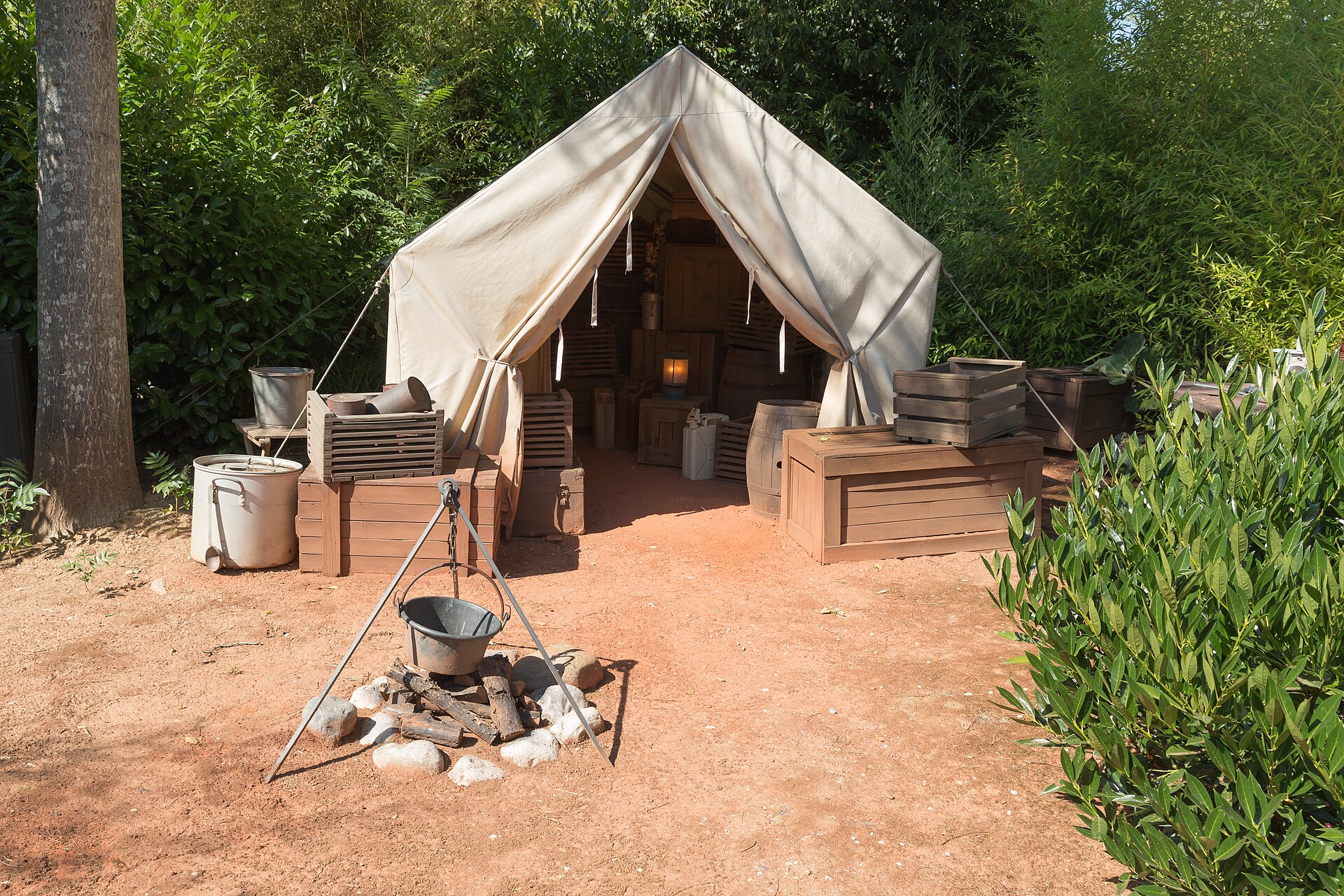
You wake up in a tent on a clear night, and the inside walls are dripping. Nobody spilled anything and it did not rain. What happened is condensation: warm, moist air from inside the tent met the cooler tent fabric, and the water vapor turned into liquid droplets, according to tent maker Seek Outside.
It is one of the most common camping complaints, and it does not mean your tent is faulty. It is basic physics, and every camper deals with it. This article explains why tent condensation happens, what makes it worse, and the proven ways to reduce it, from vent strategy to campsite choice to gear habits.
What tent condensation is and why it forms
The key factor is the temperature difference between the inside and outside of the tent, according to Seek Outside. Warm air holds more moisture than cold air. When the air inside the tent cools overnight, the moisture it carries condenses onto the colder tent walls.
Your own body is the main moisture factory. At 98.6°F, you are a natural heat source, and every breath you exhale adds water vapor to the air, according to Seek Outside.
Each person exhales around a litre of water overnight, according to outdoor retailer Trekitt. A two-person tent therefore gains roughly two litres of water vapor from breathing alone, before counting any sweat or damp gear.
Other sources add more. Wet clothes, boots, and backpacks brought inside keep releasing moisture all night.
Cooking inside the tent dumps large volumes of vapor into the air, and it is unsafe for other reasons too, according to Hot Tent. Damp ground under the tent contributes humidity from below.
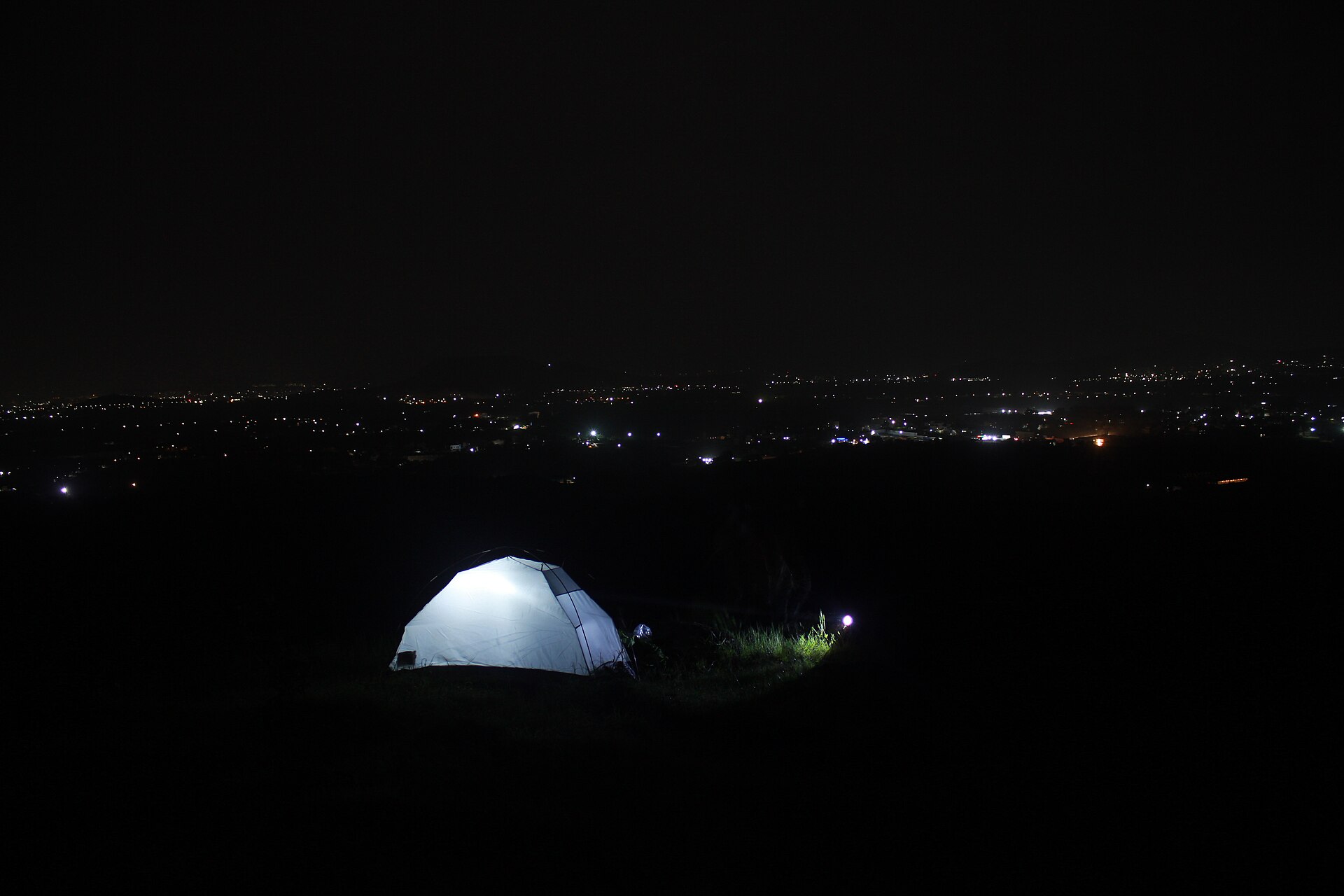
Clear, still nights are the worst, according to Trekitt. Without wind, the moisture has nowhere to escape, and the cold tent fabric becomes a perfect surface for condensation or frost to form.
This is why condensation can be heavier on a beautiful clear night than on a mild overcast one. You cannot eliminate it entirely, but you can manage it down to a minor nuisance.
The design of the tent matters too. A double-wall tent is the most reliable option for staying dry: the breathable inner tent keeps you separated from the moisture, while the flysheet takes the condensation, according to Trekitt. Single-wall tents can work in dry alpine conditions, but they drip more readily in damp weather because you sleep inches from the condensing surface.
What makes condensation worse
Knowing the amplifiers helps you avoid them.
Crowded tents. Smaller tents with more occupants produce more condensation because more people mean more warm air and moisture in a confined space, according to Seek Outside. Larger tents with fewer people let the moisture spread over a bigger area, reducing its impact.
Low, sheltered pitches. Cold air and moisture collect in low-lying areas like creek beds and valley bottoms, according to Seek Outside. Camping right beside a lake or river raises the humidity around the tent. Sheltered hollows that block the breeze trap moist air against the fabric. Trekitt's winter guide makes the same point: clear, still air is the enemy.
Snow against the fly. Snow piled against the flysheet blocks airflow and insulates the cold, making condensation worse, according to Trekitt. Clear snow away from the tent walls and compact the pitch platform instead of burying the fly.
Sealed-up tents. Many campers zip everything shut to stay warm, but trapped moisture often makes the tent feel colder and clammy, according to Go Campthing's camping guide. Warmth with wet air is worse than slight coolness with dry air.
Wet gear inside. Damp boots, rain jackets, and backpacks in the sleeping area keep evaporating moisture all night. The same goes for a sleeping bag that got damp during the day: while you sleep, its moisture evaporates and condenses on the tent walls, according to Hot Tent.
Touching the walls. When you press a sleeping bag or pack against the tent wall, moisture can wick through the fabric. Keep gear away from the sides so droplets stay on the fabric instead of soaking your kit.
How to reduce condensation: ventilation
Ventilation is the single most effective countermeasure, and it is also the most ignored. Airflow carries moist air out and lets drier outside air in, shrinking the temperature and humidity gap that drives condensation, according to Seek Outside.
Open high and low vents. Use both high and low vents to create a chimney effect: cool air enters low, warm humid air exits high, according to Trekitt. Even a small opening on each side can make a significant difference. Keep vents clear of bags and bodies so air can actually move.
Crack the doors. In dry weather, you can pitch without the rainfly entirely and let the mesh body breathe, according to Advnture. When the fly is needed, leave doors at least partially open and unzip mesh-lined windows. If your tent has doors on both sides of the sleeping area, opening both gives cross-ventilation, which is the best setup for staying dry.
Lift the skirt. On tents with adjustable skirts, a small gap between the fly edge and the ground transforms airflow. In Seek Outside's own testing, a tight sod skirt versus a couple-inch gap changed condensation by an average of around 80 percent. The trade-off is more breeze, so adjust to conditions.
Aim the door at the wind. Pitch with the tent's vents and door aligned to the prevailing breeze so air moves through rather than around the tent, according to camping guides. A light breeze can carry moisture away even when you would rather be fully sheltered.
Do not cook inside. Apart from the safety risks, cooking releases large vapor volumes that go straight onto the cold fabric. Cook in the vestibule or outside, and let the steam escape away from the sleeping area.
Good ventilation habits pair with smart packing: a proper day hike checklist keeps wet gear organized outside the tent, and choosing the right tent for the trip, car camping versus backpacking, decides how much venting hardware you have to work with.
How to reduce condensation: site selection and gear habits
Pick high, dry, breezy ground. Avoid valley bottoms and creek beds where cold air pools, and keep distance from lakes and rivers, according to Seek Outside. A light breeze is your ally: it carries moisture away from the tent. Camping under a tree canopy can help too, since it slows heat loss and reduces dew settling on the fly, according to Go Campthing, but avoid dead trees and hanging branches for safety.
Size the shelter to the party. Fewer people in a larger tent means less moisture per cubic foot of air, according to Seek Outside. If you are stuck in a small tent with two people, compensate with aggressive ventilation.
Keep wet kit out. Store boots, damp clothes, and packs in the vestibule or under a small tarp outside, according to Advnture. Dry your gear during the day whenever possible; a sleeping bag aired in the afternoon sun holds far less moisture at night.
Use a liner or footprint. A liner acts as an interior shield that catches drips and directs moisture to the tent floor, effectively turning a single-wall tent into a double-wall one, according to Seek Outside. A footprint or groundsheet also blocks ground moisture from below.
Wipe down during the night. Since some condensation is unavoidable, pack a small microfiber towel and wipe the walls when you notice dampness, according to Live For The Outdoors. A quick wipe at 2 a.m. beats a soaked sleeping bag at 6 a.m.
Manage morning moisture. In the morning, open everything up and let the tent air out before packing. Packing a damp tent and leaving it bundled grows mildew; dry it fully at home as soon as you can. Your sleeping bag choice matters here too: a bag rated for the actual night temperature means less sweating and less moisture to manage.
Frequently asked questions
Is condensation a sign my tent leaks?
Usually not. Condensation forms on the inside from your own breath and body heat, while a leak lets rain in from outside.
If the walls are damp on a dry night, it is condensation. If water comes through during rain, check the waterproof coating and seams, according to Trekitt.
Can I completely prevent tent condensation?
It is very hard to eliminate entirely, especially on cold, still nights, according to Live For The Outdoors. The realistic goal is reduction: ventilate well, choose a breezy pitch, and keep wet gear out, and condensation drops from trip-ruining to trivial.
Should I reproof my tent if I get condensation?
Only if water stops beading on the flysheet or you see actual leakage in rain, according to Trekitt. Condensation alone does not mean the waterproof coating has failed, so do not waste money reproofing for the wrong problem.
Does a tent dehumidifier work?
Small tent dehumidifiers exist and can help in a small tent, but they are a supplement, not a solution, according to Hot Tent. They do not replace ventilation and good site selection. Never use an electric dehumidifier inside a small tent as a substitute for airflow, and check fire safety guidance for any powered device.
The bottom line
Tent condensation happens because your warm, moist breath meets cold fabric, and each camper adds about a litre of water to the air overnight. Fight it with the chimney effect: low vents in, high vents out.
Pitch on high, breezy ground away from water, keep wet gear in the vestibule, and wipe the walls when needed. Do those four things and you will wake up dry far more often than not. For the rest of your campcraft, review how to purify water on the trail before your next trip.
Related stories

Why Is Altitude Sickness Worse for Some People?
Altitude sickness hits some people harder because of genetics, ascent speed, and prior history, not fitness level. Here is what raises risk

Why Do You Get Blisters When Hiking and How to Prevent Them
Friction plus moisture plus heat equals a blister. Learn why hiking breeds all three, and the boots, socks, and tape system that keeps

How to choose hiking boots for beginners: fit, features, and break-in
Beginners should buy for fit first: snug everywhere, tight nowhere, with a thumb's width at the toes. Here is how to size, test,