
How to purify water while hiking without a filter
Key takeaways
- Boiling is the most reliable method: a rolling boil for 1 minute, or 3 minutes above 6,500 feet.
- Plain unscented bleach works at 2 drops per liter with a 30-minute wait, per EPA and CDC guidance.
- No method is perfect for every contaminant, so match the method to the water source.
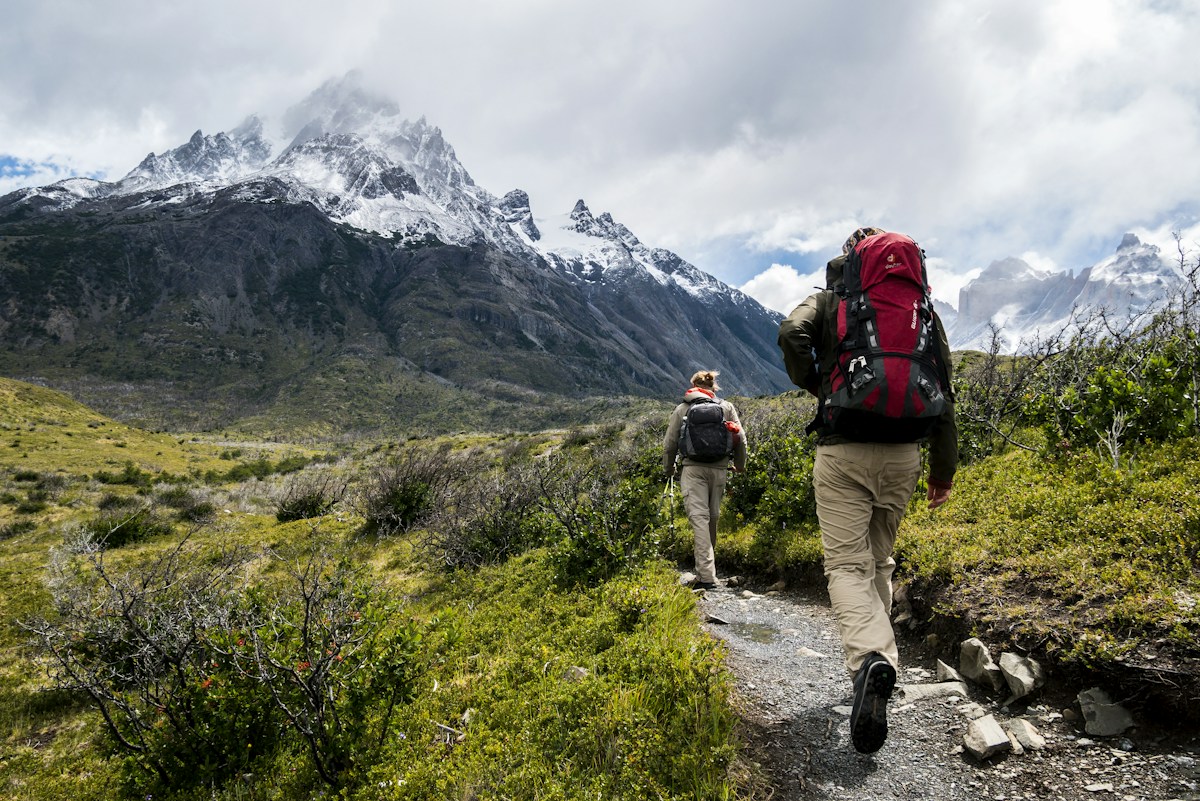
Purifying water without a filter means making stream, lake, or spring water safe to drink using heat, chemicals, or sunlight instead of a pump or squeeze filter. Clear-looking backcountry water can carry bacteria, viruses, and protozoa like Giardia, which causes severe diarrhea.
The scientific literature shows that one in five to one in ten tested backcountry sites, even seemingly pristine ones, harbor some kind of disease-causing pathogen, according to the Sierra Club's Krista Langlois. Treatment is not optional gear-industry marketing.
This article covers the four practical no-filter methods, boiling, chemical treatment, chlorine dioxide, and solar disinfection, with exact dosages and wait times, plus how to choose the best water source and when each method falls short.
Boiling: the most reliable method
Boiling kills just about everything: bacteria, viruses, and protozoa. Bring water to a rolling boil for one minute. Above 6,500 feet, where water boils at a lower temperature, boil for three minutes, per the guidance cited by both the Sierra Club and Kathmandu.
Boiling needs no special gear beyond what many hikers already carry: a stove, fuel, and a pot. That makes it the best backup method when other treatment fails. It also leaves no chemical taste, which is why many hikers prefer it at camp.
The downsides are weight and time. You must carry fuel for every liter, set up the stove, and wait for the water to cool before drinking.
The Sierra Club notes that boiling is not ideal for staying hydrated during a long day of hiking, since you cannot boil and walk at the same time. It also does not remove chemicals, heavy metals, or bad tastes.
One more point: boiling works on cloudy water where some chemical methods struggle, because heat does not care about sediment. If the only source is silty, let it settle first, pour off the clear water, then boil.
Chemical treatment: bleach and iodine
Plain household bleach is the cheapest treatment available. The Sierra Club's Langlois describes her own system: plain unscented bleach in a small plastic dropper bottle, two drops per liter of water, then a 30-minute wait. That dosage, two drops per liter or eight drops per gallon, matches the amounts recommended by the Environmental Protection Agency and the Centers for Disease Control and Prevention.
Survival Life gives the same method in kitchen measurements: about 1/8 teaspoon of plain bleach per gallon, with at least 30 minutes of contact time. Use only plain, unscented bleach with no added cleaners or color-safe formulas. Anything with scent or additives is not safe for this purpose.
Iodine is the other classic chemical option. Survival Life cites 5 to 10 drops of 2% tincture of iodine per liter of water, with a minimum 30-minute wait. Iodine tablets sold for campers work the same way; follow the package dosage.
Chemical treatment is light and simple, which is why tablets live in many first-aid kits. But know the limits. The CDC calls chlorine disinfection a "pathogen reduction method": it significantly reduces risk without eliminating it completely.
Bleach is highly effective against viruses but less effective against the protozoa Giardia. Kathmandu adds that chlorine tablets need about 30 minutes for viruses and bacteria but two hours to kill Giardia. If the water looks suspect, with livestock upstream or visible contamination, boiling is the safer choice, a point the Sierra Club attributes to Aaron Reilly, an assistant professor at the University of New Mexico specializing in wilderness medicine.
Chlorine dioxide: the upgrade
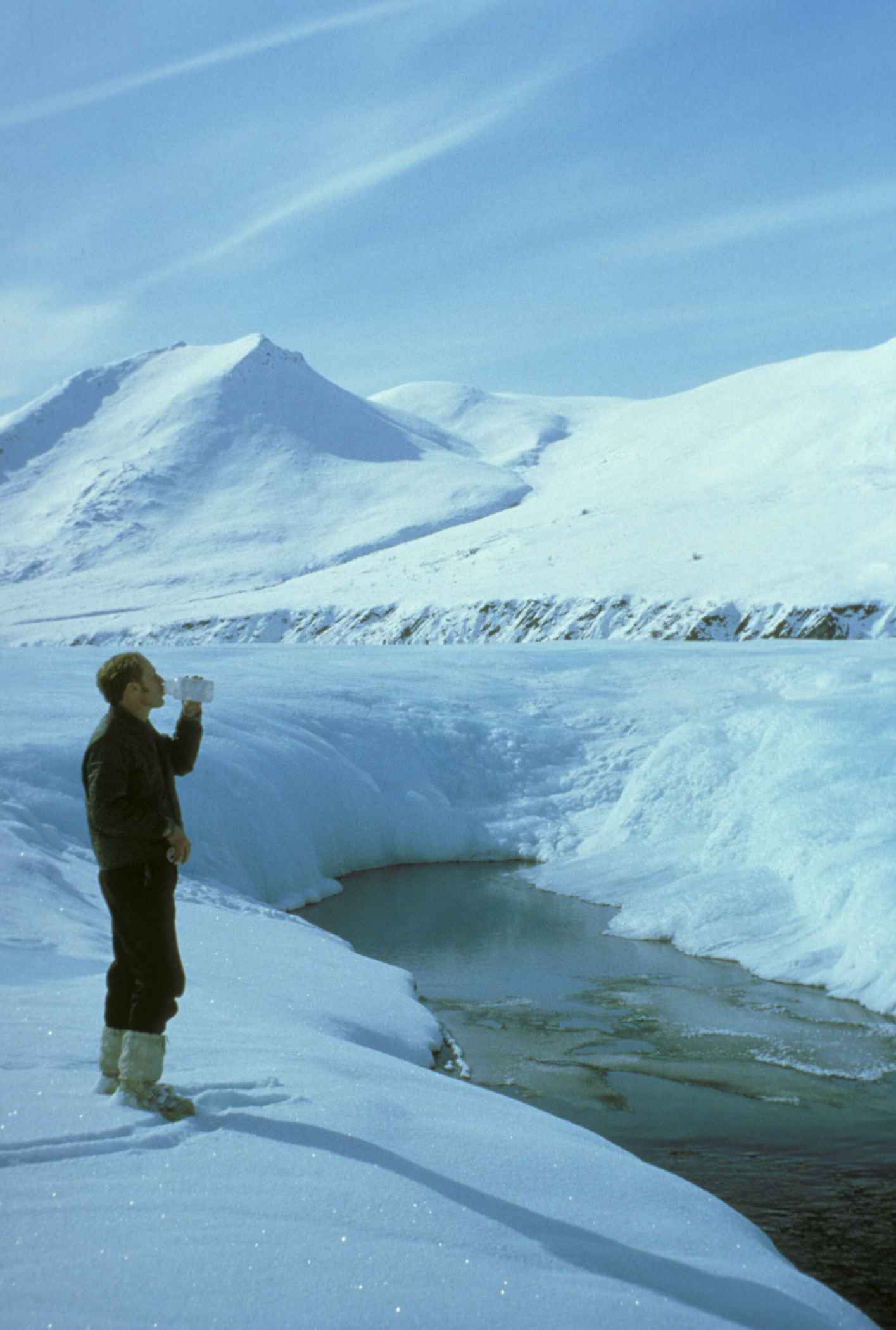
Chlorine dioxide is a different chemical from the sodium hypochlorite in household bleach. It is the active ingredient in popular treatment drops such as Aquamira, and it is more effective than bleach at killing Giardia, according to the Sierra Club.
The trade-offs are cost and availability. Aquamira runs about $15 for 30 gallons of treated water, and you must buy it at an outdoor-gear store or online.
It comes as two bottles you carry separately and mix when ready to treat. Some hikers also prefer its taste over bleach.
For hikers who treat water regularly, chlorine dioxide hits a sweet spot: lighter than a stove, more effective than bleach against protozoa, and no fuel to carry. Pack it alongside your day hike checklist gear and you have treatment covered for almost any route.
Solar disinfection: SODIS
Solar disinfection, known as SODIS, uses the sun's UV rays to kill microorganisms. Fill a clear plastic or glass bottle with water and place it in direct sunlight for at least six hours. The UV penetrates the water and destroys pathogens, according to FlaFlyFish's guide.
SODIS costs nothing and needs no gear beyond a clear bottle, which makes it a genuine emergency option. But it has hard requirements.
The water must be relatively clear, since sediment blocks the UV. The sky must be sunny; the method does not work well in cloudy or overcast conditions. And six hours is a long time when you are thirsty now.
Think of SODIS as a camp method, not a trail method. Set bottles out in the morning sun at base camp and they are ready by afternoon. For a moving hiker, boiling or chemicals will always be faster.
Choosing a good water source
Treatment works best on the cleanest source you can find. Kathmandu's gathering tips are the standard: prefer flowing water in a stream or river, which avoids the algae and microorganisms that collect in still water. If only calm water is available, collect away from the shore, where microorganisms concentrate.
Avoid water near pastures, established campsites, or any sign of animal or human activity upstream. Dead animals, heavy livestock use, or visible waste mean the source needs the strongest treatment you have, which is boiling, and ideally you find a different source.
Leave No Trace principles protect the source for the next hiker. Camp at least 60 meters from water, dispose of waste at least 60 meters away, and never wash or toss soapy water into streams. Healthy sources start with healthy habits.
Hikers building toward bigger objectives often train with progressive overload principles. Water planning deserves the same systematic approach, since needs climb with altitude and effort, which is exactly when treatment methods get more important.
A dry camp set back from the shore also avoids the tent condensation that plagues pitches near water.
Frequently asked questions
How long do I need to boil water while hiking?
Bring it to a rolling boil for 1 minute. Above 6,500 feet, boil for 3 minutes because water boils at a lower temperature at altitude.
How much bleach purifies a liter of water?
Two drops of plain, unscented bleach per liter, then wait 30 minutes. That is eight drops per gallon, the dosage recommended by the EPA and CDC. Never use scented or color-safe bleach.
Do purification tablets kill Giardia?
Chlorine tablets need about 30 minutes for viruses and bacteria but up to two hours for Giardia, according to Kathmandu. Chlorine dioxide drops are more effective against Giardia than plain bleach.
Can I drink directly from a mountain stream?
No. One in five to one in ten tested backcountry sites carry disease-causing pathogens even when the water looks pristine, per the Sierra Club. Always treat wild water.
Does SODIS work on cloudy days?
Not reliably. Solar disinfection needs at least six hours of direct sunlight on relatively clear water. In overcast conditions, use boiling or chemical treatment instead.
The bottom line
Without a filter, your best options are boiling for 1 minute (3 minutes above 6,500 feet), 2 drops of plain bleach per liter with a 30-minute wait, chlorine dioxide drops for better Giardia coverage, or 6 hours of direct sun for SODIS. Pick the cleanest flowing source you can find, match the method to the conditions, and boil when the water looks suspect. Tuck a small bottle of bleach or a strip of tablets into your pack before your next hike, and test the dosage at home so the routine is second nature on the trail.
Related stories

Why Is Altitude Sickness Worse for Some People?
Altitude sickness hits some people harder because of genetics, ascent speed, and prior history, not fitness level. Here is what raises risk

Why Do You Get Blisters When Hiking and How to Prevent Them
Friction plus moisture plus heat equals a blister. Learn why hiking breeds all three, and the boots, socks, and tape system that keeps

How to choose hiking boots for beginners: fit, features, and break-in
Beginners should buy for fit first: snug everywhere, tight nowhere, with a thumb's width at the toes. Here is how to size, test,