
Why Do Dogs Eat Grass and Should You Stop Them
Key takeaways
- Most dogs eat grass because they enjoy it, not because they feel sick: only 9% of dogs in a large survey looked ill before grazing.
- The nausea case looks frantic and fast, while the boredom case looks calm and picky.
- Stop the grazing only when the grass may be sprayed, the dog eats obsessively, or vomiting keeps repeating.
This article is for general information, not veterinary advice. If your dog vomits often, eats grass frantically, or seems unwell, contact your veterinarian.
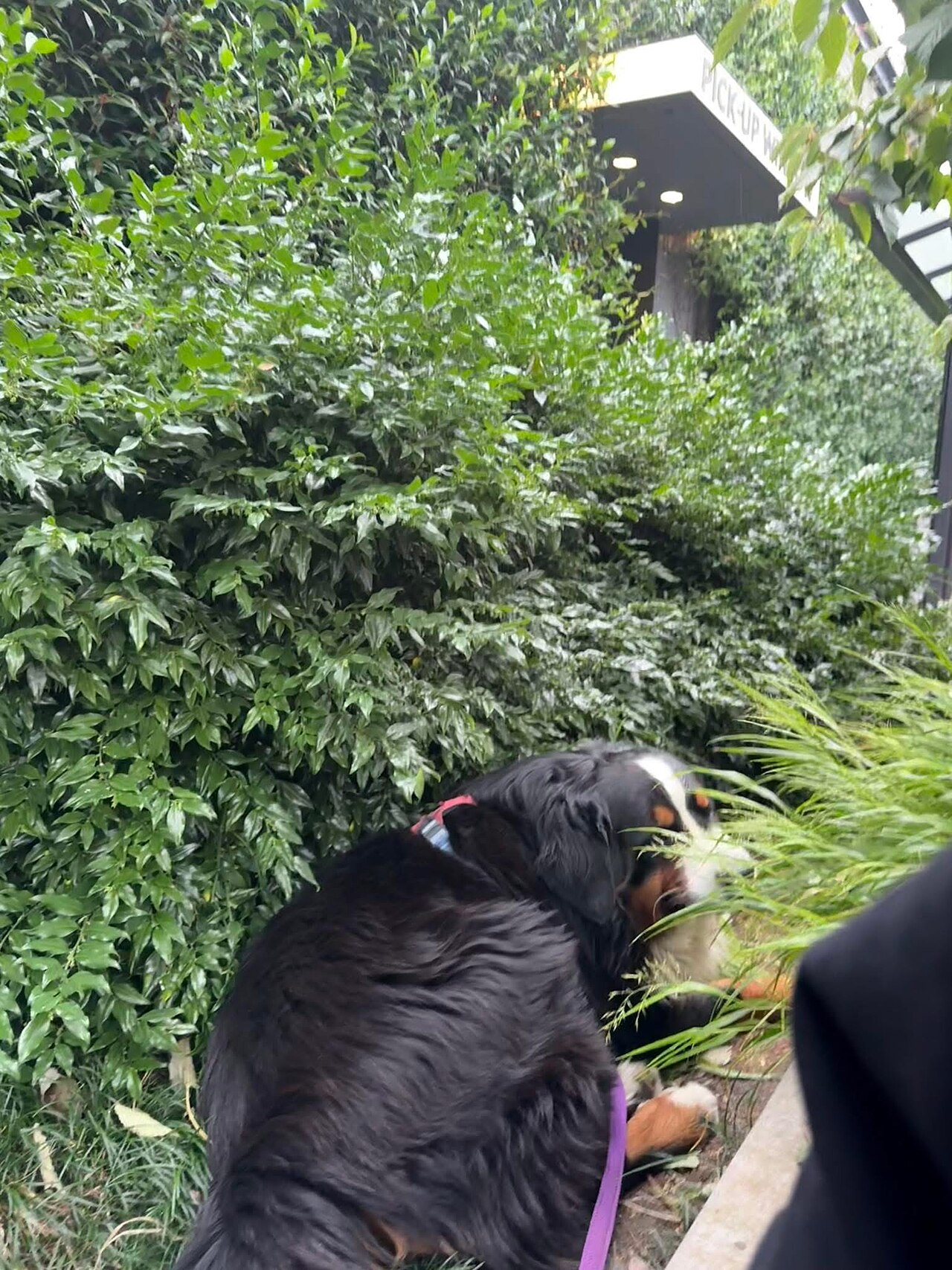
A dog grazing on the lawn looks alarming the first time. The old story says the dog must feel sick and is trying to make itself vomit.
The research tells a calmer story. Grass eating is normal dog behavior, and most dogs who do it feel fine.
This article explains what the largest survey found, why dogs graze, how to tell the nausea case from the boredom case, and when to step in.
What the research found
The best numbers come from a survey led by Karen Sueda, Benjamin Hart, and Kelly Cliff, published in Applied Animal Behaviour Science in 2008. The team collected 1,571 usable surveys from owners of dogs who ate plants. Overall, 68% of the dogs ate plants on a daily or weekly basis. Grass was the most common plant, eaten by 79% of the dogs.
The sickness numbers are the surprising part. Only 9% of the dogs were reported to often look ill before eating plants. Only 22% were reported to often vomit afterward.
In a smaller clinic survey of 47 dogs with daily plant exposure, 79% had eaten grass or other plants. The authors concluded that plant eating is a normal behavior of domestic dogs.
A separate small study of 12 dogs adds texture. Those dogs ate grass 709 times across the study. They vomited rarely, and the vomiting that did happen came after meals.
The dogs were also more likely to eat grass before their daily meal than after it. Hunger, not sickness, predicted grazing.
Wild relatives point the same way. Studies in Yellowstone National Park found plant matter, mostly grass, in up to 74% of wolf scats.
Dogs descend from wolves, and the grazing habit appears to be old. A behavior that shows up in healthy dogs, in controlled studies, and in wild canids is hard to call a sickness signal.
Why dogs eat grass
Dogs graze for several reasons, and more than one can apply to the same dog.
Taste and texture lead the list. Fresh spring grass has a mild taste and a satisfying pull.
Ripping blades from the ground gives a dog something to do with mouth and paws. Many dogs simply enjoy it, the way some people enjoy chewing a straw.
Hunger plays a role too. The 12-dog study found grazing rose before meals.
A dog waiting for dinner may top up on lawn. Feeding on a steady schedule and splitting meals can reduce pre-meal grazing in some dogs.
Boredom is the third driver. A dog left alone in a yard with little to do may graze to pass the time.
Chewing grass is a low-effort activity for an under-stimulated dog. Extra walks, play, and puzzle feeders often cut grazing that comes from boredom.
Instinct is the fourth. Wild canids eat plant matter, and domestic dogs kept the habit. Some researchers suggest grass adds roughage or helps move material through the gut.
The evidence for a fiber need is thin, and the Sueda survey found no link between diet type and plant eating. Instinct remains a plausible partial explanation, not a proven one.
Learned behavior is the fifth. Puppies watch other dogs and copy them.
A puppy raised with a grazing mother is more likely to graze. Dogs also explore the world with their mouths, and grass carries the scent marks of every animal that passed by.
Nausea or boredom: how to tell the difference
The distinction owners need is between the nausea case and the boredom case. They look different in speed, mood, and aftermath.
The nausea case looks urgent. The dog rushes outside, seeks grass at once, and gulps blades fast without chewing much. Lip licking and swallowing are common signs of nausea in dogs.
Vomiting may follow within minutes. Afterward, the dog often settles or asks to come back inside. A dog that grazes frantically, vomits, and then acts unwell needs a closer look.
The boredom case looks relaxed. The dog wanders, sniffs, picks a few blades, chews slowly, and moves on. There is no rush and no vomiting.
The grazing may last a minute or two and stop on its own. A dog that grazes calmly and then plays normally is showing the common case.
The chewing style also hints at the outcome. Grass chewed well tends to pass without trouble.
Blades swallowed whole are more likely to irritate the throat or stomach and trigger vomiting. Fast gulping is therefore a warning sign even before vomiting starts.
Keep a simple log when the behavior worries you. Note the time, whether the dog had eaten, how fast the grazing was, and whether vomiting followed.
A pattern of calm grazing with no vomiting is reassuring. A pattern of frantic grazing with repeated vomiting is a reason to call the vet.
When to stop the grazing
Most grazing needs no intervention. The exceptions are clear.
Stop the dog when the grass may be treated. Lawns, parks, and sports fields are often sprayed with herbicides, pesticides, or fertilizer. Some councils mark sprayed grass with a dye.
If you do not know whether a lawn was treated, keep the dog off it. A treated lawn is the strongest reason to interrupt grazing.
Stop the dog when grazing turns obsessive. A dog that eats grass for long stretches every day, ignores play and food to graze, or eats grass along with rocks, paper, cloth, or other non-food items may have pica, the compulsive eating of non-food items.
Pica can signal a nutritional problem, a gut problem, or an anxiety problem. It deserves a vet visit, not a scolding.
Stop the dog when vomiting repeats. One vomit after a fast grazing session in an otherwise healthy dog is usually not an emergency.
Vomiting more than once or twice a year after grazing, vomiting with blood, diarrhea, drooling, loss of appetite, or lethargy all call for a vet. Puppies, small dogs, and dogs with health conditions deserve a faster call.
Also keep the dog away from grass with sharp seed heads in dry season. Foxtail-type seeds can lodge in ears, noses, paws, and throats. Grazing on a mown lawn is safer than grazing in tall dry weeds.
What to do instead of scolding
Scolding rarely helps. The dog does not connect the punishment to the grazing, and the behavior often continues. Management and redirection work better.
For the boredom case, add stimulation. A longer walk, a game of fetch, a snuffle mat, or a food puzzle gives the dog a better outlet.
Rotate toys so the yard stays interesting. A tired dog with things to do grazes less.
For the hunger case, check the feeding plan. A steady schedule with meals split across the day reduces pre-meal grazing. A vet can confirm whether the portion and diet fit the dog's weight and age.
Do not add extra food on a guess. Overfeeding creates its own problems.
For the calm grazing case, do nothing. Let the dog finish, then call it back to play.
A brief graze on a clean lawn is a normal part of a dog's day. The dog that grazes calmly is not broken and does not need fixing.
For the nausea case, watch and wait, then call the vet if the pattern repeats. Note what the dog ate, when it grazed, and what the vomit looked like.
That log helps the vet more than a guess about grass. If the dog ate something toxic, such as a poisoned bait or a harmful plant, contact the vet or an emergency clinic at once.
FAQ
Is grass eating a sign my dog is sick?
Usually not. In the largest survey, only 9% of dogs often looked ill before eating plants, and only 22% often vomited afterward. Calm grazing with no vomiting is normal behavior.
Should I stop my dog from eating grass?
Not on a clean untreated lawn, unless the grazing is frantic, obsessive, or followed by repeated vomiting. Stop the dog on lawns that may be sprayed with herbicide or fertilizer.
Why does my dog vomit after eating grass?
Fast gulping of whole blades can irritate the throat and stomach and trigger vomiting. Dogs who already felt sick before grazing are the most likely to vomit afterward. Repeated vomiting deserves a vet visit.
Can puppies eat grass?
Puppies graze more than older dogs, and the Sueda survey found younger age linked to more frequent plant eating. Keep puppies on clean lawns, watch for frantic grazing, and ask the vet about any pattern that worries you.
The bottom line
Dogs eat grass because they enjoy it, feel hungry, feel bored, or follow an old instinct. Sickness is the least common reason, not the default one. Calm, picky grazing on a clean lawn needs no action.
Frantic gulping, repeated vomiting, obsessive grazing, or grazing on sprayed grass does. Learn the difference, keep a short log when the behavior worries you, and call the vet when the pattern points to illness.
Tags: dogs, pet behavior, dog health, grass eating
Latest in Pets
- How to introduce a new kitten to a dog safely
- Human foods that are dangerous for dogs and cats
- How to stop a puppy chewing everything in the house
Subscribe for one practical pet guide in your inbox each week.
Related stories

Why Does My Dog Eat Grass and Vomit?
A UC Davis study of 1,571 owners found grass eating is normal dog behavior, not self-medication: only 10% were ill first. What the science

Why Does My Dog Stare at Me While I Eat?
Dogs stare at you while you eat because it has worked before, and mutual gaze raises bonding hormones. Learn the reinforcement science

Foods toxic to dogs: the list, with reasons
Chocolate, xylitol, grapes, onions: common foods can harm dogs. Learn what makes each one toxic, the warning signs, and what to do if your