
How to Stop a Puppy From Chewing Everything in the House
Key takeaways
- Chewing is normal for puppies: they teethe, explore with their mouths, and chew when bored.
- Redirect every wrong chew to an approved toy in the same moment, and praise the switch.
- Manage the house so the puppy can only reach things you do not mind losing.
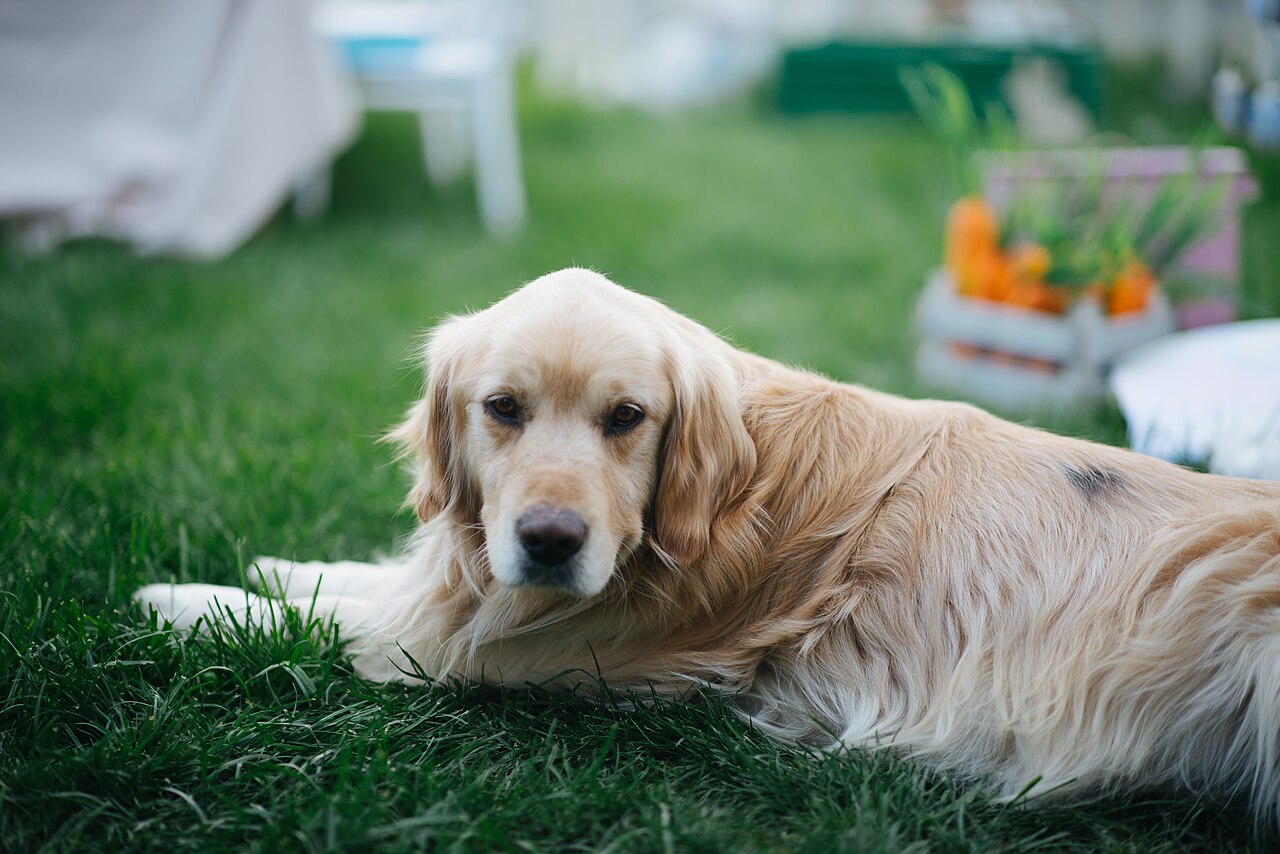
A puppy chewing the table leg is not being bad. Chewing is how puppies explore the world, soothe sore gums, and burn off energy. The goal is not to stop chewing.
The goal is to teach the puppy what to chew and to set up the house so the wrong choices are out of reach.
This article explains how to stop a puppy from chewing everything in the house, including why puppies chew, the redirect method, managing the environment, and the daily routine that makes good chewing a habit.
Why puppies chew everything
Puppies use their mouths the way babies use their hands. Everything goes in for a taste and a test. Teething drives much of it.
The American Kennel Club notes that teething typically starts around 13 to 16 weeks, when sore gums push puppies to chew for relief. A second stage, the exploratory phase of biting and tasting everything, runs from about 4 to 7 months. During teething, 28 baby teeth give way to 42 adult teeth.
By around 6 months of age, most puppies have their adult teeth, and teething-related chewing drops off.
Boredom drives the rest. A puppy with nothing to do will find something to do, and your shoes are more interesting than a toy that has sat on the floor all week. Household items carry your scent, offer new textures, and move when pulled.
A rubber toy that never changes cannot compete.
Anxiety plays a part too. Some puppies chew most in the minutes right after you leave and right before you return. Trainer Doctor Ian Dunbar points out that most chewing activity clusters around those two moments, which is why the routine for departures matters as much as the toys.
The redirect method: the core move
Redirect is the single technique that does most of the work. When you catch the puppy chewing something wrong, interrupt calmly, then offer something right, then praise the switch.
The American Kennel Club describes it this way: distract the puppy with a sharp "Eh eh! " and when the puppy drops the item, redirect cheerfully with a toy the puppy is allowed to have. Praise follows the moment the puppy takes the toy.
The praise is what teaches. The interruption only stops the moment.
Three rules keep redirect working. First, redirect in the moment. Punishing a puppy minutes later teaches nothing, since the puppy cannot connect the scolding to the chew.
Second, never chase the puppy to grab the item. A chase turns the shoe into a game. Third, keep a toy within arm's reach in every room where the puppy roams.
If the toy is in another room, the moment is gone before you return.
Teach "leave it" and "drop it" as backup commands. "Leave it" stops the puppy before the grab. "Drop it" gets the item back without a tug-of-war.
Train both with treats in calm sessions, not in the middle of a chewing crisis.
Manage the house before you train the puppy
The American Kennel Club is blunt: the only fully reliable way to save your possessions is to keep them out of the puppy's reach. Training takes weeks. Management works today.
Puppy-proof every room the puppy enters. Pick up shoes, socks, children's toys, books, remotes, and phone chargers. Tuck electrical cords behind furniture or inside cord covers.
Move plants out of reach, since some are toxic. Close closet doors. Put the laundry basket behind a closed door.
Give the puppy one safe space. A crate or a gated, dog-proofed room works when you cannot supervise. Stock it with a bed, water, and two or three approved chew items.
Stuffed hollow rubber toys filled with treats or moistened kibble keep a puppy busy when you are away. Never leave a puppy unsupervised with free run of the house until the chewing habit is solid.
One trap to avoid: never give the puppy an old shoe or an old sock as a toy. AKC Pet Insurance warns that puppies have no sense of value. The old shoe you gave them looks just like the new expensive one in your closet.
Toys should look nothing like household items.
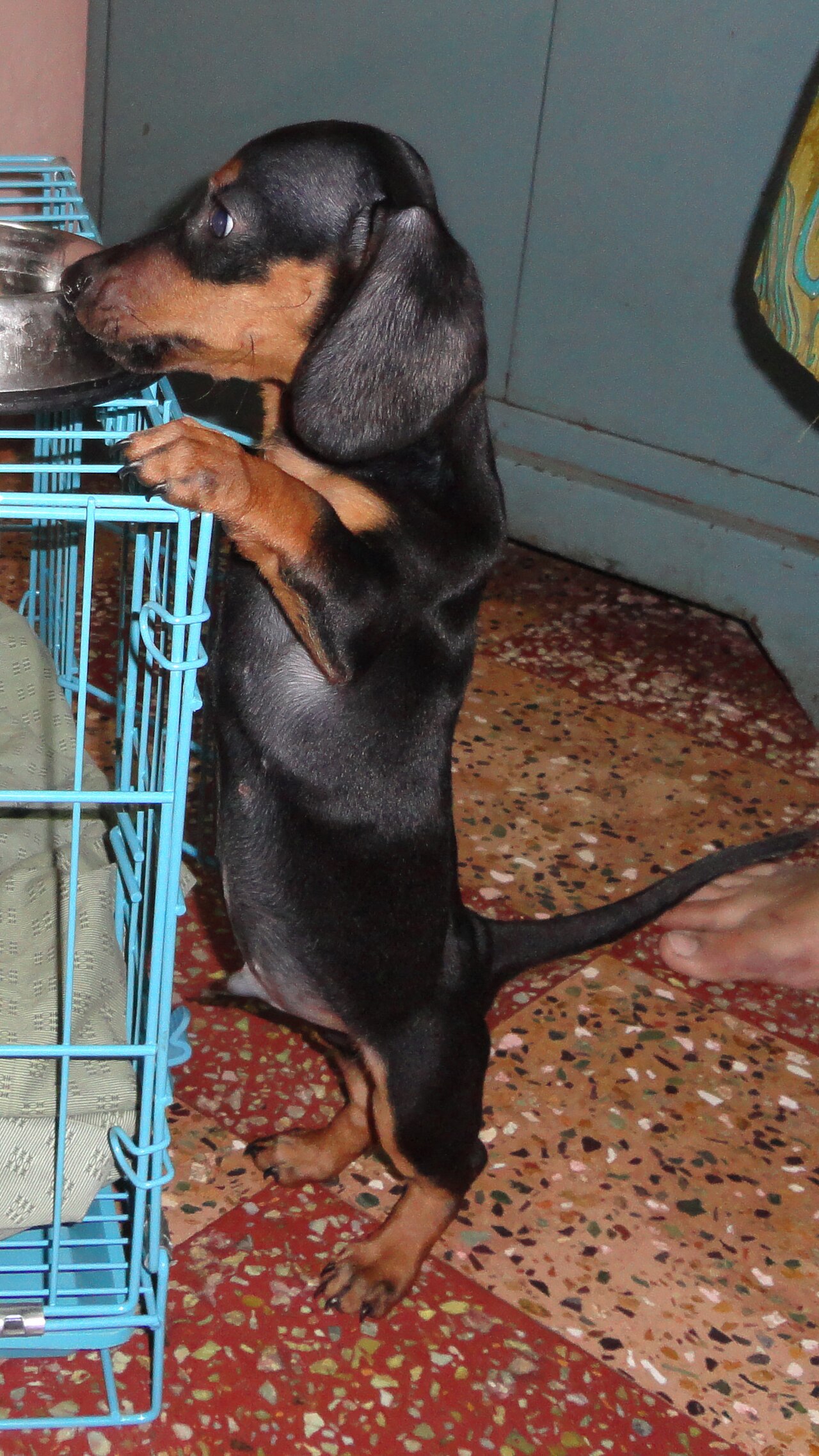
Make the right toys win
Toys fail when they are boring. Fix that with rotation. Keep only two or three toys available at a time, and swap them every few days.
A toy that reappears after a break feels new. The American Kennel Club notes that toys left lying around all the time stop being special.
Offer variety. Different textures cover different needs: a hard rubber toy for power chewing, a rope toy for tugging, a stuffed toy for carrying, and a puzzle toy for food. A frozen stuffed toy or a frozen washcloth soothes teething gums.
Watch which types your puppy returns to, and stock more of those.
Play with the toys yourself. A toy becomes exciting when you are part of the game. A few minutes of tug, fetch, or hide-and-seek turns a dull object into the best thing in the room.
Time with you is the reward that makes the toy matter.
Exercise and routine: the chewing prevention plan
A tired puppy chews less. Puppies need several short play sessions a day, plus short training sessions that tire the brain. Puzzle feeders, snuffle mats, and "find the treat" games give mental work.
A puppy that has played, trained, and napped is far less likely to eat the couch.
Routine matters as much as energy. Feed, play, train, and nap on a steady schedule. Puppies settle faster when the day is predictable.
For departures, Dunbar's blueprint recommends confinement with a freshly stuffed chew toy, so the puppy builds a habit of settling with a chew toy the moment you leave. The habit, not the toy alone, does the work.
Crate training helps when done kindly. The crate should feel like a den, never a punishment cell. Feed meals in it, leave the door open at first, and build up alone time in small steps.
A puppy that rests calmly in a crate is a puppy that is not eating your furniture.
What not to do
Never hit a puppy for chewing. Never yell, hold the mouth shut, or rub the nose in the damage. Fear does not teach the right choice.
It teaches the puppy to chew when you are not watching.
Do not rely on bitter sprays alone. A deterrent spray can help on a table leg, but it is a backup, not a plan. Test it on a hidden spot first, and reapply as directed.
Some puppies chew right through the taste.
Do not leave rawhide or small soft toys with an unsupervised puppy. Chew items can break into pieces that choke or block. Supervise chewing sessions, and remove any toy that starts to splinter or shed chunks.
When chewing signals something more
Most chewing is normal. A few patterns deserve a vet visit. Sudden heavy chewing in an adult dog can signal mouth pain, gum disease, or a broken tooth.
Chewing paired with weight loss, vomiting, or eating non-food items may point to a nutritional or digestive problem. Puppies that chew and swallow fabric, socks, or plastic need prompt vet attention, since swallowed objects can block the gut.
Separation anxiety is another cause. A puppy that chews doors and window frames only when left alone, and also barks, paces, or has accidents, may be anxious rather than bored. Anxiety cases improve slowly and may need a trainer or a behaviorist.
Film the puppy while you are out. The video shows whether the chewing starts at departure or hours later, which changes the fix.
Frequently asked questions
At what age do puppies stop chewing everything?
Many puppies chew less once their adult teeth come in at around 6 months of age. Some keep chewing from boredom, habit, or lack of stimulation. Training and management still matter after teething ends.
Why does my puppy ignore the toys and chew my shoes?
Shoes carry your scent, have appealing textures, and offer novelty. Rotating toys, playing with the toys yourself, and keeping shoes out of reach usually fix the preference.
Will crate training help stop destructive chewing?
It helps by preventing unsupervised chewing and by giving the puppy a calm den. The crate works best paired with chew toys inside and redirect training when the puppy is loose.
Should I punish my puppy for chewing?
No. Punishment after the fact does not teach the puppy anything. Interrupt calmly in the moment, redirect to an approved toy, and praise the switch.
How many toys should be out at once?
Two or three. Rotate them every few days so they stay interesting. Keep favorites for play sessions with you.
The bottom line
Chewing is normal, and the fix is a system, not a single trick. Puppy-proof the house, keep a toy in every room, redirect every wrong chew in the moment, rotate the toys, and give the puppy enough play and rest. Most puppies outgrow the worst of it once their adult teeth arrive.
The ones that do not usually need more exercise, more structure, or a vet check, not more scolding.
Tags: puppies, dog training, chewing, puppy care
Latest in Pets
- Why do dogs eat grass and should you stop them?
- How to introduce a new kitten to a dog safely
- Human foods that are dangerous for dogs and cats
- How to tell if your pet is in pain
Subscribe for one practical pet care guide in your inbox each week.
Related stories

Why Does My Dog Eat Grass and Vomit?
A UC Davis study of 1,571 owners found grass eating is normal dog behavior, not self-medication: only 10% were ill first. What the science

Why Does My Dog Stare at Me While I Eat?
Dogs stare at you while you eat because it has worked before, and mutual gaze raises bonding hormones. Learn the reinforcement science

Foods toxic to dogs: the list, with reasons
Chocolate, xylitol, grapes, onions: common foods can harm dogs. Learn what makes each one toxic, the warning signs, and what to do if your