
Why Do Dogs Sniff Other Dogs' Rear Ends: Chemical ID Cards
Key takeaways
- Rear-end sniffing is a chemical exchange: anal-gland secretions carry a scent signature unique to each dog.
- Dogs have up to 300 million scent receptors, plus a second organ that reads pheromones.
- The sniff reveals sex, diet, stress, and reproductive status in seconds.
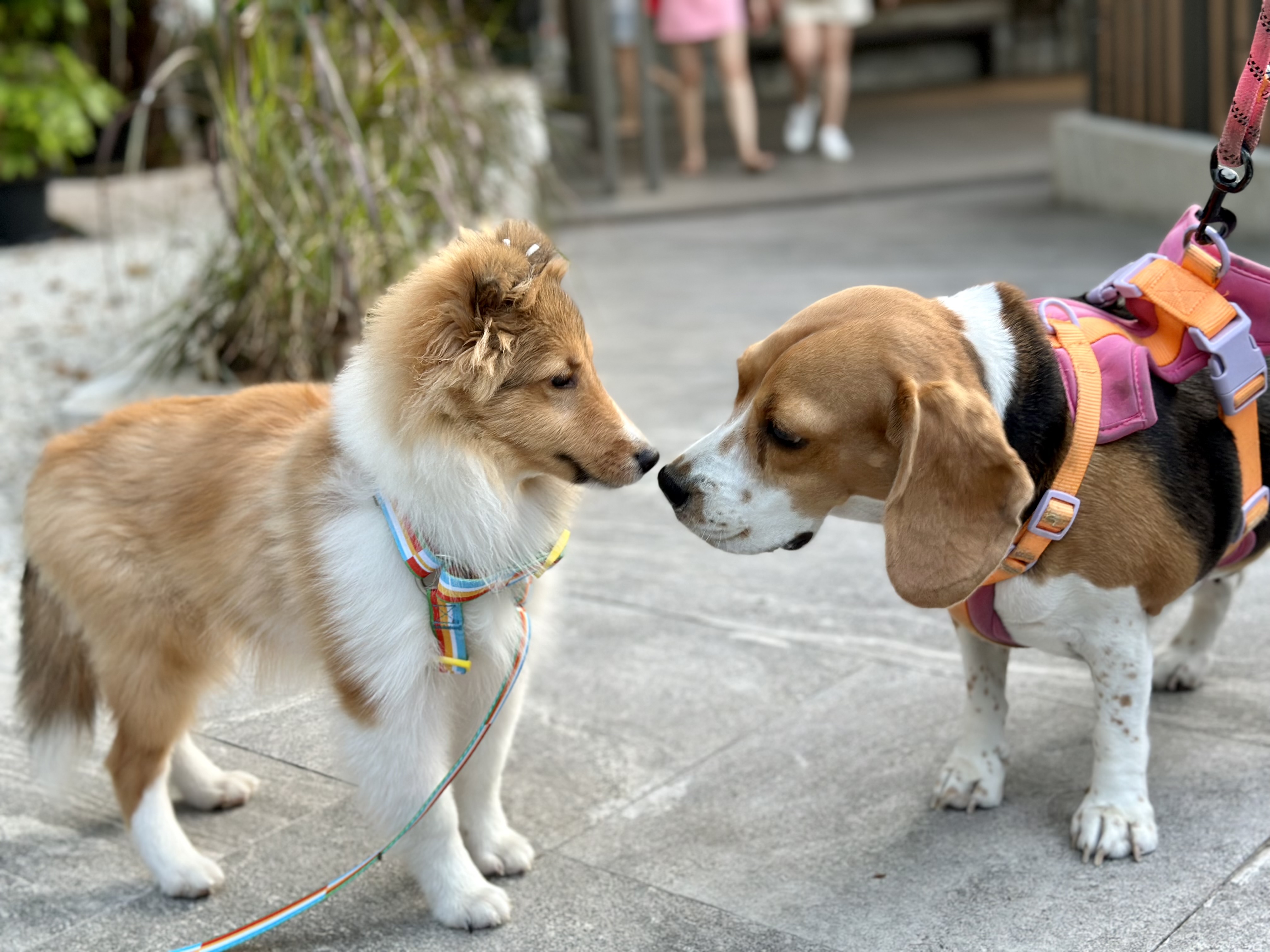
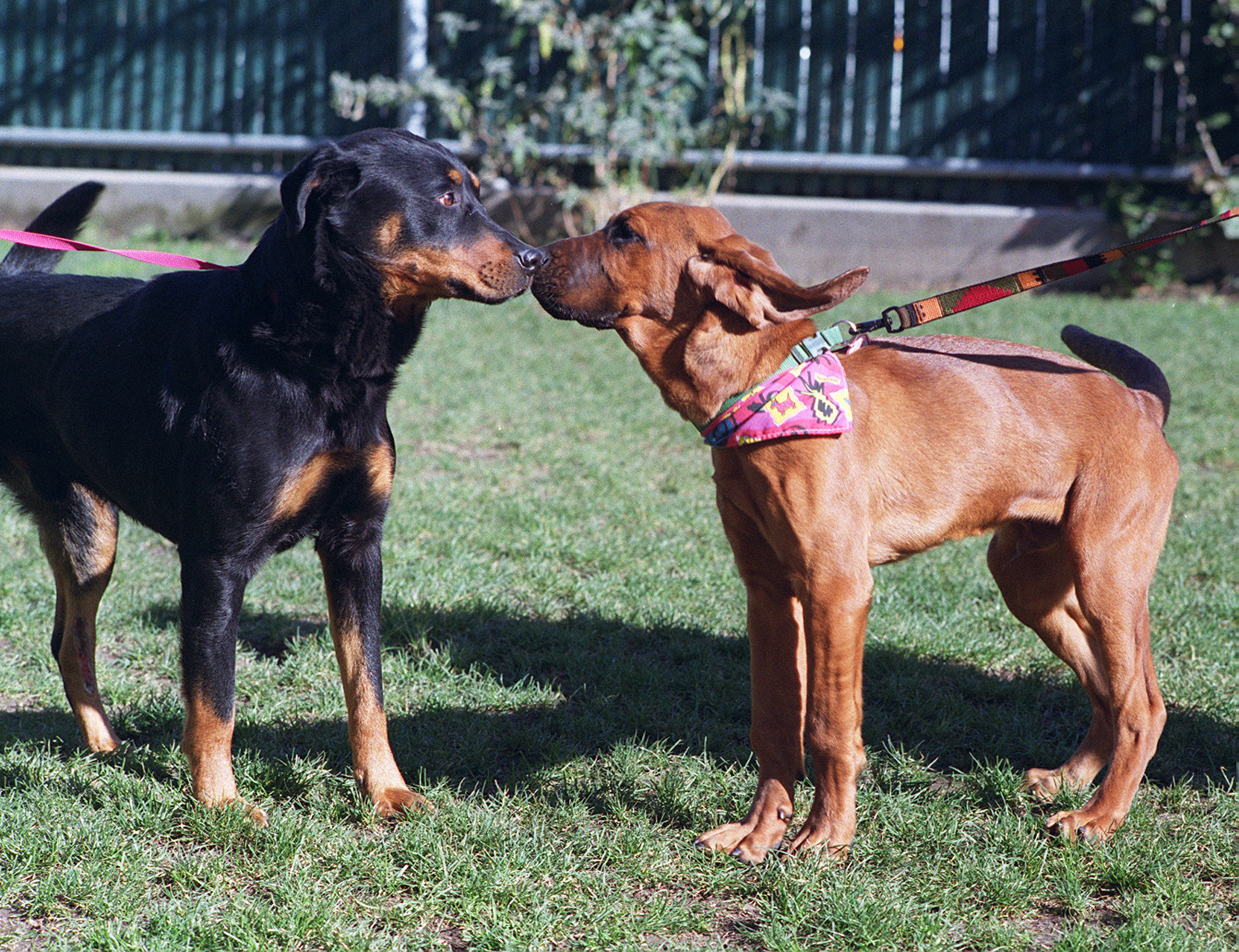
That awkward moment at the park, when two dogs meet and head straight for each other's backsides, is not bad manners. It is a precise chemical exchange that tells each animal more in three seconds than a human handshake conveys in three minutes.
Dogs read each other through scent. The rear end is where the richest chemical data sits, produced by specialised glands whose secretions act like a personal ID card. This article explains the glands, the organs that decode their output, and what exactly one sniff reveals.
The greeting is a handshake, not an insult
Canine behaviour specialists describe the rear-end sniff as the dog equivalent of saying hello. Veterinarian Debra Primovic, writing for PetPlace, calls it a natural, instinctual, and basic form of dog-to-dog communication. Dogs that already know each other still do it, to check what is new and reinforce their bond.
Owners sometimes pull their dog away mid-sniff, which can disrupt the information exchange and raise anxiety. Two housemates may sniff each other when one returns from outside or from the vet, effectively updating the shared record. Even the order of events follows a pattern: approach, circle, sniff, decide.
What looks crude to humans is efficient protocol to dogs. They lead with the sense that gives them the most data, and the data is chemical.
The anal glands: nature's ID card
On either side of a dog's anus sit two small sacs, the anal glands. They are lined with sebaceous and apocrine glands that produce a foul-smelling fluid, expelled during defecation or in moments of stress. The composition of that fluid shifts constantly with the dog's health, reproductive status, stress level, diet, and individual biochemistry.
According to Primovic, these secretions send chemical signals about that dog's identity to other animals. The signals include information about the sex of the dog, what the dog is eating, and even clues about emotional state. A report in TimesPets describes the scent as so specific that it functions not as a generic species signal but as a signature unique to the individual animal.
The fluid is a blend of volatile fatty acids, proteins, and microbes, and its recipe varies with genetics, gut flora, hormones, and immune status. In other words, every dog's rear end broadcasts a different formula, and every formula changes as the dog's condition changes. Familiar dogs sniff to read the updates.
The nose that reads the card
Dogs carry roughly 300 million olfactory receptors in their nasal passages, compared with about six million in humans, according to TimesPets. A piece in Oreate AI puts their sensitivity at up to 100,000 times ours, with detection at parts-per-trillion levels. That is the hardware reading the ID card.
But there is a second reader. The vomeronasal organ, also called Jacobson's organ, sits above the roof of the mouth and specialises in pheromones, the chemical signals animals use to influence each other's behaviour. TimesPets explains that it handles non-volatile chemical signals that bypass conscious smell entirely and feed directly into the limbic system, the brain region that processes social and reproductive information.
When a dog sniffs another dog's rear, it runs the ID card through both readers at once. The main olfactory system picks up the broad chemical profile, and the vomeronasal organ decodes the pheromone layer. The funny face some dogs make while sniffing, lip curled and nose tilted up, is the Flehman response, which helps channel scents toward that second organ.
Licking plays a supporting role. Dogs lick their noses partly to transfer scent molecules into the mouth, where the vomeronasal organ gets another chance to analyse them. It is a deliberate data-collection technique, much like the way dogs bury bones and toys is a deliberate survival technique rather than a random habit.
What one sniff actually reveals
The layers of information arrive in roughly this order. Identity is the most stable layer. Dogs that have met before recognise each other by scent signature faster than by sight or sound, according to the TimesPets report.
Reproductive status comes next. Pheromones carry messages about mating availability that bypass the conscious nose and hit the limbic system directly. This is why intact dogs can be more fixated on sniffing than neutered ones.
Emotional state and stress ride along too. The anal-gland fluid composition changes with stress, and Primovic notes that a returning housemate gets sniffed to confirm mood and condition. Diet leaves its trace through gut flora and metabolism, which alter the volatile fatty acid blend.
Age and health complete the picture. Sick dogs smell different, and other dogs notice. This is the same chemical literacy that lets some dogs detect human medical conditions, a skill that trainers build on in detection-dog work.
FAQ
Should I let my dog sniff other dogs' rear ends?
In most casual meetings, yes. It is normal social behaviour, and interrupting it can leave the introduction unresolved. Step in only if either dog shows stiffness, growling, or mounting behaviour.
Why does my dog keep sniffing the same dog every day?
The sniff is an update, not a reintroduction. The chemical signature changes with stress, diet, and health, so each day's sniff reads the latest version of the data.
Do puppies sniff rear ends too?
Puppies learn the ritual through social experience. Young dogs may be clumsier about it, barging straight in, which is one reason early socialisation matters alongside learning how dogs dream and whether they have nightmares during development.
Can rear-end sniffing spread disease?
Sniffing itself is low risk, but nose-to-nose and close contact can transmit respiratory infections such as kennel cough. Keep vaccinations current and skip the dog park during local outbreaks.
The bottom line
Dogs sniff rear ends because that is where the data is. Anal-gland secretions carry an individual chemical signature covering identity, sex, diet, stress, and reproductive status. A nose with 300 million receptors and a dedicated pheromone organ decodes it in seconds.
Let the greeting happen, watch the body language around it, and you are watching one of the most sophisticated communication systems in the animal world.
Latest in Pets
- Why do dogs bury bones and toys?
- Do dogs dream and have nightmares?
- Which human foods are dangerous for dogs and cats?
- How to introduce a new cat to a resident cat
Subscribe for weekly pet science explainers in plain English.
Image Credits: Wikimedia Commons
Related stories
Why Does My Dog Eat Grass and Vomit?
A UC Davis study of 1,571 owners found grass eating is normal dog behavior, not self-medication: only 10% were ill first. What the science
Why Does My Dog Stare at Me While I Eat?
Dogs stare at you while you eat because it has worked before, and mutual gaze raises bonding hormones. Learn the reinforcement science
Foods toxic to dogs: the list, with reasons
Chocolate, xylitol, grapes, onions: common foods can harm dogs. Learn what makes each one toxic, the warning signs, and what to do if your