
How to Help a Pet That Is Scared of Fireworks and Thunderstorms
Key takeaways
- Noise fear is common and real, not disobedience, and it can get worse without a plan.
- A safe den, calm company, and background noise help most pets through a single event.
- Long-term relief comes from gradual desensitisation, and severe cases need a vet.

A dog that shakes under the bed during fireworks is not being dramatic. A cat that vanishes into a closet before the first thunderclap is not being difficult. Both are showing a fear response to loud, sudden, unpredictable noise, and that response is wired deep.
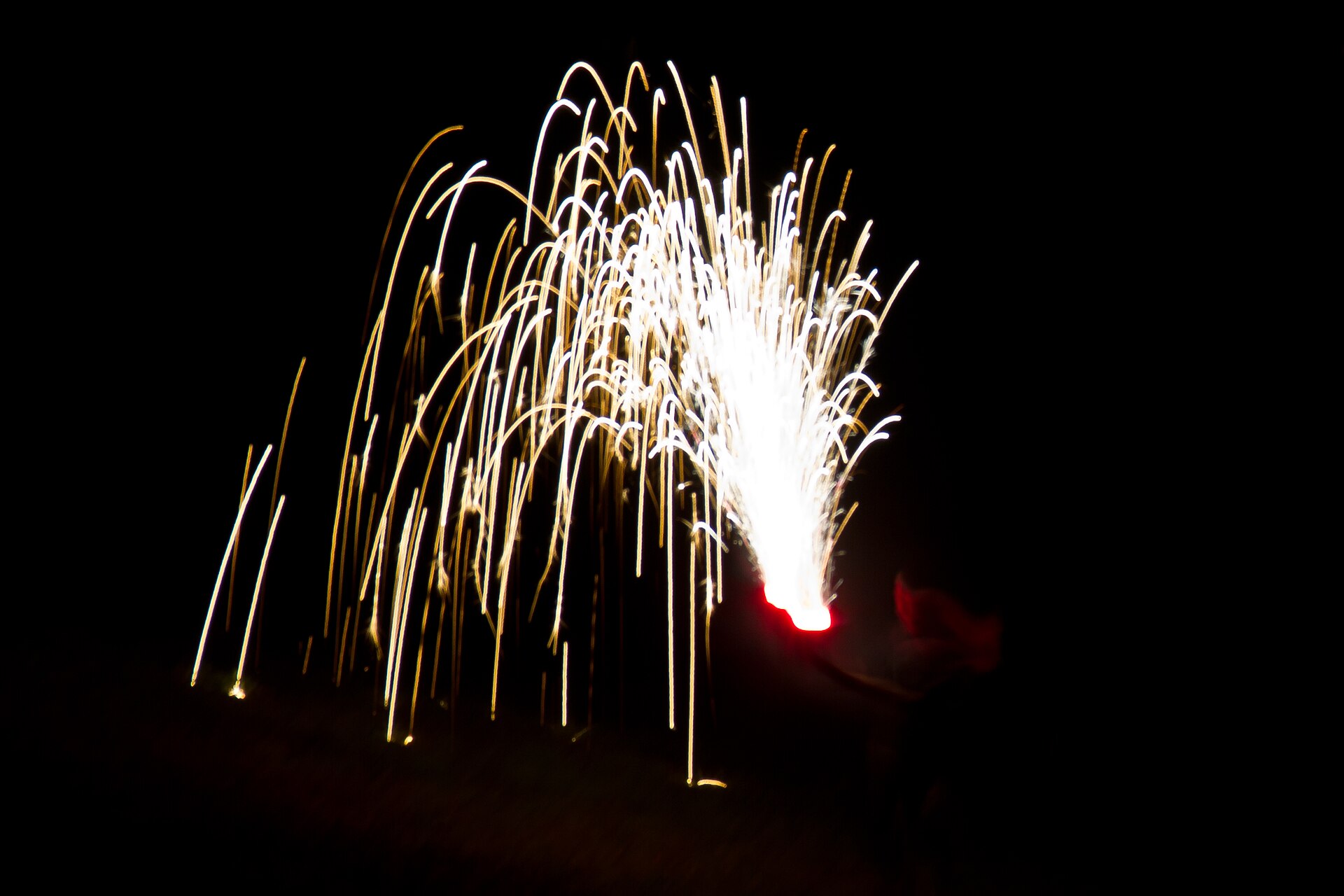
Noise fear is common. A study in the United Kingdom cited by ScienceAlert found that up to 49 percent of owners reported that their dogs were afraid of noises, with fireworks the number one cause, followed by thunderstorms and gunshots. Newswise reports that a third of all dogs will suffer from noise anxiety connected to the suddenness of the sound.
This article explains how to help a pet that is scared of fireworks and thunderstorms, including the safe-space setup for tonight, the training plan for the next months, and when to call a vet.
Why loud noises frighten pets
Dogs and cats hear more than we do. Veterinarian Mark D. Freeman of the Virginia-Maryland College of Veterinary Medicine at Virginia Tech told Newswise that dogs pick up a wider range of sounds than people do, and that sudden, very loud sounds can frighten them badly.
He added that continued noise has a ramping up effect: the more noise they are exposed to, the more reactive they become.
Fireworks and thunder are especially hard because they are loud, sudden, and unpredictable. ScienceAlert notes that they trigger the auditory startle response, an automatic reaction to an unidentified threat that can make an animal bolt before the brain has fully processed the sound. Thunder adds extra triggers.
Cobb and Company Veterinary Clinic notes that dogs may react not only to thunder, but also to wind, barometric pressure changes, and lightning flashes.
Early life shapes the response. ScienceAlert reports that the most important socialisation period for dogs runs through the first 12 weeks of life, while for kittens the window is even shorter, up to seven weeks. Puppies and kittens that meet a wide range of sights and sounds in that window, under calm and positive conditions, are more likely to treat loud noises as background later.
Animals that missed that exposure, or that had a bad experience, are more likely to react with fear.
Fear also grows when nothing changes. A dog that panics every fireworks season and gets no help may become more sensitive each year, not less. Early help with environmental management, training, and medication when needed can reduce the chance that a mild sensitivity turns into a severe phobia.
Read the signs
Fear does not always look like shaking. Cobb and Company lists physical signs including trembling, panting, drooling, pacing, restlessness, and loss of bladder or bowel control. Behavioral signs include clinging, hiding, destructive chewing or digging, attempts to escape, and refusing food or treats.
Some signs are easy to miss. A dog that follows you from room to room during a storm is seeking security, not being needy. A cat that stops eating during a fireworks weekend may be frightened, not fussy.
A dog that chews a door frame is not being badly behaved. It is trying to escape a sound it cannot understand.
Watch for escape behavior most of all. Freeman told Newswise that every year near the 4th of July, vets see a sharp rise in traumatic injuries to dogs tied to fireworks fear. Dogs have jumped through glass windows and off decks and balconies, chewed through doors and walls, and been hit by cars after bolting from the noise.
A frightened pet is a flight risk, and the plan below treats that risk seriously.
Tonight: the safe-space plan
Start before the noise begins. Bring cats and dogs indoors well before fireworks start or a storm arrives, so a panicked bolt does not carry them out of the house. Check fences, gates, doors, and windows.
Confirm that ID tags and microchip details are current, in case the worst happens anyway.
Build a den. Dogs and cats often feel more secure in a small, enclosed space when they are afraid, according to ScienceAlert. A den can be as simple as an area between two armchairs, a small table with a blanket draped over the top, or a crate with the door left open and a blanket over it.
Cats will often choose under the bed or behind the sofa. Let them choose. If a dog feels safest in a closet with the door shut, leave the dog there for the duration of the event.
Stock the den in advance. Cobb and Company recommends a quiet, dim space with familiar bedding, toys, and a water bowl. Add a long-lasting chew or food puzzle if the pet will take one.
Some frightened animals refuse food entirely, and that is normal. Do not force it.
Mask the noise. Background sound helps cover triggering sounds. Options include a white noise machine, calming pet music, a fan, or a television left on low.
Close the curtains to cut lightning flashes as well as sound. The goal is fewer sharp contrasts between silence and bangs.
Stay calm yourself. Dogs read their owners closely. Freeman told Newswise that frightened dogs look for any source of security, including a safe hiding place and a calm person.
Move slowly, speak softly, and let the pet come to you. If the pet seeks contact, offer quiet petting. If the pet wants to hide alone, let it.
Do not walk during the fireworks themselves. A sudden bang near a road can turn a normal walk into a bolt.
Do not punish fear. Scolding a shaking dog teaches nothing and adds stress to stress. Do not try to flood the fear away by dragging the pet outside to watch the fireworks.
Freeman advises against taking a dog to a fireworks show unless you know for a fact that the dog has been desensitised and is not afraid. Flooding makes phobias worse, not better.
This month: the desensitisation plan
Desensitisation and counterconditioning are the long-term fix. The idea is simple, and the execution takes patience. You expose the pet to recorded thunder or fireworks at a very low volume, pair the sound with treats or play, and raise the volume in tiny steps over weeks or months.
Cobb and Company describes the method directly: expose the dog to recorded sounds at low volumes, increase them gradually over time, and always pair the sound with positive reinforcement such as treats or play. The pairing matters. The sound must predict good things, not merely become familiar.
Follow a strict rule: the pet stays relaxed at every step. If the pet shows fear at a new volume, you moved too fast. Drop back to the last volume where the pet stayed calm, and hold there for several sessions before trying again.
Practice the den as a skill, not only as an emergency shelter. Teach a "settle" or "place" cue during quiet times, and reward calm behavior in the den. Cobb and Company recommends practicing during quiet times and gradually introducing mild versions of the scary stimulus.
Add enrichment between sessions. Food puzzles, frozen stuffed toys, and long-lasting chews give the dog something to focus on. They also build general confidence.
A dog that knows how to settle with a puzzle has a skill to use when the sky gets loud.
ScienceAlert warns that desensitisation is not a do-it-yourself project to improvise without guidance for severe cases. Done wrong, it can make things worse. If the pet panics at the lowest volume, freezes, or cannot take treats at all, stop and get professional guidance before continuing.
A vet or a certified behaviorist can set the pace.
Tools that help, and their limits
Pressure wraps, often sold as Thundershirts, are snug-fitting vests that give a swaddling effect. Cobb and Company notes that they help reduce anxiety in many dogs. They work best as one part of the plan, alongside the den and the training, not as a replacement for either.
White noise machines and calming music help by masking sharp bangs. They are cheap, safe, and easy to test before an event. Pick the playlist or machine in advance, and use it during calm times too, so the sound itself becomes familiar.
Medication is the option for severe cases. Freeman told Newswise that sedatives can help a dog feel calm and quiet, and that Sileo, a sedative that started as an injectable, is now produced as an oral gel absorbed through the gum tissue. Cobb and Company lists prescription anti-anxiety medications and vet-approved options such as L-theanine or calming pheromones.
Talk to your vet well before fireworks season. Some medications need a trial dose at home, and some need days or weeks to take effect. Never give a pet human medication without veterinary guidance.
When to call a vet
Call a vet when the fear is severe, getting worse, or dangerous. Cobb and Company advises professional help when behavior becomes dangerous, destructive, or unmanageable. A vet may refer the pet to a certified veterinary behaviorist for structured therapy.
Red flags include self-injury, escape attempts that risk traffic or broken glass, refusal to eat or drink through an event, and fear that now spreads to rain, wind, or ordinary household noises. A pet that panics at every rumble is not just having a bad night. It needs a plan built by a professional.
Frequently asked questions
What does make fear worse is panic, punishment, or forced exposure to the scary sound.
Yes. Cats often hide rather than pace or vocalize, so their fear is easier to miss. Give a cat the same den, the same indoor rule, and the same calm household.
Check hiding spots in advance so you know where the cat goes, and keep litter, water, and food within reach of that area.
The bottom line
A frightened pet needs three things: a safe place tonight, a calm person beside it, and a slow training plan for the months ahead. Build the den before the noise starts, keep the pet indoors and identified, and start desensitisation in the quiet season with tiny steps and real rewards.
If the fear is severe, worsening, or dangerous, bring in a vet. Medication plus training helps many animals that training alone cannot reach. Your pet cannot ask for help in words.
The shaking, the hiding, and the bolting are the ask.
This article is for general information, not veterinary advice. Talk to your veterinarian about your own pet, especially before starting medication or a desensitisation program.
Tags: pet anxiety, fireworks, thunderstorms, dogs
Latest in Pets
- Can Dogs Eat Grass, and Should You Stop Them
- How to Introduce a New Kitten to a Dog Safely
- Human Foods That Are Dangerous for Dogs and Cats
- How to Tell If Your Pet Is in Pain
Subscribe to the Rive News newsletter for one practical explainer every week.
Related stories

Why Does My Dog Eat Grass and Vomit?
A UC Davis study of 1,571 owners found grass eating is normal dog behavior, not self-medication: only 10% were ill first. What the science

Why Does My Dog Stare at Me While I Eat?
Dogs stare at you while you eat because it has worked before, and mutual gaze raises bonding hormones. Learn the reinforcement science

Foods toxic to dogs: the list, with reasons
Chocolate, xylitol, grapes, onions: common foods can harm dogs. Learn what makes each one toxic, the warning signs, and what to do if your