
Dog found alive in Yellowstone after 34 days alone
Key takeaways
- Luna, a 10-year-old Jack Russell mix, was found alive after 34 days.
- She was found asleep in a small doghouse inside a humane trap near Canyon Village.
- Chasing a scared lost dog can push it further away.
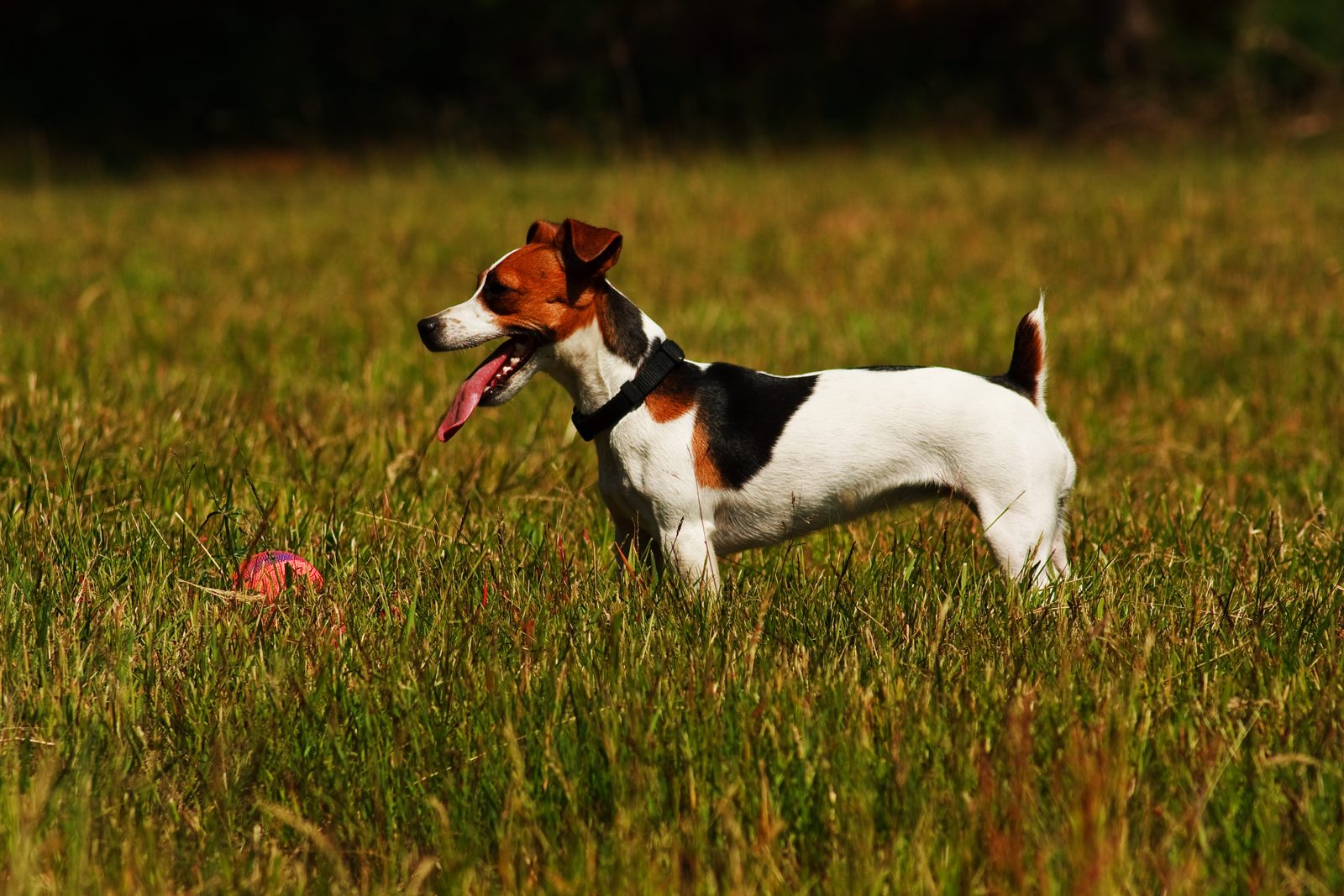
Luna is alive. The small dog spent 34 days lost in Yellowstone National Park. Rescuers found her on the morning of October 14.
Luna is a 10-year-old white dog with pointy ears. She wore a gray collar. She is a Jack Russell terrier mix, part Chihuahua.
Her family lives in California. They had come to Yellowstone for a vacation.
The park is huge and wild. It covers about 3,500 square miles. It holds grizzly bears, wolves, and other predators.
Winter was near, and snow had started to fall. Many people feared Luna would not make it. She did.
What happened
Luna went missing on September 10. Her family stayed at a cabin in the Canyon Village area. They planned to visit Norris Geyser that day. Dogs are not allowed at Norris Geyser.
So they left Luna in the cabin. They put a Do Not Disturb sign on the door.
A housekeeper opened the cabin door while they were gone. Luna slipped out. Park staff then chased her around the area for over two hours.
The owners came back to chaos and a missing dog.
The family searched the park for Luna. They were told she likely died. Some said a coyote may have killed her.
The family stayed in the area until September 22. Then they had to leave. Lodging was full, and seasonal sites were closing.
But Luna was still alive. Days after the family left, new sightings came in. People saw her near lodges and cabins.
She crossed roads and walked through staff housing. She even slipped into lodges through automatic doors. The family then called Katie Boucher for help.
Boucher leads the Norris Ark Training and Recovery Center. The center sits in Montana, near the park. The National Park Service gave her team special permission to work in the park.
It also gave them a trapping permit. Their permits were set to run out on October 31. Time was short.
Volunteers spread the word. Marie Jaskula runs one of the park general stores. She posted signs at every park entrance.
The signs asked visitors to watch for Luna. But many people did the wrong thing when they saw her. They called her name or chased her.
Boucher said that fear response drove Luna further into the park. A scared dog does not see a stranger as help. It sees a threat.
So the team changed its plan. They set a large humane trap near the Canyon Village water treatment center. This trap is called a Missy Trap.
It is a big cage that can catch a scared animal without harm. The team used the scent of the family to lure Luna. They used scraps from a T-shirt and a pillowcase.
They did not use food as bait. Food could have drawn bears and other wildlife.
A storm hit the area on October 11 and 12. Before the storm, Boucher took out the remote trigger gear. She left the trap open. She placed a small doghouse filled with grass inside.
She hoped Luna would use it for shelter from the storm.
On October 13, a volunteer saw Luna near the trap. She circled it and lay down close by. She looked calm and at ease.
Boucher felt the team was close. On the morning of October 14, she came back. Luna had moved in.
She was asleep in the doghouse, waiting.
One of Luna's owners had come back to Yellowstone. The owner went to the trap first. Then Boucher walked down.
Luna poked her nose out of the doghouse. She started to come out. The owner and the dog had a quiet reunion of their own.
The team then drove Luna to a vet in Bozeman. The vet checked her over. She had lost around ten pounds during her 34 days in the wild.
She was underweight but alert. Boucher said she was in good spirits. She was also very happy to see her owner.
Why it matters
This story matters because the odds were so low. Luna is a small house dog from California. She had never seen snow before, according to Boucher.
She spent more than a month in a vast wild park. She faced cold nights, scarce food, and predators. Yet she stayed alive.
Her past may have helped. Luna spent roughly her first year on the streets in California. Then the SPCA picked her up.
Boucher said those early street skills came back in Yellowstone. Luna knew how to hide. She knew how to find food.
She knew how to stay away from danger.
Her breed traits may have helped too. Jack Russell terriers were bred to hunt underground. They chased animals into dens where people could not follow.
So they had to think on their own. A breeder who spoke to Outside said the breed is tenacious and independent. It does not give up fast.
Luna showed that same drive.
Luna also stayed close to people and buildings. She did not run deep into empty wild land. She retraced her family's steps from the day before she was lost.
She slipped into eateries and lodges they had visited. She sought shelter in staff homes and businesses. That choice may have saved her life.
Buildings gave her warmth and scraps. People gave her a trail of sightings.
But people also made the search harder. Every chase pushed Luna away. A lost dog in survival mode does not come when called.
It runs. That is why the rescue team asked people to stop chasing her. The trap worked because it was calm and quiet.
It used a known scent and a safe place to rest.
The case also shows how hard a park rescue can be. Yellowstone is an urban wilderness. The team had to deal with wildlife, weather, tourists, roads, and federal rules.
Construction crews let the team into closed areas. The park gave special permits. Dozens of people helped.
One dog took a full team.
There is a lesson here for every dog owner. Dogs are fast, and doors open by mistake. A calm plan beats a chase.
A scared dog needs space, scent, and time. It does not need a crowd.
What happens next
Luna is now with her family. The vet will keep checking her health. She needs rest, food, and quiet care.
Her weight will take time to return. Her family will take her home to California.
Boucher shared two clear messages for the public. First, Yellowstone is a very dangerous place for dogs. She asked people to leave their dogs at home when they visit.
Second, if a dog does escape, do not chase it. Get a professional involved right away.
Those two rules can help any pet owner. If you travel with a dog, check the park rules first. Many parks limit where dogs can go.
Some trails and hot spring areas ban dogs. Keep your dog on a leash where dogs are allowed. Keep an ID tag on the collar.
Keep your phone number up to date.
If your dog runs off, act fast but stay calm. Do not run after a scared dog. Do not shout its name.
Watch where it goes from a distance. Call park staff, local animal control, or a local rescue group. Tell them the time, place, and direction.
Share a clear photo if you have one.
Leave a scent station if a pro tells you to do so. A worn shirt or a familiar blanket can help. Do not leave food out in wild areas.
Food can draw bears and other animals. Let the pros set a trap if one is needed. A humane trap works best when the area stays quiet.
At home, the same rules apply. A lost dog may not come when called. It may run from kind strangers.
Warn neighbors not to chase. Ask them to report sightings with time and place. A calm search beats a loud one.
Pet owners can also plan ahead. Know what foods are toxic to dogs. A scared dog may eat trash or scraps.
Some common foods can harm dogs. Keep those foods out of reach at home. Ask a vet if your dog eats something odd.
Basic training helps too. Crate training can teach a dog that a small den is safe. That calm den habit may help a dog settle in new places.
It is not a fix for a lost dog. But a calm dog is easier to catch.
Luna's story ends with a reunion. It started with a simple mistake. A door opened, and a small dog ran out.
For 34 days, she lived on her wits in a giant park. Then she walked into a quiet trap and fell asleep.
Her family will take her home now. The rescue team will pack up its traps. The signs will come down.
But the lesson stays. In a wild place, a calm plan saves lives. And a small dog with street smarts can beat long odds.
This article is for general information only and is not medical or veterinary advice.
Related stories

Why Does My Dog Eat Grass and Vomit?
A UC Davis study of 1,571 owners found grass eating is normal dog behavior, not self-medication: only 10% were ill first. What the science

Why Does My Dog Stare at Me While I Eat?
Dogs stare at you while you eat because it has worked before, and mutual gaze raises bonding hormones. Learn the reinforcement science

Foods toxic to dogs: the list, with reasons
Chocolate, xylitol, grapes, onions: common foods can harm dogs. Learn what makes each one toxic, the warning signs, and what to do if your