
Why puppies chew everything in sight, explained simply
By Rive News / Research desk | Rive News / Published October 29, 2026 at 9:00 AM PKT
Key takeaways
- Puppies chew for four main reasons: teething pain, exploration, play, and boredom or stress.
- Teething runs from about 12 weeks to six months, when 28 baby teeth give way to 42 adult teeth.
- Chewing is normal behaviour, not disobedience, and it is managed with redirection rather than punishment.
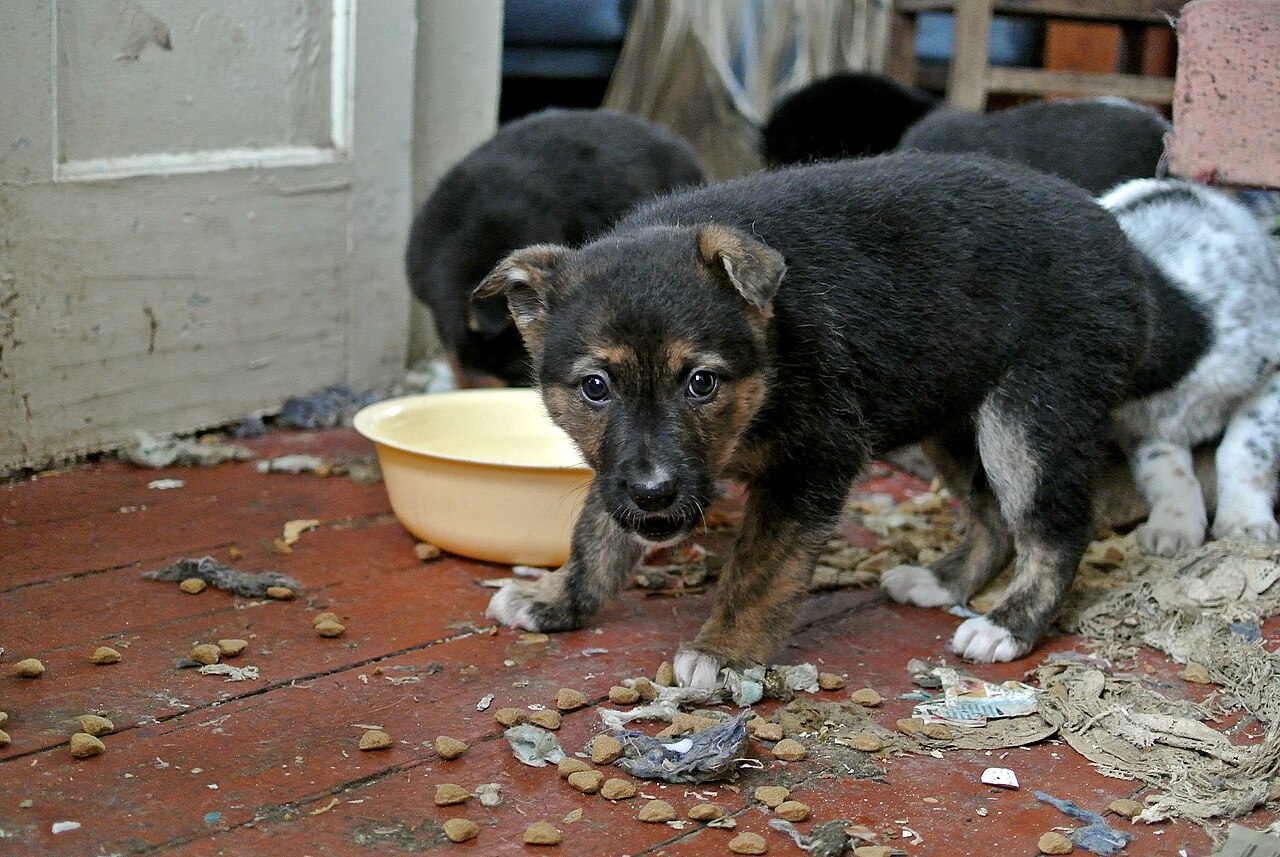
[A dog chewing on a piece of food.] Photograph: the dog
Image Credits: Wikimedia Commons
A puppy chewing everything in sight is not being naughty. Chewing is how puppies soothe sore gums, learn about the world, play, and burn off energy. The behaviour looks destructive when it lands on shoes and table legs, but the causes behind it are normal parts of growing up.
This article explains the four reasons puppies chew, including teething, exploration, play, and stress, and what owners can do about each one.
Teething: the biggest driver
Puppies are born without teeth, then grow a set of 28 deciduous teeth, often called baby teeth or needle teeth. VCA Canada Animal Hospitals notes that teething begins at around three weeks, and by about six weeks all the baby teeth have erupted.
The incisors at the front and the canine teeth come first, followed by the premolars. Dogs have no baby molars.
At around 12 weeks, the baby teeth start falling out and the permanent teeth begin to erupt. Normally, by six months of age, all permanent teeth have come in and all baby teeth have gone. The adult dog ends up with up to 42 permanent teeth, 14 more than the puppy started with.
That swap is uncomfortable. As adult teeth grow, they dissolve the roots of the baby teeth, which loosens them and leaves the gums tender and inflamed.
Chewing presses on the gums and seems to ease the ache. PetMD describes the same window, noting that puppies lose their puppy teeth and grow permanent replacements between 12 weeks and six months, and that this can be a painful time when a puppy wants to chew almost anything in reach.
Small spots of blood on a chew toy during this phase are common and usually minor. VCA notes that the amount of bleeding is minuscule and shows up only as mild red staining on a toy. If bleeding is heavy, swelling is severe, or a puppy refuses food for more than a day, that is a reason to see a vet rather than wait it out.
Exploration: mouths are hands
Puppies do not have hands, so they use their mouths to investigate. A new object gets sniffed, licked, and chewed because that is how a puppy learns its taste, texture, weight, and consistency. Vetwest Veterinary Clinics puts it plainly: just like toddlers pick up everything, young puppies chew and mouth everything because they cannot pick things up with their hands.
This is why puppies chew things that seem to have no appeal at all. A remote control, a stone, or a cardboard box is interesting precisely because it is new.
The chewing is data gathering. It fades as the puppy learns the house, though a new object in a familiar room can restart it.
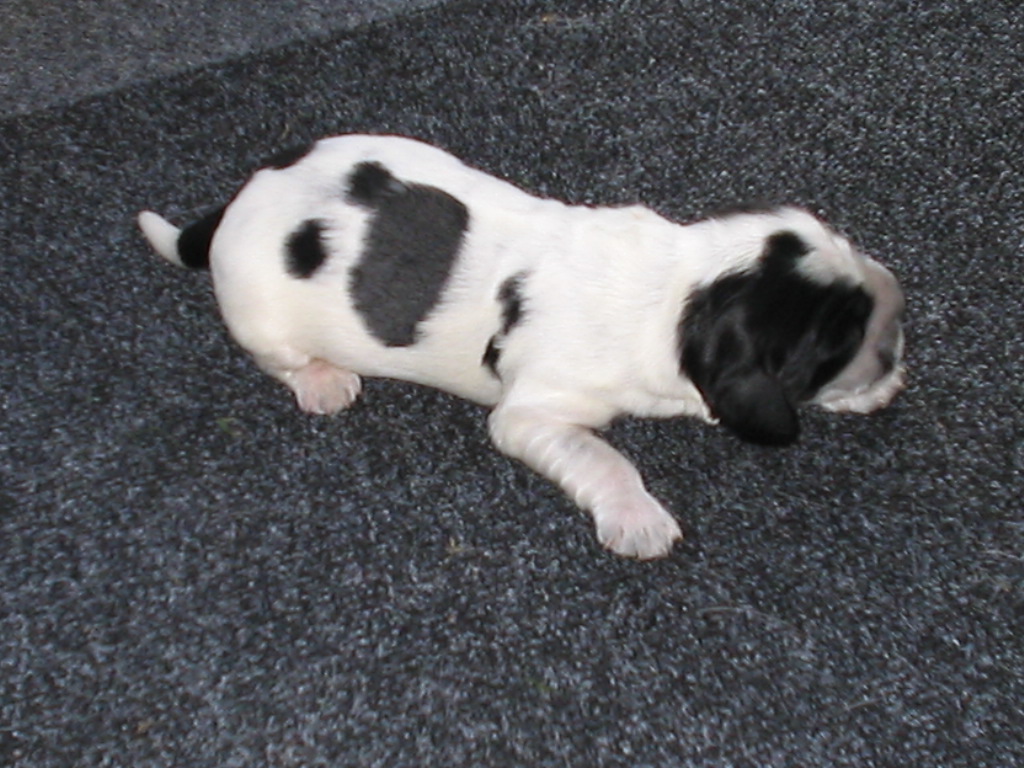
[A young puppy exploring at ground level.] Photograph: Michiel1972
Image Credits: Wikimedia Commons
Breeds differ here. VCA notes that the tendency to explore by mouth is particularly pronounced in breeds known as "mouthy," such as retrievers.
A retriever puppy is not badly behaved for carrying everything in its mouth. It was bred to do exactly that.
Play: chewing is fun on its own
Curiosity may start the chewing, but play keeps it going. PetMD lists play as one of the three main reasons dogs chew. If a puppy finds that a table leg or a slipper is fun to gnaw, carry, or toss, it will return to it as entertainment.
Chewing also releases endorphins, the body's own feel-good chemicals, which makes the activity self-rewarding. A puppy that discovers a satisfying chew will repeat it the way a child returns to a favourite toy. This is also why scolding often fails.
The puppy is not weighing your anger against the chew. It is enjoying the chew.
The practical answer is to make the right things more fun than the wrong things. Toys that can be stuffed with food, frozen for sore gums, or rotated so they stay novel give the puppy a better target.
[A small puppy outdoors.] Photograph: Stephanie See
Image Credits: Wikimedia Commons Vetwest suggests a Kong-style hollow rubber toy filled with treats, noting that a puppy is rewarded for chewing it when food comes out.
Boredom and stress chewing
Not all chewing is teething or play. The RSPCA Australia knowledgebase warns that dogs may chew excessively when their needs are not met. Its list of causes includes separation anxiety, frustration, loneliness, hunger, insufficient exercise, and physical health problems.
A puppy left alone for long stretches, or one that gets little play and training, may chew as a coping behaviour. The chewing fills time and releases tension.
It is the same logic as a person fidgeting when anxious. Punishing this kind of chewing without fixing the cause tends to make things worse, because the stress behind it stays.
The RSPCA suggests owners ask four questions: whether the dog gets enough daily exercise, enough attention and company, enough mental stimulation at home, and how long it is left alone. If the answers point to gaps, closing those gaps usually reduces the chewing more than any correction.
When chewing is not normal
Most puppy chewing needs patience, not a vet visit. A few signs change that.
Retained baby teeth that stay in place beside the adult tooth, heavy bleeding, swelling that does not settle, or a puppy that stops eating for more than a day all deserve veterinary attention. The same applies to chewing that is sudden, frantic, and focused on one spot, which can signal pain rather than teething.
Chewing that damages the puppy itself is another line. Swallowed pieces of toy, string, or furniture can block the gut, and hard objects can crack teeth.
If a puppy has eaten something it should not have, that is an urgent matter, not a training issue. If chewing is persistent, severe, or tied to distress when left alone, talk to a vet or a qualified behaviour professional.
Frequently asked questions
How long does the chewing phase last?
The intense teething phase runs from about 12 weeks to six months, when the adult teeth finish erupting. Mouthing and exploratory chewing can continue into adolescence, but it usually drops sharply after the adult teeth are in. Most puppies are far less destructive by their first birthday.
Should I punish my puppy for chewing?
No. Chewing is normal behaviour, and punishment does not teach a puppy what to chew instead.
The RSPCA advises working out why the dog is chewing first, then redirecting to suitable chews and fixing unmet needs such as exercise or company. Redirection beats scolding every time.
What should I give a teething puppy to chew?
Safe, size-appropriate chew toys work best, and frozen toys or treats can soothe sore gums. Avoid anything excessively hard, which can damage teeth, and anything that breaks into swallowable pieces. Supervise chewing with any new toy and replace it once it is damaged or small enough to swallow.
Why does my puppy chew my shoes and not its toys?
Shoes smell like you, and they offer a firm but flexible texture that massages sore gums. Toys that sit untouched in a corner lose novelty fast. Rotating toys, stuffing them with food, and playing with the puppy using the toy all make the right target more appealing than your footwear.
The bottom line
Puppies chew everything because their gums hurt, their mouths are their main tool for exploring, chewing is enjoyable, and sometimes because they are bored or stressed. The teething window from 12 weeks to six months explains the worst of it, and the behaviour usually eases once the 42 adult teeth are in.
The fix is management, not punishment. Give the puppy good things to chew, keep tempting targets out of reach, meet its needs for exercise and company, and redirect calmly when it picks the wrong thing. If chewing is excessive, painful, or tied to distress, a vet visit is the right next step.
Tags: puppies, dog behaviour, teething
The Rive News research desk writes plain-language explainers from published veterinary and animal-welfare sources. It does not offer veterinary advice; persistent symptoms deserve a vet visit.
Related
- How to Stop a Puppy From Chewing Everything in the House
- Why Your Dog Follows You Everywhere: 5 Reasons Explained
- Why Does My Dog Eat Grass and Vomit?
Subscribe for one plain-language pet explainer each morning.
Rive News standards: every factual claim in this article traces to a named public source listed above; corrections are published, never silently edited.
Related stories
Why Does My Dog Eat Grass and Vomit?
A UC Davis study of 1,571 owners found grass eating is normal dog behavior, not self-medication: only 10% were ill first. What the science
Why Does My Dog Stare at Me While I Eat?
Dogs stare at you while you eat because it has worked before, and mutual gaze raises bonding hormones. Learn the reinforcement science
Foods toxic to dogs: the list, with reasons
Chocolate, xylitol, grapes, onions: common foods can harm dogs. Learn what makes each one toxic, the warning signs, and what to do if your