
Why rabbits thump their back feet to warn others
By Rive News / Research desk | Rive News / Published October 26, 2026 at 9:00 AM PKT
Key takeaways
- A rabbit thumps a hind foot to warn other rabbits that it senses danger nearby.
- The same thump can also show frustration, so body language and context decide the meaning.
- Stay calm, find the trigger, and give the rabbit a clear route to a hiding place.
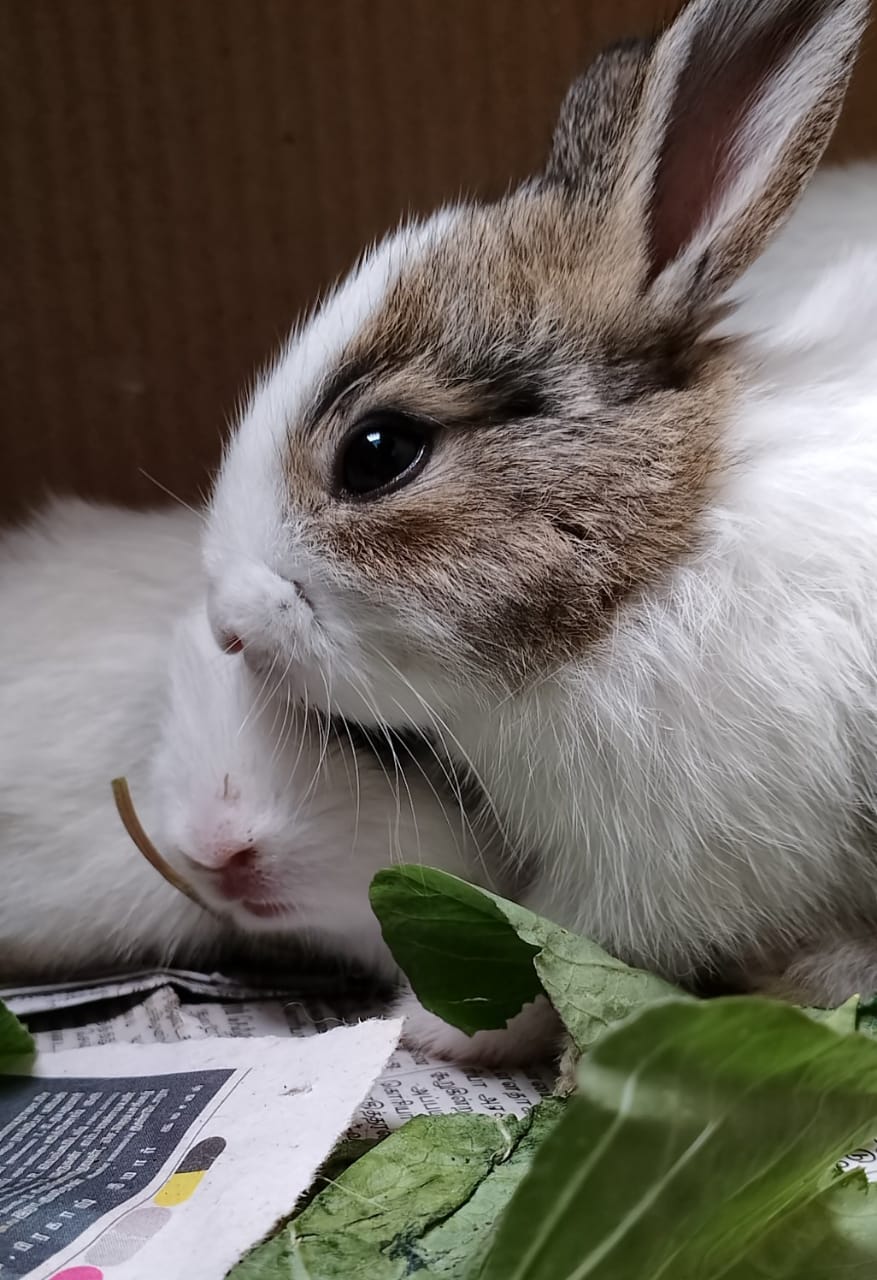
[A rabbit sitting alert, ears up, in a position ready to move.] Photograph: the subject
Image Credits: Wikimedia Commons
Thumping is a rabbit stamping one hind foot hard against the ground. It is a warning signal, not a random noise, and it comes from a prey animal that survives by noticing danger early.
This article explains what thumping means, including alarm thumps, frustration thumps, and the body language around them. It also covers common triggers, what to do when it happens, and when to call a vet.
What thumping actually is
A rabbit lifts a powerful hind leg and strikes the floor or ground with it. The sound carries through the air, and the vibration can travel through the ground as well.
Wild rabbits live in groups, and a warning that reaches the whole group matters. A loud call could draw a predator's attention, so a foot stamp is a quieter way to raise the alarm.
Domestic rabbits keep the same reflex even in a safe home. Generations of living indoors have not removed a behaviour shaped by life as prey.
Why danger is the first meaning
The RSPCA describes thumping as a way for rabbits to alert others to potential danger. Its behaviour guide also links a tense, standing rabbit with thumping back legs to discomfort and a wish to be left alone.
That pairing matters for owners. A rabbit that thumps and then runs for cover is probably scared, while one that thumps and stays put may be annoyed instead.
Common danger triggers include sudden loud noises, fast movement near the enclosure, and an unfamiliar animal entering the room. A dropped object, a slamming door, or a dog barking outside can all be enough.
Rabbits are most alert at dawn and dusk, when many predators are also active. A thump at those times deserves extra attention, not dismissal.
How frustration thumps differ
The RSPCA also calls one version of this behaviour a "grump thump." It describes it as a signal of frustration with the owner, separate from the danger warning.
A frustrated rabbit may thump once, turn away, and flick its back feet as it leaves. That foot flick is a different gesture, and it reads as displeasure rather than fear.
Context is the best test. Ask what changed just before the thump, and whether the rabbit froze, hid, or simply walked off.
Repeated thumping after the trigger has gone may mean the rabbit is still unsettled. Give it time and space rather than picking it up for reassurance.
Reading the rest of the body
Ears tell a large part of the story. Ears pointing up and slightly outward, with a tense face and raised tail, point to an alert or unhappy rabbit, according to the RSPCA guide.
A crouched rabbit with a flat head, wide-set ears, and dilated pupils is worried. That rabbit is asking, in body language, not to be approached.
A relaxed rabbit looks different altogether. Its body is loose, its ears rest in a neutral position, and it may groom, eat, or stretch out nearby.
Owners who learn the normal baseline spot changes faster. Spend quiet time near the rabbit each day and watch how it moves when nothing is wrong.
What to do when your rabbit thumps
Stop moving and lower your voice. Sudden reaching or chasing will confirm the rabbit's fear and make the next thump more likely.
Look for the trigger without crowding the rabbit. Check for a new smell, a visitor, a loud appliance, or another pet in the room.
Make sure the rabbit has a clear path to a hiding place. A hideout it can enter freely is more calming than a hand offering comfort.
Wait for the rabbit to come out on its own terms. Food and water should stay within reach, so it does not have to cross open space while scared.
Avoid punishing the behaviour. Thumping is communication, and punishing it teaches the rabbit that warning you brings trouble.
When thumping needs a vet
Most thumping is normal communication, but a sudden change in pattern deserves attention. A rabbit that thumps far more than usual, hides much more, or stops eating may be in pain or ill.
Medivet's behaviour guide notes that thumping can also appear in unneutered males seeking a mate, and in neutered rabbits showing annoyance. That range of meanings is why a single thump never settles the question alone.
Watch for other warning signs alongside thumping. These include fewer droppings, less grooming, reluctance to move, and a hunched posture.
Contact a vet promptly if eating, drinking, or droppings change. Rabbits hide illness well, so a behaviour change is often the first visible clue.

[A rabbit resting in an enclosure, showing the kind of settled posture owners learn as normal.] Photograph: the subject
Image Credits: Wikimedia Commons
Preventing repeat scares
Keep the rabbit's area predictable. Feed, clean, and handle on a steady routine, and warn visitors to move slowly near the enclosure.
Reduce sudden noise where possible. Close doors gently, keep loud appliances away from the pen, and introduce new sounds gradually.
Give the rabbit choices. A pen with a hideout, a tunnel, and space to run lets it retreat instead of freezing in the open.
Handle with care and consent. Approach from the side, let the rabbit sniff your hand, and never lift it by its ears or scruff.
If another pet shares the home, keep introductions slow and supervised. A cat staring at the pen can be a daily trigger, even without contact.
Common mistakes owners make
One mistake is assuming every thump means a predator is near. Sometimes the trigger is a vacuum cleaner, a new piece of furniture, or a change in routine.
Another mistake is picking the rabbit up to calm it down. Most rabbits dislike being lifted, and handling a frightened rabbit usually raises stress further.
A third mistake is removing the hideout to force interaction. A rabbit without a safe retreat has nowhere to go when it feels threatened.
Patience beats handling here. A rabbit that learns its warnings are respected becomes calmer over time, not louder.
Frequently asked questions
Do rabbits thump only when they are scared?
No, thumping can also show frustration or annoyance. The RSPCA describes a "grump thump" alongside the danger warning, so context and body language decide which meaning fits.
Should I worry about a single thump?
A single thump after a loud noise is usually normal. Worry more if thumping becomes frequent, or if it comes with hiding, less eating, or fewer droppings.
Why does my rabbit thump at night?
Rabbits are naturally alert at dawn and dusk, and night noises carry further in a quiet house. Check for a new sound, a visiting cat outside, or a change in the room before assuming illness.
Can I train a rabbit to stop thumping?
You cannot train out an instinct, and punishment makes stress worse. You can reduce triggers, keep routines steady, and give the rabbit a safe retreat, which usually lowers how often it thumps.
The bottom line
Thumping is a rabbit's alarm and its complaint, packed into one stamp. Danger is the first meaning to check, frustration is the second, and body language separates the two.
Stay calm, find the trigger, and protect the rabbit's route to safety. When thumping changes suddenly or comes with eating or movement changes, a vet visit is the right next step.
Tags: rabbits, rabbit behaviour, pet care
Rive News's research desk covers everyday science and pet behaviour from public sources, with no invented experts or first-hand claims.
Related
- Why does my rabbit thump its back feet
- How to help a pet scared of fireworks and thunderstorms
- How to tell if your pet is in pain
- Why your dog follows you everywhere
Subscribe for one plain-English explainer each day, with sources you can check.
Rive News publishes explainers from verifiable public sources; corrections are made openly when a source is shown to be wrong.
Related stories

Why Does My Dog Eat Grass and Vomit?
A UC Davis study of 1,571 owners found grass eating is normal dog behavior, not self-medication: only 10% were ill first. What the science

Why Does My Dog Stare at Me While I Eat?
Dogs stare at you while you eat because it has worked before, and mutual gaze raises bonding hormones. Learn the reinforcement science

Foods toxic to dogs: the list, with reasons
Chocolate, xylitol, grapes, onions: common foods can harm dogs. Learn what makes each one toxic, the warning signs, and what to do if your