
Japan earthquake alert was false, agency cancelled it fast
Web StoryWatch this story in 15 seconds →Key takeaways
- Japan sent a false alert for a 9.9 quake on Friday. The real quake was 6.9.
- The alert warned of strong shaking across much of Japan. No strong shaking came.
- The agency cancelled the alert in about eight minutes. No tsunami warning was issued.
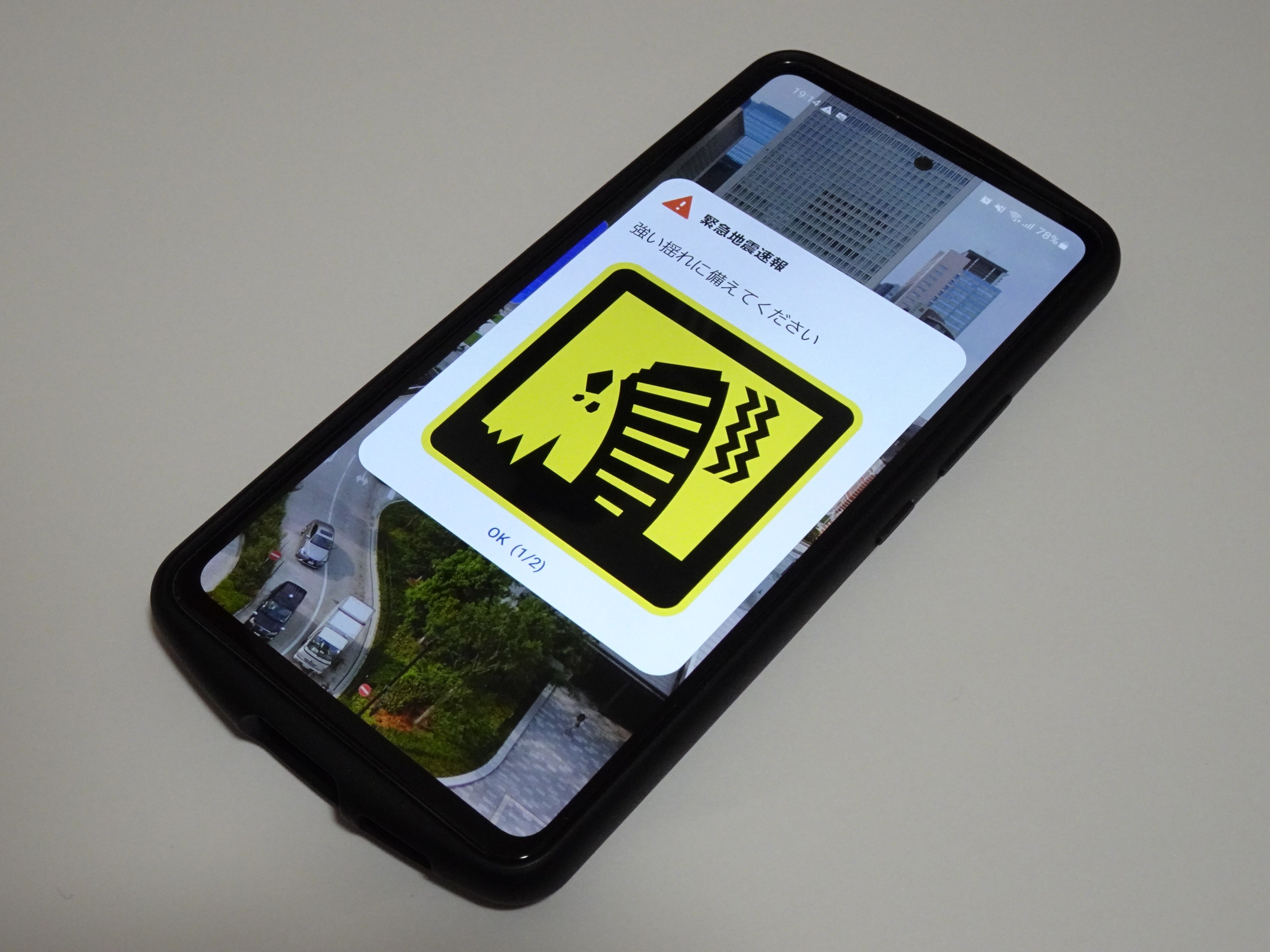
Japan sent a false earthquake alert on Friday. The alert warned of a 9.9 quake. The real quake was far smaller.
No one in Japan felt strong shaking.
What happened
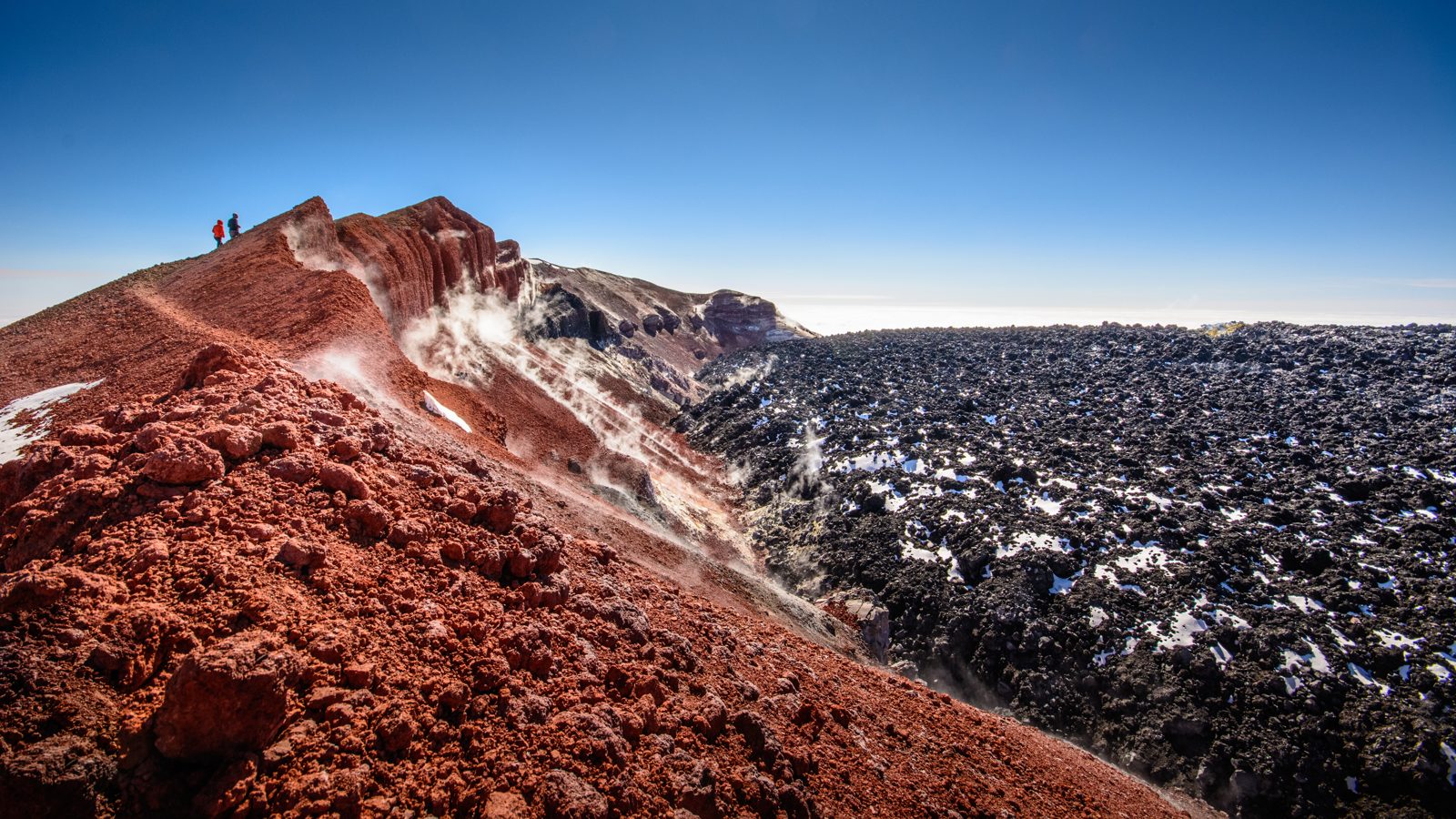
The real quake struck near Russia on Friday. It hit off the Kamchatka Peninsula. It happened at around 12:38 pm Japan time.
Magnitude is a number for the size of a quake. A bigger number means a much bigger quake. The real quake had a magnitude of 6.9. That is a strong quake, but not a giant one.
Japan's weather agency sent an alert at 12:40 pm. The agency is called the Japan Meteorological Agency.
Its alert spoke of a 9.9 quake. It warned of strong shaking across northern, eastern, and central Japan.
The alert set off alarms on phones and public speakers. Many people in Japan saw it or heard it. Then the agency checked the data again.
The agency cancelled the alert at 12:48 pm. That was about eight minutes after it went out. It said the first alert was wrong.
The agency had placed the quake in the wrong spot. It put the quake off the Kuril Islands. The real quake was off Kamchatka instead.
It also guessed the size far too high.
The Kuril Islands sit north of Japan, near Russia. Kamchatka is a long strip of land in far east Russia. Both areas get many quakes.
But they are not the same place.
Early reports gave slightly different numbers. One agency first put the quake at magnitude 7. It later changed the number to 6.9. Japan's agency put the depth at about 160 kilometers. Other agencies gave depths near 130 to 140 kilometers.
Depth means how far below the ground the quake starts. Deep quakes often cause less shaking at the surface. This quake was deep, which helped limit the shaking.
No strong shaking was felt in Japan. The highest reading in Japan was shindo 1. Shindo is Japan's own scale for shaking. Level 1 is very light shaking, barely felt.
The city of Hakodate in Hokkaido recorded that light reading. Hokkaido is Japan's northern island. Most of Japan felt nothing at all.
No tsunami warning was issued. A tsunami is a giant sea wave after a quake. The United States tsunami center said there was no danger.
Japan also issued no tsunami warning or advisory.
How the alert system works
Japan has an early warning system for earthquakes. Sensors in the ground feel the first weak waves. Computers then guess the size and place of the quake.
They send alerts in seconds.
The goal is to give people a few seconds of warning. A few seconds can help people take cover. It can also slow trains and stop lifts.
The system must work very fast. Speed can cause errors. The first guess uses only a little data.
Later data gives a better picture.
That is what happened on Friday. The first guess was far too big. The later check fixed the error.
The agency then cancelled the alert.
The agency said its system had made an error. A spokesperson said the agency is still looking into the cause. The agency also ruled out a cyberattack.
A cyberattack is a computer attack by an outside party.
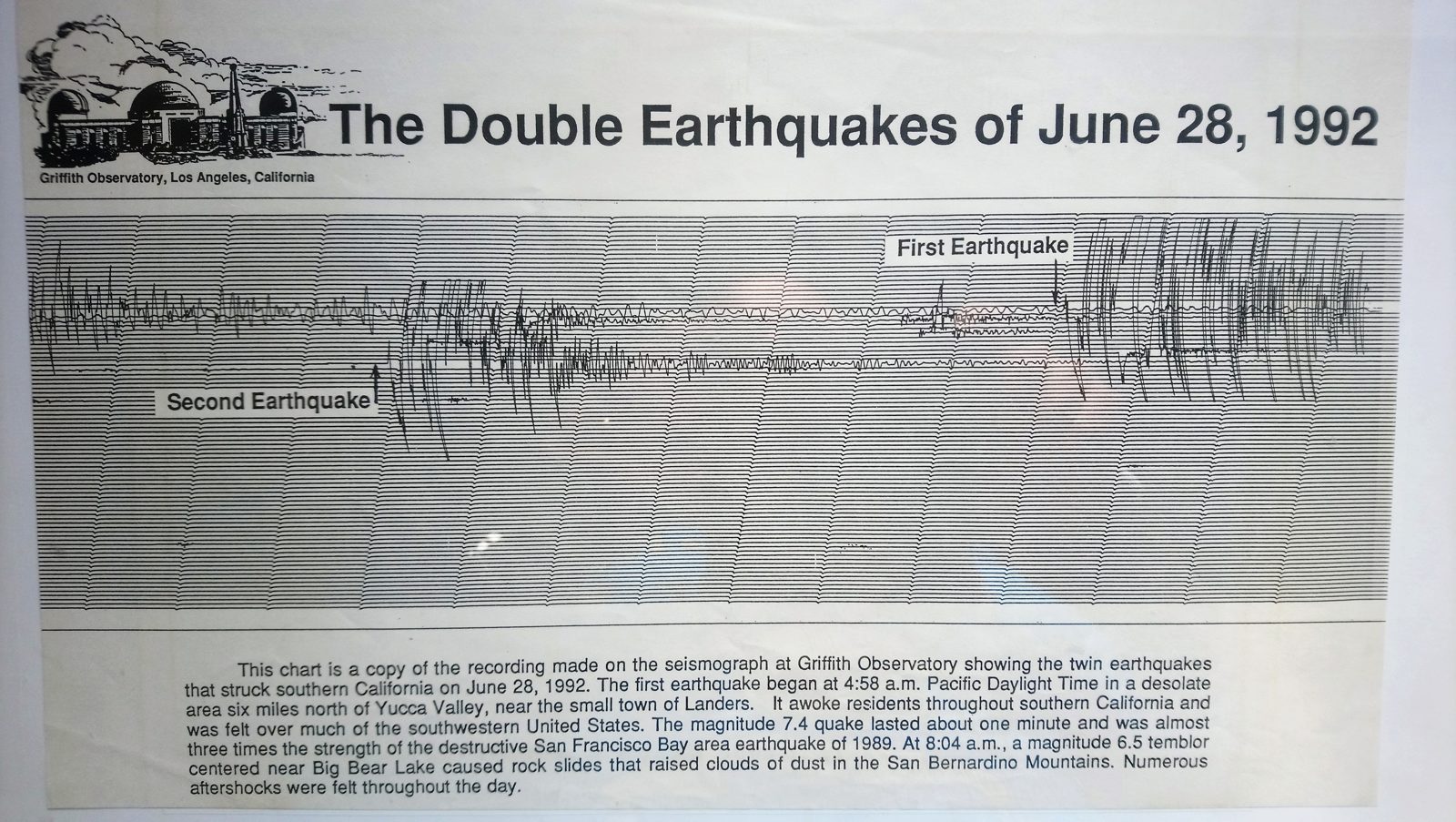
Scientists use seismographs to track quakes. A seismograph is a tool that records ground movement. It draws lines that show how the ground moves.
Experts read those lines to learn the size of a quake.
Why it matters
A 9.9 quake would have been huge. It would have been the largest ever recorded. The largest on record is 9.5, in Chile in 1960. A 9.9 quake would have caused great harm.
So the false alert scared many people. Phones buzzed with a warning of a giant quake. Public speakers sounded the alarm.
People had only minutes of fear before the cancel came.
False alerts also hurt trust. If alerts cry wolf too often, people may ignore them. That is a real risk.
The next alert could be for a real and dangerous quake.
But the system still saves lives. Japan sits in one of the most quake-prone places on Earth. Quake-prone means quakes happen there often.
The country has lived with quakes for centuries.
Early warnings give people time to act. Even a few seconds can matter. The system has warned people before many real quakes.
One false alert does not erase that record.
The quick cancel also matters. The agency fixed its error in about eight minutes. It told the public what went wrong.
It said it will look into the cause. Fast and honest fixes help keep trust.
What happens next
The agency will keep looking into the cause. It wants to know why the first guess was so wrong. It has promised to explain what it finds.
That check may take some time.
The warning system will stay in use. Japan will not switch it off over one error. The system has proven its worth over many years.
The fix will aim to cut false alerts.
People in Japan should still act on alerts. An alert may be wrong, but the next one may be real. When an alert sounds, stay calm.
Get under a strong table. Stay away from windows. Wait for the shaking to stop.
After an alert, check official sources. The weather agency posts updates on its site. News outlets report the latest facts.
Do not trust random posts on social media. Rumors spread fast after a quake scare.
Travelers can also learn from this event. If you visit Japan, learn how alerts work. Keep your phone alerts on.
Know the safe spots in your hotel. Ask staff what to do when an alarm sounds.
The sea gave no threat this time. No tsunami warning was needed. But quakes near the sea can still cause giant waves.
Always move to high ground if a tsunami warning sounds. Do not wait to see the wave.
Friday ended with relief, not harm. The real quake was strong but far away and deep. Japan felt almost nothing.
The false alert will lead to hard questions and, the agency hopes, a better system.
Related stories

Why diamond is hard and graphite is soft when both are carbon
Diamond and graphite are both pure carbon, yet diamond is 10 on the Mohs scale and graphite is 1 to 2. The difference is not the atoms;

Why Hot Water Can Freeze Faster Than Cold: The Mpemba Effect Explained
Hot water can freeze faster than cold under specific conditions. The Mpemba effect, named for a 1963 schoolboy experiment, still divides

How Magnets Work at the Atomic Level: Spins, Domains, and Iron
Magnetism comes from electrons: their spin and orbits make each atom a tiny magnet. In iron, quantum forces align these atomic magnets into