
Planet record falls as NASA rover drives 28 miles on Mars
Key takeaways
- Perseverance has driven 28.10 miles (45.22 km) on Mars, according to NASA. That beats the old record of 28.06 miles set by Opportunity.
- The rover steers itself for more than 90% of its drives, NASA said. Its AutoNav system maps hazards and picks safe paths.
- The mission now runs through about the end of 2028, NASA said. Next, the rover will head south along the crater rim.
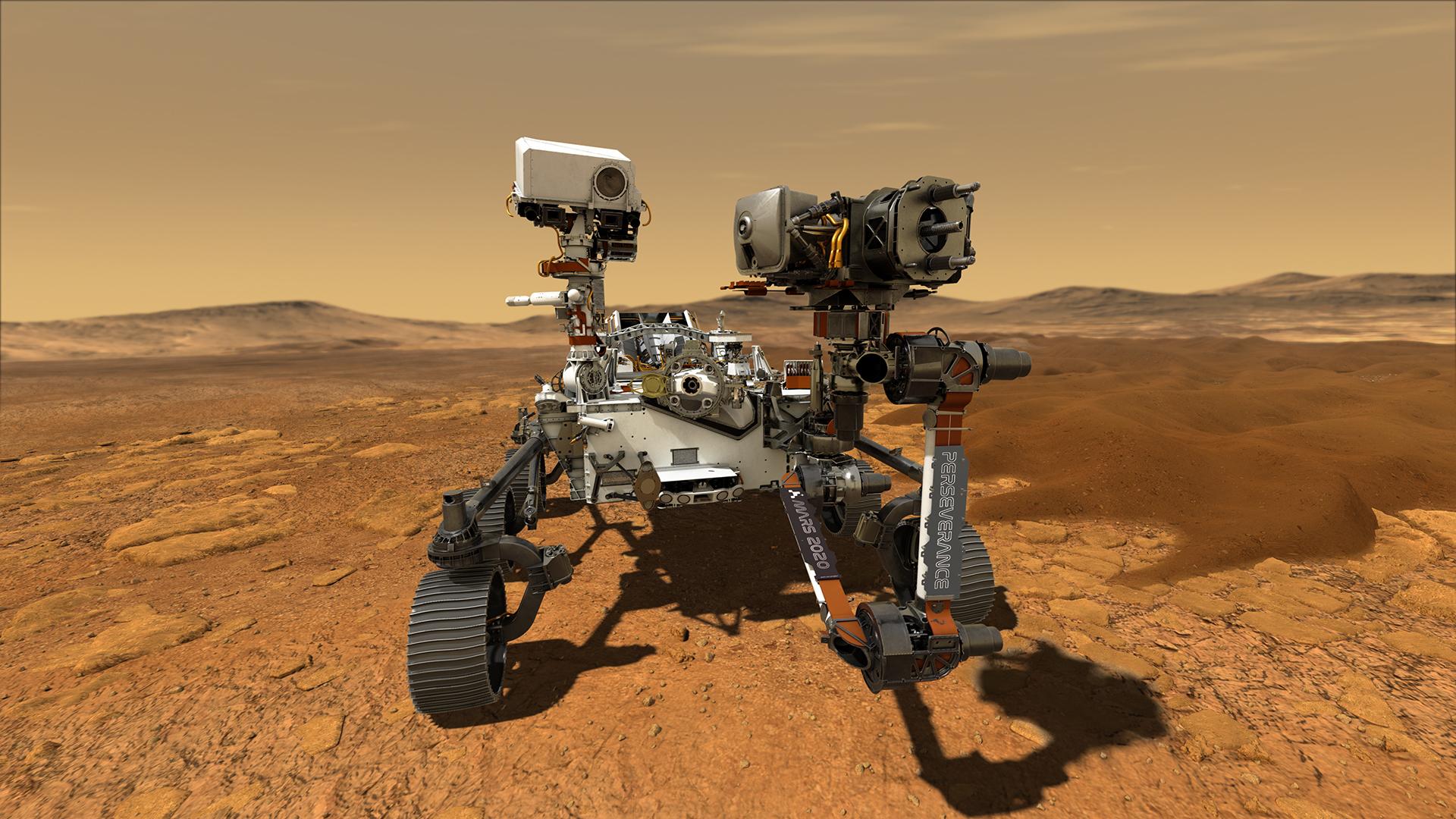
NASA's Perseverance rover has set a new driving record on Mars. Its odometer hit 28.10 miles (45.22 km) on October 11, 2026. No vehicle has ever driven farther on another world, according to NASA.
The old record belonged to Opportunity, another NASA rover. Perseverance beat it by a small margin. It did so in far less time.
What happened
Perseverance crossed the mark on its 2,006th Mars day, according to NASA. One Mars day is called a sol. A short drive of 299.6 feet pushed the total past the old mark, NASA said.
The rover was heading toward a place called Idubi. It was crossing land nicknamed Lac de Charmes. This land sits off the western rim of Jezero Crater.
The old record was 28.06 miles (45.16 km), according to NASA. Opportunity set it between 2004 and 2018. That rover took nearly 15 years to cover that ground.
Perseverance needed only about five and a half years, NASA said. It landed on Mars on February 18, 2021. It works in Jezero Crater, which once held a lake, according to NASA.
Opportunity was not the only mark to fall. Perseverance had already passed two Moon records, NASA said. Apollo 17 astronauts drove 22.2 miles (35.7 km) on the Moon in 1972. The Soviet Lunokhod 2 rover drove 24.2 miles (39 km) in 1973.
The new record sits in a long line of rovers, NASA said. Sojourner drove about 330 feet (100 meters) in 1997. Spirit logged 4.8 miles (7.7 km) before it went quiet in 2010. Curiosity has logged more than 23.65 miles (38.07 km) since 2012.
The first plan called for no more than 12.4 miles of driving, NASA said. Perseverance has now driven more than twice that distance.
How the rover drives itself
Much of the credit goes to self-driving, NASA said. Self-driving means the rover steers itself. It picks its own path without step-by-step orders from Earth.
The system is called AutoNav, according to NASA. It takes pictures as the rover rolls. It builds a 3D map of hazards like rocks and dips.
A 3D map shows the shape of the ground. Then it picks a safe path between stops set by the team on Earth.
The team calls this "thinking while driving," NASA said. The rover can do this near its top speed. It can cover up to 1,351 feet (412 meters) in one sol.
More than 90% of the rover's total distance used AutoNav, according to NASA. Opportunity and Spirit used their early self-driving for only about 5% of their distance.
The jump in power is huge, NASA said. Sojourner judged its path with 20 measurement points. Perseverance checks 600,000 points with every look.
A fast extra computer helps, Reuters reported. It is called the Vision Compute Element. It lets the rover process images almost nonstop while it drives.
Older rovers had to pause and think before each short move, Reuters reported.
People on Earth still set the goals, according to NASA. They pick the stops. The rover picks the safe way to reach them.
Why it matters
Distance is not the prize, NASA said. Distance is a tool. Longer drives let the rover reach more kinds of rock.
More rock means more clues about Mars.
The rover is now crossing very old land, NASA said. The rocks of Lac de Charmes are so old that Earth's copies are gone. Earth's moving rock slabs ground them away long ago.
Mars lacks those moving slabs, NASA said.
Idubi may hold traces of old hot-water systems, NASA said. Hot water under the ground can warm rock. Such warm, wet spots may once have suited tiny life.
The rover already found a possible sign of ancient tiny life, NASA said. The sign sits in a rock called Cheyava Falls. A biosignature means a possible sign of ancient tiny life.
It is not proof of life. Our earlier report on a Mars rock clue covers a related find.
The rover has also gathered 29 rock and dust samples, NASA said. Regolith is the loose rock and dust on the surface. A future mission may one day carry these samples to Earth, NPR reported.
That plan faces cost questions, NPR reported.
The rover is in good shape, Reuters reported. Its hardware and tools still have backup systems. A recent check found they could run well into the 2030s, Reuters reported.
The record also shows how far robot driving has come, NPR reported. One project scientist called the rover a bold traveler. In plain words, it is a machine that keeps exploring on its own.
What happens next
NASA has approved the mission's first extension, NASA said. The extension began in October. It will carry the rover's crater-rim work through about the end of 2028.
After Lac de Charmes, the rover will keep moving along the crater rim, NASA said. It will head south toward a site called Rainbow Falls. Rainbow Falls is a 328-foot-wide (100-meter-wide) block of old crust.
A giant impact lifted it when it formed Jezero Crater, NASA said.
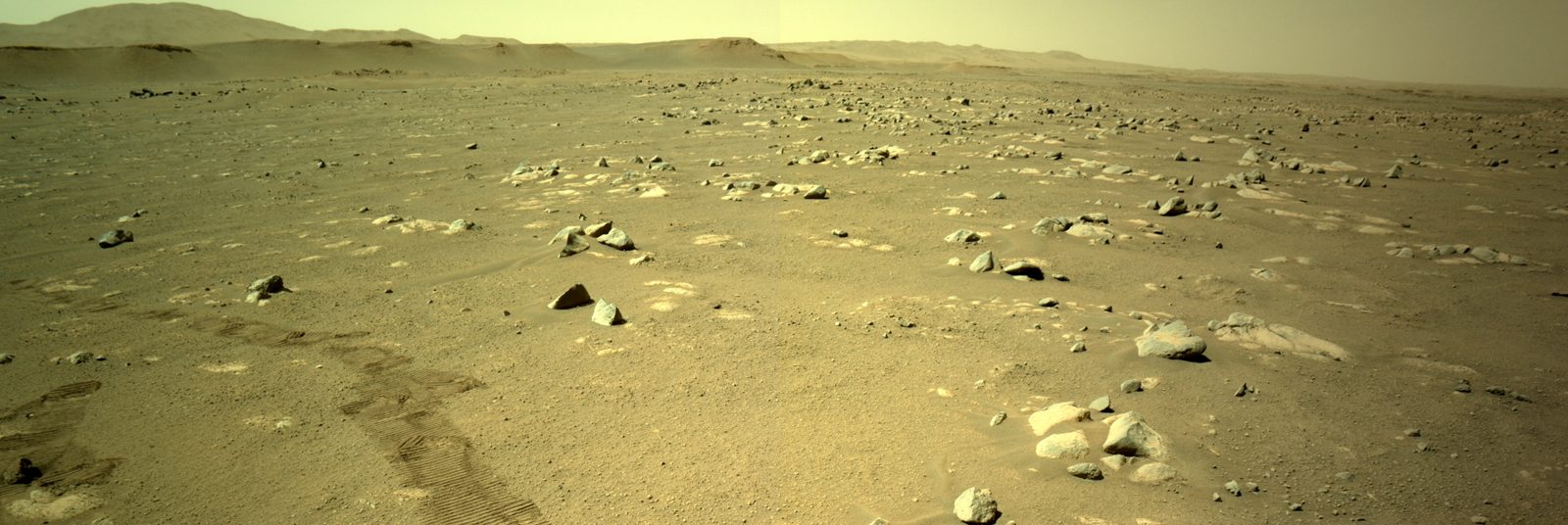
Engineers are also testing the rover for longer drives, Reuters reported. They want to show it can drive 100 km (62 miles) or more. The hardware will be tested for 150 km to 300 km, Reuters reported.
The team also wants longer work days, NASA said. Sun glare in the cameras now ends drives by mid-afternoon. If the rover can see past the glare, each day can run longer, NASA said.
While Perseverance roams Mars, cargo flights keep the space station running. Our report on the SpaceX CRS-35 cargo launch covers one such flight. The record will keep growing, NASA said.
The rover shows no signs of slowing down, Reuters reported.
Perseverance will keep rolling, and each mile will add new ground to study. The rover will read older rocks and test its own driving. It will build a record that future rovers will chase.
The next milestone may not be a number. It may be a rock that tells us how Mars once worked.
Related stories

Why diamond is hard and graphite is soft when both are carbon
Diamond and graphite are both pure carbon, yet diamond is 10 on the Mohs scale and graphite is 1 to 2. The difference is not the atoms;

Why Hot Water Can Freeze Faster Than Cold: The Mpemba Effect Explained
Hot water can freeze faster than cold under specific conditions. The Mpemba effect, named for a 1963 schoolboy experiment, still divides

How Magnets Work at the Atomic Level: Spins, Domains, and Iron
Magnetism comes from electrons: their spin and orbits make each atom a tiny magnet. In iron, quantum forces align these atomic magnets into