
Nobel economics prize goes to Hall and Woodford for downturn models
By Rive News
Key takeaways
- Robert E. Hall and Michael Woodford won the 2026 Nobel economics prize on October 12. Their models help tame recessions.
- Their work starts with how people and firms act, then builds tools that guide central banks and governments.
- The prize is worth 12 million Swedish kronor, split equally between the two winners.
Two American economists have won the 2026 Nobel Prize in Economic Sciences. Robert E. Hall teaches at Stanford University.
Woodford teaches at Columbia University. They got the prize on October 12. Their work gives new tools to fight recessions and keep economies steady.
What happened
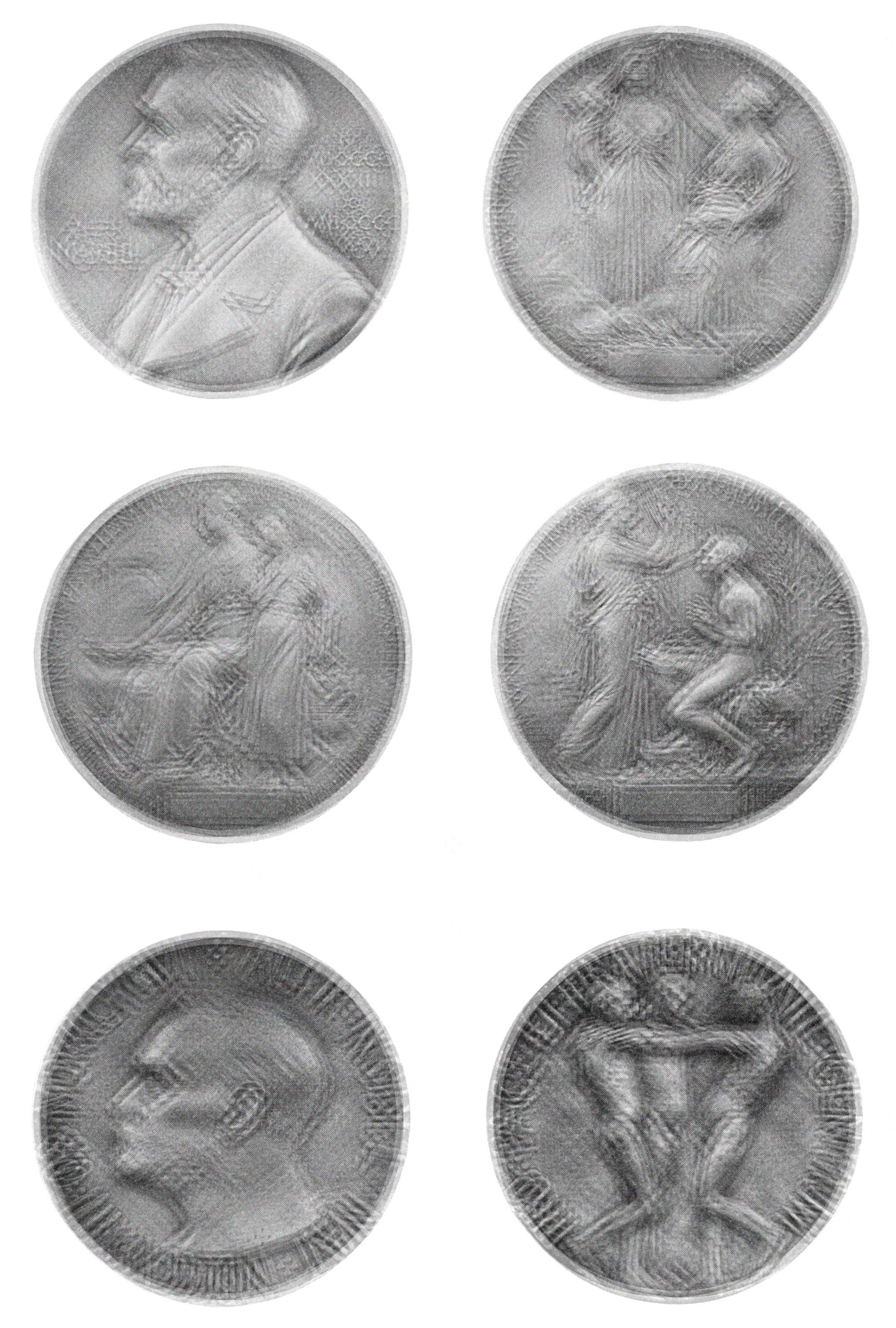
The Royal Swedish Academy of Sciences announced the prize in Stockholm, said its press release. The award's full name is the Sveriges Riksbank Prize in Economic Sciences, reported Reuters. It is the yearly Nobel prize for work in economics.
It was not set up by Alfred Nobel himself. Sweden's central bank created it in 1968, said CNN.
A central bank is a country's main bank. It sets interest rates and watches the money system. Interest rates are the price of borrowing money.
High rates make loans costly. Low rates make them cheap. A recession is a time when the economy shrinks.
Firms earn less and workers lose jobs.
The academy honored Hall and Woodford for "microeconomic foundations of macroeconomic stabilisation." Their models help leaders choose the right steps at the right time. In a slump, cutting rates and raising state spending can boost the economy.
In a boom, the reverse calms things down.
The old way of doing this broke down in the 1970s. Oil crises hit the West. The models of the day failed to cut joblessness.
They fed runaway inflation instead. Many people said the whole idea did more harm than good, said the academy.
Hall and Woodford rebuilt the models from the ground up. They started with people and firms, not big statistics. Households and firms look ahead, the academy explained.
They save and set prices with the future in mind. A shop owner sets prices based on what she expects. A family saves more if it fears hard times.
These small choices add up. Together they steer the whole economy.
Here is the key idea. When central banks share their plans, they shape what people expect. That nudge can move the whole economy in the right direction.
The academy called the new models extremely helpful in dealing with past economic downturns.
The new models now guide central banks and governments around the world. Committee chair John Hassler said the work gives a stable base for those models. He said leaders can now better face shocks like energy crises or sudden spending shifts.
Hall was born in 1943 in Palo Alto, California. He earned his PhD from MIT in 1967. He teaches at Stanford University. Woodford was born in 1955 in Chicopee, Massachusetts.
He earned his PhD from MIT in 1983. He teaches at Columbia University.
The prize is worth 12 million Swedish kronor. That is about 1.2 million US dollars, reported Reuters. The two winners will share it equally.
Each will take home 6 million kronor, said CNN. It is the last Nobel prize of 2026, reported Reuters.
Like scientific theories, these models must be tested against the real world. Learn how theories differ from guesses in our science guide.
Why it matters
Central banks do not just watch numbers. They watch what people expect, the academy said. If families fear rising prices, they spend less.
If firms expect weak sales, they hire less. A clear promise from the bank can calm those fears. That is the heart of the winning work.
Why should a regular reader care? Recessions cost jobs. This work helps leaders act sooner and smarter.
That can mean fewer layoffs when trouble hits. For a recent example, see Kroger's plan to shed 3,000 corporate jobs.
The economics prize has now gone to 101 people, reported CNN. Only three of them have been women. Most winners have come from the United States, said Reuters.
Last year's winners were Joel Mokyr, Philippe Aghion and Peter Howitt. They won for work on "creative destruction," reported Reuters. That idea links new technology to growth.
Rive News also tracks other science stories. One recent report covered the solar storm that lit up skies over the northern US.
What happens next
Attention now turns to how policy makers use these tools. Energy costs can still shake markets. Spending by families can still swing fast.
The academy said the laureates' work leaves leaders better equipped for such shocks.
The committee's choice sends a message. Quiet work on real-world problems can still earn the highest honor. Students of economics will study these models for years to come.
The 2026 prize honors ideas that shape daily life. Every rate choice touches loans, prices and jobs. Hall and Woodford gave leaders a clearer map for those choices.
The next years will test how far the map can go.
Related stories

Why diamond is hard and graphite is soft when both are carbon
Diamond and graphite are both pure carbon, yet diamond is 10 on the Mohs scale and graphite is 1 to 2. The difference is not the atoms;

Why Hot Water Can Freeze Faster Than Cold: The Mpemba Effect Explained
Hot water can freeze faster than cold under specific conditions. The Mpemba effect, named for a 1963 schoolboy experiment, still divides

How Magnets Work at the Atomic Level: Spins, Domains, and Iron
Magnetism comes from electrons: their spin and orbits make each atom a tiny magnet. In iron, quantum forces align these atomic magnets into