
NFL overtime rules explained after Ravens force extra time in Week 5
Key takeaways
- Sunday's Falcons-Ravens game went to overtime tied 23-23. Fans are arguing about the rules again.
- NFL overtime runs 10 minutes in the regular season. Both teams get a turn with the ball.
- If nobody leads after 10 minutes, the game ends in a tie. The Commanders-Giants game ended 27-27.
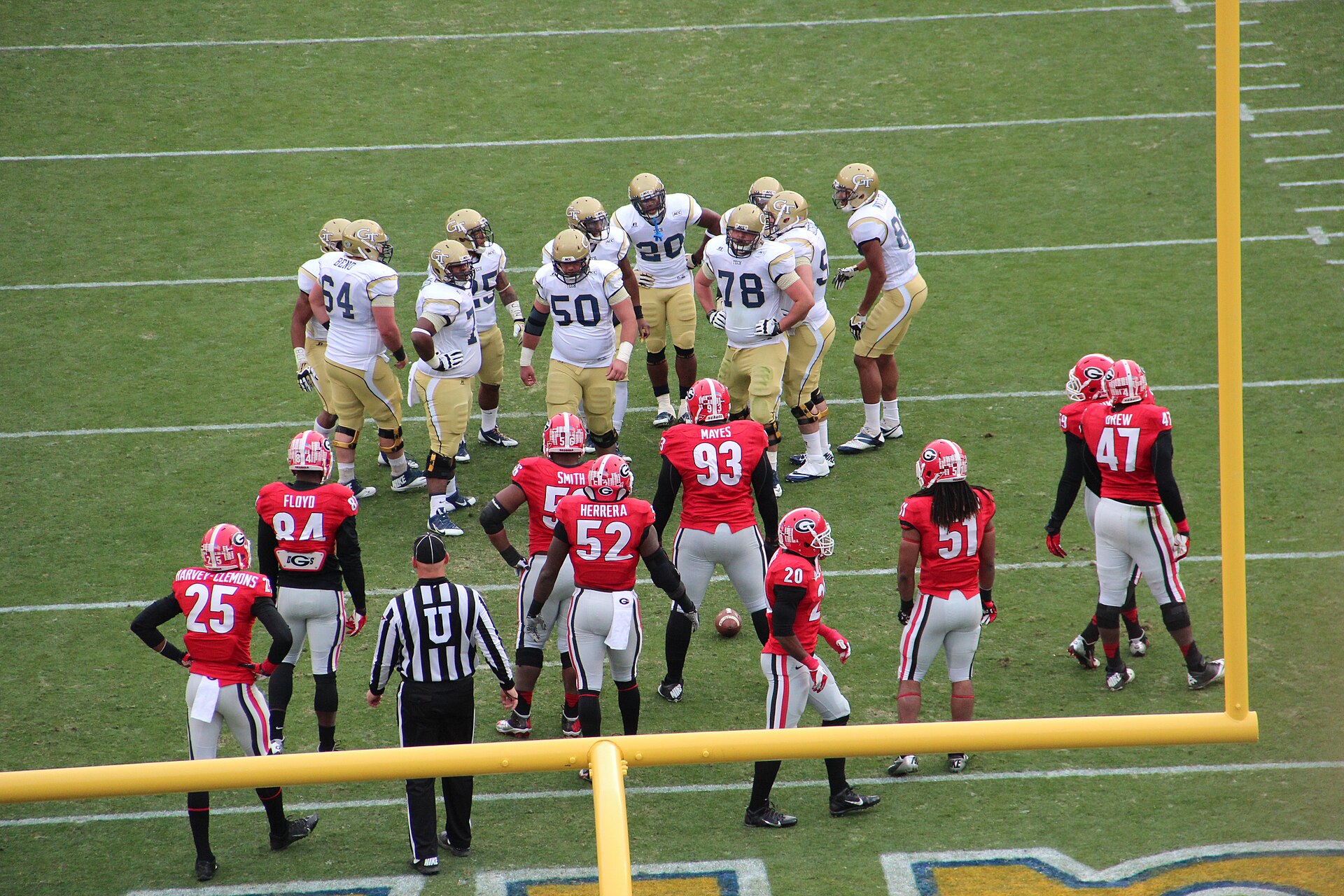
NFL overtime rules give both teams the ball in a 10-minute extra period. If the score is level when time runs out, the game ends in a tie.
What happened
The Atlanta Falcons hosted the Baltimore Ravens on Sunday Night Football on October 11, 2026. It was Week 5 of the NFL season. Baltimore tied the game 23-23 with only 40 seconds left in regulation, reported USA Today. Quarterback Tyler Huntley threw a 7-yard touchdown pass to Devontez Walker.
Derrick Henry then ran in two extra points to level the score. Atlanta could not score again, so the game went to overtime. Baltimore won the overtime coin toss, reported USA Today.
It chose to receive the ball first. The Ravens went on to win 30-23, reported USA Today. The result sparked a fresh wave of questions about how overtime works.
Read our full recap of the Falcons-Ravens overtime game.
Earlier the same day, the Washington Commanders and New York Giants also went to overtime. That game ended in a 27-27 tie, reported The Spun. It was the first tie of the 2026 season.
Washington could not stop the clock in time, reported USA Today. So it never got its game-winning kick.
Why it matters
New to American football? Here is how the 2026 NFL rules work, in simple terms. Each regular-season overtime period lasts 10 minutes.
A coin toss decides which team gets the ball first. Both teams then get a turn with the ball. A turn with the ball is called a possession.
The only exception is a safety on the first possession, reported USA Today. That ends the game at once. A safety is a rare defensive score.
The big change came in 2025. Before that, an opening-drive touchdown could end the game. The other team might never touch the ball. Now the second team always gets its chance, reported Heavy.
It gets it no matter what the first team scored. If the second team scores more points, it wins. If it fails to match, the first team wins.
If the score is still tied after one turn each, the next score wins. Each team gets two timeouts for the period. Coaches cannot challenge plays in overtime.
All reviews come from the replay booth, reported USA Today.
The last tie before Sunday was in 2025, according to USA Today. The Green Bay Packers and Dallas Cowboys finished 40-40. Playoff games use the same format since 2022, reported Heavy. Playoff games cannot end in a tie.
They keep playing until someone wins.
What happens next
Fans are now pushing the league to change the system. Former NFL kicker Lawrence Tynes asked a sharp question. What if the first team holds the ball for almost the whole 10 minutes?
The official answer is strict. The rule allows only one 10-minute period, reported The Spun. That stands even if the second team never gets the ball.
Many fans want college football rules instead, reported The Spun. There, teams keep getting chances until someone leads.
For now, the NFL is keeping its format. Teams must plan for short clocks and quick scores. Sunday's games show how thin the margin is.
A few seconds decided Washington's fate. Expect every tight Sunday night game to bring the same questions back.
The debate will not cool soon. Another overtime game will land within weeks. The 10-minute clock will again test teams, coaches and fans.
When it does, both sides will want the ball, and neither will want a tie.
Related stories

Why Is Altitude Sickness Worse for Some People?
Altitude sickness hits some people harder because of genetics, ascent speed, and prior history, not fitness level. Here is what raises risk

Why Do You Get Blisters When Hiking and How to Prevent Them
Friction plus moisture plus heat equals a blister. Learn why hiking breeds all three, and the boots, socks, and tape system that keeps

How to choose hiking boots for beginners: fit, features, and break-in
Beginners should buy for fit first: snug everywhere, tight nowhere, with a thumb's width at the toes. Here is how to size, test,