
Is eSIM Safer Than a Physical SIM Card?
Key takeaways
- SIM-swap fraud cost US victims over $68 million in 2021 alone, per the FBI's Internet Crime Complaint Center.
- eSIM removes the physical attack surface: the chip cannot be stolen, cloned by hand, or popped out of a stolen phone.
- Against social-engineering SIM swaps, the carrier's account security matters more than the SIM format, and the GSMA rates eSIM security as equivalent to a physical SIM.
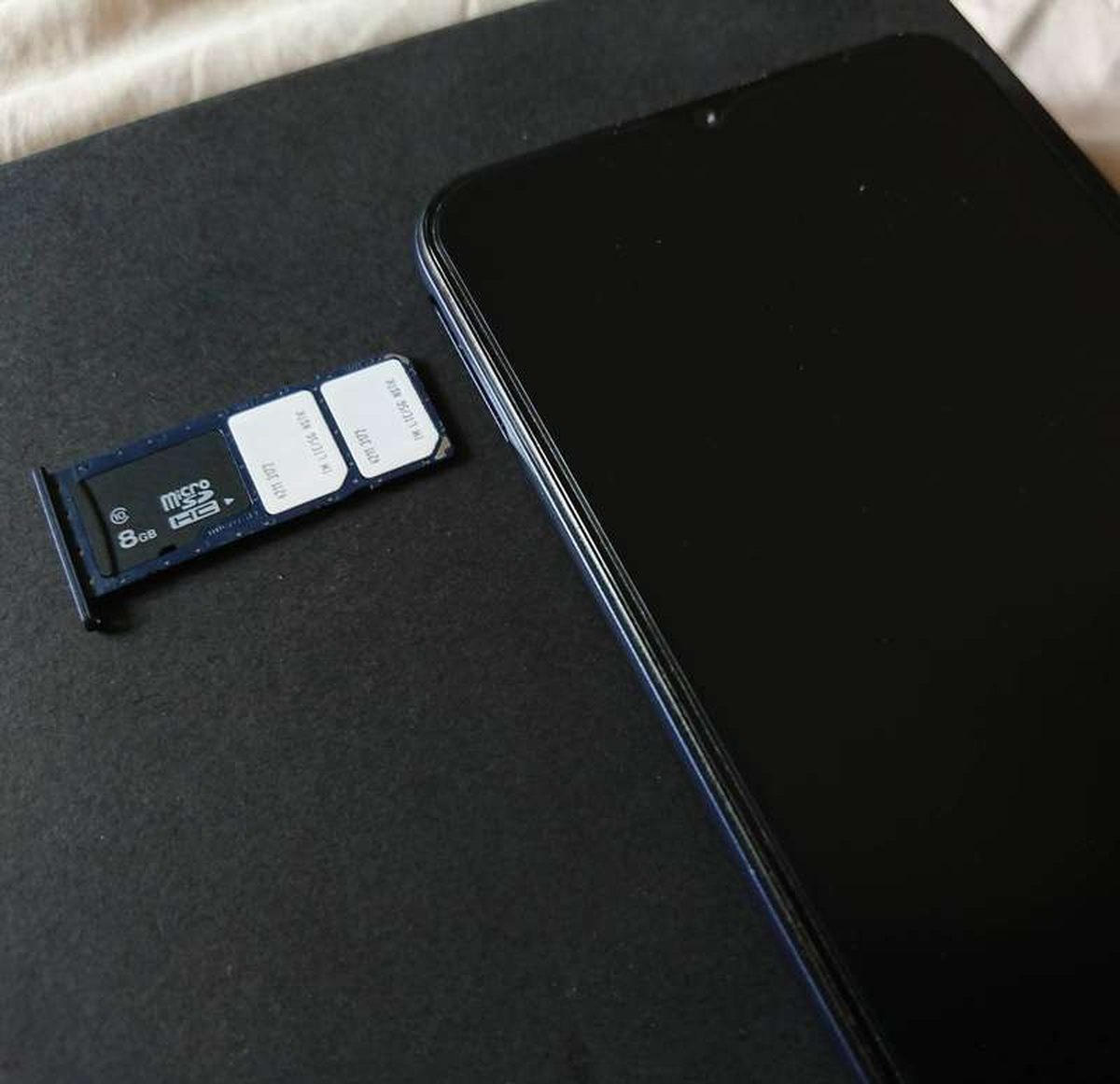
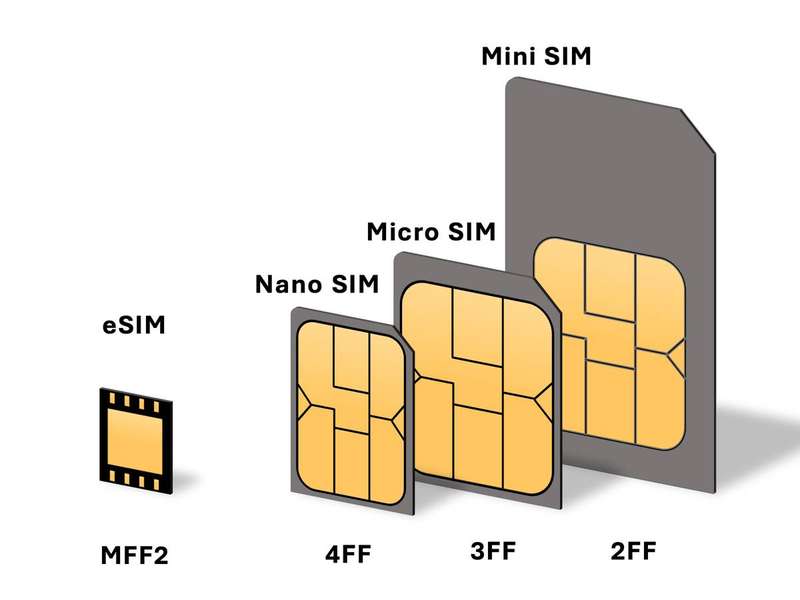
An eSIM is a SIM chip soldered into the phone instead of a removable plastic card. It does the same job, proving your identity to the mobile network, but the profile is installed digitally over an encrypted connection instead of being slotted in by hand.
So is it safer? The short answer: against the attacks that actually happen to real people, yes, with one honest caveat. This article explains where eSIM beats a physical SIM, where the plastic card still has an edge, and what SIM-swap fraud has to do with all of it.
What SIM-swap fraud actually is
SIM swapping is the attack that makes this question matter. Criminals trick a mobile carrier's support staff into moving your phone number to a SIM card the attacker holds, usually through phishing or social engineering (tricking people into giving up access), sometimes with an insider's help.
Once the swap happens, your calls, texts, and one-time passcodes go to the criminal's device. They use "forgot password" and account-recovery flows to take over your email, bank, and social accounts, and to drain funds, including cryptocurrency.
The scale is serious. From January 2018 to December 2020, the FBI's Internet Crime Complaint Center received 320 SIM-swapping complaints with losses of about $12 million.
In 2021 alone, it received 1,611 complaints with losses of more than $68 million, according to the FBI's public service announcement. The FBI also warns victims not to advertise crypto holdings or financial assets on social media, since attackers target visible wealth.
This is the threat most explainers skip. And it is the one that decides the answer.
Where eSIM wins
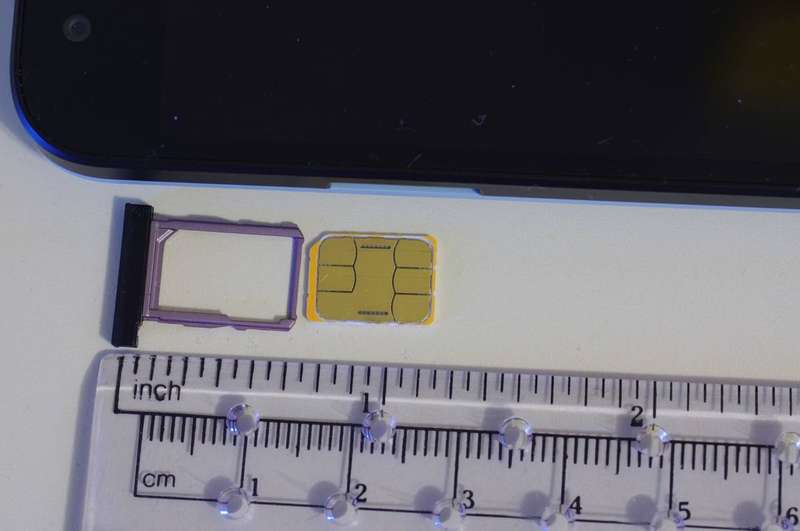
The physical card is eSIM's biggest security advantage by subtraction. A removable SIM can be stolen outright: anyone with physical access to your phone can pop the tray and take your number with it. An eSIM cannot be removed from the device, so that whole attack path disappears.
That permanence helps after a theft, too. A thief who steals your phone cannot kill its network connection by yanking the SIM, which keeps tracking features like Find My working and lets you remotely deactivate the profile. eSIM Station's 2026 comparison highlights exactly this: no physical card to remove means no instant disconnection for a thief.
Against classic SIM-swap-by-card attacks, eSIM also raises the bar. Transferring an eSIM profile requires extra identity checks, QR code or carrier login, rather than simply walking out of a store with a fresh piece of plastic. Security Boulevard's 2026 comparison rates physical theft and removal as "vulnerable" for traditional SIMs but "resistant" for eSIM.
Remote provisioning (installing the profile over the internet) itself runs over encrypted channels, and carrier profiles are tied to the specific device. For the most common real-world threats, the embedded chip is genuinely the better shield.
Where the physical SIM still has an edge
Now the honest part. The GSMA, the industry body behind eSIM standards, describes eSIM as providing an equivalent level of security to a removable SIM, not a superior one. Vertu's security guide for travelers puts it plainly: an eSIM is not automatically more secure than a removable SIM.
Why? Because the most damaging SIM swaps do not touch the card at all. They happen at the carrier's account level, through a support agent who is tricked into moving your number.
That weakness exists no matter the format. Security Boulevard rates SIM swap via social engineering as "vulnerable" for traditional SIMs and "reduced but possible" for eSIM: better, not solved.
Physical SIMs also have one unique advantage: complete disconnection. If you need to go fully offline, for privacy in a sensitive location or a high-risk situation, you pull the card and you are done. With eSIM you disable the profile in software, which is not as instant or as certain.
And eSIM introduces a new surface of its own: remote provisioning attacks. The convenience of instant digital transfers is real, but it means a compromised carrier account can move your line internationally to any unlocked device without geographic limits.
How the two compare at a glance
Here is the practical breakdown, drawing on the comparisons above.
Physical theft or removal: physical SIM is vulnerable; eSIM is resistant. A stolen card is a stolen number.
SIM cloning: possible on weaker physical cards; not applicable to eSIM.
Social-engineering SIM swap: possible for both, harder for eSIM, but the carrier's identity checks are what really decide it.
Theft recovery: eSIM keeps the phone connected for tracking and remote deactivation; a removed physical SIM kills that link.
Instant offline: physical SIM wins; pull the card and you are gone.
Moving between phones: physical SIM wins on simplicity; eSIM requires a supported transfer or carrier process.
Multiple lines: eSIM wins easily. eSIM Station notes that modern phones can store 8 or more profiles, so work, personal, and travel lines coexist.
Performance, call quality, and coverage are identical either way: the SIM is just an identity-check mechanism, and the network connection is the same.
How to protect yourself, whichever you use
The format helps, but your carrier account is the real front line. Set a strong PIN or verbal password on your carrier account, the one support agents must verify before making changes. Ask your carrier about a port freeze or SIM lock that blocks number transfers without extra verification.
Move your important accounts off SMS-based two-factor authentication (login codes sent by text). Authenticator apps and hardware security keys survive a SIM swap; texted codes do not. This is the single highest-impact step, and it works with either SIM type.
Finally, take the FBI's advice: do not advertise financial assets, crypto holdings included, on social media or public forums. Attackers choose targets who look profitable.
Frequently asked questions
Can eSIM be hacked?
The chip itself is hard to attack physically, and installing it uses encrypted channels. The realistic attack path is the carrier account: if an attacker tricks your carrier, the eSIM profile can be moved like any number. Protect the carrier account first.
Is eSIM better for travel?
Yes, for convenience and security. You can install a local data plan before you land, keep your home number active, and store multiple profiles. Just remember that a physical SIM remains useful as a backup that moves to another handset instantly.
Does eSIM affect signal quality or speed?
No. eSIM and physical SIM connect to the exact same networks with identical quality. The SIM is only the identity-check mechanism; once connected, everything is the same.
Should I switch my physical SIM to eSIM?
If your phone and carrier support it, switching is reasonable: you gain theft resistance and lose nothing in performance. Keep a physical SIM handy as a backup if you travel to places with limited eSIM support.
The bottom line
eSIM is safer than a physical SIM against the attacks most people actually face: physical theft, card cloning, and casual SIM removal. But it does not solve SIM-swap fraud on its own, because the weakest link is usually the carrier's support desk, not the chip.
Switch to eSIM if you can, set a carrier account PIN, and move off SMS two-factor. Those three moves together are worth more than any single format.
---
Rive News is the research desk behind these guides, covering work, learning, and everyday decisions with sourced, practical explainers.
Related stories
- How to Switch Careers at 30 With No Experience in the Field
- How to Study for Exams Without Burning Out
- Why Does Tire Pressure Drop in Cold Weather?
Subscribe for one practical guide in your inbox every morning.
Corrections: spot an error? Contact the desk and we will fix it with a timestamped update, never a silent edit.
Related stories

Apple plans two October launches: smart home hub, OLED MacBook Pro
Apple set October 13 for a smart home launch with a new hub, Apple TV 4K and HomePod mini, then October 27 for OLED MacBook Pro models

How to Check If Your Phone Supports eSIM in 30 Seconds
Dial *#06# and look for an EID number to confirm eSIM support in under 30 seconds. This guide also walks through the iPhone and Android

eSIM vs iSIM: what is the difference?
An eSIM is a dedicated chip on the phone's board, while an iSIM lives inside the processor itself. Qualcomm's Snapdragon 8 Gen