
Google launches Gemini 4 Argon, its most powerful AI yet
Web StoryWatch this story in 15 seconds →Key takeaways
- Google launched Gemini 4 Argon on October 13, 2026, its most powerful AI model so far.
- Only paid users get it now: Pro costs $20 a month, and Ultra starts at $99 a month.
- The model handles long, complex tasks in coding, finance, law, science, and security.
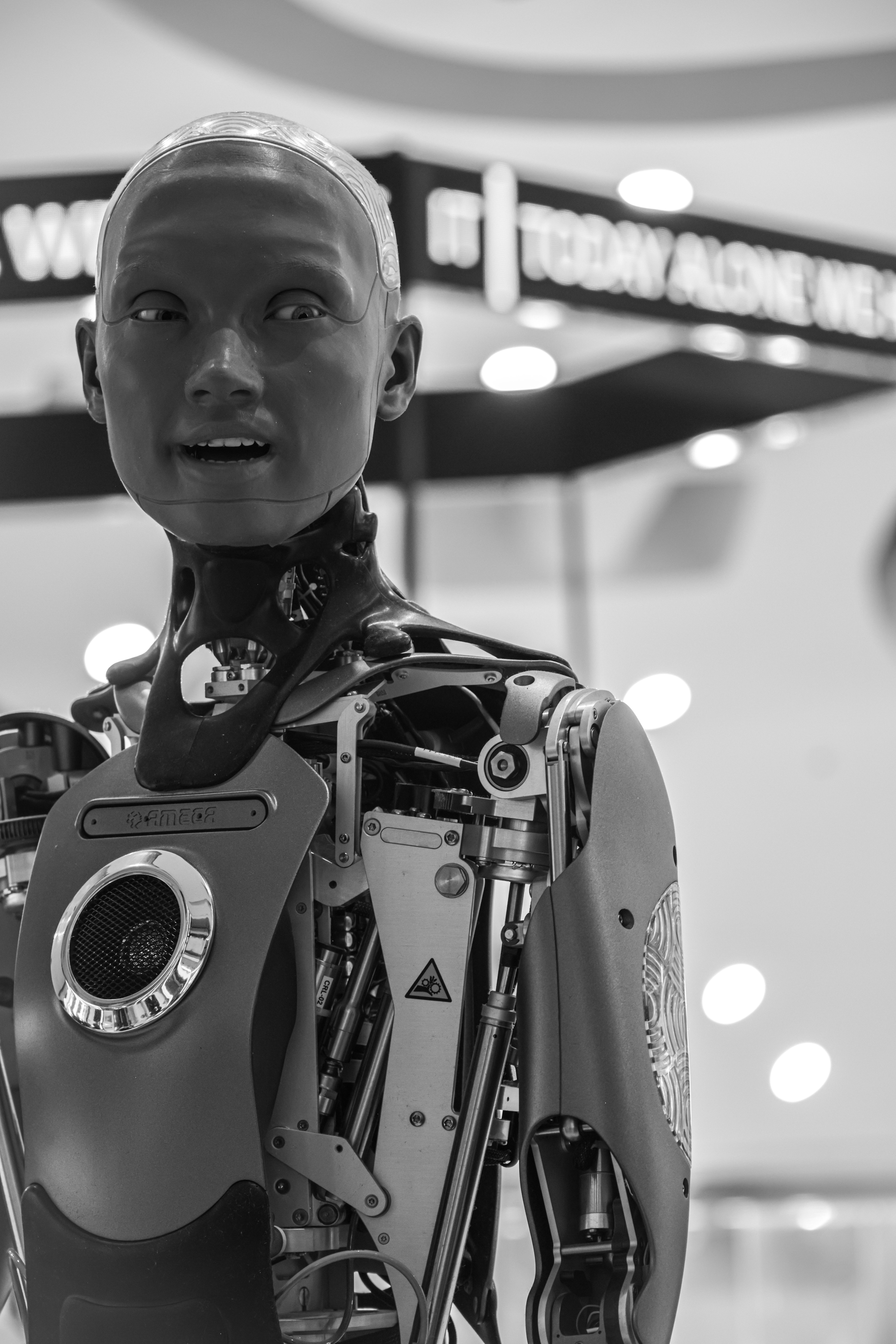
Google launched a new AI model on October 13, 2026. Its name is Gemini 4 Argon. It is Google's most powerful AI model so far.
Paid users get it first. Free users do not get it yet. This article explains the price, the access, and the facts.
What happened
Google released Gemini 4 Argon on Tuesday, October 13, 2026. The launch came after months of delays. Google calls Argon its flagship AI model.
Flagship means the top model in the line. The model handles deep work across many fields. Deep work means long, complex tasks with many steps.
Those fields include coding, finance, law, science, and security. Google said Argon ranks first on the Vals Index. The Vals Index is a test of AI skill across jobs.
It tests finance, coding, law, and tax work. Google said Argon beat other top models on it. The model is now open to developers and firms.
Developers can use it through the API in AI Studio. API means a tool that lets apps use the model. Firms can use it through the Gemini platform.
Paid users can use it in the Gemini app. They can also use it in AI Mode in Search. AI Mode is a search tool that answers with AI.
The full coding tool is Antigravity. Antigravity is Google's tool for agentic coding. Agentic coding means the AI writes and tests code on its own.
Only Ultra users get Argon in Antigravity. That rule also covers AI Studio. Ars Technica reported those limits.
Pro users can use Argon in the Gemini app. They can also use it in Canvas mode. Canvas is a tool for writing and code.
They do not get the full Antigravity workflows. Google kept the older Gemini 3.1 Pro around for now.
Reuters reported the wider context. Google wants to regain ground on OpenAI and Anthropic.
OpenAI makes ChatGPT. Anthropic makes Claude.
Google had planned to release Gemini 3.5 Pro. CEO Sundar Pichai had said it would come in June. Google dropped that plan in September.
DeepMind also went through a leadership shakeup. DeepMind is Google's AI lab. Its co-founder Demis Hassabis stepped aside.
Why it matters
This launch is about the AI race. Google, OpenAI, and Anthropic all fight for the top spot. Each firm wants the smartest model.
Argon aims at hard work, not short chats. It can untangle big code bases. It can read long legal papers.
It can check science data. It can hunt for security flaws. That is the work firms pay for.
Google shared early wins from its own teams. Teams in Antigravity sent 35% more code with Argon. Their code rollbacks fell by nearly a third.
A rollback means undoing a code change. Fewer rollbacks mean fewer broken updates. The Chrome team used Argon on a huge cleanup.
It split core web page code from a 6 million line folder. That folder sat inside a 40 million line code base. Work that took months finished in weeks.
Argon also sped up a Python tool kit. Session prep got 40% faster. Cold imports got 21% faster.
Cold imports mean the first load of a program. Faster loads save time for developers. In science, Argon sped up a chemistry tool.
It made molecular shape prediction 2.3 times faster. It made conformer search 1.8 times faster. Conformer search maps how molecules bend.
Argon also sped up Gemma models. Gemma is Google's open model family. Inference got 2.85 times faster on one chip.
Inference means the model doing its work. The test ran on an A100 chip. Google said quality did not drop.
In robotics, Argon scored 87% on a spatial test. The test is called ERQA. It checks how a model grasps 3D space.
Argon watched a video of a person playing cornhole. Cornhole is a game of tossing bags at a board. The model mapped the space and wrote the code.
A humanoid robot then sank seven shots in a row. Ars Technica also cited two internal wins. One cut YouTube server load by 45%.
The fix removed redundant emoji rendering. The other found old bugs in a drone simulator. The bugs dated back to 2018.
Big AI models need strong chips. AI chip demand keeps rising fast. Chip maker Nvidia also invests in AI startups.
Early business users include Deloitte and LexisNexis. They also include Ambience Healthcare and Isomorphic Labs. Reuters named all four.
Google also opened a safety program wider. The Fairwind Program gives vetted defenders a special version. Vetted means checked and approved.
That version drops some cyber guardrails. Guardrails are limits that block harmful use. Hundreds of new partners will join.
One partner is Wiz. Wiz used Argon to protect health data. It found a flaw that exposed a master key.
The fix shielded hundreds of thousands of patient records. Argon also found a gap in government data. That gap is now fixed.
Safety tests matter as much as skill. Google said bio red teaming unlocked less than 1% of test tasks. Red teaming means staged attacks to test defenses.
On a hostile test set, violations fell nearly twofold. The model also took fewer shortcuts. Shortcut attempts fell to 2% in coding tests.
What happens next
Price is the first thing to watch. The API now costs $2 per million input tokens. It costs $10 per million output tokens.
A token is a small chunk of text. Cached input tokens get a 95% discount. Cached means reused text the model has seen.
Those rates end on November 30. After that, the price doubles. Input rises to $4 per million tokens.
Output rises to $20 per million tokens. Developers must plan for that jump. Ars Technica flagged the same warning.
Access is the second thing to watch. Free users still do not get Argon. They get a smaller model called Flash-Lite, according to Ars Technica.
Google has not said when free users get Argon. It has not said when lower tiers get Antigravity access. For now, the best access needs Ultra.
Pro costs $20 a month. Ultra starts at $99 a month. Those prices come from Ars Technica.
Scientists get a special offer. Google will give 10,000 scientists free top-tier access. The free access lasts six months.
It covers the highest usage tier in Antigravity. Applications are now open. Google will onboard them on a rolling basis.
In health research, Argon already shows promise. Gamow Labs tested it on rare disease cases. It scored 57% on a rare disease test.
It scored 52.2% on a lab reasoning test. In one case, it found a gene change that routine software missed. That change had gone unseen for years.
Google will keep pushing Argon into work tools. Firms will test it on real jobs. Users will learn what it does best.
The price jump on November 30 is the next big date. Watch for news on wider access after that.
Related stories

Apple plans two October launches: smart home hub, OLED MacBook Pro
Apple set October 13 for a smart home launch with a new hub, Apple TV 4K and HomePod mini, then October 27 for OLED MacBook Pro models

How to Check If Your Phone Supports eSIM in 30 Seconds
Dial *#06# and look for an EID number to confirm eSIM support in under 30 seconds. This guide also walks through the iPhone and Android

eSIM vs iSIM: what is the difference?
An eSIM is a dedicated chip on the phone's board, while an iSIM lives inside the processor itself. Qualcomm's Snapdragon 8 Gen