
TSMC profit jumps 69% as AI chip demand stays strong
Key takeaways
- TSMC net profit rose 68.7% to $23.9 billion, above market forecasts, on strong AI chip demand.
- Revenue hit $46.7 billion, and advanced chips made up 79% of wafer sales.
- Shares still fell, as hot US inflation data raised fears of higher interest rates.
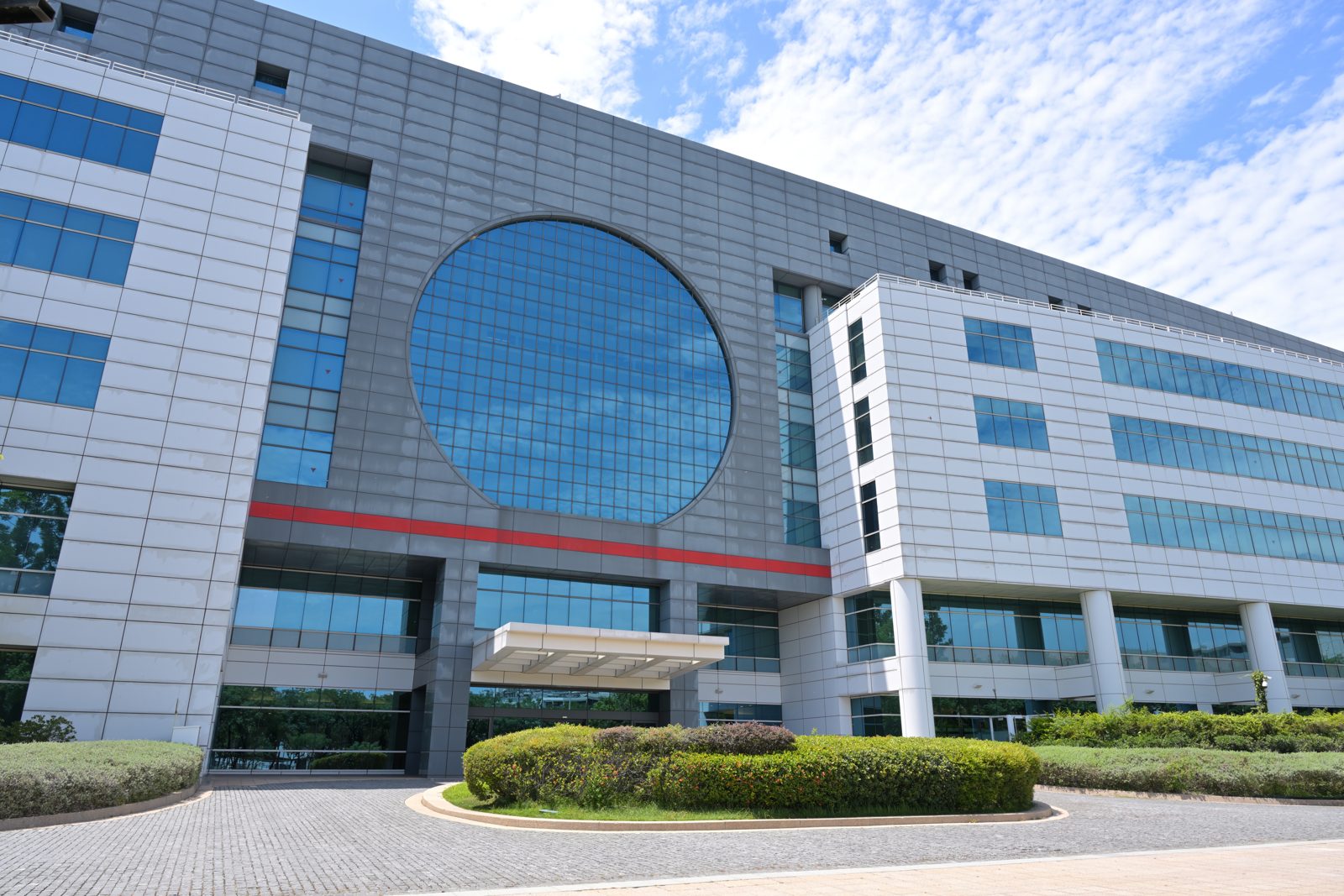
TSMC made record profit in the third quarter of 2026, according to TradingKey. Its net profit jumped 68.7% from a year earlier. Yet its stock still fell.
The reason was not the results. It was fear about inflation and high rates.
What happened
TSMC reported its third-quarter 2026 results on October 15, 2026. The quarter ended on September 30, 2026. TSMC is the world's largest contract chipmaker. That means it makes chips designed by other firms. It does not sell phones or laptops of its own.
Record profit, and a beat
Net profit reached NT$763.06 billion, or $23.86 billion. That was up 68.7% from a year earlier, according to The Tribune. It beat the NT$746.3 billion LSEG SmartEstimate, according to TalkMarkets.
A beat means the result came in above the forecast.
Revenue reached NT$1.494 trillion, or $46.72 billion. That was up 50.9% from a year earlier, according to The Tribune. It was also up 17.6% from the second quarter.
The result beat TSMC's own guidance of $44.6 billion to $45.8 billion, according to TalkMarkets. Guidance is a firm's own forecast for a period.
Earnings per share were NT$29.43, or $4.60 per ADR, according to The Tribune. An ADR is a US-traded receipt. It stands for shares in a foreign firm.
It lets US investors buy a foreign firm in US markets.
Margins stayed very high. Margin shows how much of each sales dollar a firm keeps as profit. Gross margin was 66.4%.
Operating margin was 58.7%. Net margin was 51.1%. All three figures come from The Tribune.
Where the money came from
Advanced chips drove the quarter. Chips made with 3-nanometre tech were 33% of wafer revenue. Chips made with 5-nanometre tech were 28%.
Chips made with 2-nanometre tech were 8%, up from 3% in the second quarter. Chips made with 7-nanometre tech were 10%. All four shares come from The Tribune.
A nanometre is a tiny size measure. A smaller number means a smaller, more powerful chip part. Chips at 7-nanometre tech or better made up 79% of wafer revenue.
That is the advanced share.
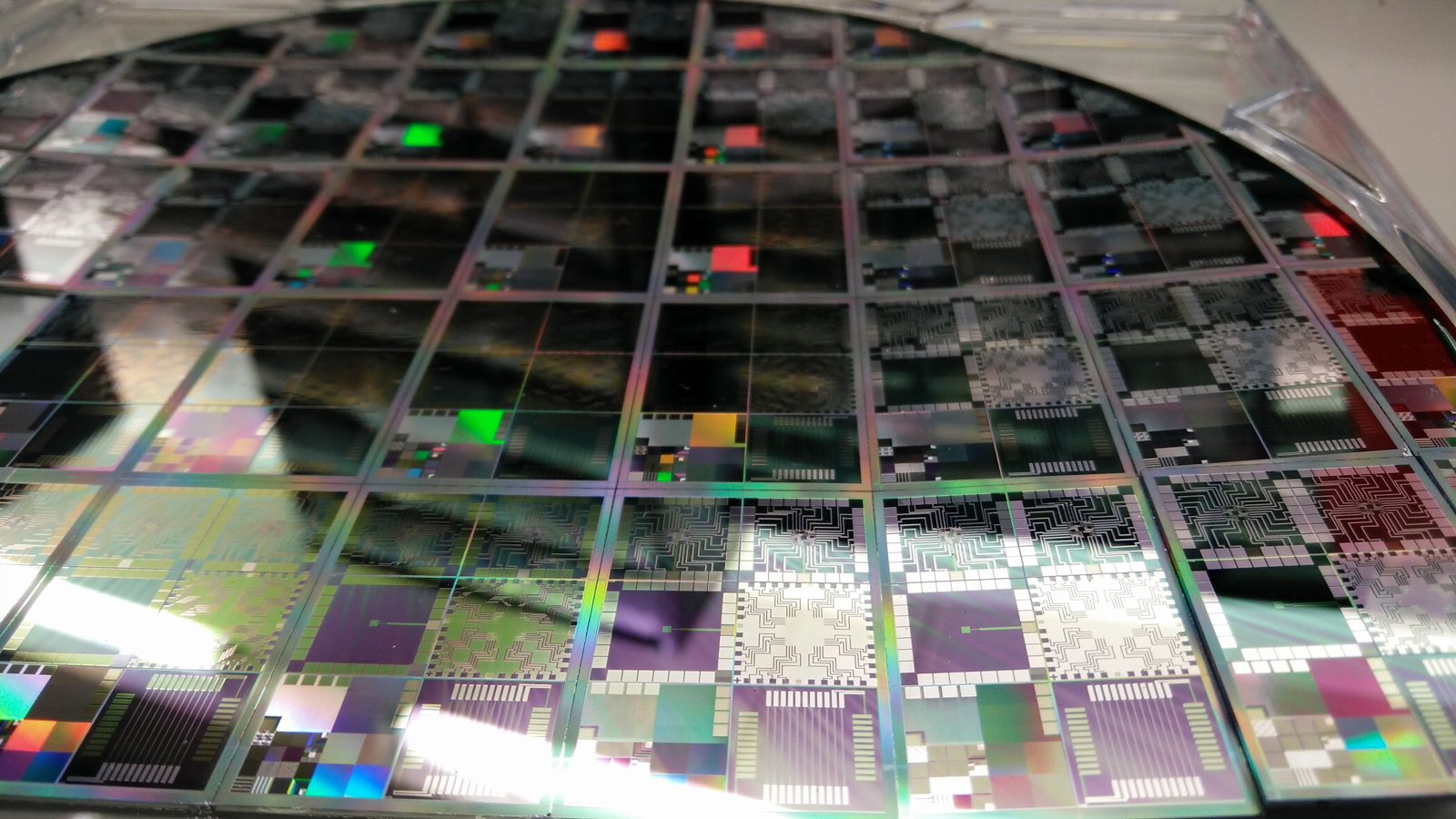
High-performance computing, or HPC, grew fast. HPC means chips for heavy tasks. These tasks include AI servers and data centers.
HPC rose to 68% of revenue, from 57% a year earlier, according to TradingKey. AI server and data-center chip demand drove the rise.
Why it matters
AI demand is the engine
TSMC sits at the heart of the AI boom. It builds the chips that power AI tools. Demand for AI servers keeps rising.
Data centers keep buying more chips. That demand lifted TSMC's sales and profit to new highs.
The mix also moved toward the top end. More revenue now comes from the smallest, most advanced chips. These chips sell for higher prices.
They also need costly new factories.
Why the stock fell anyway
Strong results did not lift the stock. US-listed shares closed Wednesday at $430. That was down 3.4% in a broad tech sell-off, according to TalkMarkets. In premarket trading, the shares fell over 2%.
They moved toward about $418 to $421. Hot US inflation data raised rate-hike worries, according to TalkMarkets.
Investors fear higher rates for two reasons. High rates raise the cost of loans. They also make future profits look less valuable today.
That hurts firms that must spend big on factories.
The sell-off spread across the region. A sell-off in Asian tech stocks showed how fast the mood shifted. The chip equipment maker ASML is part of the same supply chain.
The AI boom has also pushed Nvidia to buy stakes in AI startups.
Energy costs feed the same worry. A diesel shortage could last into 2027 would add more pressure on prices.
Options pricing implied a move of roughly 4% through the end of the week. That figure comes from TalkMarkets. Options are bets on a stock's next move.
That pricing showed traders braced for more swings.
What happens next
What to watch on the call
The first release had no fourth-quarter guidance, according to TalkMarkets. Investors now await the earnings call. They want any update to the full-year growth outlook.
The call may set the tone for chip stocks.
The big build-out
TSMC keeps spending to meet demand. In July, it raised its 2026 capex forecast to $60 billion to $64 billion. That figure comes from TalkMarkets.
Capex means money spent on plants and machines.
It has committed $265 billion to its Arizona build-out. It is also evaluating Texas expansion, according to TalkMarkets. New plants take years to build.
They also cost far more than old ones.
TSMC now heads into the final quarter with record profit and strong AI demand. The next test is the earnings call. If the firm lifts its full-year outlook, the mood may shift.
If it stays cautious, the market may stay nervous. Either way, the AI chip race will keep TSMC at its center.
This article is for information only and is not financial advice.
Related stories

Apple plans two October launches: smart home hub, OLED MacBook Pro
Apple set October 13 for a smart home launch with a new hub, Apple TV 4K and HomePod mini, then October 27 for OLED MacBook Pro models

How to Check If Your Phone Supports eSIM in 30 Seconds
Dial *#06# and look for an EID number to confirm eSIM support in under 30 seconds. This guide also walks through the iPhone and Android

eSIM vs iSIM: what is the difference?
An eSIM is a dedicated chip on the phone's board, while an iSIM lives inside the processor itself. Qualcomm's Snapdragon 8 Gen