
Diesel shortage to last into 2027, IEA warns drivers
Key takeaways
- The IEA says the global diesel shortage will last well into 2027.
- Low stocks, war damage, and weak exports keep supply tight.
- US pump prices topped $6 a gallon in September, per the IEA.
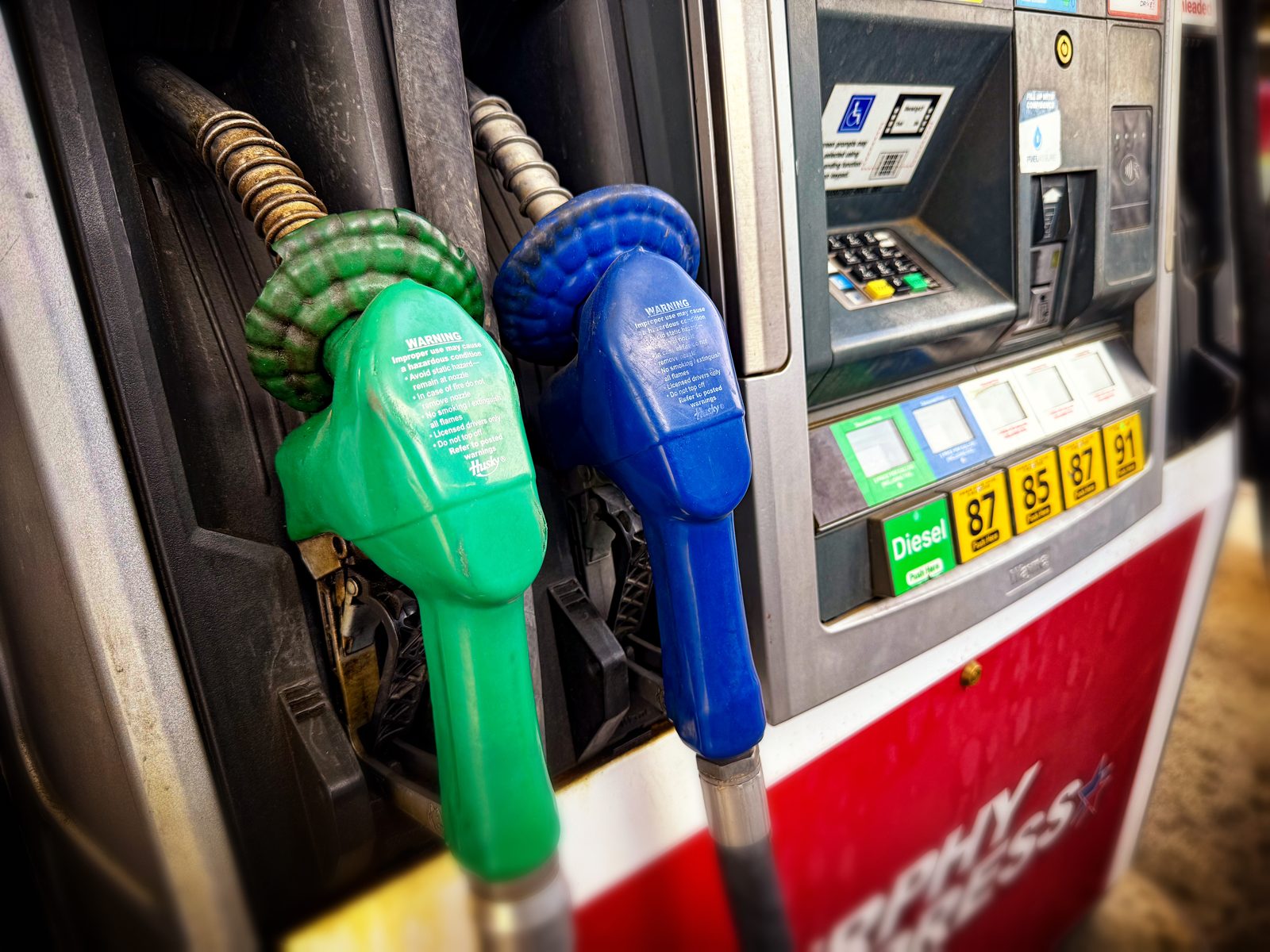
The world will face a diesel shortage well into 2027. The International Energy Agency (IEA) gave this warning on Wednesday, October 14. It shared the warning in its monthly oil market report.
What happened
The IEA is a Paris-based agency. It tracks world energy use and supply. Its new report says diesel supply will stay tight.
Stored fuel is low. Stocks are unlikely to recover until the second half of 2027, according to The National.
Diesel is a fuel made from crude oil. When diesel runs short, the cost of moving goods rises.
Gas oil is a fuel group. It holds diesel and heating oil. Gas oil supply will fall short of demand in the fourth quarter.
The National reported the gap. This gap will persist even as refineries raise output toward year end. A refinery is a plant that turns crude oil into fuel.
Exports fell sharply. Combined net gas oil exports from the Middle East and Russia plunged. They fell more than 60% from a year ago, according to The National.
They fell to 820,000 barrels per day last month. That is a loss of 1.3 million barrels per day. Barrels per day, or bpd, is a count of how much oil moves each day.
Global diesel exports fell 700,000 barrels per day in September. That is a fall from a year ago, according to The National.
Prices show the strain. Wholesale diesel prices surged to record highs last month. They hit about $220 a barrel in Europe and the US, according to The National.
They exceeded $200 a barrel in Singapore. Prices have since eased. But they remain nearly double crude benchmarks and prewar levels, according to The National.
Wholesale prices are what big buyers pay. Pump prices are what drivers pay.
What the key terms mean
Here is what each term means in plain words.
Diesel is a fuel made from crude oil. It powers trucks, buses, farm machines, and many trains.
Gas oil is a wider fuel group. It holds diesel and heating oil.
Barrels per day, or bpd, counts oil flow. It tells how many barrels move each day.
Inventories are stored fuel. They are the fuel held in tanks.
A refinery is a plant that turns crude oil into fuel. If a refinery stops, less fuel reaches the market.
Why diesel stays tight
Three forces squeeze supply. First, Gulf export routes remain constrained, according to The National. Fuel from the Gulf cannot reach buyers fast enough.
Second, Ukrainian drone strikes damaged Russian oil refineries, according to The National. Damaged plants make less fuel. Third, higher shipments from the US and China failed to offset the losses.
The National reported this gap. The extra fuel was not enough.
Crude oil tells a mixed story. Gulf crude exports rebounded by 4.4 million barrels per day. They reached 13.9 million, according to The National.
But refined products stayed below half their prewar volumes, according to The National. Refined products are fuels made from crude oil. The world has crude oil.
It lacks enough plants and routes to turn it into diesel.
Why it matters
US drivers already feel the pinch. US diesel pump prices topped $6 a gallon in September. It was the first time, according to the IEA.
That is up about 70% since the Iran war began, the IEA said. The New York Post reports a record $6.52 per gallon last month. The two figures come from two sources.
Stocks are thin. US diesel stocks ended September at a 14-year seasonal low, according to The National. A seasonal low means stocks are low for that time of year.
European commercial gas oil inventories fell to a 25-year low in July. The National reported the fall. Low stocks leave little room for shocks.
A new outage can push prices up fast.
Diesel touches daily life. Diesel powers trucks that carry food and goods. When diesel costs more, moving goods costs more.
Fuel prices are part of the wider inflation picture.
Some drivers look for ways to use less fuel. Electric cars are one way some drivers cut fuel use. Diesel engines work in a different way than petrol engines.
But most trucks and buses still need diesel today.
What happens next
Leaders acted on October 2. G7 leaders pledged to speed up the IEA's stock release. The release is a coordinated emergency plan, according to The National. The plan prioritizes diesel.
About 96 million barrels have yet to be released. They are part of the 400 million pledged in March, according to The National. A stock release adds stored fuel to the market.
It does not fix the root causes.
The IEA also cut its outlook. It cut its 2027 oil demand forecast by 630,000 barrels per day. The National reported the cut.
It cut its global growth outlook by 0.4 percentage points. Growth now sits at 3%, according to The National. Slower growth means less demand for fuel.
Less demand can ease the strain.
What could ease the shortage? Refineries need repairs. Export routes need to open up.
Stocks need time to rebuild.
Drivers can take small steps too. Smooth driving uses less fuel. Full tires also help.
These steps will not end a global shortage.
The next test comes in the fourth quarter. Refineries will raise output toward year end. Until stocks rebuild, tight supply should linger.
Related stories

Why Does Tire Pressure Drop in Cold Weather?
Cold weather can cut tire pressure by 1 psi for every 10°F drop, thanks to the ideal gas law. Here is what happens inside the tire and what

Why Do Brake Rotors Warp, or Do They Actually?
Mechanics rarely see a truly warped rotor. The shudder usually comes from uneven pad deposits a few thousandths of an inch thick. Here

How to Buy a Used Car Without Getting Scammed: The Checklist
Over 450,000 cars a year have rolled-back odometers, NHTSA says. This checklist covers VIN checks, title washing, and the inspection that