
Why Do Diesel Engines Clatter More Than Petrol Engines?
Key takeaways
- Diesel fuel ignites by compression alone, creating a sudden pressure spike that petrol's timed spark avoids.
- Higher compression ratios, extreme injection pressures, and heavier parts all add to the noise.
- Modern pilot injection fires a tiny fuel dose first, which has made new diesels far quieter.
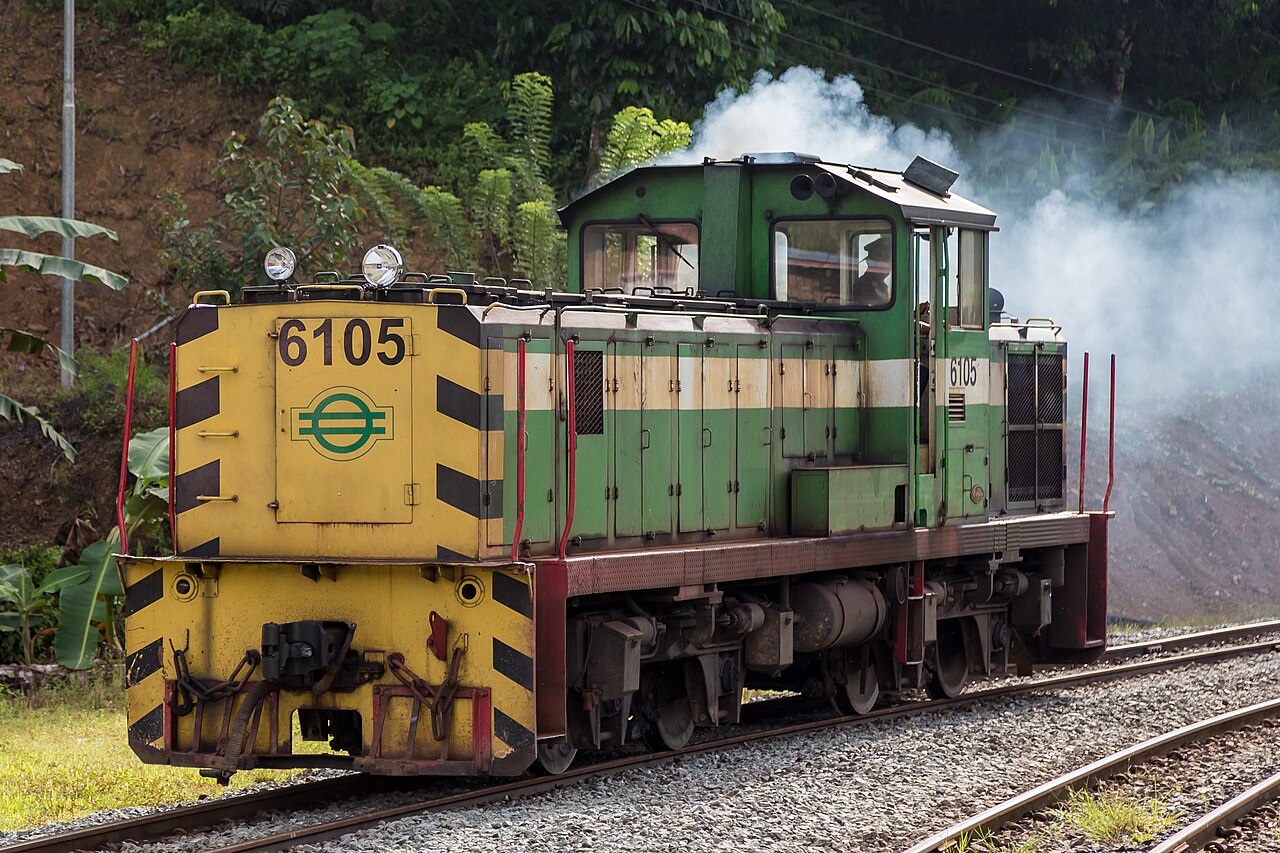
The diesel clatter is unmistakable. Stand next to a running diesel truck and you hear a sharp metallic rattle that no petrol car makes. That sound is not an accident of styling.
It is the audible signature of how a diesel burns its fuel.
A petrol engine ignites its fuel with a spark plug at a precise, controlled moment. A diesel has no spark plug. It squeezes air until it is hot enough to ignite the fuel on contact.
This article takes a closer look at why diesel engines clatter more than petrol engines, including how compression ignition works, why the pressure spike is so loud, what role injection timing plays, and the bottom line.
How compression ignition works
A diesel cylinder compresses only air. The piston squeezes it to a fraction of its original volume, and the squeeze heats the air far beyond what a petrol engine ever sees. Then the injector sprays fuel directly into that superheated air.
The fuel ignites spontaneously, with no spark involved.
Petrol engines work the other way. They mix fuel and air first, compress the mixture gently, and then fire a spark plug at exactly the right crankshaft angle. As BBC Science Focus explains, petrol fuel is ignited at lower pressure by a spark, while the diesel mixture ignites because compression has made it hot enough to burn on its own.
That difference in ignition method is the root of the noise. A spark starts combustion at one point and the flame front spreads smoothly. Compression ignition starts wherever the fuel meets hot air, and it starts almost all at once.
Why the pressure spike is so loud
When diesel fuel hits the hot compressed air, it does not burn instantly. There is a brief delay while the atomized fuel droplets crack under the heat. Then, as one engine builder quoted on Smokstak puts it, the accumulated fuel lights off almost at once.
The result is a very sharp, fast rise in cylinder pressure.
Engineers call the delay "ignition delay" and the spike "diesel knock." That sudden pressure hammering on the piston, cylinder head, and block is the clatter you hear. It is the same phenomenon as knock in a petrol engine, except in a diesel it is the normal operating principle, not a malfunction.
Three design facts make the spike louder than anything in a petrol engine. First, compression ratios. SlashGear notes that diesels typically run compression ratios over 20:1, while petrol engines sit near 10:1.
Squeezing air twice as hard stores far more energy to release at ignition.
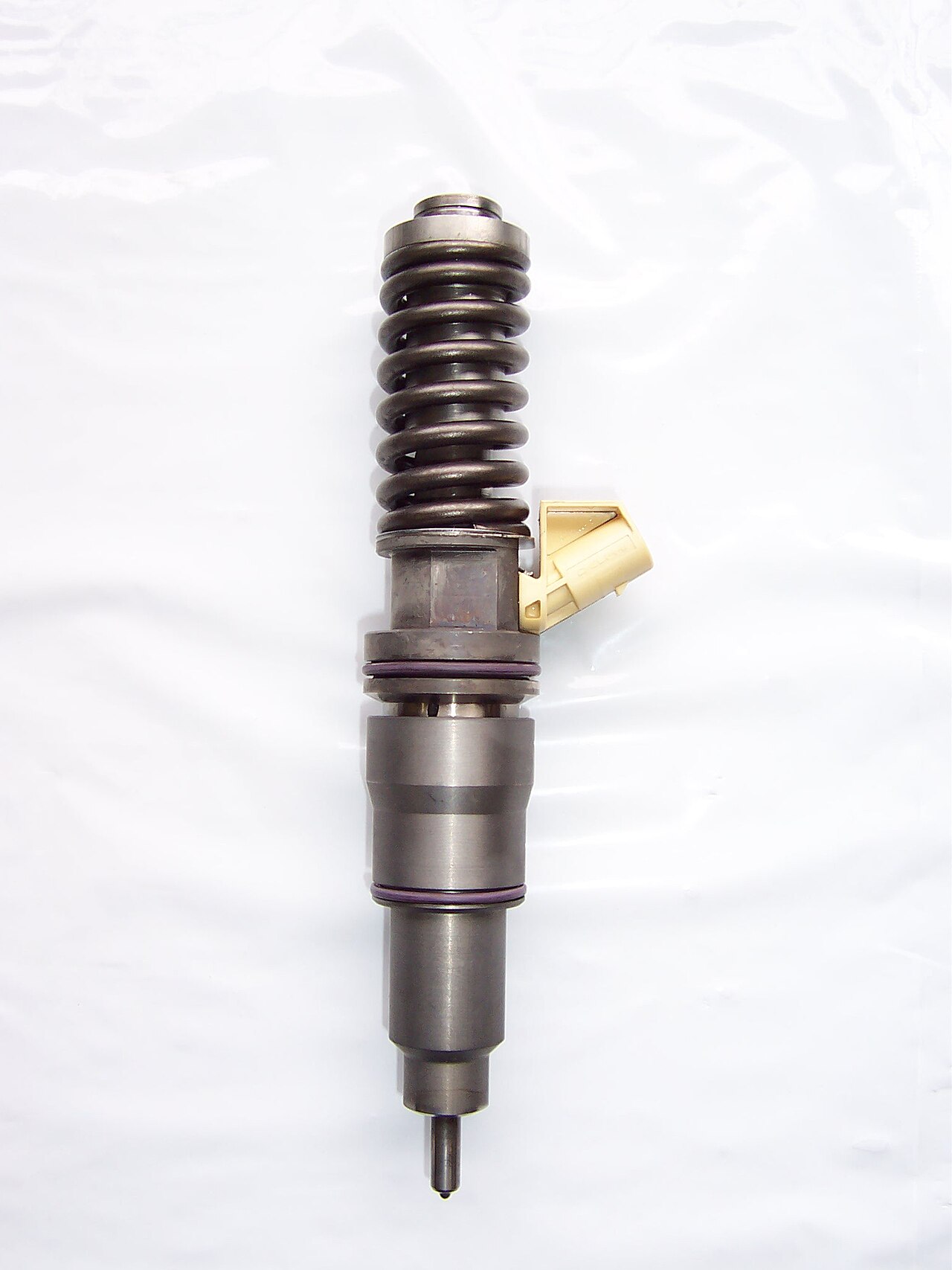
Second, injection pressure. Diesel injectors spray fuel at pressures that can reach 30,000 psi in modern systems, according to SlashGear. The violence of that spray, plus the burst of sound each injection pulse creates, is part of the acoustic signature.
Third, the fuel itself. Diesel molecules are larger and denser than gasoline molecules and carry more energy per volume. When that denser fuel lights off under extreme pressure, the combustion event is simply bigger and louder.
How engine speed and construction add to it
Diesels are built like the pressure vessels they are. To survive combustion pressures far beyond petrol levels, they use thicker cylinder walls, heavier pistons, sturdier crankshafts, and beefier bearings. All that extra mass can ring and transmit vibration, so mechanical noise from pistons, injectors, and valves joins the combustion noise.
They also run slower. A diesel makes its torque at low revs, so it spends its life thumping along at engine speeds where each combustion event stands out as a separate beat. A petrol engine spinning twice as fast blurs its individual firing events into a smoother hum.
The lower the revs, the more the clatter resonates, as SlashGear points out.
None of this is wasted strength. The sturdy construction is why diesels run longer and tow heavier loads. The noise is the price of the physics that also delivers the fuel economy.
What role injection timing plays
Here is the twist: modern diesels are dramatically quieter than their ancestors, and injection timing is the reason. The trick is called pilot injection.
Instead of dumping all the fuel in one shot, the engine computer fires a tiny "pilot" dose first. That small amount ignites and raises the temperature and pressure gradually. The main fuel charge then burns into an already-burning chamber instead of exploding into cold compressed air.
As BBC Science Focus notes, modern diesel engines inject the fuel in a series of smaller pulses to smooth out the pressure rise and dampen the rattle.
The Smokstak discussion describes the newest systems as running computer-controlled multi-injection events per power stroke. A tiny dot of fuel lights off first, then the bulk injection follows. The result is a direct-injection diesel that, at idle or light throttle, sounds remarkably like a gasoline engine.
Older diesels could not do this. Mechanical injection systems delivered one big squirt per stroke, and early direct-injection designs were actually noisier than the prechamber diesels they replaced. The prechamber softened the pressure spike by mixing fuel in a small side chamber first.
Electronics brought the quiet back with better control.
How a diesel clatter differs from a problem
A healthy diesel still rattles, especially when cold. But drivers should know the difference between normal clatter and a fault. Normal diesel noise is rhythmic and fades as the engine warms up.
A sudden new knocking, especially one that changes with load, can signal injector trouble or, in extreme cases, the severe knock that breaks parts.
Cold weather makes the rattle worse because the compressed air starts colder and ignition delay stretches longer. That is also why diesels can be hard to start in winter and why many carry glow plugs to preheat the combustion chamber. If you hear something closer to an engine misfire than a steady clatter, it is time for a diagnostic check rather than acceptance.
The exhaust side tells a parallel story. Because diesel combustion runs lean and hot in a different way, its emissions profile differs from a petrol engine's, which is why you can read how a catalytic converter cleans exhaust on gasoline cars while diesels use different aftertreatment hardware.
Frequently asked questions
Are all diesel engines noisy?
No. The gap has narrowed enormously. Common-rail injection, pilot injection, better engine mounts, and sound-deadening materials have made many modern diesels only slightly louder than equivalent petrol engines at idle, and nearly identical at cruising speed.
Why do diesels shake more at idle?
The same sharp pressure spikes that make noise also push unevenly on the engine mounts at low revs. Heavy rotating parts and fewer, slower firing events per second make each one felt. The shake usually smooths out as revs rise.
Does the clatter mean the engine is damaged?
Not by itself. Diesel knock is the normal combustion mechanism, unlike knock in a petrol engine, which signals uncontrolled combustion. Excessive or irregular knocking is a different matter and deserves attention.
Why do diesel trucks sound different from diesel cars?
Size and tuning. A large truck diesel runs lower revs with bigger combustion events and less sound insulation around it. A passenger-car diesel is smaller, revs higher, and sits behind far more acoustic treatment.
Turbocharging changes the soundtrack too, which is why modern turbos feel so different from older ones.
Will electric trucks be quieter?
Yes, dramatically. An electric motor has no combustion events at all, which is one reason electric cars use single-speed transmissions and glide almost silently. The diesel soundtrack will likely survive longest in heavy machinery and remote applications.
The bottom line
Diesels clatter because they ignite fuel with compression instead of a spark. The fuel waits a fraction of a second, then burns almost all at once, hammering the piston with a pressure spike no spark-ignited engine produces. Compression ratios above 20:1, injection pressures up to 30,000 psi, dense fuel, heavy parts, and low operating revs all turn up the volume.
Modern electronics turned it down. Pilot injection splits each power stroke into smaller, gentler burns, and today's best diesels barely whisper at idle. The clatter remains as a reminder: it is not a flaw in the design.
It is the design, audible.

Tags: diesel engines, engine noise, combustion, car technology
Latest in Auto
- How Does a Catalytic Converter Actually Clean Exhaust?
- What Is Turbo Lag and Why Do Modern Turbos Have Less of It?
- Why Do Headlights Dim When You Use Power Windows?
- What Is the Difference Between an Engine Misfire and a Stall?
Get one clear car explainer like this in your inbox every morning. Subscribe to the Rive News newsletter.
Related stories

Why Does Tire Pressure Drop in Cold Weather?
Cold weather can cut tire pressure by 1 psi for every 10°F drop, thanks to the ideal gas law. Here is what happens inside the tire and what

Why Do Brake Rotors Warp, or Do They Actually?
Mechanics rarely see a truly warped rotor. The shudder usually comes from uneven pad deposits a few thousandths of an inch thick. Here

How to Buy a Used Car Without Getting Scammed: The Checklist
Over 450,000 cars a year have rolled-back odometers, NHTSA says. This checklist covers VIN checks, title washing, and the inspection that