
Why Do Headlights Dim When You Use Power Windows?
Key takeaways
- Power window motors draw a surge of current that briefly drops your car's system voltage, which is what makes the headlights dim for a moment.
- A slight dip at idle is normal on most cars; strong or frequent dimming points to a weak battery, a struggling alternator, or bad ground connections.
- A multimeter check of battery voltage, an alternator load test, and a look at your grounds will identify the cause in most cases.
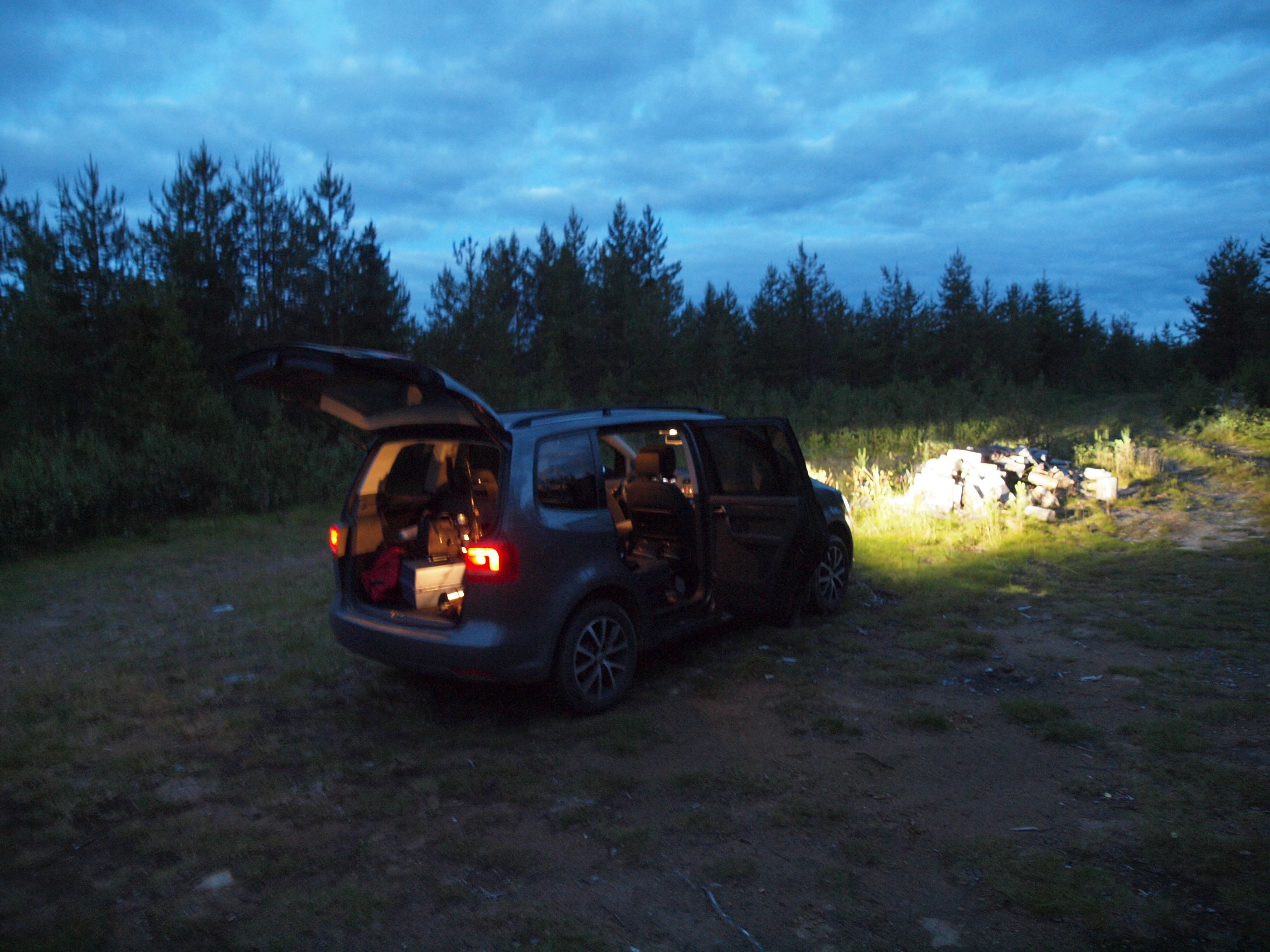
You are sitting at a red light at night, you roll up the window, and the headlights dip for a second. It feels like the car is haunted. It is not.
Your electrical system is just doing math it cannot quite balance.
Every electrical device in your car shares one power supply. When a hungry device like a window motor suddenly demands current, something else gets a slightly smaller slice. This article explains why that happens, when it is normal, and when it means something is failing.
How your car's electrical system shares power
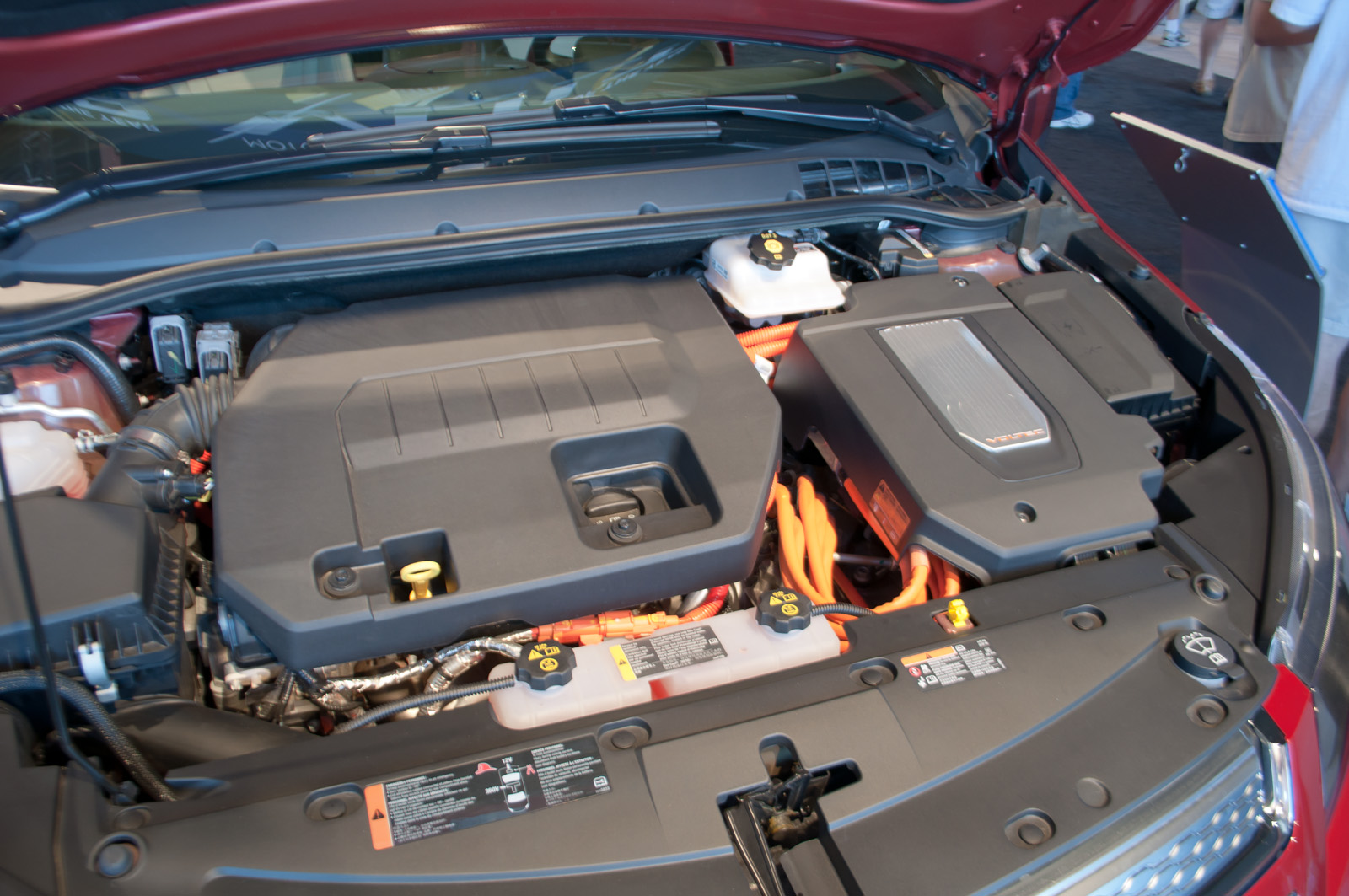
Two components run the show. The battery stores electricity and powers everything when the engine is off. The alternator takes over once the engine is running, powering the car's systems and recharging the battery at the same time.
All accessories draw from this same pool: headlights, the blower fan, the stereo, seat heaters, and the window motors. At idle, the alternator spins slowly and produces less current, so the pool is at its shallowest exactly when you are most likely to notice dimming.
When you press the window switch, the motor draws a surge of current to overcome the window's resting friction. System voltage dips for a moment, and the headlights, being voltage-sensitive, dim in step. Once the window is moving, current demand falls and brightness recovers.
When dimming is normal and when it is not
A slight, brief dimming when you operate the windows at idle is normal on most cars. Mechanics who answer this question daily generally agree: a small dip is the system working as designed, especially with the engine at idle and several accessories running.
The line into abnormal is about degree and persistence. Dimming that is strong, that happens every time, or that continues at higher engine speeds is a warning. One mechanic notes that dimming visible above roughly 1,500 RPM points toward a real problem rather than normal load sharing, since the alternator should easily cover the demand at that speed.
Watch for companions. If the dimming comes with slow window movement, a whining alternator, dashboard warning lights, or headlights that pulse with engine speed, the electrical system is telling you it is struggling.
The usual culprits behind excessive dimming
A weak battery is the most common cause. Batteries typically last three to five years, and an aging battery cannot buffer voltage dips the way a fresh one does. Corroded or loose terminals make the same problem worse by adding resistance right at the connection.
A failing alternator is the second suspect. If it cannot produce enough current to run the car's loads and recharge the battery, every new demand shows up in the headlights. Worn brushes, failing diodes, or a faulty voltage regulator can all reduce output.
Bad grounds are the overlooked third. The negative side of the circuit matters as much as the positive, and stock ground wires are often thin. Corrosion or looseness at ground points creates voltage drop that appears exactly when current is high.
The window mechanism itself can be part of the problem. A stiff or gummed-up window regulator forces the motor to draw far more current than a smooth one. Owners on enthusiast forums have traced headlight dimming to exactly this: a dragging window mechanism overloading the motor, with lubrication or regulator replacement fixing both the slow window and the dimming.
How to diagnose it yourself
You need one tool: a multimeter, set to DC volts. With the engine off, a healthy battery reads around 12.6 volts. With the engine running, the alternator should hold the system between roughly 13.7 and 14.4 volts.
Watch the meter while a helper operates the windows. A small dip that recovers is normal. A large sag, or voltage that stays low after the window stops, points to a battery or alternator that cannot keep up.
Inspect the easy stuff first. Pull the battery terminals, clean any white or green corrosion, and tighten them. Follow the main ground cables to the chassis and engine block and check they are tight and clean.
Look at the battery's age sticker; if it is past five years, it is living on borrowed time.
Test the window mechanism separately. If one window moves noticeably slower than the others and dims the lights more, that motor or regulator is drawing excessive current. Silicone lubricant on the window channels sometimes helps; a worn regulator usually needs replacement.
If the DIY checks are inconclusive, a professional load test settles it. Most repair shops and many parts stores will load-test the battery and measure alternator output under load. A repair shop's assessment tends to be more reliable than a free parts-store test, which is designed to sell parts.
Preventing electrical overload
Keep the system healthy and the problem rarely appears. Replace the battery before it fails, not after. Clean the terminals and grounds during routine servicing.
Check that the alternator belt is tight and in good shape.
Be realistic about added accessories. High-powered audio systems, extra lighting, and other aftermarket gear all draw from the same pool. If you add heavy loads, the system may need a higher-output alternator or heavier-gauge wiring to keep voltage stable.

Electrical issues overlap with engine issues more often than drivers expect. If your engine itself is running rough, read our comparison of an engine misfire and a stall, and see how a catalytic converter actually cleans exhaust for the downstream effects of ignition problems.
Frequently asked questions
Is it bad for the car when headlights dim with the windows?
A brief, slight dip at idle is harmless. Persistent or severe dimming strains the battery and alternator and signals a problem worth fixing before it strands you.
Why does it only happen at night?
Because that is when the headlights are on and visible. The same voltage dip happens during the day, but with no headlights to reveal it, you never notice.
Can a new battery fix dimming headlights?
Often, yes, if the battery is old or weak. But a new battery will not fix a failing alternator or corroded grounds, which is why the voltage checks come before the purchase.
Should the lights brighten when I rev the engine?
Slightly, at idle, yes: a faster-spinning alternator produces more current. But lights that swing dramatically between dim and bright with engine speed suggest a faulty voltage regulator, which needs professional attention.
The bottom line
Your headlights dim when the window motor's current surge briefly drags system voltage down. A small dip at idle is normal physics. A big, repeated, or RPM-independent dip is your charging system asking for help.
Check the battery voltage, clean the grounds, test the alternator under load, and do not ignore a window that moves like it is wading through mud. Fix the weak link and the headlights will stay steady.
Latest in Auto
- What is the difference between an engine misfire and a stall
- How does a catalytic converter actually clean exhaust
- Why do diesel engines clatter more than petrol engines
- What is turbo lag and why do modern turbos have less of it
Subscribe for one practical car-care explainer in your inbox every morning.
Related stories

Why Does Tire Pressure Drop in Cold Weather?
Cold weather can cut tire pressure by 1 psi for every 10°F drop, thanks to the ideal gas law. Here is what happens inside the tire and what

Why Do Brake Rotors Warp, or Do They Actually?
Mechanics rarely see a truly warped rotor. The shudder usually comes from uneven pad deposits a few thousandths of an inch thick. Here

How to Buy a Used Car Without Getting Scammed: The Checklist
Over 450,000 cars a year have rolled-back odometers, NHTSA says. This checklist covers VIN checks, title washing, and the inspection that