
What Is the Difference Between an Engine Misfire and a Stall?
Key takeaways
- A misfire means one or more cylinders fail to ignite properly while the engine keeps running; a stall means the engine stops turning entirely.
- Misfires trigger the check engine light with codes P0300 through P0308; stalls often point to fuel starvation, flooding, or electrical failures.
- A severe misfire can cause a stall, but most stalls have separate causes, so diagnosing them correctly saves you from replacing the wrong parts.
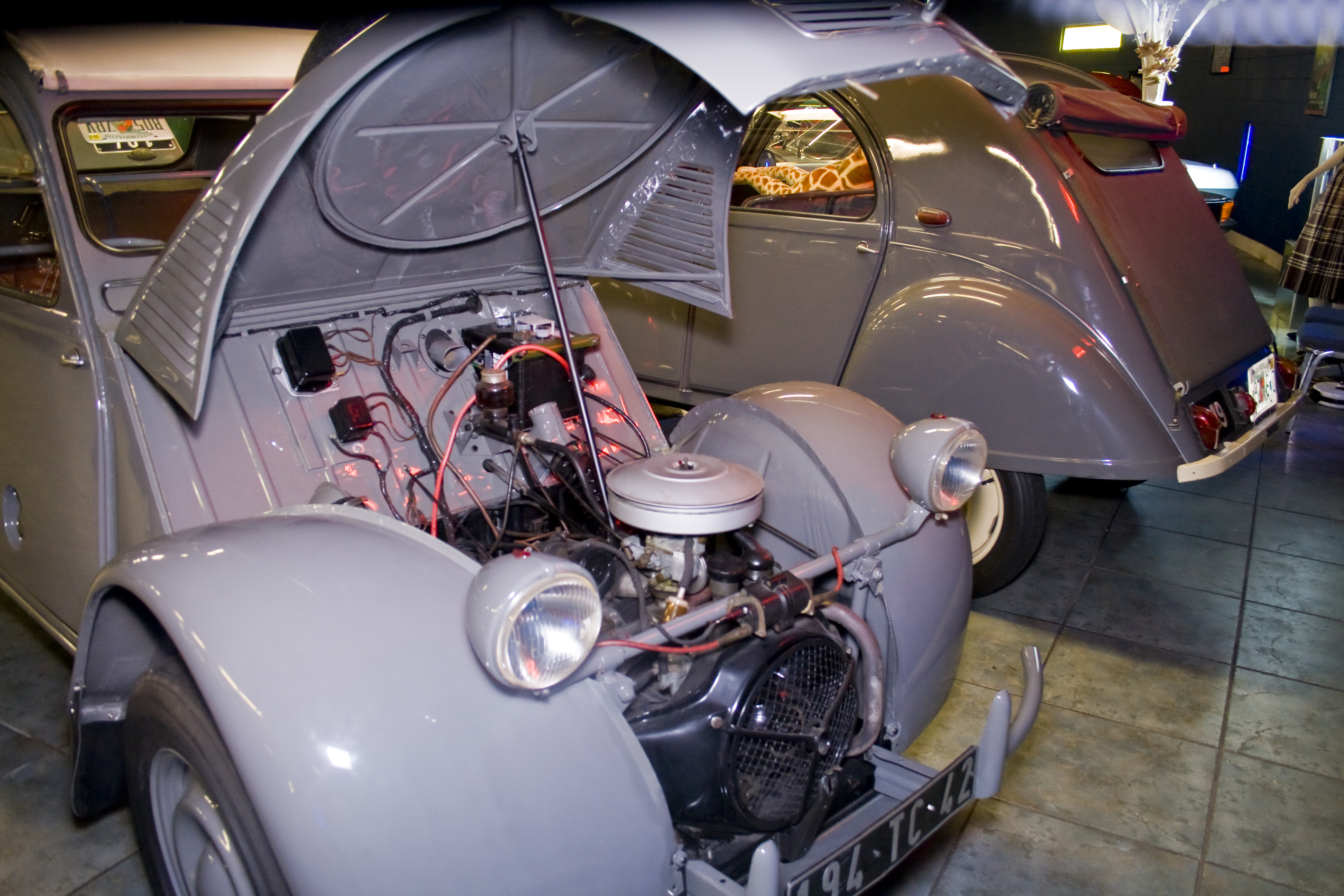
Drivers often use "misfire" and "stall" interchangeably, but mechanics treat them as different problems with different fixes. Confusing the two can send you down the wrong repair path.
The short version: a misfire is a partial failure. A stall is a total shutdown. This article explains what each one is, how their symptoms differ, what causes them, and what to do about each.
What is an engine misfire?
An engine misfire happens when the air, fuel, and spark inside one or more cylinders fail to ignite at the right moment. The engine keeps running, but it runs badly, like a team where one player stopped trying.
You feel a misfire as hesitation, stumbling, or shaking. Acceleration goes flat, the idle turns lumpy, and the car may jerk under load. Because one cylinder is not contributing, the rest of the engine works harder with less to show for it.
Most misfires trace back to one of five areas: the ignition system, fuel delivery, air intake, compression, or engine management sensors. Worn spark plugs, clogged fuel injectors, failing ignition coils, vacuum leaks, and faulty sensors are the usual suspects, according to Car UK's technical guide on the topic.
What is an engine stall?
An engine stall means the engine stops completely. The revs drop to zero, power steering and power brakes fade, and the car coasts to a halt. A stall is an event, not a running condition.
Stalls have their own set of common causes. Fuel starvation tops the list: an empty tank, a clogged fuel filter, or a failing fuel pump can all cut the supply the engine needs. Engine flooding, where too much fuel reaches the combustion chamber, is another classic stall trigger.
Electrical failures round out the picture. A weak battery, loose or corroded connections, and failing sensors can interrupt the power or information the engine needs to keep firing.
Misfire vs stall: the key differences
| | Engine misfire | Engine stall |
|---|---|---|
| What happens | One or more cylinders fail to fire properly | The engine stops completely |
| Engine state | Still running, running badly | Off, not turning |
| Signature symptom | Shaking, hesitation, rough idle | Sudden loss of power, silence |
| Dashboard signal | Check engine light, often flashing | Warning lights as engine dies |
| Diagnostic codes | P0300 (random) or P0301-P0308 (cylinder-specific) | Varies with cause |
| Typical causes | Plugs, coils, injectors, sensors, compression | Fuel supply, flooding, electrical faults |
| Can it damage the car? | Yes, especially the catalytic converter | Mainly a safety risk while driving |
The overlap is real but limited. A severe misfire can cause a stall, particularly at idle or when the car is already under accessory load like air conditioning. But most stalls are not misfires, and most misfires never become stalls.
Misfire symptoms and diagnostic codes
Modern engine control units are quick to spot a misfiring cylinder. They log a fault code that tells a mechanic exactly where to look: P0300 for random or multiple-cylinder misfires, or P0301 through P0308 identifying the specific cylinder, from 1 to 8.
The check engine light tells the rest of the story. A steady light alongside rough running points to a minor misfire worth investigating soon. A flashing light signals active misfiring that can overheat and destroy the catalytic converter if you keep driving.
A flashing check engine light means get off the road and get the codes read.
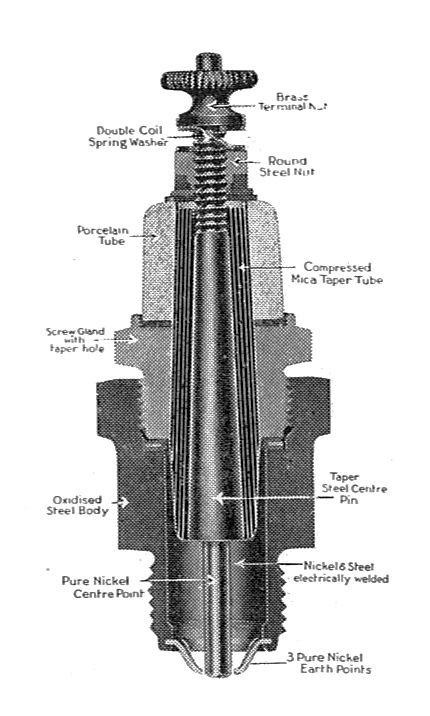
Other symptoms include unusual vibrations felt through the steering wheel, seat, or floor, especially at idle. You may hear popping, coughing, or sputtering from the exhaust. Fuel economy usually drops, because the engine control unit compensates by injecting extra fuel while unburnt fuel escapes through the exhaust.
Spark plugs deserve special mention as the first thing to check. They are among the cheapest fixes in car repair, and modern plugs are designed to last around 100,000 miles. When they do wear out, the spark becomes unreliable and the cylinder stumbles.
Stall causes and what to do when it happens
When a stall strikes, the first priority is safety, not diagnosis. Stay calm, steer the car to the side of the road without sudden maneuvers, and switch on the hazard lights to warn nearby traffic.
Once parked, run through the simple checks before calling for help. Look at the fuel gauge first, because an empty tank is the most common and most embarrassing cause. Next, check the battery connections for loose or corroded cables, since poor connections can cut power and stall the engine.
If the car restarts, note the circumstances. Stalls that happen at idle with the air conditioning, headlights, and radio running point toward fuel or ignition weakness under load. A car that cranks but will not restart may be flooded or have a failed fuel pump.
Difficulty restarting after a stall is itself a diagnostic clue worth reporting to a mechanic.
How much repairs cost and when to walk away
Repair costs scale with the cause. Simple ignition fixes like spark plugs, coil packs, or sensors typically land between 100 and 250 pounds in the UK market. Fuel system work, such as injector replacement, runs roughly 150 to 400 pounds.
Compression problems are the expensive territory: a head gasket replacement can cost 500 to 1,000 pounds, valve or piston ring work pushes past 1,500, and a full rebuild can exceed 2,000 to 4,000 pounds for modern turbocharged engines.
Anthony Sharkey, COO at New Reg Limited, suggests a blunt rule of thumb for deciding whether a misfire repair is worth it. If the repair bill exceeds half the car's value, the engine is likely to keep billing you. At that point, scrapping and walking away can be the smarter financial move.
Prevention beats both. Regular servicing catches worn plugs and dirty filters before they cause misfires. Using decent-quality fuel and addressing a check engine light promptly, rather than driving through it, keeps small ignition problems from becoming catalytic converter bills.
For related electrical troubleshooting, see our explainer on why headlights dim when you use power windows. Drivers curious about the exhaust side can read how a catalytic converter actually cleans exhaust, and diesel owners may recognize some misfire-like roughness in why diesel engines clatter more than petrol engines.
Frequently asked questions
Can I drive with a misfiring engine?
Briefly, to reach a garage, usually yes. But a flashing check engine light means active misfiring that can destroy the catalytic converter, which turns a cheap plug replacement into a four-figure bill. Do not commute on it for days.
Why does my car stall only when idling?
Idle is when the engine has the least momentum to absorb a failure. Weak fuel delivery, a dirty idle control circuit, or an ignition fault that is invisible at speed can all show up as stalling when you stop at a light.
Is a stall the same as the battery dying?
Not exactly, though a dead battery can cause one. A stall means the engine stopped while it was running. A dead battery usually shows up as a car that will not start at all.
Do misfires always trigger the check engine light?
Not always. Intermittent or very mild misfires can escape detection, especially on older cars. Rough idle and hesitation without a warning light still deserve a diagnostic scan, since pending codes may be stored before the light comes on.
The bottom line
A misfire is your engine running badly. A stall is your engine not running at all. Read the symptoms correctly, pull the codes, and fix the actual cause rather than the one you guessed first.
If the check engine light is flashing, treat it as urgent. If the car stalls in traffic, get safe first and diagnose second. And if the repair quote passes half the car's value, do the math before you commit.
Latest in Auto
- Why do headlights dim when you use power windows
- How does a catalytic converter actually clean exhaust
- Why do diesel engines clatter more than petrol engines
- What is turbo lag and why do modern turbos have less of it
Subscribe for one practical car-care explainer in your inbox every morning.
Related stories

Why Does Tire Pressure Drop in Cold Weather?
Cold weather can cut tire pressure by 1 psi for every 10°F drop, thanks to the ideal gas law. Here is what happens inside the tire and what

Why Do Brake Rotors Warp, or Do They Actually?
Mechanics rarely see a truly warped rotor. The shudder usually comes from uneven pad deposits a few thousandths of an inch thick. Here

How to Buy a Used Car Without Getting Scammed: The Checklist
Over 450,000 cars a year have rolled-back odometers, NHTSA says. This checklist covers VIN checks, title washing, and the inspection that