
What Is Turbo Lag and Why Do Modern Turbos Have Less of It?
Key takeaways
- Turbo lag is the pause between pressing the throttle and feeling the boost, caused by the time the turbine needs to spin up.
- Lag grows with heavy turbine wheels and long intake piping, and shrinks with twin-scroll housings, variable geometry, and electric assist.
- Modern turbos have cut lag so far that most drivers never notice it.
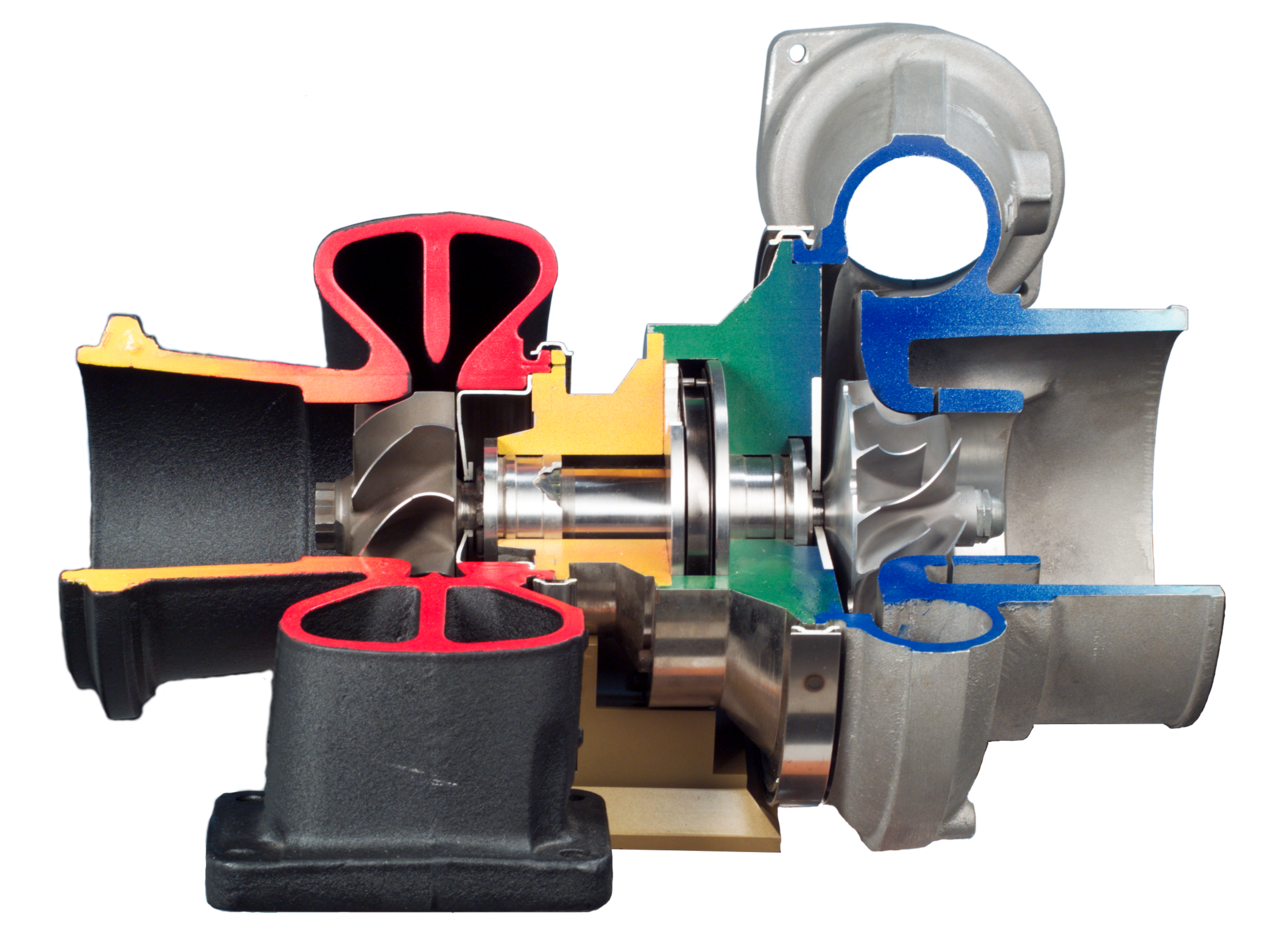
Press the throttle in an old turbocharged car and nothing happens for a beat. Then the boost arrives like a shove. That pause has a name: turbo lag.
Press the throttle in a modern turbo car and the response feels nearly instant.
A turbocharger is an air pump powered by exhaust gas. Hot gas spins a turbine wheel, which shares a shaft with a compressor wheel that crams air into the engine. More air means more fuel can burn, which means more power.
This article takes a closer look at what turbo lag is and why modern turbos have less of it, including what causes the delay, how twin-scroll designs fight it, what variable geometry adds, how electric assist changes the game, and the bottom line.
What causes the delay
Turbo lag is the delay between throttle input and boost build-up while the turbine and compressor accelerate. As the turbo specialist BR Turbo explains, the exhaust stream must first produce enough energy to spin the rotating assembly from its cruising speed up to boost speed. Only then does the compressor deliver pressurized air.
Autocar describes the violence of that process. When the driver hits the throttle, superheated exhaust gas bursts into the turbo's hot side, and the turbine can accelerate to as much as 300,000 rpm in milliseconds. But "milliseconds" still takes time when you are waiting for power, especially from low revs where exhaust energy is thin.
Three factors decide how long the wait is. The first is inertia. A big, heavy turbine and compressor wheel resists spinning up, just as a heavy flywheel resists turning.
The second is system volume. A large intercooler and long intake pipes must be pressurized before boost reaches the cylinders, and leaks in that plumbing make the delay worse. The third is calibration.
Slow wastegate control and lazy boost mapping stretch the pause, while sharp ECU control shortens it.
Old turbos maximized the problem. Big wheels for big peak power, crude bearings, and long exhaust manifolds meant the lag could stretch past a full second. Drivers learned to anticipate the surge, flooring the throttle early before a corner exit.
How twin-scroll designs fight lag
The twin-scroll turbo was the first big breakthrough most drivers could feel. In a conventional turbo, exhaust pulses from all cylinders collide in a single manifold. On a four-cylinder engine, one cylinder's exhaust pulse can interfere with another's during valve overlap, creating backpressure that chokes the turbine.
A twin-scroll housing splits the exhaust into two separate streams feeding two separate "scrolls" inside the snail-shell turbine housing. Cylinders whose firing order would clash are routed into different scrolls, so each pulse arrives cleanly and pushes the turbine without fighting its neighbor. Autocar notes that response improves because the design uses exhaust pulses to best effect.
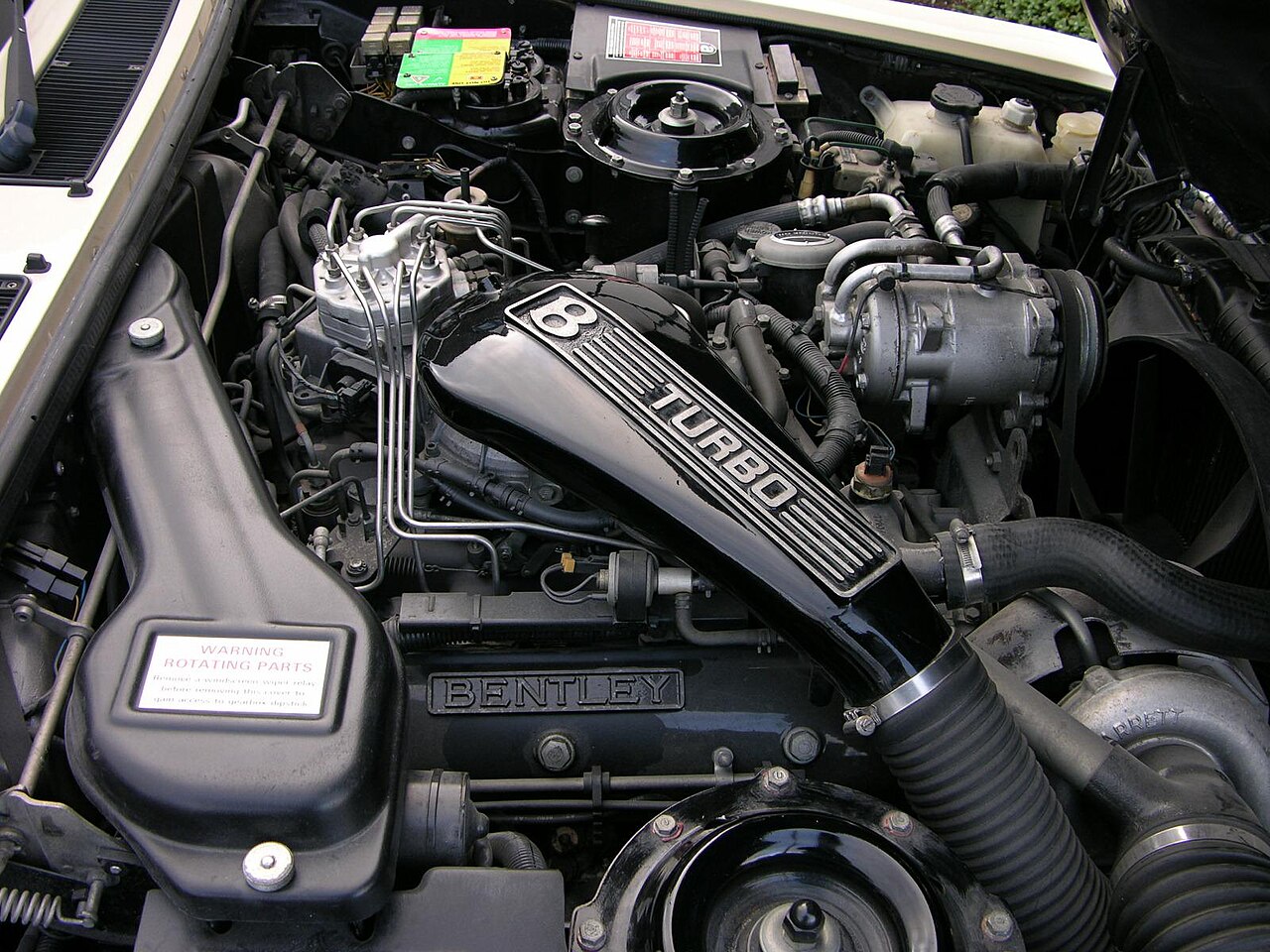
BMW brought twin-scroll turbocharging to its 2.0-litre engine in 2011, using a fabricated steel-sheet manifold to keep costs down. According to Autocar, the twin-scroll unit delivered most of the response benefits of a variable-geometry turbo at a lower price. That 2011 arrival marks the point where lag stopped being a defining trait of everyday turbo cars and became a minor quirk.
Paired with a well-designed manifold, twin-scroll lets a modest turbo spool quickly at low revs while still flowing enough for strong top-end power. It attacks the problem at its source: wasted pulse energy.
What variable geometry adds
Variable turbine geometry, or VTG, takes a different approach. Instead of fixed vanes guiding exhaust onto the turbine, movable vanes change the angle of attack. At low revs, the vanes narrow the passage, speeding up the thin exhaust stream so it hits the turbine harder.
At high revs, they open wide to let the full flow through without choking.
Autocar calls VTG even more effective than twin-scroll at cutting lag at low engine revs, precisely where exhaust energy is weakest. The catch has always been cost and heat. The intricate vane mechanism copes better with the cooler exhaust of a diesel, so VTG turbos have mainly lived on diesel engines, with only a few petrol exceptions.
Sequential turbo systems attack the same problem with two turbos instead of clever vanes. A small turbo handles low revs and spools almost instantly; a larger one takes over for high-rpm power. It works, but it adds cost, weight, and plumbing, which is why clever single-turbo designs have mostly won in road cars.
How lighter parts and smarter control help
Not every gain came from exotic hardware. Much of the progress is in the rotating assembly itself. Smaller, lighter turbine and compressor wheels carry less inertia, so the same exhaust energy spins them up faster.
High-tech bearings, including ball-bearing center housings, cut friction. Better aerodynamics on the turbine and impeller blades extract more energy from each pulse of gas.
Calibration matters as much as metal. Modern engine computers manage the wastegate and recirculation valves with far more precision than the crude pneumatic controls of the past. When the driver lifts off, the wastegate routes exhaust around the turbine and the dump valve vents intake pressure.
When the throttle opens again, both valves snap shut and boost returns quickly. Anti-lag strategies in motorsport go further, keeping the turbo spinning between gear changes, though at the cost of fuel and heat.
For owners of older cars, BR Turbo's advice still applies. Fixing boost leaks, keeping the exhaust and catalyst healthy, and ensuring the wastegate works properly recover response that maintenance neglect stole. Hardware upgrades like a smaller turbine housing trade some top-end power for quicker spool.
How electric assist changes the game
The newest answer to lag does not use exhaust at all. Electric boosting fills the gap where exhaust energy is weakest: right off idle.
An e-booster replaces the turbine with a 48-volt electric motor driving a compressor. With no exhaust gas involved, it can generate boost the instant the driver asks, killing lag at the bottom of the rev range. The conventional turbo then takes over as exhaust energy builds.
An e-turbocharger goes a step further: it keeps the exhaust turbine and compressor but adds an electric motor on the shaft to shove the rotating assembly past its inertia. Autocar reports that this approach, already proven in Formula 1, is being developed for road cars by Mercedes-AMG together with turbo maker Garrett Motion.
The e-turbo even recovers energy. When the driver lifts off, the still-spinning assembly has energy to spare, and the motor can work as a generator, storing electricity in the hybrid battery. Lag, in this world, becomes a solved problem rather than a managed one.
Frequently asked questions
Is turbo lag the same as boost threshold?
No, and the confusion is common. Boost threshold is the engine speed below which the turbo cannot make meaningful boost at all, no matter how long you wait. Turbo lag is the time delay once you are above that speed.
A small modern turbo has both a low threshold and minimal lag.
Can you eliminate turbo lag completely?
Practically, no, with a pure exhaust-driven turbo. There will always be some spool time. Electric assist comes closest to eliminating the sensation, because the motor fills in before exhaust energy arrives.
Do superchargers have lag?
Not in the same way. A supercharger is belt-driven off the crankshaft, so its speed follows engine speed directly. It responds instantly but draws engine power to do it, which is why turbos won the efficiency war.
Why did older turbo cars feel so dramatic?
Big turbos, heavy wheels, and crude controls created a long pause followed by a violent surge. Modern calibration spreads the boost across the rev range, which feels less theatrical but is much faster. The character changed even as the speed improved.
Does turbo lag affect fuel economy?
Indirectly. Laggy calibrations encouraged drivers to rev harder and wait longer, wasting fuel. Responsive modern turbos let engines stay in efficient low-rev cruising, which is exactly why downsized turbo engines, monitored by systems like oxygen-sensor feedback, replaced bigger naturally aspirated ones.
The bottom line
Turbo lag is the time an exhaust-driven air pump needs to spin up. Engineers attacked it from every angle: lighter wheels with less inertia, twin-scroll housings that stop exhaust pulses from fighting each other, variable vanes that reshape the exhaust stream at low revs, and now electric motors that fill the gap before exhaust energy arrives. BMW's 2011 twin-scroll 2.0-litre marked the turning point for everyday cars.
The result is that lag, once the defining quirk of turbocharging, is now a footnote. What remains is the efficiency that made turbos worth the trouble in the first place. And the soundtrack they replaced, the diesel clatter of an earlier era, is fading just as fast.
Tags: turbo lag, turbocharger, engine technology, car performance
Latest in Auto
- How Does a Catalytic Converter Actually Clean Exhaust?
- Why Do Diesel Engines Clatter More Than Petrol Engines?
- Why Do Electric Cars Have Single Speed Transmissions?
- Why Do Headlights Dim When You Use Power Windows?
Get one clear car explainer like this in your inbox every morning. Subscribe to the Rive News newsletter.
Related stories

Why Does Tire Pressure Drop in Cold Weather?
Cold weather can cut tire pressure by 1 psi for every 10°F drop, thanks to the ideal gas law. Here is what happens inside the tire and what

Why Do Brake Rotors Warp, or Do They Actually?
Mechanics rarely see a truly warped rotor. The shudder usually comes from uneven pad deposits a few thousandths of an inch thick. Here

How to Buy a Used Car Without Getting Scammed: The Checklist
Over 450,000 cars a year have rolled-back odometers, NHTSA says. This checklist covers VIN checks, title washing, and the inspection that