
BYD Da Han EV launches with 1,008 km range for $35,050
Web StoryWatch this story in 15 seconds →Key takeaways
- BYD launched the Da Han EV in China on October 13, 2026, with three versions.
- Prices start at 235,900 yuan, about $35,050, below the earlier pre-sale prices.
- The long-range version runs up to 1,008 km per charge on the China test cycle.
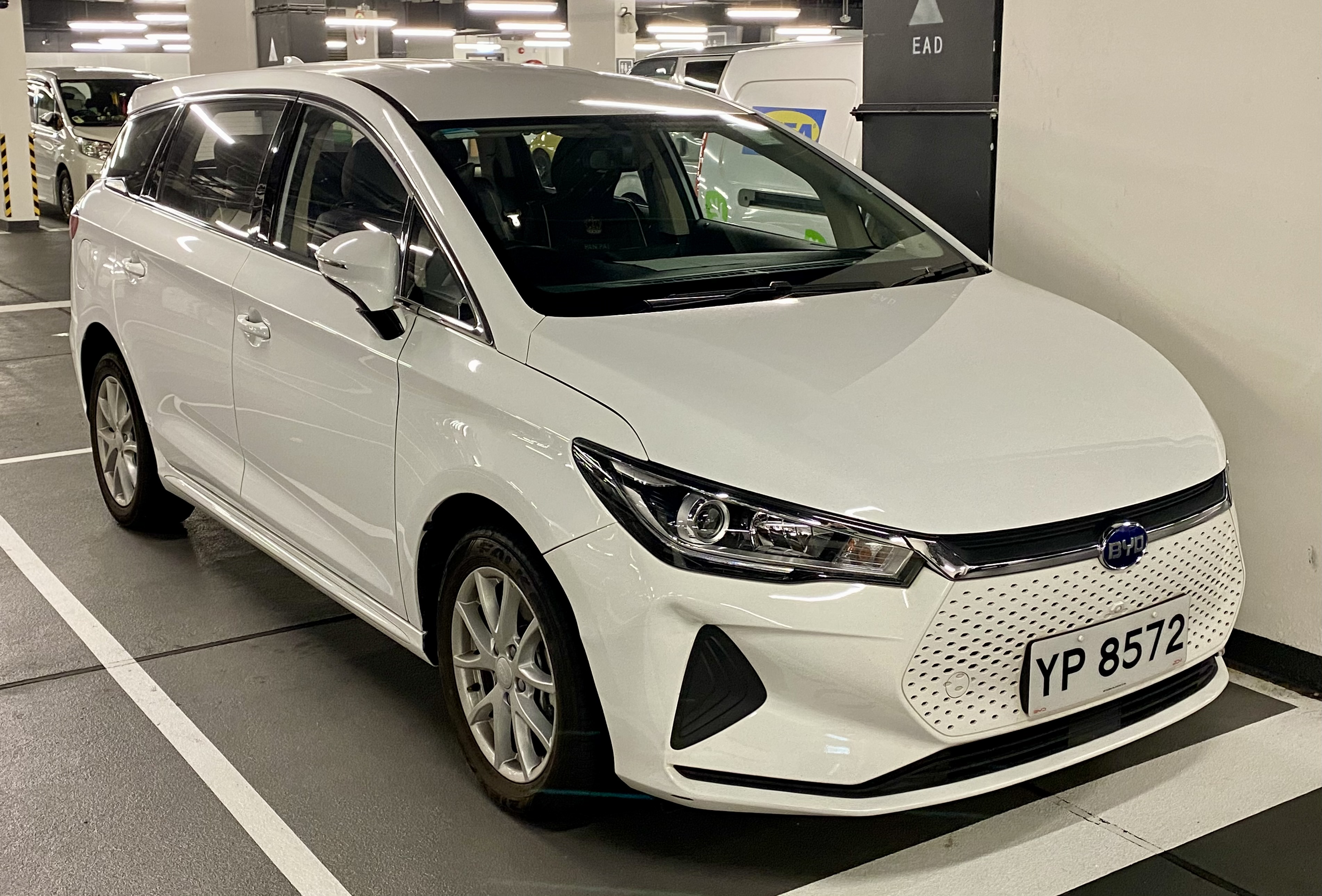
BYD has launched a new flagship electric sedan in China. It is called the Da Han EV. The car starts near $35,050 and offers up to 1,008 km of range.
The name Da Han means Great Han in English coverage. BYD sells it as the top sedan in its Dynasty line. The launch took place on Tuesday, October 13, 2026.
The car went on sale in three versions. Prices run from 235,900 yuan to 275,900 yuan. That is about $35,050 to $41,200.
What happened
BYD opened pre-sales for the Da Han on August 21. That happened at the Chengdu Auto Show. The pre-sale prices were higher than the final prices.
The final prices sit below the pre-sale levels. The drop is 14,000 yuan on the base model.
It is 20,000 yuan on the mid model. It is 24,000 yuan on the top model.
Lower launch prices are common in China. Brands use them to pull in early buyers. BYD used the same move here.
The three versions share one battery. It is a 102.3 kWh second-generation Blade Battery. Blade Battery is BYD's own battery design.
The two rear-wheel-drive versions offer the longest range. They claim up to 1,008 km on the CLTC cycle. CLTC is China's official test cycle for range.
The all-wheel-drive version offers 880 km on the same test. All-wheel drive means power goes to all four wheels. It grips better but uses more energy.
The rear-wheel-drive versions use one motor. It makes 370 kW, or 496 hp. Hp stands for horsepower, a measure of power.
These versions go from 0 to 100 km/h in 4.9 seconds. That is quick for a large sedan.
The all-wheel-drive version adds a front motor. Total power rises to 570 kW, or 764 hp. It hits 100 km/h in 3.3 seconds.
The car is large. It measures 5,256 mm long and 1,999 mm wide.
Its wheelbase is 3,130 mm. Wheelbase is the gap between the front and rear wheels.
A long wheelbase often means more leg room. This car aims at buyers who want space and comfort.
Its drag coefficient is 0.197. Drag is air resistance.
A low number helps the car slip through the air. That saves energy and adds range.
Why it matters
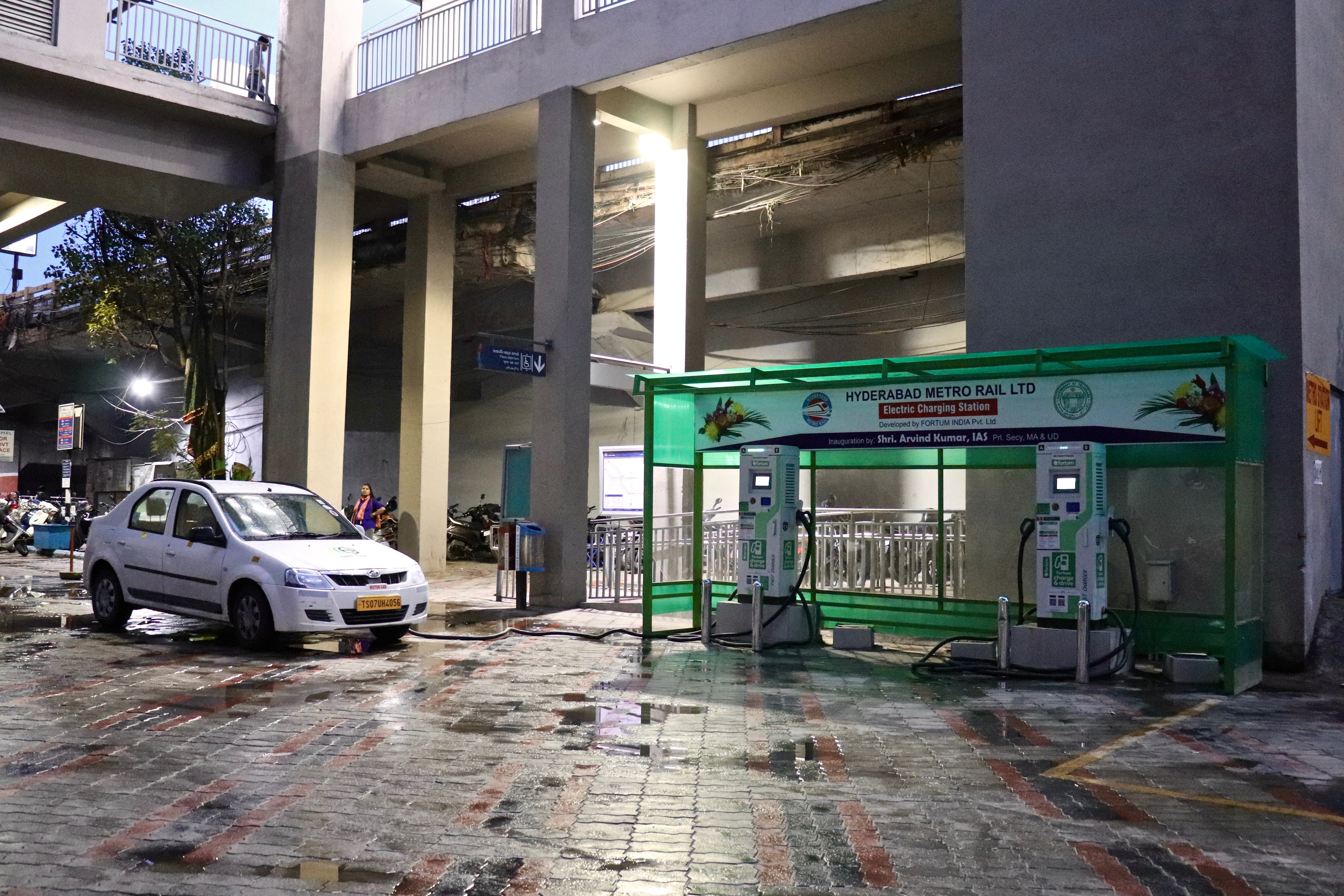
The headline number is the charge time. BYD says the car charges from 10% to 97% in 9 minutes. That needs a very fast charger.
Fast charging matters because charge time is a top worry for EV buyers. EV stands for electric vehicle. A 9-minute charge is close to a petrol station stop.
But the 9-minute claim needs the right charger. Normal home chargers are far slower. Buyers should not expect 9 minutes at every plug.
At minus 30 degrees Celsius, charging takes 3 minutes longer. Cold slows battery chemistry. That is normal for all EVs.
The range number also needs care. CLTC is a China-only test.
Europe uses a test called WLTP. CarNewsChina lists the long-range version at 816 km on WLTP.
WLTP is closer to real driving for many people. Real range also drops with speed, cold, and hills. Learn why EVs lose range in winter.
Battery health matters too. Fast charging and heat can wear a battery over time. Read how electric car batteries degrade.
The price is the third big point. About $35,050 is low for a car this size. It is close to the price of a small family sedan in many markets.
BYD can hit that price with scale. Scale means building huge numbers of cars and batteries. BYD builds both in house.
The car also comes packed with kit. Every version gets air suspension.
Air suspension uses air bags in place of steel springs. It gives a soft ride.
Every version also gets rear-wheel steering. The rear wheels turn a little with the front wheels. That shrinks the turning circle to 4.95 meters.
A small turning circle helps in tight streets. It helps a big car feel small in a car park.
Driver aids are standard too. The car has a roof-mounted LiDAR sensor.
LiDAR uses light to map the road. It feeds the God's Eye B driver-assist system.
The cabin aims at luxury. It has Nappa leather seats and front zero-gravity seats. Zero-gravity seats spread body weight to cut fatigue.
It also has a 31-speaker Devialet sound system. Soft-close doors come on all four doors. Soft-close doors pull shut with a light push.
A 12-volt battery still runs the small electrics in an EV. See how a 12V battery works in an electric car.
What happens next
The launch covers battery-only versions for now. BYD has filed papers for a plug-in hybrid version. A plug-in hybrid pairs a petrol engine with a battery.
BYD has not priced that version yet. It may come later.
The Da Han sits above the older Han sedan. The Han line has seen weak sales. It sold 2,529 cars in September, according to CnEVPost.
That was down 70.90% from the same month last year. BYD hopes the new car lifts the line.
The Da Han joins the Da Tang SUV as a flagship. The Da Tang launched on June 17. It had sold 40,222 cars by the end of September, according to CnEVPost.
On September 29, a Da Han became a milestone car. It was the 10 millionth vehicle from BYD's Dynasty line.
BYD has not announced sales outside China yet. The launch is China-only for now. Other markets may follow later.
For buyers, the key checks stay the same. Check the local range test, not just CLTC.
Check what fast chargers exist near you. Check the warranty on the battery.
The Da Han shows how fast China's EV race now moves. Long range, fast charging, and low prices now sit in one car. The next test is real sales.
Related stories

Why Does Tire Pressure Drop in Cold Weather?
Cold weather can cut tire pressure by 1 psi for every 10°F drop, thanks to the ideal gas law. Here is what happens inside the tire and what

Why Do Brake Rotors Warp, or Do They Actually?
Mechanics rarely see a truly warped rotor. The shudder usually comes from uneven pad deposits a few thousandths of an inch thick. Here

How to Buy a Used Car Without Getting Scammed: The Checklist
Over 450,000 cars a year have rolled-back odometers, NHTSA says. This checklist covers VIN checks, title washing, and the inspection that