
Why Do EVs Lose Range in Winter? Causes and Fixes
Key takeaways
- Independent studies put winter range loss at roughly 20% around freezing, climbing to 40% or more in extreme cold with the heater running.
- Cabin heating, not battery chemistry, is the biggest cause: the heater alone can cut range by up to 40%.
- The loss is temporary and the battery is not damaged. Preconditioning the car while plugged in is the single best countermeasure.
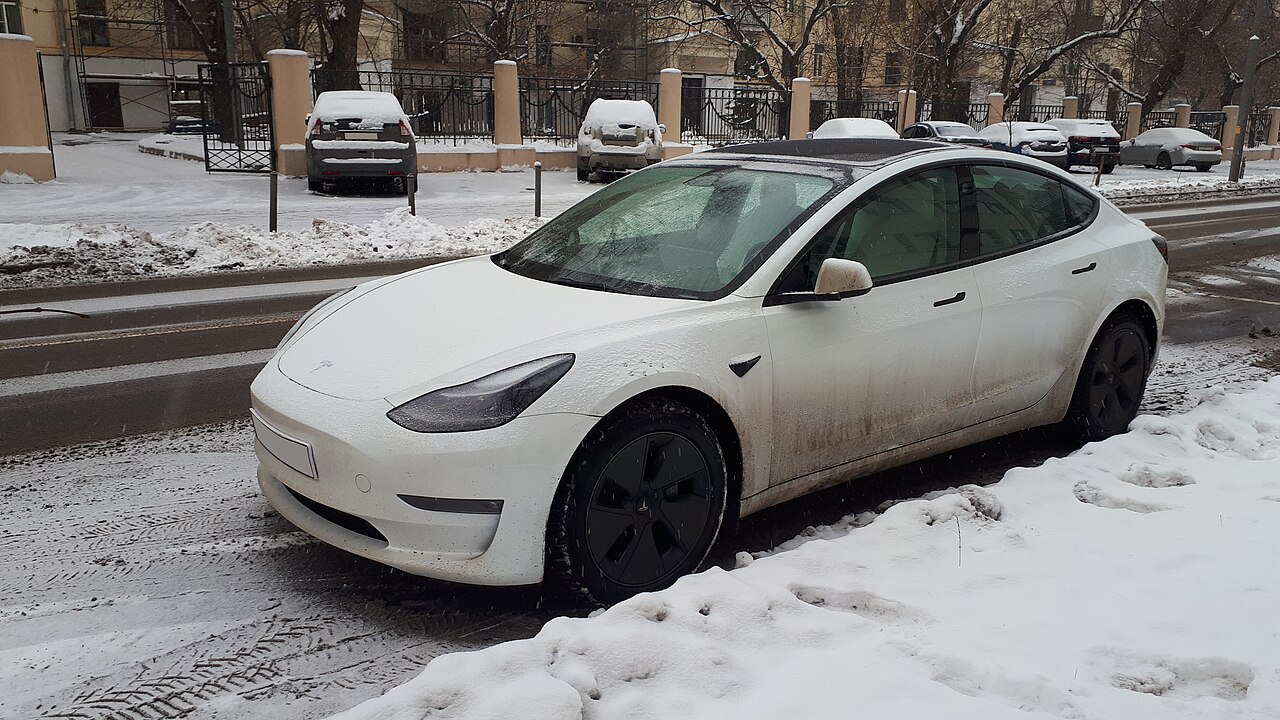
Electric cars lose driving range in cold weather. How much depends on temperature, speed, and how hard the heater works, but every independent study of recent years lands in the same area: expect roughly a fifth of your range gone around freezing, and far more on the coldest days.
This article explains how much range EVs (electric vehicles) actually lose in winter, including the main causes, what the major studies found, and the practical steps that claw range back.
How much range actually disappears
The numbers vary by source and method, but they tell a consistent story.
Recurrent's 2025/2026 winter study analyzed real-world data from more than 30,000 EVs across the US. It found most models average around 20% range loss at freezing (0°C / 32°F), with well-optimized cars doing a bit better. The Tesla Model Y, for example, retained about 86% of its normal range in freezing conditions.
AAA's May 2026 laboratory study went further into the cold. Engineers tested EVs on climate-controlled dynamometers (lab machines that simulate driving) at 20°F (-7°C) and measured a 39% loss of driving range, along with a 35.6% drop in overall efficiency. AAA also priced the penalty: winter EV operating costs rise by $32.11 per 1,000 miles on home charging, and by $76.93 per 1,000 miles on public chargers.
The Canadian Automobile Association tested 14 EVs on the road between Ottawa and Mont Tremblant in temperatures of -7°C to -15°C. Range reductions landed between 14% and 39% versus official estimates. The Chevrolet Silverado EV and Polestar 2 were the most resilient, each losing only 14%.
In the UK, Tempcover analyzed data for 40 popular models and found cold weather cut range by 27% on average. Consumer Reports' winter testing at around -9°C found about 25% depletion when cruising at 70 mph.
Put together: roughly 20% at freezing, 30 to 40% in serious cold, and up to 50% in extreme cold with the heater blasting. The US Department of Energy reports up to 50% loss in urban stop-start driving at 0°F with full HVAC (heating and cooling) running, per MotorWatt's review.
The biggest cause is the heater, not the battery
Most drivers blame the battery, but the science points elsewhere. Cold does slow the chemical reactions inside a lithium-ion battery and raises its internal resistance, so less energy flows freely. That is real, but it is the smaller half of the story.
The bigger half is cabin heating. A gasoline car gets cabin heat for free from its wasteful engine. An EV has almost no waste heat, so every degree of cabin warmth comes straight from the battery.
MotorWatt cites AAA testing showing the heater alone can slash range by up to 40% at 20°F. That is the single largest factor in winter range loss.
Short trips make it worse. Most winter range loss happens in the first fifteen minutes of driving, while the battery is at its coldest and the heater is working hardest. A string of short school runs on a frosty morning can show losses of 30% to 40%, because the battery barely warms up before the car is switched off again, as motoringchronicle.com reports.
How EVs differ from gasoline cars in the cold
Gasoline and diesel cars also lose efficiency in cold weather, often burning up to 15% more fuel, but drivers rarely notice. A fuel tank holds so much energy that the difference gets absorbed. A fixed battery has no such cushion, so the same percentage penalty feels far more serious.
Hybrids sit in between. In AAA's May 2026 study, hybrids lost 22.8% of fuel economy at 20°F, adding $28.44 per 1,000 miles.
Because hybrids harvest engine heat for the cabin, their penalty is far less severe than that of pure EVs. It also explains why AAA's survey data shows 35% of prospective buyers pivoting toward hybrids.
Cold tyres add a smaller drag. Stiffened rubber and lower pressures raise rolling resistance exactly in the season drivers check tyre pressures least. Our guide to why tyre pressure drops in cold weather covers the fix.
Heat pumps: the technology that helps most
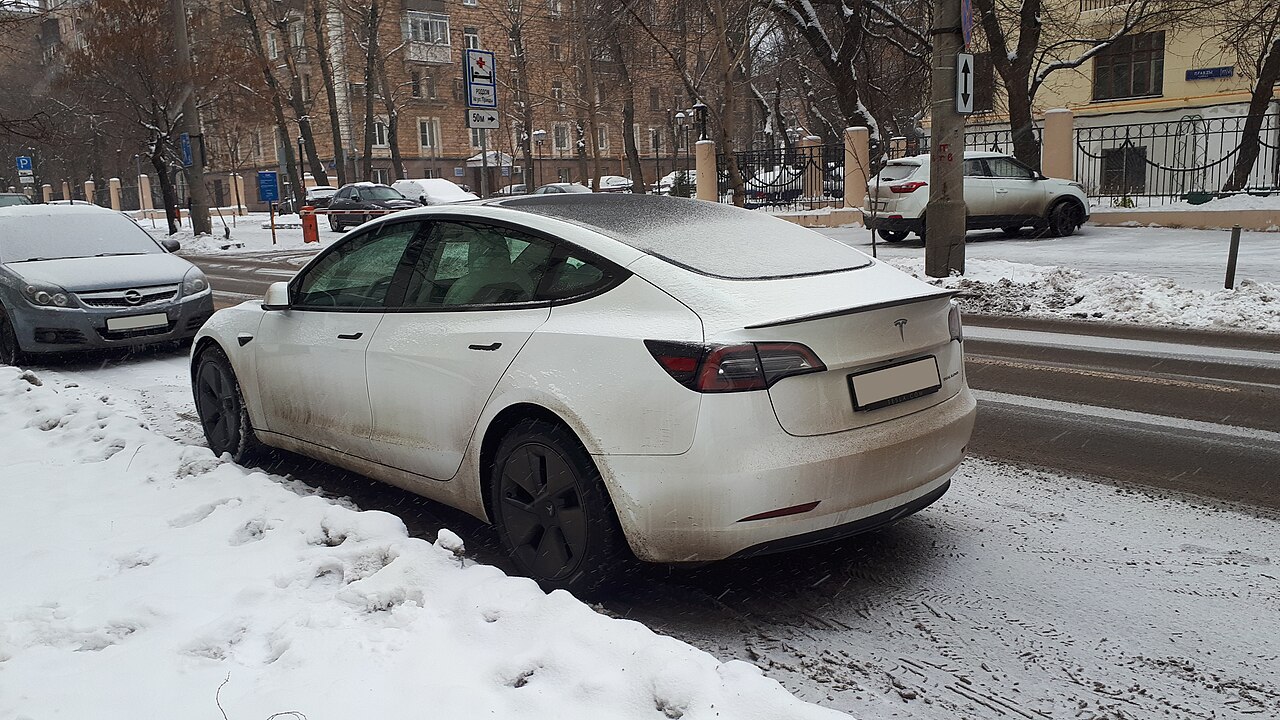
A heat pump recycles waste heat from the motor and electronics instead of generating warmth from scratch. It is the same principle as a refrigerator running in reverse, and it uses far less energy than a resistive heater (a heater that makes warmth directly from electricity).
Recurrent's data shows EVs with heat pumps retain about 83% of range in the cold versus 75% for resistive-heater models. MotorWatt puts the winter range benefit at roughly 10 percentage points at freezing.
Heat pumps are now standard on most 2024 and later EVs, and the worst winter performers in the studies are almost always older models without one. In Recurrent's latest study, the best performer was the Tesla Model X at 89% retention; the worst was the VW ID.4, which had no US-market heat pump, at just 63%.
How to keep more of your range
These countermeasures are ranked by how much difference they make:
- Precondition while plugged in. Warm the cabin and battery from wall power before you leave. (Preconditioning means heating the car while it is still charging.) This is the single most effective step, because the energy comes from the grid, not the battery.
- Use seat and steering-wheel heaters. Heating your body directly uses a fraction of the energy of heating the whole cabin.
- Lower the cabin temperature a few degrees. Every degree matters when the heater is the biggest drain.
- Combine short trips. One warm battery beats three cold starts.
- Keep tyres at the correct pressure. Cold air shrinks, and underinflated tyres add drag.
- Park in a garage when possible. Even an unheated garage keeps the battery several degrees warmer.
Regenerative braking (recovering energy when you slow down) also recovers less energy when the battery is cold, since a cold pack cannot accept charge as quickly. Our explainer on regenerative braking in simple terms has the details. For how batteries age over years rather than seasons, see how electric car batteries degrade.
Frequently asked questions
Does cold weather permanently damage an EV battery?
No. As one guide to Tesla winter driving puts it: "The critical point: These numbers represent temporary range reduction, not permanent battery damage. When temperatures rise again, your range comes back." Cold-weather driving alone does not cause lasting degradation (wear).
Which EV handles winter best?
It varies by study year, but the pattern is stable: newer cars with heat pumps do best. In Recurrent's latest study the Tesla Model X retained 89% of its range. In CAA's real-world Canadian test, the Chevrolet Silverado EV and Polestar 2 each lost only 14%.
Does preconditioning really make a difference?
Yes, it is the biggest single lever. Preconditioning warms the battery to its efficient operating temperature using grid electricity while the car is still plugged in, so the first miles of the trip do not spend battery energy on warming up.
Why does my EV lose more range on short winter trips?
The first fifteen minutes of a cold drive are the most expensive: the battery is at its coldest and the heater runs hardest. On short trips the battery never reaches efficient temperature, so the per-mile penalty stays high the whole way.
The bottom line
EVs lose 20 to 40% of their range in winter, and the heater is the main reason, not a defective battery. Nothing is broken and nothing is permanent: the range returns with warmer weather. Precondition while plugged in, heat the seats instead of the cabin, and combine short trips, and winter becomes a manageable tax rather than a crisis.
Latest in Auto
- How Electric Car Batteries Degrade
- Tire Pressure Drop in Cold Weather
- Regenerative Braking in Simple Terms
- Car Battery Dying Overnight: Causes
Tags
EV range, electric cars, winter driving, EV batteries, cold weather
Rive News's research desk writes plain-English explainers on how everyday machines work, based on documented sources.
Subscribe for one useful explainer every morning.
© 2026 Rive News. All rights reserved. Corrections: [email protected].
Related stories

Why Does Tire Pressure Drop in Cold Weather?
Cold weather can cut tire pressure by 1 psi for every 10°F drop, thanks to the ideal gas law. Here is what happens inside the tire and what

Why Do Brake Rotors Warp, or Do They Actually?
Mechanics rarely see a truly warped rotor. The shudder usually comes from uneven pad deposits a few thousandths of an inch thick. Here is th

How to Buy a Used Car Without Getting Scammed: The Checklist
Over 450,000 cars a year have rolled-back odometers, NHTSA says. This checklist covers VIN checks, title washing, and the inspection that ca