
Jeff Bezos defends billionaires in Fox interview: success is not villainy
Key takeaways
- Jeff Bezos told Fox News that "success is not villainy" and said people have been taught to see business success as evil.
- He said a hamburger stand with 10 workers could grow into a billion-dollar company with thousands of jobs.
- On housing, he blamed low supply, not "greedy landlords," and pointed to Austin, where rents fell after a building boom.
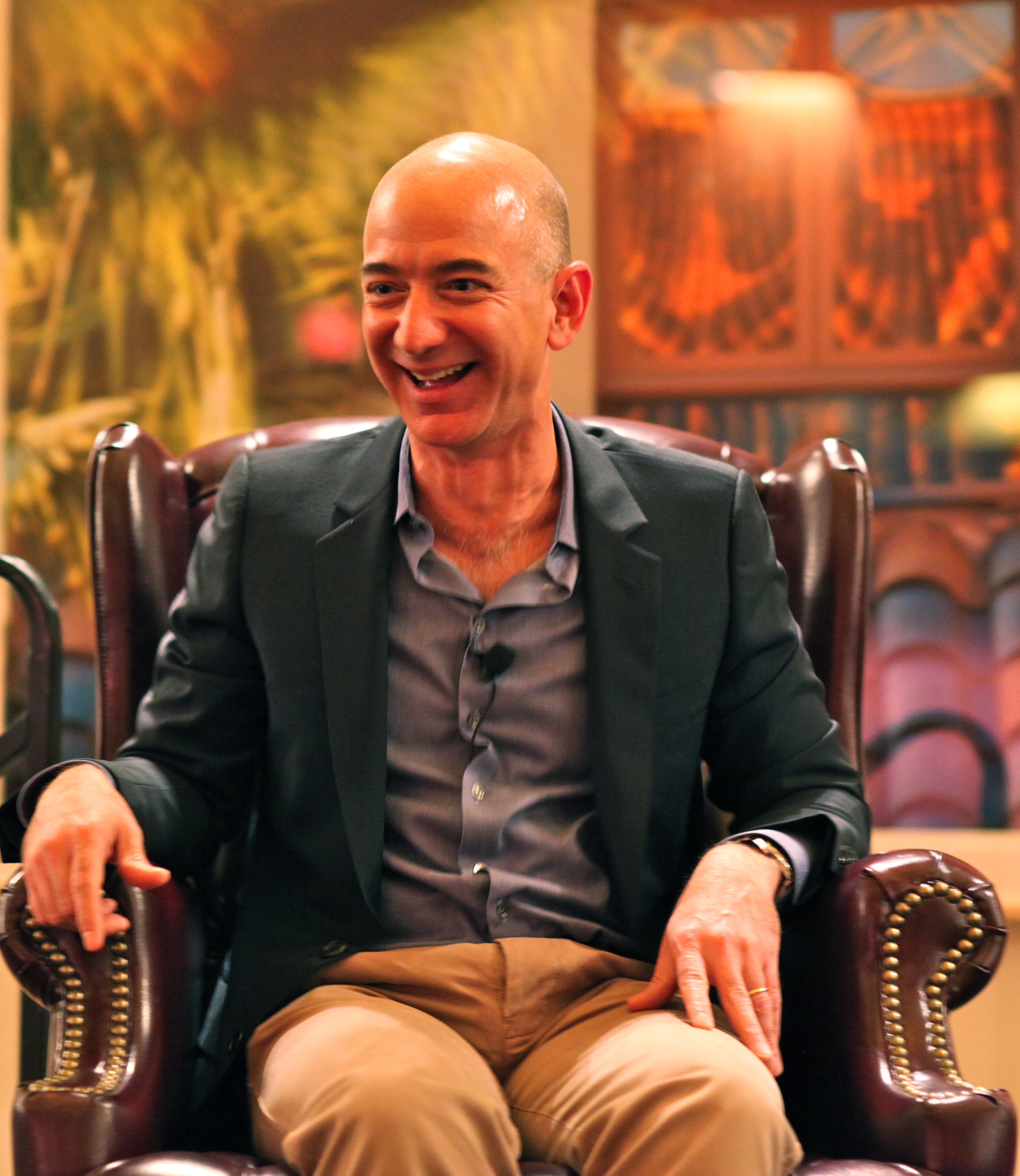
Jeff Bezos is trending for defending billionaires. In an interview with Fox News' Bret Baier, he said "success is not villainy." He argued that society has been taught to treat business success as something evil.
What happened
The interview aired last week on Fox News' "Special Report." Baier spoke with Bezos on the factory floor of Blue Origin in Cape Canaveral, Florida. The network aired it as part of its 30th anniversary.
Baier asked Bezos about criticism of billionaires, including remarks by Senator Bernie Sanders. Bezos pushed back. "Success is not villainy," he said.
He said some people have been taught, incorrectly, to see success as a villain. According to Yahoo's account of the interview, he put it simply. "You can be a billionaire if you started a hamburger stand," he said.
His example was a simple food stand with about 10 workers. Over time it could grow into a business with thousands of locations and employees. He said there is nothing wrong with making "unbelievably good chicken that people love.
" He added that it "doesn't make him a bad person. "
He was pointing to founders like those behind the Raising Cane's restaurant chain, GeekWire reported. The point was simple: a loved business can make its founder very rich.
Bezos also took aim at politicians who assign blame. "If there's a politician who's picking villains and pointing fingers, that probably means they don't have a solution," he said.
He added that executives who act that way at his own companies do not last long. "Those people wouldn't be in our company for long," he said.
Baier also asked why socialism is gaining ground with some Americans. Bezos did not answer that question directly.
He did admit the country has real affordability problems, especially housing. "You can't pretend that there are no problems," he said.
But he rejected the popular line that "greedy landlords" cause high prices. He said blaming them misses the real issue, TheStreet reported.
The real issue, he argued, is supply and demand. He said government rules have raised prices by supporting demand while limiting new building.
He held up Austin as proof. He said the Texas city spent the last decade making it easier to build homes. Now, he said, prices there are going down.
The interview covered much more than wealth and housing. He said the United States must beat China back to the moon. He believes an American landing is possible in 2028.
He predicted AI could let some families live on one income. Others, he said, might work only three days a week.
His AI company Prometheus is building what he calls an "artificial general engineer. "
Bezos stepped down as Amazon's CEO in 2021, GeekWire reported. He left Seattle for Miami in 2023. Forbes estimates his net worth at $380 billion. That makes him the second richest person in the world.
Why it matters
The comments arrived as young Americans feel locked out of housing. The median age of a first-time homebuyer has hit 40. That is a record high, TheStreet reported.
Home prices for young households are up about 75 percent since 2000, after inflation. Incomes are up only about 26 percent over the same period. The typical US rent was $1,962 in July 2026.
The average 30-year mortgage rate passed 7 percent in late September. That was the first time since January 2025, according to Freddie Mac data.
Bezos's Austin example has numbers behind it. Rents there fell for 19 straight months through early 2025. No other major US metro permitted more apartments per resident from 2021 to 2023.
About 17,000 apartments were under construction there at the time. Per Realtor.com, Austin's median listing price and rent are both lower than a year ago.

Not everyone reads Austin the same way. TheStreet noted that Austin overbuilt during the pandemic boom.
BiggerPockets' Dave Meyer said overbuilding is why prices and rents are falling. People keep moving to Austin anyway.
Still, Bezos's core point stands: more homes mean lower prices. To see how savings grow over time, try the rule of 72. For young buyers, though, the math remains brutal in most cities.
The wealth debate also has a local angle for Bezos. Washington state voters will decide on Initiative 645. The measure would repeal the state's high-earner tax.
It would also block future income taxes, GeekWire reported. Bezos has argued that targeting wealthy founders risks driving innovation away.
What happens next
The quotes fit a live debate about wealth and housing. They will likely keep circulating on social media and cable news. The interview aired only days ago, and the story is still spreading.
Washington voters will soon decide the fate of Initiative 645. A win for the measure would back Bezos's side of the argument. A loss would show the tax-the-rich mood is stronger.
On housing, the next test is Austin. If rents keep falling, Bezos's supply argument gets stronger.
If prices rebound, critics will say the boom was the cause. Either way, other cities are watching.
Congress has already moved in the supply direction. The ROAD to Housing Act became law on July 11. It aims to speed up home building. TheStreet reported that full results may take years.
Blue Origin has its own milestones ahead. The company plans to fly its New Glenn rocket again in December. That follows an engine-test explosion in May.
Bezos said he has personally put $28 billion into Blue Origin. The company recently raised $10 billion from outside investors. It also wants to put data centers in space, using more than 50,000 satellites.
And the AI debate continues. Bezos predicts big productivity gains, even a possible three-day workweek.
Critics point to roughly 30,000 corporate roles Amazon has cut since late last year. Both sides will be watching the jobs numbers.
The bigger question is which story wins. If housing stays out of reach, blame-first politics may keep gaining ground.
If new supply cools prices, his argument gets harder to dismiss. Either way, the debate over wealth and housing is only getting louder.
This article is for information only and is not financial advice.
Related stories

Apple plans two October launches: smart home hub, OLED MacBook Pro
Apple set October 13 for a smart home launch with a new hub, Apple TV 4K and HomePod mini, then October 27 for OLED MacBook Pro models

How to Check If Your Phone Supports eSIM in 30 Seconds
Dial *#06# and look for an EID number to confirm eSIM support in under 30 seconds. This guide also walks through the iPhone and Android

eSIM vs iSIM: what is the difference?
An eSIM is a dedicated chip on the phone's board, while an iSIM lives inside the processor itself. Qualcomm's Snapdragon 8 Gen